Remove Before Flight: Essential Travel Tips for Smart Adventurers
The phrase “Remove Before Flight” isn’t just a warning tag attached to aircraft components—it’s a metaphor for the meticulous preparation required before embarking on any journey. Whether you’re planning flights from Atlanta to NYC or international adventures, understanding what needs to be “removed” from your travel routine, mindset, and luggage can transform your experience from chaotic to seamless. This comprehensive guide explores the essential travel tips that every adventurer should master before takeoff.
Travel preparation extends far beyond packing a suitcase. It encompasses physical readiness, mental preparation, logistical planning, and understanding the countless details that separate memorable journeys from stressful ordeals. From managing jet lag to optimizing your packing strategy, from navigating airport security to preparing for altitude changes, the fundamentals of smart travel will set the foundation for adventures that exceed your expectations. Let’s explore the critical elements you need to address before your next flight.
Pre-Flight Physical Preparation
Your body requires specific conditioning before air travel, especially for longer journeys. The human body experiences significant stress during flights—cabin pressure changes, dehydration, reduced oxygen levels, and prolonged immobility all demand preparation. Begin your physical readiness at least two weeks before departure by establishing consistent sleep patterns aligned with your destination’s timezone. This gradual adjustment minimizes jet lag’s debilitating effects.
Hydration represents one of the most overlooked yet crucial elements of flight preparation. Aircraft cabins maintain humidity levels between 10-20%, compared to the 30-65% humidity of normal environments. Start increasing water intake five days before your flight, consuming at least 3-4 liters daily. Avoid excessive caffeine and alcohol, which accelerate dehydration. During your flight, continue drinking water consistently—aim for 8 ounces every hour of flight time.
Exercise routines should intensify during pre-flight weeks. Cardiovascular fitness improves your body’s ability to handle altitude stress and reduces blood clot risks associated with prolonged sitting. Incorporate 30-45 minutes of moderate exercise daily: brisk walking, cycling, swimming, or jogging all strengthen your cardiovascular system. Flexibility training through yoga or stretching prevents muscle stiffness during flights and prepares your body for the physical demands of exploring new destinations.
Compression socks deserve serious consideration, particularly for flights exceeding 4-5 hours. These specialized garments improve blood circulation, reducing the risk of deep vein thrombosis (DVT) and minimizing swelling. Wear them during your flight and for several hours afterward. If you’re planning long-haul transatlantic flights from London to New York, compression socks become especially valuable for maintaining leg health throughout the 7+ hour journey.

Luggage Optimization and Packing Strategy
Strategic packing separates experienced travelers from those perpetually wrestling with overstuffed luggage. Begin by selecting appropriate luggage—a carry-on sized bag (22x14x9 inches) for short trips and a checked bag (28x20x12 inches) for extended journeys. Quality luggage with four spinner wheels and TSA-approved locks provides durability and ease of movement through airports.
The “capsule wardrobe” approach revolutionizes packing efficiency. Select 5-7 neutral-colored base pieces (dark pants, jeans, simple shirts) that mix and match effortlessly. Add 2-3 accent pieces that coordinate with your base wardrobe. This strategy reduces luggage volume while maximizing outfit combinations. Pack clothing suitable for your destination’s climate plus one unexpected weather contingency—if traveling to warm climates, include a lightweight rain jacket; for cold destinations, pack thermal layers.
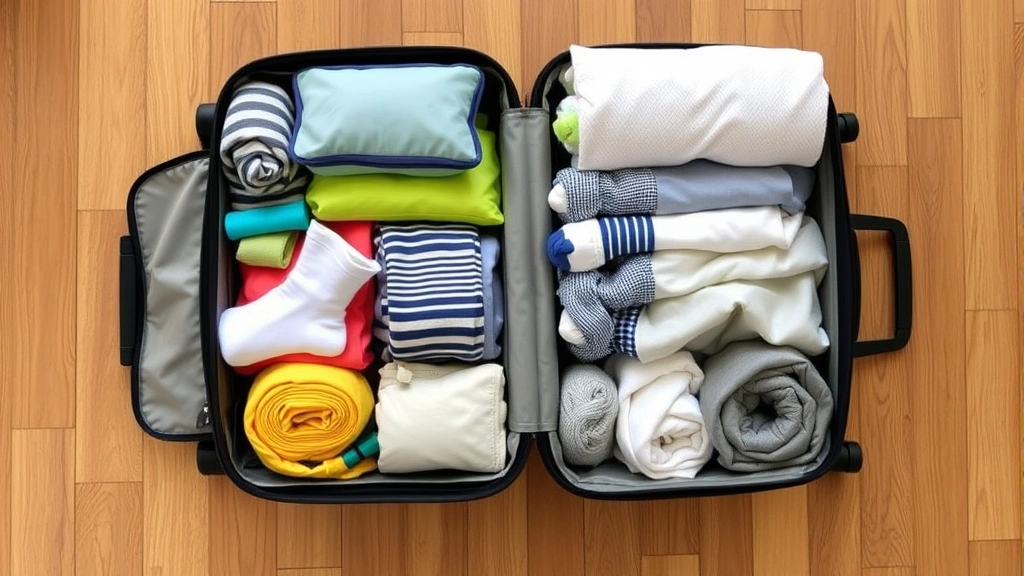
Implement the rolling method for clothing storage, which saves 30-40% more space than traditional folding. Roll shirts, pants, and lightweight jackets tightly, packing them vertically in your luggage. Place heavier items (shoes, toiletries) at the bottom, medium-weight items in the middle, and lighter items on top. This distribution prevents wrinkles and optimizes space utilization.
Create a “travel essentials” packing cube containing items needed during your flight: neck pillow, eye mask, noise-canceling earbuds, medications, and a change of clothes. Keep this cube in your carry-on for immediate access. Dedicate another cube to toiletries—TSA regulations permit containers of 3.4 ounces or smaller in carry-on luggage. Transfer full-size products into travel containers to comply with regulations while maintaining necessary hygiene items throughout your journey.
Electronics require careful packing to prevent damage and ensure security compliance. Pack electronics in a separate, easily accessible section of your carry-on. Remove laptops, tablets, and large electronics from your bag during TSA screening. Bring charging cables for all devices and consider a portable power bank (under 100Wh capacity for TSA compliance) to maintain battery life during layovers and ground exploration.
Documentation and Security Essentials
Comprehensive documentation preparation prevents airport delays and international travel complications. Begin with passport verification at least 6 months before your planned departure. Many countries require passports valid for a minimum of 6 months beyond your return date. If renewal is necessary, initiate the process immediately—standard passport renewals typically require 6-8 weeks.
Research visa requirements for your destination country thoroughly. Some nations require visas obtained weeks in advance, while others offer visa-on-arrival options. Consult official government websites or the U.S. State Department travel advisory site for accurate, up-to-date information. Create digital copies of all essential documents—passport, visa, travel insurance, flight confirmations—and store them in cloud-based services accessible from any internet-connected device.
Travel insurance deserves serious consideration, particularly for international journeys. Comprehensive policies cover medical emergencies, trip cancellations, lost luggage, and evacuation services. Review your existing health insurance to understand international coverage limitations. Many standard policies exclude international travel, making supplemental travel insurance invaluable.
TSA PreCheck or Global Entry programs significantly streamline airport security processes. TSA PreCheck ($78-85 for 5 years) allows you to pass through expedited security screening, keeping shoes and light jackets on while leaving laptops and liquids in your bag. Global Entry ($100 for 5 years) provides the same TSA PreCheck benefits plus expedited customs and immigration processing for U.S. citizens returning from international travel. These programs pay for themselves within 2-3 frequent flights.
Organize important contact information including your airline’s phone number, hotel confirmation details, embassy contact information for your destination country, and emergency contacts. Store this information both digitally and on printed backup documents. Airlines and hotels frequently require confirmation details during check-in processes.
Mental Preparation and Mindset
Travel anxiety affects millions of adventurers, ranging from mild nervousness to severe flight phobia. Address mental preparation with the same rigor as physical preparation. Acknowledge your travel concerns honestly—whether fear of flying, anxiety about navigating unfamiliar places, or worry about missing home. Understanding specific anxieties enables targeted coping strategies.
Meditation and breathing exercises provide powerful tools for managing travel stress. Practice the 4-7-8 breathing technique: breathe in for 4 counts, hold for 7 counts, exhale for 8 counts. This pattern activates your parasympathetic nervous system, promoting relaxation. Dedicate 10-15 minutes daily during the week before your flight to meditation practice, establishing a mental resilience foundation.
Research your destination thoroughly to build confidence and excitement. Study maps, identify must-see attractions, research local customs, and learn basic phrases in the local language. This preparation transforms an unfamiliar destination into an exciting, navigable environment. Reading travel blogs and watching destination videos creates mental familiarity that reduces anxiety while building anticipation.
Establish realistic expectations about travel experiences. Perfect trips exist only in movies—expect minor inconveniences, unexpected discoveries, and unplanned detours. Flexibility and adaptability transform potential frustrations into memorable adventures. Approach your journey with curiosity rather than rigid itineraries, allowing spontaneity to enhance your experience.
Health Considerations for Altitude
Many popular destinations exist at significant elevations—Denver sits at 5,280 feet, Mexico City at 7,382 feet, and La Paz, Bolivia at 11,975 feet. Altitude affects oxygen availability, potentially causing altitude sickness characterized by headaches, nausea, fatigue, and shortness of breath. Understanding how to prepare for altitude sickness ensures safe enjoyment of high-elevation destinations.
Arrive at high-altitude destinations 1-2 days before engaging in strenuous activities. This acclimatization period allows your body to adjust oxygen levels naturally. During acclimatization, limit physical exertion, avoid alcohol, and increase water consumption. Sleep at lower elevations when possible—if traveling to Denver from Las Vegas, spend your first night in Denver rather than immediately ascending higher.
Medication options exist for serious altitude concerns. Acetazolamide (Diamox) prescribed by physicians reduces altitude sickness symptoms by accelerating acclimatization. Begin taking medication 24 hours before arrival at high elevations, continuing for 2-3 days after arrival. Consult your physician about appropriateness for your specific health situation.
Nutrition and hydration become increasingly important at altitude. Carbohydrate-rich foods provide more efficient oxygen utilization than fats or proteins. Increase caloric intake by 20-30% at altitude, as your body burns additional energy during acclimatization. Avoid heavy meals that stress your digestive system; instead, eat frequent, smaller, nutrient-dense meals throughout the day.
Airport Navigation Mastery
Airports function as complex ecosystems with specific protocols, security requirements, and navigation challenges. Arrive at domestic airports 2 hours before departure, international airports 3 hours before departure. This buffer accommodates unexpected lines, security delays, and parking challenges while providing mental preparation time before your flight.
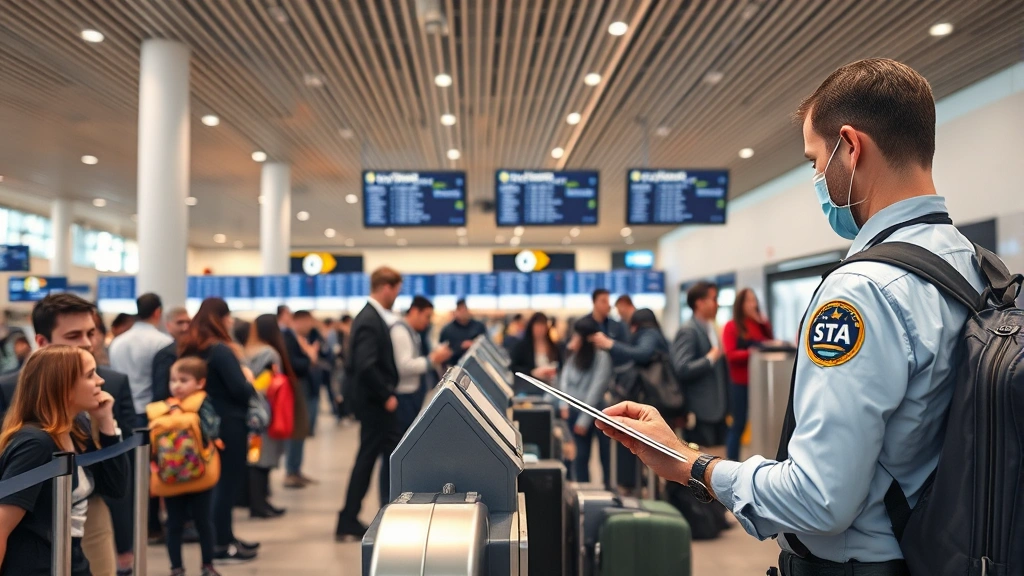
Understand TSA security procedures thoroughly. The “3-1-1 rule” governs carry-on liquids: containers holding 3.4 ounces or less, stored in a single quart-sized clear bag, one bag per passenger. Electronic devices larger than a standard smartphone must be removed for screening. Wear shoes easily removed and loosened, minimizing security line delays.
Study your airport’s layout before arrival using online maps and airport websites. Identify your airline’s departure terminal, locate security checkpoints, and note gate areas. This preparation prevents last-minute rushing and reduces stress. Many airports provide real-time information through mobile apps showing current security wait times.
After security screening, locate your departure gate and verify it hasn’t changed—gates frequently shift, particularly at large airports. Identify nearby restaurants, shops, and restrooms. Spend remaining time hydrating, eating light snacks, and mentally preparing for your flight rather than rushing through the airport.
Technology and Connectivity
Modern travel depends on reliable technology and connectivity. Purchase an international phone plan through your carrier or obtain a local SIM card upon arrival at your destination. Many countries offer prepaid SIM cards at airports for $15-30, providing affordable local connectivity. Alternatively, portable Wi-Fi devices (Mi-Fi) enable internet connectivity for multiple devices throughout your journey.
Download essential travel applications before departure: offline maps (Google Maps, Maps.me), translation tools (Google Translate), accommodation confirmation apps, airline apps, and payment applications. Offline functionality ensures access to critical information even without internet connectivity.
Establish backup charging solutions including a portable power bank, wall chargers compatible with your destination’s electrical outlets, and charging cables for all devices. Power bank capacity should exceed 10,000mAh for reliable multi-device charging. Consider purchasing a universal travel adapter accommodating various outlet types found globally.
Cloud storage services (Google Drive, Dropbox, OneDrive) provide secure document backup accessible from any device. Upload passport scans, travel insurance documents, flight confirmations, and hotel reservations to cloud storage, ensuring access if your physical documents are lost or damaged.
When planning flights from Denver to Los Angeles or other domestic routes, download airline apps providing real-time flight information, mobile boarding passes, and seat selection options. Mobile boarding passes eliminate paper dependency while providing flexibility for gate changes or schedule adjustments.
FAQ
What does “Remove Before Flight” actually mean on aircraft?
“Remove Before Flight” tags attach to aircraft components like pitot tubes, lens covers, and protective plugs that must be physically removed before the aircraft can safely operate. These tags ensure critical safety procedures aren’t overlooked during pre-flight inspections. The phrase has become a travel metaphor for removing unnecessary burdens before embarking on journeys.
How far in advance should I prepare for international travel?
Begin international travel preparation 3-6 months before departure. This timeline allows sufficient time for passport renewal if necessary, visa applications if required, travel insurance comparison and purchase, and comprehensive destination research. For specialized trips (climbing expeditions, remote location travel), extend preparation to 6-12 months.
What’s the most important item to pack for any flight?
A neck pillow significantly improves flight comfort, particularly for flights exceeding 4 hours. Memory foam neck pillows provide superior support compared to standard pillows, reducing neck strain during sleep and extended sitting. Pair your neck pillow with an eye mask and noise-canceling earbuds for optimal in-flight rest.
Can I prevent jet lag entirely?
Complete jet lag prevention isn’t possible, but strategic preparation minimizes its severity. Begin adjusting your sleep schedule 3-5 days before departure, moving bedtime toward your destination’s timezone. Upon arrival, expose yourself to natural daylight during morning hours (eastbound travel) or evening hours (westbound travel) to reset your circadian rhythm. Melatonin supplements (0.5-3mg taken 30 minutes before desired sleep time) facilitate adjustment without significant side effects.
What health precautions should I take for unfamiliar destinations?
Consult your physician or travel medicine specialist 4-6 weeks before departure, particularly for travel to developing nations. Recommended vaccinations vary by destination—consult the CDC travel health information site for destination-specific requirements. Carry prescription medications in original labeled containers with copies of prescriptions. Consider travel insurance covering medical evacuation and emergency medical expenses.
How can I stay healthy during long flights?
Movement is essential for flight health. Every 1-2 hours, stand and walk the cabin for 5-10 minutes. Perform in-seat exercises including ankle circles, leg lifts, and torso twists to maintain circulation. Compression socks, consistent hydration, and avoiding excessive alcohol and caffeine all contribute to flight wellness. Aisle seats facilitate easier movement compared to middle or window seats.