LA to Tokyo Flight Duration? Expert Insights
Planning a journey from Los Angeles to Tokyo is an exciting adventure that requires understanding flight logistics and what to expect during your transpacific voyage. The LA to Tokyo flight time is one of the most frequently asked questions by travelers heading to Japan’s vibrant capital, and the answer involves more than just a simple number. Whether you’re a first-time flyer or a seasoned traveler, knowing the exact duration, factors affecting your journey, and practical tips can transform your travel experience from stressful to seamless.
The direct flight from Los Angeles International Airport (LAX) to Narita International Airport (NRT) or Haneda Airport (HND) typically takes between 11 to 12 hours of actual flight time. However, the total travel experience—including pre-flight procedures, boarding, taxiing, and post-arrival processes—can extend your journey to 13-15 hours or more. Understanding these nuances helps you prepare mentally and physically for what lies ahead, ensuring you arrive in Tokyo refreshed and ready to explore.
This comprehensive guide breaks down everything you need to know about flying from LA to Tokyo, from flight duration specifics to insider tips that seasoned travelers swear by. Whether you’re heading to Tokyo for business, adventure, or cultural immersion, this article equips you with the knowledge to make informed decisions about your transpacific journey.
Actual Flight Duration Explained
When discussing flight time from LA to Tokyo, precision matters. The distance between Los Angeles and Tokyo is approximately 5,478 miles (8,813 kilometers) across the Pacific Ocean. At typical cruising speeds of 450-500 knots (518-575 mph), this translates to roughly 11 hours of airtime on a nonstop flight. Most major carriers operating this route—including ANA (All Nippon Airways), Japan Airlines (JAL), and American Airlines—schedule flights with an estimated flight duration of 11 to 12 hours.
However, several variables influence the actual time you’ll spend in the air. Jet streams, particularly the powerful westbound currents over the Pacific, can add 30 minutes to an hour to eastbound flights (LA to Tokyo). Conversely, the jet stream aids westbound flights significantly, which is why return flights from Tokyo to LA are typically 1-2 hours shorter. Wind patterns, seasonal weather variations, and air traffic routing all contribute to minor fluctuations in your journey duration.
It’s important to distinguish between block time (gate-to-gate) and flight time (wheels-up to wheels-down). Airlines typically publish block times of 11-12 hours, but the actual flying time might be slightly less. Your scheduled departure and arrival times account for ground operations, making the total elapsed time what you’ll actually experience from leaving your seat at LAX to arriving at your Tokyo gate.
Factors Affecting Your Flight Time
Understanding what influences your LA to Tokyo travel duration helps you set realistic expectations. Several key factors come into play:
- Jet Stream Position: The North Pacific jet stream is the most significant variable. During winter months, stronger jet streams can add considerable time to eastbound flights, while summer months typically see faster eastbound travel.
- Weather Patterns: Severe weather systems, particularly typhoons in the Pacific region during late summer and fall, may force aircraft to take alternate routes, extending flight times by 30 minutes to over an hour.
- Air Traffic Control Routing: Congestion over the Pacific and arrival procedures at Tokyo’s busy airports can affect your overall journey time. Peak travel seasons mean longer queues for landing slots.
- Aircraft Type: Modern aircraft like the Boeing 787 Dreamliner and Airbus A350 are slightly faster and more efficient than older models, potentially reducing flight time by 15-20 minutes.
- Departure Time: Early morning or late evening departures may experience different atmospheric conditions and jet stream positions compared to midday flights.
- Flight route optimization by airlines continues to improve efficiency on long-haul routes.
Additionally, the specific departure and arrival airports matter. Haneda Airport (HND), Tokyo’s primary international hub, is closer to central Tokyo than Narita (NRT), and flights to Haneda may have slightly different routing than those to Narita, affecting total flight duration by 10-15 minutes.
Airlines Operating LA to Tokyo Routes
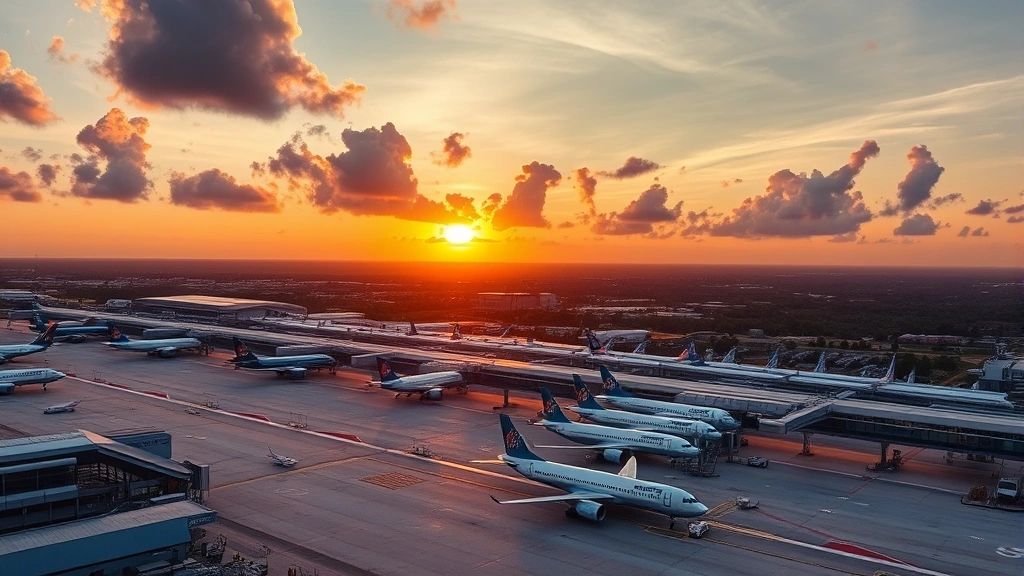
Several major carriers operate the lucrative LA-Tokyo route, each with varying aircraft and service offerings that can subtly affect your travel experience. All Nippon Airways (ANA) operates multiple daily flights with their modern fleet, consistently maintaining their published flight times. Japan Airlines (JAL) similarly offers reliable service with competitive flight durations. American Airlines, United Airlines, and Delta also serve this route with codeshare agreements and their own aircraft.
Each airline maintains slightly different approaches to flight planning and routing. Some carriers may request more direct routing from air traffic control, while others follow established oceanic tracks. The aircraft type significantly impacts the experience—carriers investing in newer wide-body jets like the Boeing 787 Dreamliner offer superior cabin pressure, humidity control, and window displays that make the journey feel shorter.
Budget carriers and premium full-service airlines both operate this route, though premium carriers typically offer better in-flight amenities that help pass the time more comfortably. When booking, consider not just the published flight time but also the airline’s reputation for on-time performance and passenger comfort on long-haul flights.
Preparing for the Long Flight
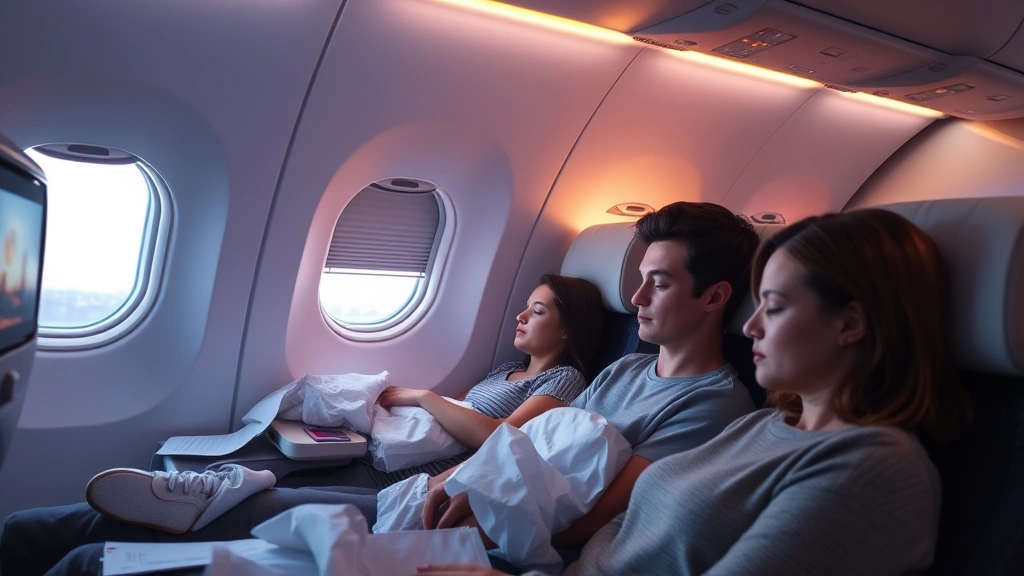
An 11-12 hour flight demands proper preparation to arrive in Tokyo feeling reasonably fresh. Start your preparation days before departure. Adjust your sleep schedule gradually toward Tokyo time (17 hours ahead of Los Angeles) beginning 2-3 days before your flight. This reduces jet lag severity significantly.
Pack strategically for the journey. Compression socks prevent deep vein thrombosis (DVT) on long flights and reduce leg swelling. Bring a neck pillow, eye mask, and noise-canceling headphones—these items transform your comfort level dramatically. Many experienced travelers recommend packing a small toiletries bag in your carry-on for freshening up before arrival.
Hydration is critical on transpacific flights. The cabin air is extremely dry, and dehydration exacerbates jet lag. Drink 8-10 ounces of water every hour you’re awake—avoid excessive alcohol and caffeine, which dehydrate further. Some travelers swear by melatonin supplements (consult your doctor first) taken at appropriate times to reset their circadian rhythm.
Consider your flight timing strategy. Overnight flights (departing LA in the evening, arriving Tokyo in the morning) align better with your body’s natural sleep cycle for many travelers. Daytime flights offer more daylight for sleep if you’re naturally a daytime sleeper. There’s no universally perfect option—choose based on your personal sleep patterns.
If you’re concerned about the physical demands of such a long flight, understanding flight duration across various distances helps you prepare appropriately for this specific journey.
Time Zone Considerations
Tokyo operates on Japan Standard Time (JST), which is 17 hours ahead of Pacific Daylight Time (PDT) or 16 hours ahead of Pacific Standard Time (PST). This significant time difference deserves careful consideration when planning your LA to Tokyo journey.
If you depart Los Angeles at 10:00 PM on Monday, your 11-hour flight plus the time zone change means you’ll arrive in Tokyo around 3:00 PM on Wednesday—you essentially skip an entire day. This dramatic time shift affects your body’s circadian rhythm significantly. Most travelers experience jet lag for 3-7 days, with eastbound travel (LA to Tokyo) generally causing more severe jet lag than westbound returns.
Strategic timing helps minimize jet lag impact. Arriving in Tokyo in the morning allows you to stay awake through the day, helping reset your internal clock faster. Arriving in the evening tempts you to sleep immediately, which can prolong adjustment. Exposure to natural sunlight in Tokyo accelerates circadian rhythm adjustment—spend your first day outdoors as much as possible.
Consider taking a longer flight with a connection if it means arriving at a more favorable time for your schedule, even if total travel time increases by a few hours.
Airport Information and Procedures
Understanding airport procedures at both ends of your journey adds significant value to your travel planning. Los Angeles International Airport (LAX) is one of America’s busiest airports—arrive 3-4 hours before your international departure for adequate time through security and to your gate. Peak travel times (early morning, evening) mean longer security lines.
Haneda Airport (HND) is Tokyo’s primary international hub and recently expanded significantly. It’s located just 14 kilometers (9 miles) east of central Tokyo, making ground transportation quick and convenient. Narita International Airport (NRT), located 60 kilometers (37 miles) east of Tokyo, requires longer transfers to the city center, though it’s generally less crowded than Haneda.
Both Tokyo airports feature excellent facilities, free WiFi, and efficient immigration/customs procedures. The immigration process typically takes 15-30 minutes depending on crowd levels. Japanese customs is generally straightforward for tourists—declare any restricted items and have your passport ready.
Pre-arrival planning matters tremendously. Research ground transportation options in advance. The Narita Express (N’EX) and Keisei Skyliner trains connect Narita to central Tokyo, while the Tokyo Monorail and Keisei Express serve Haneda. Booking accommodations near train stations simplifies your arrival logistics significantly.
In-Flight Comfort Strategies
Maximizing comfort during your 11-12 hour flight dramatically improves your arrival condition and overall experience. Seat selection is paramount—aisle seats allow you to move freely without disturbing seatmates, crucial for preventing DVT and maintaining circulation. Avoid middle seats at all costs; the extra legroom of exit rows justifies the premium cost for long-haul flights.
In-flight entertainment systems on modern aircraft offer hundreds of movies, TV shows, games, and music options. Creating a diverse entertainment plan prevents boredom. Mix movies with lighter content, games, and music to keep your mind engaged without mental fatigue.
Movement is essential on 11-12 hour flights. Get up every 2-3 hours and walk the aisles—even short walks significantly reduce DVT risk. Perform simple exercises at your seat: ankle circles, leg lifts, shoulder rolls, and neck stretches. Compression socks provide additional DVT prevention.
Meal timing can help with jet lag adjustment. Eat light meals and avoid heavy foods that disrupt sleep. Skip the airline meal if you want to sleep—bring your own snacks (nuts, dried fruit, protein bars) to maintain energy without digestive disruption. Many experienced travelers fast during the flight to reset their eating schedule to Tokyo time.
Temperature control matters more than many realize. Bring a light blanket or request one from flight attendants. The cabin temperature varies throughout the flight—layering allows adjustment without being uncomfortable. A change of clothes in your carry-on lets you freshen up mid-flight without accessing checked luggage.
Consider upgrading to business or premium economy if your budget allows. Business class on this route offers lie-flat seats, superior meals, and amenities that make the long flight genuinely comfortable. Premium economy provides extra legroom and better meals at a fraction of business class cost. For budget-conscious travelers, the standard economy experience is manageable with proper preparation.
Headphones are non-negotiable for long-haul flights. Noise-canceling headphones reduce cabin noise by 15-20 decibels, making sleep significantly easier. Modern options like Sony WH-1000XM5 or Bose QuietComfort 45 are worth the investment for frequent long-haul travelers.
FAQ
How long is a nonstop flight from LA to Tokyo?
A nonstop flight from Los Angeles to Tokyo takes approximately 11 to 12 hours of actual flight time. Total travel time from leaving your seat at LAX to arriving at your Tokyo gate typically ranges from 12 to 13 hours, depending on air traffic, weather, and specific routing. The distance of approximately 5,478 miles is covered at cruising speeds of 450-500 knots.
Are there connecting flights from LA to Tokyo?
Yes, connecting flights exist but are rarely chosen for this route since nonstop service is readily available and frequent. Connections through hubs like Honolulu, San Francisco, or Seoul would extend your total travel time to 16-20+ hours, making the nonstop option significantly superior. Most travelers prefer the convenience and speed of direct flights.
Which airline has the fastest flights from LA to Tokyo?
All major carriers (ANA, JAL, American, United, Delta) operate similar aircraft on this route with nearly identical flight times. Variations of 10-15 minutes are negligible and depend more on specific routing and weather than airline choice. Select based on price, schedule, frequent flyer benefits, and reputation rather than expecting significant time differences.
What’s the best time to fly to Tokyo to minimize jet lag?
Evening departures from LA (arriving Tokyo morning) generally work best for most travelers. This allows you to sleep during the flight and arrive with daylight ahead to stay awake and adjust. However, personal sleep patterns vary—night owls may prefer daytime departures. Arriving in daylight and spending time outdoors accelerates circadian adjustment regardless of departure time.
How much does jet lag affect travelers on LA to Tokyo flights?
Most travelers experience 3-7 days of jet lag after eastbound LA-Tokyo flights. Symptoms include fatigue, difficulty sleeping, and digestive issues. Younger travelers typically adapt faster than older travelers. Strategic timing of meals, light exposure, and melatonin use can reduce jet lag severity. Staying hydrated and avoiding alcohol/excessive caffeine during flight helps significantly.
Can I break up the flight with a connection?
While possible, connecting flights significantly extend your total travel time without substantial benefit since nonstop service is readily available and frequent. A connection through Honolulu might reduce flight time marginally but adds airport procedures, baggage handling, and layover time, making the journey longer overall. Nonstop flights are superior for this route.
What should I pack for an 11-hour flight to Tokyo?
Pack compression socks, neck pillow, eye mask, noise-canceling headphones, and a small toiletries kit in your carry-on. Bring entertainment (books, tablet with downloaded content), snacks, and an empty water bottle to fill after security. A light sweater or blanket layer helps with temperature fluctuations. Consider bringing a change of clothes for freshening up before arrival.
Is business class worth it for the LA-Tokyo flight?
Business class on this route offers lie-flat seats, superior meals, better entertainment systems, and amenities that genuinely improve the experience on an 11-12 hour flight. If budget allows, many frequent travelers consider it worthwhile. Premium economy offers a middle ground with extra legroom and better meals at significantly lower cost than business class.