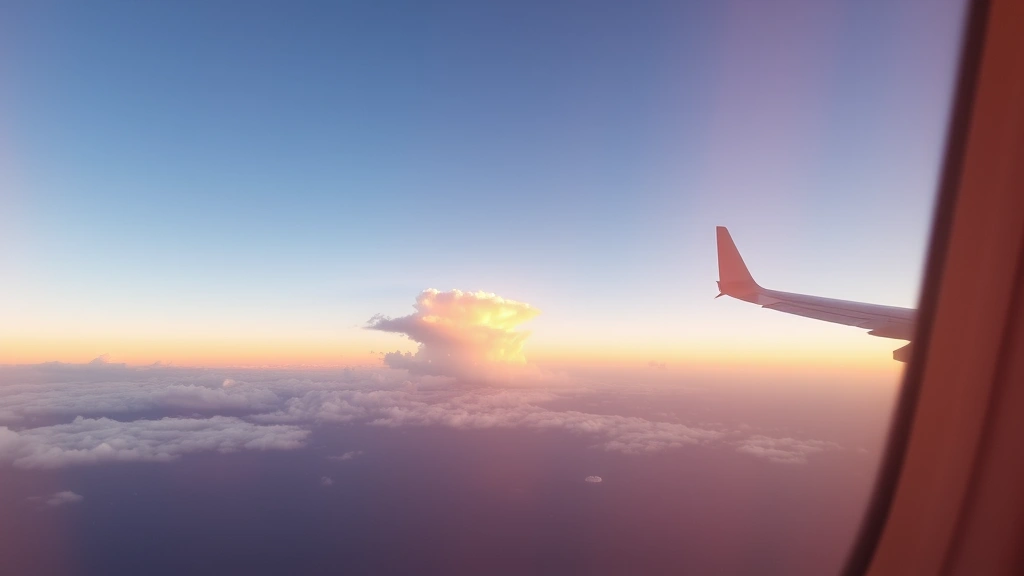
LA to Tokyo Flight Time: Complete Airline Insights & Travel Guide
Planning a journey from Los Angeles to Tokyo? Understanding flight times is crucial for organizing your adventure across the Pacific. The direct flight from LAX to Narita or Haneda typically takes 11 to 12 hours, making it one of the longest domestic-to-international routes from the US West Coast. However, actual flight duration depends on numerous factors including airline choice, aircraft type, weather patterns, and jet stream conditions.
Tokyo awaits with its neon-lit streets, ancient temples, and culinary wonders. Whether you’re a first-time visitor or returning traveler, knowing what to expect during your flight helps you arrive refreshed and ready to explore. This comprehensive guide breaks down everything you need to know about flying from LA to Tokyo, from airline options to practical tips for conquering the long-haul journey.
Direct Flight Duration & Factors Affecting Travel Time
The standard LA to Tokyo flight time hovers around 11 to 12 hours for direct flights. This distance spans approximately 5,478 miles across the Pacific Ocean. However, this figure isn’t set in stone—several variables influence actual flight duration.
Jet stream winds play a significant role in determining flight times. When flying westbound from Los Angeles to Tokyo, aircraft fly against the jet stream, which can add 30 minutes to an hour to your journey. Conversely, eastbound return flights benefit from tailwinds, often arriving faster. Seasonal variations mean winter flights may experience stronger headwinds than summer routes.
Aircraft type matters considerably. Boeing 777 and Boeing 787 Dreamliners operate most LA-Tokyo routes, with the 787 offering slightly faster cruise speeds. The 777 remains a workhorse on this route, providing excellent comfort for the long haul. Airbus A350 aircraft also service this corridor with impressive efficiency.
Weather patterns, particularly typhoon season in the Western Pacific, can force aircraft to take slightly longer routes, adding minutes to your flight. Air traffic control routing also affects duration—busy periods may result in holding patterns or altitude restrictions that extend travel time by 15-30 minutes.
Major Airlines Operating LA-Tokyo Route
Several world-class carriers offer direct service from Los Angeles to Tokyo, each bringing unique advantages:
- Japan Airlines (JAL) operates multiple daily flights from LAX to both Haneda and Narita, offering premium Japanese hospitality and excellent in-flight dining featuring authentic Japanese cuisine.
- All Nippon Airways (ANA) provides frequent daily service with modern aircraft and consistently high customer satisfaction ratings. ANA’s Haneda flights are particularly convenient.
- United Airlines offers competitive pricing on the LA-Tokyo route with multiple daily departures, making it accessible for budget-conscious travelers.
- American Airlines partners with Japanese carriers to provide seamless connections and competitive flight times.
- Delta Air Lines maintains regular service with connections through their Pacific hub system.
When comparing airlines, consider factors beyond flight time. Seat pitch (legroom), meal quality, entertainment systems, and baggage allowances vary significantly. Japanese carriers typically excel in service quality, while American carriers often offer better frequent flyer integration for US-based travelers.
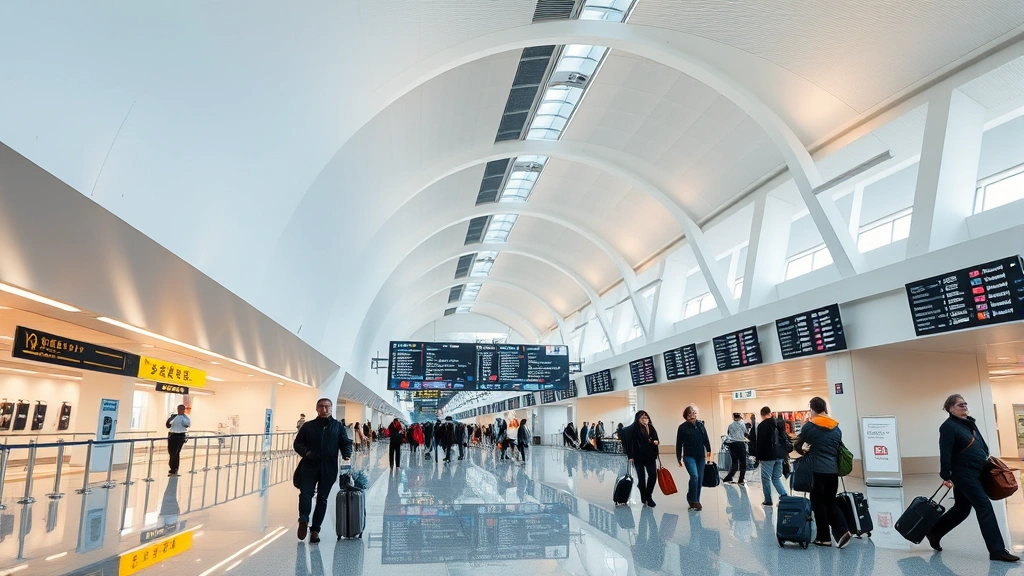
Airport Information: LAX and Tokyo Airports
Los Angeles International Airport (LAX) serves as your departure point. Located 16 miles southwest of downtown LA, LAX handles over 80 million passengers annually. Most international flights depart from the Tom Bradley International Terminal. Allow 3-4 hours for check-in, security, and boarding on international flights.
Tokyo offers two major airports: Haneda (HND) and Narita (NRT). Haneda Airport is the newer, more convenient option, located just 14 kilometers east of central Tokyo. Most modern flights prefer Haneda due to its proximity to the city and superior facilities. Narita, while farther away (60 kilometers east), remains operational and handles significant international traffic.
Haneda features three terminals with excellent connectivity to central Tokyo via the Narita Express (N’EX) and Keisei Skyliner trains—reaching Shinjuku in just 60 minutes. The airport boasts exceptional amenities, including onsen (hot spring) facilities, excellent dining, and shopping. This makes Haneda the preferred destination for most travelers.
If your flight arrives at Narita, budget 60-90 minutes for ground transportation to central Tokyo. The Narita Express train takes approximately 60 minutes to Tokyo Station, while the Keisei Skyliner offers faster service to Ueno.
Flight Schedules & Frequency
Direct flights between Los Angeles and Tokyo operate daily with multiple departures. Typically, you’ll find 4-6 daily direct flights from LAX, with the majority arriving at Haneda. Flight frequencies increase during peak travel seasons (spring cherry blossom season and summer vacation periods).
Most westbound flights depart LAX in the evening (5 PM to 11 PM) and arrive in Tokyo the following morning (9 AM to 2 PM local time). This schedule works well for business travelers and tourists, allowing you to check into hotels by afternoon. Evening departures mean you can spend your final LA morning exploring the city before heading to the airport.
Return flights from Tokyo typically depart in the evening and arrive in Los Angeles the same day (due to crossing the International Date Line and favorable westbound jet streams). This convenient timing allows you to maximize your time in Tokyo, departing in the evening and returning to LA the same calendar day.
Booking flexibility matters—prices fluctuate significantly based on travel dates. Mid-week flights (Tuesday-Thursday) generally offer better rates than weekend departures. Advance booking (6-8 weeks ahead) typically yields the best fares.
Jet Lag & Time Zone Considerations
Tokyo operates 17 hours ahead of Los Angeles. This significant time difference creates substantial jet lag challenges, particularly for westbound travelers. When you land in Tokyo at 10 AM, your body thinks it’s 5 PM the previous day—potentially devastating for your first days.
Strategic jet lag management begins before departure. Gradually shift your sleep schedule 3-4 days before travel, going to bed earlier and waking earlier. During your flight, try sleeping during Tokyo’s nighttime hours (roughly 10 PM to 8 AM Tokyo time), even if it’s afternoon in LA.
Light exposure heavily influences circadian rhythm adjustment. Upon arrival in Tokyo, seek bright morning sunlight immediately to reset your internal clock. Avoid napping the first day, even if exhausted—push through until local bedtime. By day three, most travelers adjust completely.
Melatonin supplements can assist adjustment, though timing matters. Consult travel medicine resources or your physician for personalized recommendations. Staying hydrated during your flight and avoiding excessive alcohol helps minimize jet lag symptoms.
Return flights to LA are typically easier—your body naturally wants to stay awake longer, aligning better with westbound travel. Many travelers experience minimal jet lag heading back to California.
Tips for Long-Haul Comfort
Surviving an 11-12 hour flight requires strategic planning. Dress in comfortable, loose-fitting clothing—avoid tight jeans and restrictive belts. Compression socks reduce blood clot risk on long flights while improving circulation. Many airlines provide them complimentary in premium cabins.
Seat selection significantly impacts comfort. Window seats allow you to sleep against the fuselage, while aisle seats offer easier bathroom access and legroom. Bulkhead seats provide extra space but lack under-seat storage. Exit row seats offer maximum legroom on most aircraft.
In-flight movement prevents deep vein thrombosis (DVT) and reduces stiffness. Walk the aisles every 2-3 hours, perform seated stretches, and rotate your ankles regularly. These simple movements dramatically improve how you feel upon arrival.
Bring noise-canceling headphones—they’re transformative for long flights. Quality sleep masks and neck pillows significantly enhance rest quality. Many experienced travelers swear by compression socks, eye masks, and earplugs as essential long-haul gear.
Request aisle seats if you need frequent bathroom breaks. Stay hydrated by drinking water consistently—aim for 8 ounces every hour. Avoid excessive caffeine and alcohol, which dehydrate your body and disrupt sleep patterns. The cabin environment is extremely dry; moisturizer and lip balm prevent uncomfortable chapping.
Entertainment systems on modern aircraft offer hundreds of movies, TV shows, and games. Download offline content to your tablet as backup. Bring a book, journal, or puzzle book for variety. Many find productive work or reading more satisfying than passive screen time.

Connecting Flights & Alternative Routing
While direct flights are fastest, connecting flights sometimes offer better prices or more convenient schedules. Common connection points include Honolulu, Seoul, or other Pacific hubs. However, these typically add 4-8 hours to your total travel time, making them less appealing unless cost savings justify the inconvenience.
If you’re flexible, consider connecting through Seattle or other West Coast hubs if prices differ dramatically. Some travelers combine this with exploring intermediate destinations—flying LA to Seattle, then Seattle to Tokyo, allowing a Pacific Northwest adventure.
Budget airlines occasionally offer cheaper connections, but factor in hotel costs for overnight layovers. Usually, direct flights provide better overall value when considering time and convenience. Compare total journey duration, not just ticket price, when evaluating alternatives.
Booking Your Flight
Booking strategies significantly impact your LA to Tokyo flight experience and cost. Use flight comparison websites to monitor fares across multiple airlines and dates. Set up price alerts for your preferred travel dates—prices often drop when demand decreases.
Tuesday and Wednesday typically offer cheaper fares than weekend travel. Flying mid-month often beats beginning-of-month prices. Book 6-8 weeks in advance for optimal pricing, though flexibility can yield last-minute deals.
Frequent flyer programs provide tremendous value on this premium route. If you accumulate points through credit cards or airline memberships, this route offers excellent redemption value. Premium cabin upgrades are particularly worthwhile on 11-hour flights.
Consider fare types carefully. Basic economy saves money but eliminates seat selection and carry-on bags. Premium economy offers superior comfort—wider seats, better meals, and extra amenities—at reasonable prices. Business class provides lie-flat beds, gourmet dining, and superior service, transforming the flight into part of your vacation rather than just transportation.
Travel insurance protects against flight cancellations, particularly important during typhoon season (August-October). Many credit cards provide trip protection—verify your coverage before purchasing separate insurance.
When booking, compare direct routing options and connecting flight alternatives to ensure you’re selecting the optimal itinerary for your needs and budget.
FAQ
How long is a direct flight from Los Angeles to Tokyo?
Direct flights typically take 11 to 12 hours. Westbound flights (LA to Tokyo) usually run longer due to headwinds, while eastbound return flights often complete in 11 hours or less thanks to jet stream assistance.
Which airlines offer the best service on this route?
Japan Airlines (JAL) and All Nippon Airways (ANA) consistently receive highest marks for service quality, meal offerings, and hospitality. American carriers like United and Delta offer competitive pricing and convenient scheduling. Choose based on your priorities: premium service versus cost savings.
Should I fly into Haneda or Narita?
Haneda is strongly preferred. It’s closer to central Tokyo (14 km versus 60 km), offers superior transportation connections, and features better facilities. Most modern flights serve Haneda exclusively. If you must use Narita, budget extra time and transportation costs.
What’s the best way to manage jet lag?
Gradually adjust your sleep schedule before departure, sleep during Tokyo’s nighttime hours during the flight, seek bright sunlight immediately upon arrival, and avoid napping the first day. Melatonin supplements may help—consult your physician for personalized advice.
When should I book my flight for the best price?
Book 6-8 weeks in advance for optimal pricing. Travel mid-week (Tuesday-Thursday) and mid-month for cheaper fares. Set up price alerts to catch deals, and consider flying during shoulder seasons (April-May or September-October) for better rates than peak summer.
Is premium economy worth it on this long flight?
Absolutely. For an 11-12 hour flight, premium economy’s wider seats, better meals, and extra amenities provide meaningful comfort improvements at a fraction of business class costs. Many travelers find it an excellent value for long-haul flights.
Can I get a direct flight from LAX every day?
Yes, multiple daily direct flights operate between LAX and Tokyo (primarily Haneda). You’ll typically find 4-6 direct options daily, providing excellent flexibility for scheduling.
What should I pack for an 11-hour flight?
Pack compression socks, noise-canceling headphones, eye mask, neck pillow, moisturizer, and comfortable clothing. Bring entertainment (books, tablet, or downloaded content), medications, and toiletries in carry-on luggage. Consider a small blanket or travel shawl for extra warmth.


