LA to Tokyo Flight Time: Frequent Flyer Insight
The journey from Los Angeles to Tokyo represents one of the most iconic transpacific routes in aviation, connecting two vibrant megacities separated by nearly 5,500 miles of ocean. For frequent flyers, business travelers, and adventure seekers planning this route, understanding the exact flight duration and what to expect is crucial for making the most of your journey. This comprehensive guide breaks down everything you need to know about flying from Los Angeles International Airport (LAX) to Tokyo’s two major airports: Narita International Airport (NRT) and Haneda Airport (HND).
Whether you’re a seasoned traveler or embarking on your first Pacific crossing, the LA to Tokyo flight time significantly impacts your travel planning, jet lag recovery, and overall trip experience. Modern aircraft have made this journey faster and more comfortable than ever before, but several factors influence your actual flight duration and the quality of your experience at 35,000 feet.
Standard Flight Duration
The typical nonstop flight time from Los Angeles to Tokyo ranges between 11 to 12 hours, with most flights averaging around 11 hours and 30 minutes. This duration applies to flights heading to either Haneda Airport (the closer and more convenient option) or Narita International Airport. The actual flight time depends on wind patterns, routing, and specific flight conditions on any given day.
Westbound flights (LA to Tokyo) typically take slightly longer than eastbound flights due to prevailing headwinds at cruising altitude. The jet stream, a river of fast-moving air in the upper atmosphere, can add or subtract up to an hour from your flight time depending on its position and strength. During winter months, the jet stream is typically stronger and positioned further south, which can extend flight times by 30 to 60 minutes.
If you’re considering connecting flights, expect total travel time of 14 to 18 hours depending on your layover duration and connection airport. Common connection points include cities like major hub airports where you might find competitive fares, though nonstop options are generally more convenient for this distance.
Factors Affecting Flight Time
Several critical variables influence how long your LA to Tokyo flight will actually take. Understanding these factors helps you better plan your trip and set realistic expectations for arrival times.
- Jet Stream Position: The polar jet stream significantly impacts westbound Pacific flights. When positioned favorably, it can reduce flight time by 30-45 minutes; when unfavorable, it can extend your journey by similar amounts.
- Seasonal Variations: Winter flights tend to be longer due to stronger jet streams, while summer flights may be slightly shorter with weaker upper-level winds.
- Routing and Air Traffic: Actual flight paths may vary based on real-time air traffic control instructions and weather avoidance, occasionally adding time to your journey.
- Aircraft Type: Newer, more efficient aircraft like the Boeing 787 Dreamliner typically cruise faster and more efficiently than older models, potentially saving 15-20 minutes.
- Weight and Fuel Load: The amount of cargo, passengers, and fuel loaded onto the aircraft affects performance and flight time slightly.
- Weather Systems: Storms or turbulent weather may require altitude adjustments or routing changes that impact total flight duration.
Aircraft Types and Comfort
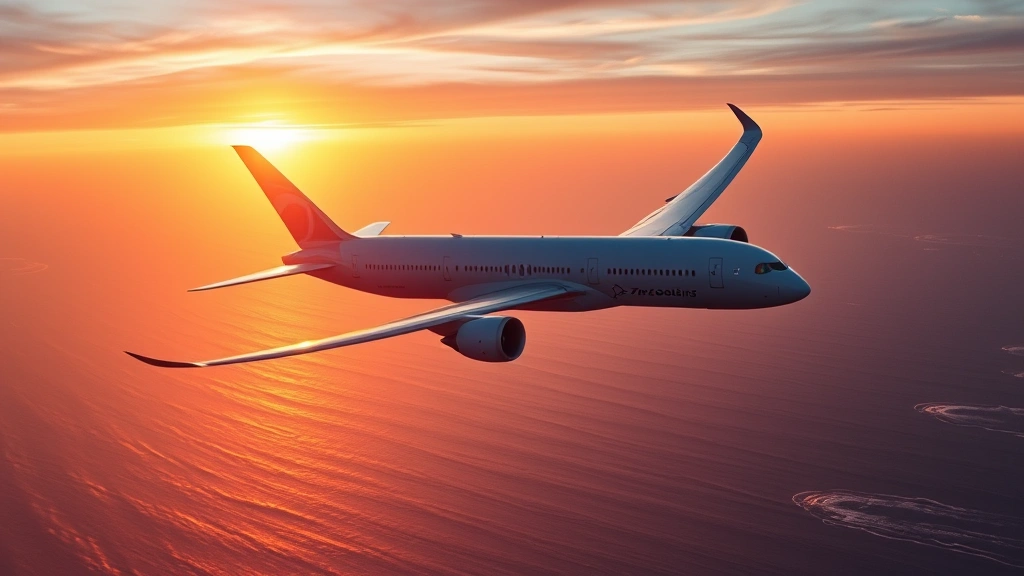
The aircraft operating the LA to Tokyo route significantly impacts your comfort during this 11+ hour journey. The Boeing 787 Dreamliner has become the gold standard for this route, offering revolutionary passenger comfort features designed specifically for long-haul flights.
Boeing 787 Dreamliner: This aircraft dominates the LA-Tokyo market with its advanced cabin technology. Features include higher cabin pressure (equivalent to 6,000 feet instead of 8,000 feet), larger windows with electronic dimming, improved humidity control, and superior air filtration. The wider cabin and larger windows reduce fatigue significantly on ultra-long flights.
Boeing 777-300ER: An excellent workhorse for this route, offering spacious seating configurations and reliable performance. While slightly older than the 787, it provides excellent comfort for the journey with modern cabin amenities.
Airbus A350: Some carriers deploy this modern aircraft on LA-Tokyo routes, offering similar benefits to the 787 with excellent fuel efficiency and cabin comfort features.
When booking, prioritize flights on these newer aircraft types. The difference in comfort over 11+ hours is genuinely noticeable, particularly regarding cabin pressure, humidity, and overall cabin environment. Check your airline’s fleet information before purchasing tickets to ensure you’re on a modern wide-body aircraft.
Managing Jet Lag on Long Hauls
With an 17-hour time difference between Los Angeles and Tokyo, jet lag management becomes critical for your trip’s success. The westbound journey (LA to Tokyo) is generally easier on your body than the eastbound return, as you’re “gaining time” and working with your body’s natural tendency to stay awake longer.
Before Departure: Begin adjusting your sleep schedule 3-4 days before departure. If flying westbound to Tokyo, gradually stay up later and expose yourself to evening light. This primes your circadian rhythm for the time change ahead.
During the Flight: Wear a quality neck pillow for long flights and use the airline-provided sleep amenities. Set your watch to Tokyo time immediately after takeoff and eat meals according to Tokyo’s schedule rather than LA time. This psychological shift helps your body adjust faster.
Light Exposure Strategy: Light is your most powerful circadian rhythm tool. On westbound flights, avoid sleeping during the first 6-8 hours of flight when it’s still daytime in LA. Then sleep during the latter portion when it’s nighttime back home but daytime approaching in Tokyo. This timing helps your body transition naturally.
Hydration and Nutrition: Stay exceptionally well-hydrated throughout the flight, as cabin air is extremely dry at cruising altitude. Avoid excessive alcohol and caffeine, which can disrupt sleep quality and worsen jet lag symptoms.
Arrival Protocol: Upon arrival in Tokyo, expose yourself to bright morning sunlight immediately. This single action is perhaps the most powerful jet lag recovery tool available. Spend your first day outdoors, exercise lightly, and maintain normal meal times according to local schedules.
Airlines Operating This Route
Several major carriers operate nonstop flights between Los Angeles and Tokyo, each offering different service levels and frequent flyer benefits.
- ANA (All Nippon Airways): Japan’s largest carrier with excellent service standards, premium cabin products, and convenient Haneda Airport arrivals. Their frequent flyer program offers strong benefits for Pacific routes.
- Japan Airlines (JAL): Japan’s legacy carrier with premium service, excellent loyalty program benefits, and consistent on-time performance.
- United Airlines: Operates multiple daily flights between LAX and both Tokyo airports. Strong frequent flyer benefits through the Star Alliance network, and various cabin configurations.
- American Airlines: Offers competitive service with convenient connections through their LA hub and solid frequent flyer earning potential.
- Delta Air Lines: Provides reliable service with competitive pricing and their SkyMiles frequent flyer program benefits.
For frequent flyers, consider which airline alliance benefits you most. The Star Alliance (United, ANA) and SkyTeam (Delta, Japan Airlines partnerships) both offer significant value on Pacific routes. Review award availability and premium cabin access before booking.
Pre-Flight Preparation Tips
Preparing properly for an 11+ hour flight dramatically improves your comfort and arrival experience. These practical tips help you arrive in Tokyo refreshed rather than exhausted.
Seat Selection: For long-haul flights, invest in premium economy or business class if budget allows. If flying economy, select seats with extra legroom or positions near emergency exits. Avoid middle seats entirely on this route—the aisle or window seat provides significantly more comfort.
Packing Essentials: Bring compression socks to reduce deep vein thrombosis risk on ultra-long flights. Pack a personal pillow or high-quality neck pillow, eye mask, earplugs, and a light blanket. These items transform your comfort level dramatically.
Entertainment and Distraction: Download movies, books, podcasts, or games to your devices. Modern aircraft offer excellent in-flight entertainment systems, but having personal backup options prevents boredom during your journey.
Fitness and Movement: Get up and walk the aisles every 2-3 hours. Do seated stretches at your seat, perform ankle circles, and engage in light movement. This prevents blood clots, reduces stiffness, and improves sleep quality.
Technology Preparation: Ensure your devices are fully charged before boarding. Consider purchasing an airline power bank or finding seats with built-in power. Update any apps you’ll use and download offline maps of Tokyo for your arrival.
Tokyo Airport Comparison
Your LA to Tokyo flight arrives at either Haneda or Narita, and this choice significantly impacts your arrival experience and ground transportation time.
Haneda Airport (HND): Located just 15 kilometers (9 miles) east of central Tokyo, Haneda is the clear winner for convenience. Most major carriers now operate from Haneda, making it your preferred arrival destination. The Narita Express train reaches central Tokyo in just 60 minutes, and taxi rides take 30-45 minutes depending on traffic. Haneda’s modern facilities, shopping, and dining options are exceptional. When booking flights, specifically request Haneda as your destination airport.
Narita International Airport (NRT): Located approximately 60 kilometers (37 miles) east of Tokyo, Narita involves significantly longer ground transportation. Expect 60-90 minutes by Narita Express train or 90-120 minutes by taxi. While Narita offers good facilities, arriving here adds unnecessary travel time and fatigue to your journey. If cheaper fares are available to Narita, calculate whether the savings justify the extra travel time and transportation costs.
For most travelers, paying slightly more for a Haneda arrival makes sense given the time and convenience savings. You’ll arrive in central Tokyo much faster, reducing your total travel time significantly.
FAQ
How many hours is the flight from Los Angeles to Tokyo?
The nonstop flight from Los Angeles to Tokyo typically takes 11 to 12 hours, with most flights averaging around 11 hours and 30 minutes. Westbound flights (LA to Tokyo) may take slightly longer than eastbound flights due to prevailing jet stream patterns and headwinds.
What time do I arrive in Tokyo if I leave LA in the evening?
Due to crossing the International Date Line and the 17-hour time difference, an evening departure from LA (say 7:00 PM) typically arrives in Tokyo around 11:00 AM the next day or early afternoon, depending on the specific departure time and flight duration. You’ll arrive the next calendar day despite the flight only lasting 11-12 hours.
Is there a direct flight from LAX to Tokyo?
Yes, multiple airlines operate nonstop flights between LAX and Tokyo’s Haneda and Narita airports. ANA, Japan Airlines, United Airlines, American Airlines, and Delta all offer regular nonstop service on this route. Nonstop flights are generally preferable to connecting flights for this distance.
Which airline is best for the LA to Tokyo route?
ANA and Japan Airlines offer excellent service with convenient Haneda arrivals and strong loyalty programs. United Airlines provides competitive service and frequent daily flights. For frequent flyers, consider which airline alliance (Star Alliance or SkyTeam) offers better benefits for your overall travel patterns. Check flight comparison resources for current pricing and availability.
How do I minimize jet lag on a westbound Pacific flight?
Adjust your sleep schedule before departure, stay hydrated during the flight, avoid alcohol and excessive caffeine, and time your sleep strategically. Upon arrival, immediately expose yourself to bright morning sunlight and maintain local meal times. These strategies are significantly more effective than medication for most travelers.
What’s the best seat for a long-haul flight to Tokyo?
Window seats in the middle of the fuselage offer the best combination of privacy, wall support for sleeping, and access to the aisle for movement. If budget allows, premium economy or business class provides dramatically better comfort on 11+ hour flights. Avoid middle seats in economy at all costs.
Should I book a connecting flight to save money?
Unless the savings exceed $300-400, nonstop flights are preferable for LA-Tokyo routes. Connecting flights add 3-7 hours to your total travel time, increase fatigue, and expose you to higher risks of missed connections. The time and convenience value of nonstop service usually justifies slightly higher ticket prices.
What documents do I need for a flight from LA to Tokyo?
You’ll need a valid U.S. passport (valid for at least 6 months beyond your travel dates) and a Japanese visa or eligibility for the visa waiver program. Check current Japanese embassy travel requirements before booking your flight. Some travelers may need additional documentation depending on their citizenship.
How far in advance should I book LA to Tokyo flights?
Book 2-3 months in advance for optimal pricing on premium cabin seats and competitive economy fares. For last-minute travel, fares can be significantly higher. Conversely, booking 6+ months in advance may not yield better prices on this competitive route.
What’s the difference between Haneda and Narita airports?
Haneda Airport is located just 15 kilometers from central Tokyo with 60-minute train access, while Narita is 60 kilometers away requiring 90+ minutes of ground transportation. Haneda is significantly more convenient and modern. When possible, specifically request Haneda as your arrival airport.
Can I get upgrades on LA to Tokyo flights?
Upgrade availability depends on your frequent flyer status, ticket class, and airline. ANA and JAL offer good upgrade opportunities for premium economy and business class on this route. United Airlines frequent flyers with elite status have reasonable upgrade chances. Book refundable tickets in premium economy for better upgrade probability.
What’s the best time of year to fly LA to Tokyo?
Spring (April-May) and fall (September-October) offer the best weather in Tokyo with comfortable temperatures and lower humidity. Summer flights may experience longer flight times due to jet stream positioning. Winter offers fewer crowds but shorter daylight hours. Consider both flight dynamics and destination weather when planning your travel dates.