How to Handle Flight Delays: Frequent Flyer Advice
Flight delays are an inevitable part of modern travel, affecting millions of passengers annually. Whether you’re a seasoned globetrotter or an occasional traveler, understanding how to navigate these disruptions can transform frustration into opportunity. This comprehensive guide draws from frequent flyer expertise and industry insights to help you manage delays with confidence and composure.
The key to handling flight delays successfully lies in preparation, knowledge of your rights, and maintaining a strategic mindset. By implementing the strategies outlined in this guide, you’ll minimize stress and maximize your travel experience even when unexpected obstacles arise. From knowing your compensation rights to finding productive ways to spend layover time, we’ll cover everything you need to know.
Understanding Flight Delay Categories
Not all flight delays are created equal, and understanding the distinctions is crucial for knowing your rights and expectations. Mechanical delays occur when aircraft require maintenance or repairs, often resulting in the longest wait times. Weather-related delays are typically considered force majeure events, meaning airlines bear less responsibility, though they must still provide care and assistance.
Air traffic control delays happen when congestion at airports or in airspace requires spacing between departures. Crew-related delays involve scheduling issues with pilot or flight attendant availability, while operational delays encompass everything from late-arriving aircraft to baggage handling complications. Understanding which category applies to your delay helps you assess what compensation you might be entitled to receive.
When traveling internationally, delays on DC to London flights or other transatlantic routes often involve additional complexity. EU regulations, for instance, provide stronger passenger protections than U.S. domestic rules, making it essential to know which jurisdiction governs your flight.
Know Your Passenger Rights
Passenger rights vary significantly depending on your flight’s origin, destination, and the delay duration. In the European Union, EU Regulation 261/2004 mandates compensation of €250 to €600 for delays exceeding three hours on most flights. The United States offers fewer protections, though the Department of Transportation requires airlines to provide meals, communication, and hotel accommodations during extended delays.
Canada, Australia, and other nations have implemented their own passenger protection frameworks. The key is researching regulations applicable to your specific route before traveling. Many frequent flyers maintain a personal document outlining their rights based on their most common flight routes, ensuring they can advocate effectively when issues arise.
Compensation eligibility depends on several factors: the flight distance, delay duration, and whether the delay resulted from circumstances within the airline’s control. Airlines cannot deny compensation by claiming extraordinary circumstances unless they can prove the delay resulted from severe weather, security threats, or air traffic control decisions.
Immediate Actions When Delays Occur
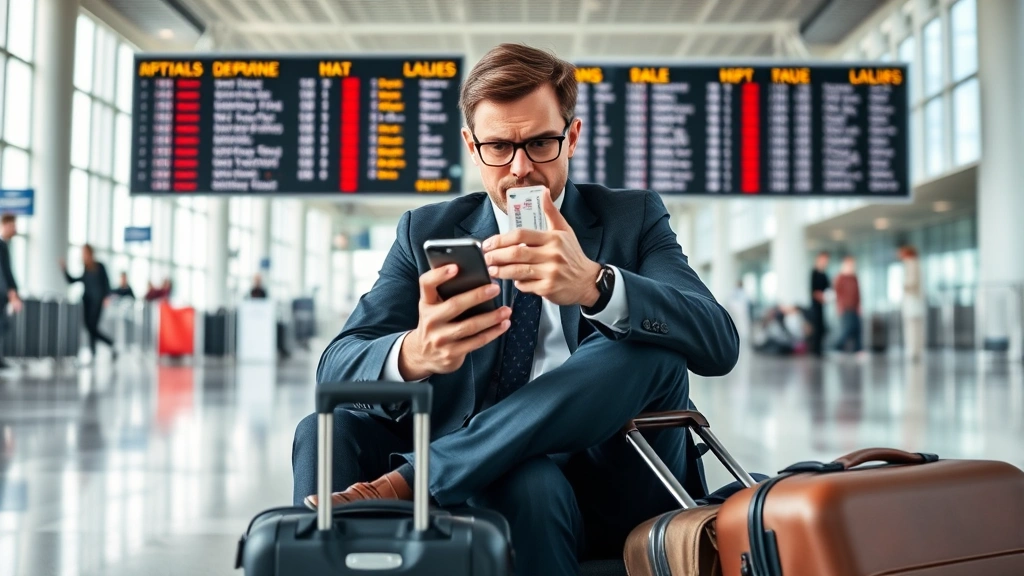
The moment you learn of a significant delay, take immediate action to protect your interests. First, photograph or screenshot the delay notification from the airline’s system, website, or app—this creates documentation of the official announcement. Request written confirmation of the delay from airline staff, as this strengthens any future compensation claims.
Second, assess your connection. If you’re connecting to another flight, immediately inform the airline of your tight connection. They can often rebook you on alternative flights proactively. For connecting passengers on tight schedules, this step can prevent missing your onward flight entirely.
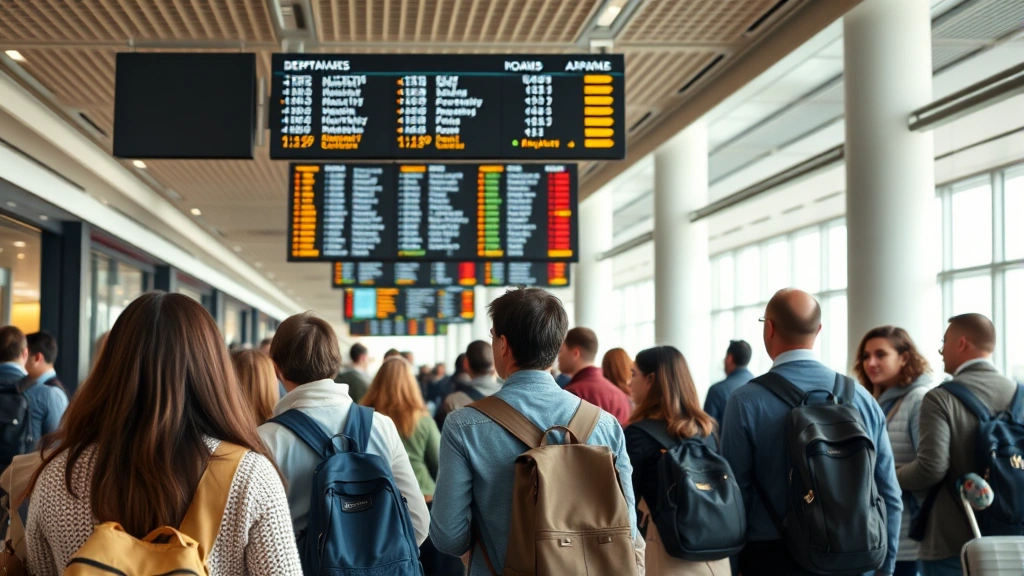
Third, document everything. Keep receipts for meals, transportation, and accommodations purchased during the delay. Photograph your boarding pass, the departure board showing the delay, and any communication with airline staff. This documentation proves essential when filing compensation claims weeks or months later.
Fourth, contact your credit card company and travel insurance provider if applicable. Some premium credit cards and travel insurance policies cover delay-related expenses, potentially providing reimbursement regardless of airline compensation.

Communication Strategies with Airlines
Effective communication with airline representatives dramatically improves your chances of receiving assistance and compensation. Remain calm and professional—airline staff have limited power to help angry passengers, and courtesy often unlocks better solutions. Introduce yourself as a frequent flyer if applicable; loyalty status can influence how staff prioritize your needs.
Ask specific questions: “What is the expected departure time?” “What compensation am I entitled to under regulations?” “Can you rebook me on the next available flight?” Clear questions yield clearer answers than vague complaints. Request supervisor contact information if you encounter unhelpful staff, and document names and employee numbers when possible.
Use multiple communication channels simultaneously. Contact the airline via their app, website chat, phone, and social media. Airlines monitor social media closely and often respond faster to public complaints. When flying LAX to Tokyo, for example, major carriers monitor Twitter and Facebook for passenger concerns, sometimes offering solutions before ground staff even address the issue.
Email the airline’s customer relations department with all documentation attached. Include flight number, date, delay duration, and your booking reference. Send emails promptly while the delay is fresh, as airlines process complaints more quickly when submitted immediately.
Financial Compensation and Reimbursement
Understanding compensation mechanics helps frequent flyers pursue claims effectively. Airline reimbursement differs from compensation: reimbursement covers expenses incurred during delays (meals, hotels, transportation), while compensation addresses inconvenience caused by the airline’s fault.
Most airlines require you to file claims within specific timeframes, typically 6-12 months after the flight. Gather all documentation: boarding passes, receipts, delay evidence, and communication records. Create a clear narrative explaining the delay, its duration, and how it affected you.
For EU-regulated flights, compensation is automatic if eligibility criteria are met—you don’t need to prove harm or inconvenience. Airlines must pay within two months of receiving a valid claim, though many delay payment hoping passengers abandon pursuit. Persistence pays: escalate to aviation authorities if airlines ignore your claim beyond the deadline.
Consider using compensation claim services if pursuing claims yourself seems overwhelming. These services typically take 20-30% commission but handle all paperwork and airline negotiations. The trade-off is worthwhile if your claim exceeds €300 and you lack time to pursue it independently.
Managing Extended Layovers
When delays stretch into hours or overnight stays, transform waiting time into opportunity. Explore layover destinations: many cities offer quick tours or experiences during 8-12 hour layovers. When experiencing delays on flights from Denver Colorado to Los Angeles California, you might discover LA’s best cafes or nearby attractions during unexpected downtime.
Use airport amenities strategically. Premium lounges (accessible via status, day passes, or credit cards) provide comfortable seating, showers, meals, and internet. Even basic airport facilities offer quiet zones, charging stations, and workspaces. Invest in airport lounge memberships if you fly frequently—the stress relief alone justifies the cost.
Stay productive or restorative depending on your needs. Catch up on work, read that book you’ve been postponing, or simply rest. Some frequent flyers use extended delays as unexpected vacation time, exploring underrated places to travel they’d otherwise skip. This mindset shift transforms delays from frustrations into unexpected adventures.
Connect with fellow delayed passengers. You’ll often find camaraderie among travelers facing the same inconvenience. Some frequent flyers have made lasting friendships during extended delays, discovering shared interests and travel experiences.
Technology Tools for Frequent Flyers
Modern technology offers powerful tools for managing delays. Airline apps provide real-time delay information and enable quick rebooking. Most major carriers allow app-based rebooking on alternative flights, sometimes faster than contacting customer service. Enable push notifications to receive delay alerts immediately.
Flight tracking apps like Flightradar24 show real-time aircraft positions and estimated arrival times, often more accurate than airline estimates. Weather apps help you understand delay causes and predict resolution timing. Compensation claim apps like AirHelp simplify the claims process by automating documentation and filing.
Airline status apps display your loyalty benefits, lounge access, and upgrade opportunities. Airport apps provide terminal maps, restaurant information, and real-time gate information. Install apps for your frequent airports—LAX, JFK, LHR, NRT—to navigate efficiently during delays.
Create a travel document folder in your phone’s cloud storage containing your booking confirmations, passport photos, and insurance documents. During delays, you can quickly access critical information without digging through email or physical documents.
Building Resilience and Mindset
Perhaps the most valuable skill for frequent flyers is developing psychological resilience around delays. Accept that delays are inevitable in aviation—acceptance reduces stress and preserves mental energy for productive problem-solving. View delays as temporary inconveniences rather than catastrophes.
Practice flexible thinking. Instead of fixating on your original schedule, ask “What’s the best outcome I can achieve given current circumstances?” Often, you’ll discover solutions you wouldn’t have considered while focused on frustration.
Maintain perspective by considering the alternative: air travel connects you to destinations impossible to reach otherwise. Occasional delays are the trade-off for remarkable speed and global accessibility. Thousands of flights depart on schedule daily; delays, while frustrating, remain statistically uncommon.
Connect delays to your larger travel goals. If a delay prevents you from making a connection, it might mean an unexpected night in an interesting city. If you’re stranded at an airport, use the time for exploring nearby attractions or simply resting before continuing. Some frequent flyers have discovered their favorite travel experiences through delay-related detours.
Build a support network of fellow frequent flyers who understand travel challenges. Online communities, airline loyalty forums, and travel blogs offer perspective and advice from people who’ve faced similar situations. Their experiences and solutions prove invaluable during your own delays.
FAQ
What should I do immediately when my flight is delayed?
Document the delay through screenshots, request written confirmation from airline staff, assess your connections, and contact your credit card company and travel insurance provider. Keep all receipts for expenses incurred during the delay.
Am I entitled to compensation for all flight delays?
Compensation eligibility depends on regulations governing your flight route, delay duration, and delay cause. EU flights have stronger protections than U.S. domestic flights. Research applicable regulations for your specific route, or consult the U.S. Department of Transportation for domestic flights.
How long should I wait before filing a compensation claim?
File claims promptly after the flight, typically within 6-12 months depending on airline policy and jurisdiction. Don’t delay—airlines’ memories fade and documentation becomes harder to gather over time.
Can I get reimbursed for meals and hotels during delays?
Airlines must provide care and assistance during delays, including meals and accommodations for overnight delays. Keep all receipts and submit them with your claim. Some expenses may be reimbursable even if airlines initially refuse to cover them.
What’s the best way to communicate with airlines about delays?
Remain calm and professional, ask specific questions, use multiple communication channels simultaneously (app, phone, social media, email), and document all interactions. Loyalty status can improve response quality.
Should I use compensation claim services?
Compensation claim services are worthwhile if your eligible compensation exceeds €300 and you lack time to pursue claims independently. They typically charge 20-30% commission but handle all paperwork and negotiations.
How can I prepare for potential delays?
Build buffer time into connections, maintain travel insurance coverage, join airline loyalty programs for status benefits, enable flight notifications on airline apps, and develop psychological resilience around travel disruptions. Proper travel preparation extends beyond altitude to encompassing comprehensive delay readiness.