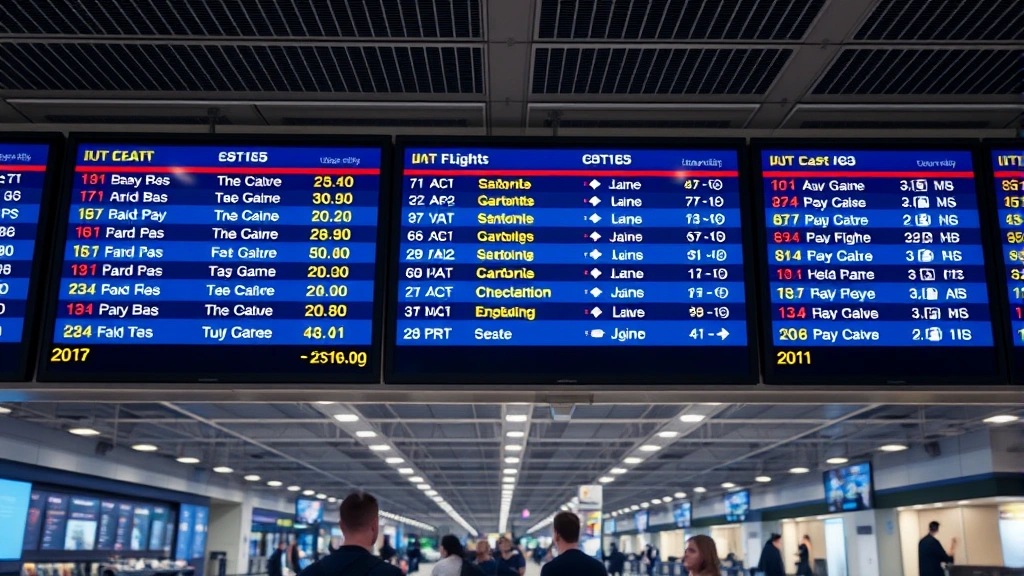
Flight Board Basics: Essential Tips for Travelers
The airport flight board—that illuminated display of departure and arrival times—is often the first thing travelers encounter when beginning their journey. Yet many adventurers rush past without understanding the crucial information it contains. Mastering flight board basics transforms your airport experience from confusing to confident, ensuring you never miss a gate change, misread a departure time, or miss your flight entirely. Whether you’re a seasoned globetrotter catching a Seattle to London flight or a nervous first-time flyer, understanding how to read and interpret airport displays is an essential travel skill that deserves your attention.
Modern airports display flight information through sophisticated systems designed to keep thousands of travelers informed simultaneously. However, the symbols, abbreviations, and status updates can overwhelm the uninitiated. This comprehensive guide breaks down everything you need to know about flight boards, from deciphering cryptic airline codes to understanding what different status indicators mean for your journey. By the end, you’ll approach any airport display with the confidence of a seasoned traveler, armed with knowledge that will enhance your travel experience across the globe.

Understanding Flight Board Displays
Airport flight boards come in several formats, each serving a specific purpose in the terminal. The departure board displays flights leaving the airport, while the arrival board shows incoming aircraft. Some modern airports feature hybrid boards that display both, though they’re typically separated for clarity. Traditional flip boards, with their satisfying mechanical clacking sound, have largely been replaced by LED and LCD screens that update in real-time, providing instantaneous information to travelers.
The layout of flight boards follows a standardized format across most major airports worldwide. From left to right, you’ll typically find the scheduled departure or arrival time, the flight number, the destination or origin city, the airline name or code, the aircraft gate number, and the current status. Understanding this left-to-right flow helps you quickly scan for your flight without confusion. International airports often color-code their boards—blue for departures, green for arrivals—making it even easier to locate the correct display.
When navigating busy terminals, knowing where to position yourself to view the flight board clearly is practical wisdom. Stand to the side rather than directly in front of the screen to avoid blocking other travelers’ views. Many modern airports now provide multiple screens throughout the terminal, including near security checkpoints, in restaurants, and at gate areas, ensuring you never have to search far for updated flight information. This redundancy is intentional—airports understand that travelers need constant access to real-time data.
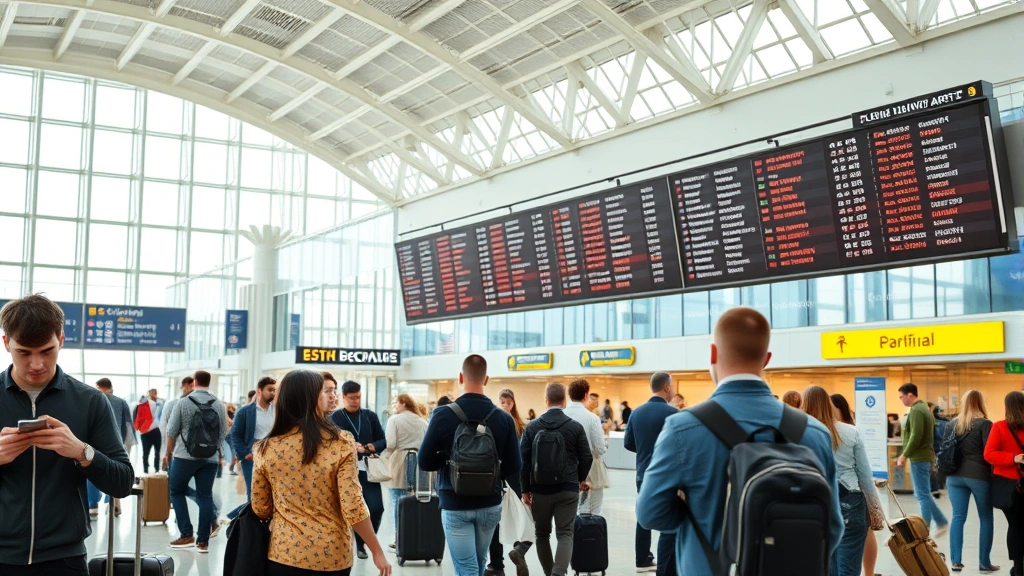
Decoding Airline Codes and Flight Numbers
Every airline receives a unique two-letter or three-letter IATA code assigned by the International Air Transport Association. American Airlines operates under AA, United under UA, and Delta under DL. These codes appear on flight boards alongside a flight number, which is a unique identifier for that specific route on that specific day. For instance, American Airlines flight 247 might be the morning departure from New York to Los Angeles, while American Airlines flight 248 is the afternoon return flight.
Understanding airline codes becomes particularly valuable when booking complex itineraries or discussing flights with travel agents. If you’re comparing prices on Miami to New York flights, you might see multiple airlines operating the same route at similar times. The airline code helps you quickly identify which carrier operates each flight. Some travelers develop preferences for certain airlines based on past experiences, and the flight board code system lets you spot your preferred carrier immediately.
Flight numbers also contain valuable information for observant travelers. Odd-numbered flights typically depart in one direction (say, westbound), while even-numbered flights operate in the opposite direction (eastbound). This convention helps airlines organize their scheduling and helps travelers remember which direction they’re flying. Additionally, the flight number often indicates the aircraft type and frequency—a lower number might indicate a popular daily service, while higher numbers represent less frequent routes or specific days of operation.
Reading Status Indicators
The status column on a flight board communicates critical information about your flight’s current condition. The most common statuses include “On Time,” “Delayed,” “Boarding,” “Gate Closed,” “Departed,” and “Cancelled.” Each status conveys different implications for your travel plans. An “On Time” status provides reassurance, while “Delayed” requires you to investigate further for specific timing information. Some boards display the delay duration (e.g., “Delayed 30 minutes”), while others simply indicate delay without specifics, requiring a visit to the airline counter for details.
“Boarding” status means the airline is currently allowing passengers to board the aircraft. This is your cue to head to the gate if you haven’t already. However, “Boarding” doesn’t mean the flight will depart immediately—boarding can continue for 20-30 minutes after initial announcement. “Final Call” or “Gate Closing” indicates the boarding process is ending, and the gate will soon close. If you see this status and haven’t boarded, move quickly to the gate.
“Gate Closed” means the gate is officially shut, and no more passengers can board. If this is your flight, contact the airline immediately—you may have missed your flight, or there might be a possibility to catch a later service. “Departed” confirms the aircraft has left the gate and is taxiing toward the runway or has already taken off. For arrivals, “Landed” indicates the aircraft has touched down. Understanding these statuses helps you time your arrival at the gate perfectly, avoiding excessive waiting while ensuring you don’t miss boarding.
Less common but important statuses include “Cancelled,” which means the flight won’t operate today, and “Diverted,” indicating the aircraft is landing at an alternative airport due to weather or mechanical issues. When you see these statuses, consult with airline staff immediately for rebooking options. Some boards display “Check Airline,” prompting you to contact the carrier directly for status information.
Gate Information and Changes
The gate number displayed on the flight board is crucial—it tells you exactly where to go to board your flight. However, gates frequently change, particularly during busy travel times or when flights are delayed. Airports manage gate assignments dynamically to optimize terminal flow and ground operations. This is why many experienced travelers wait to head to the gate until they see a confirmed gate assignment on the board, rather than rushing there immediately upon arrival at the airport.
Gate changes are typically announced through airport speakers and immediately updated on flight boards. If you’re seated at a restaurant or shop away from a flight board, you might miss a gate change announcement. This is where mobile apps become invaluable—most airlines push notifications when gate assignments change. When you notice a gate change on the board, don’t panic; simply proceed to the new gate. Airport staff understand that gate changes happen and won’t hold it against you for being slightly late to the original gate.
Some airports use satellite terminals or remote gates requiring shuttle buses or trains to reach. When you see a gate assignment starting with unusual letters or numbers, ask airport staff if it requires special transportation. Missing this detail could cause you to miss your flight, as shuttle services run on schedules and don’t wait for stragglers. Checking the flight board carefully before heading to the gate prevents these stressful situations.
Timing and Boarding Procedures
The scheduled time shown on the flight board is the “wheels up” time—when the aircraft actually departs the gate and begins taxiing. This is crucial to understand because it means you should aim to board at least 30-45 minutes before this time. Most airlines begin boarding 45-60 minutes before departure, with different boarding groups or classes called in sequence. If you’re traveling on a blog discussing travel tips, you’ll frequently see advice about arriving early—this accounts for the time needed to board hundreds of passengers.
Boarding procedures vary by airline and aircraft size. Most carriers use a zone-based system, calling passengers in groups (Zone 1, Zone 2, etc.) or by seat location. First-class and elite frequent flyer members board first, followed by families with young children, then general passengers. If you’re traveling with checked luggage, arriving at the gate during the initial boarding call helps ensure your bags are loaded properly and there’s no issue with available overhead bin space.
The time displayed for scheduled departure is set by the airline and filed with air traffic control. Actual departure might occur a few minutes after this time once all passengers are boarded and the cabin door is closed. Understanding this distinction helps you manage expectations. If the board shows a 10:00 AM departure and you arrive at the gate at 9:50 AM, you’re likely cutting it close. Aim for the gate 30-45 minutes before scheduled departure for a stress-free boarding experience.
International Flight Considerations
International flight boards display additional information not found on domestic flights. You’ll see the destination country code, and many boards indicate whether the flight requires a connecting flight or is direct. International departures typically board earlier than domestic flights—often 60-90 minutes before departure—because security and immigration procedures require additional time. If you’re catching an international flight, allow extra time at the airport and check the board frequently for any schedule changes.
For international arrivals, flight boards often display customs and immigration processing status. A flight arriving from overseas might show “Landed” but require 30-45 minutes before passengers clear immigration and baggage claim. This information helps connecting passengers understand how much time they have before their next flight. If you’re meeting someone arriving on an international flight, checking the board for status updates prevents unnecessary waiting at ground transportation.
Time zone considerations affect how you read international flight boards. The times displayed are in the local airport time zone, not your home time zone or the destination time zone. This can be confusing when planning connections or informing people of your arrival. Always convert to your relevant time zone when communicating flight times to others. Many travelers set their phones to the destination time zone immediately upon arriving at the international departures area, preventing confusion throughout their journey.
Digital Tools and Mobile Apps
Modern travelers have access to flight information beyond airport boards. Most airlines offer mobile apps providing real-time flight status, gate information, and boarding notifications. These apps often include features like seat selection, mobile boarding passes, and baggage tracking. Downloading your airline’s app before traveling ensures you receive push notifications about gate changes, delays, or other important updates even when you’re away from airport displays.
Third-party flight tracking apps like Flighty, FlightRadar24, and others provide real-time aircraft tracking and detailed flight information. These apps show the aircraft’s altitude, speed, and exact location during flight, satisfying curious passengers who want to know everything about their journey. Some apps also predict arrival times with surprising accuracy, helping you plan ground transportation in advance.
Airport-specific apps provide terminal maps, restaurant locations, shop hours, and real-time flight information for a specific airport. If you’re traveling through a major hub frequently, downloading that airport’s app provides valuable navigation assistance. These apps often include information about charging stations, family facilities, and prayer rooms—amenities that enhance your airport experience significantly.
For those interested in aviation beyond casual travel, flight controller resources and discovery flight opportunities offer deeper engagement with aviation. Additionally, understanding careers in aviation, such as flight nurse positions, reveals the diverse professionals working behind the scenes at airports.
Pro Tip: Set up flight alerts through your airline and a flight tracking app. This dual notification system ensures you’ll catch important updates even if one system fails. Many savvy travelers enable notifications for all flights in their itinerary, including connections, ensuring nothing surprises them during their journey.
FAQ
What does “On Time” mean on a flight board?
“On Time” indicates the flight is expected to depart or arrive according to the scheduled time shown on the board. However, this status can change if unexpected circumstances arise, so continue monitoring the board as departure approaches.
How often do flight boards update?
Modern airport flight boards update continuously as new information becomes available, sometimes multiple times per minute. Changes in status, gate assignments, or departure times appear immediately. Mobile apps typically update with similar frequency, though there might be slight delays of a few seconds.
What should I do if I see my flight marked as “Cancelled”?
Contact your airline immediately through their customer service desk, app, or phone line. Airlines are required to rebook you on the next available flight at no additional cost. Having your booking reference readily available speeds up the rebooking process significantly.
Can I board if I arrive after “Final Call” is announced?
Technically, airlines can still allow boarding after “Final Call” until the gate door closes. However, arriving after “Final Call” is extremely risky—the gate might close at any moment. If you see “Final Call” for your flight, proceed immediately to the gate without delay.
Why do gate assignments change so frequently?
Airports manage gate assignments dynamically based on aircraft arrival times, ground service schedules, and terminal flow optimization. A delayed incoming flight might require the gate you were originally assigned to, necessitating your flight’s reassignment. This is normal airport operations, not something to be concerned about.
How early should I arrive at the gate before departure?
Plan to arrive at your gate 30-45 minutes before scheduled departure for domestic flights, and 45-60 minutes before departure for international flights. This provides ample time for boarding without excessive waiting and ensures you’re present if gate assignments change.
What’s the difference between scheduled and actual departure times?
Scheduled time is when the airline plans for wheels to leave the ground. Actual departure time might be slightly later due to boarding delays, last-minute mechanical checks, or air traffic control instructions. The flight board displays scheduled time; actual times become known as departure approaches.
Are flight board times displayed in local or destination time zones?
Flight board times are always displayed in the local airport time zone. If you’re traveling internationally, the departure board shows local time at your departure airport, while the arrival board at your destination shows that airport’s local time. Always convert to relevant time zones when communicating flight times to others.