Flight Beer Ideas? Tips from Frequent Travelers
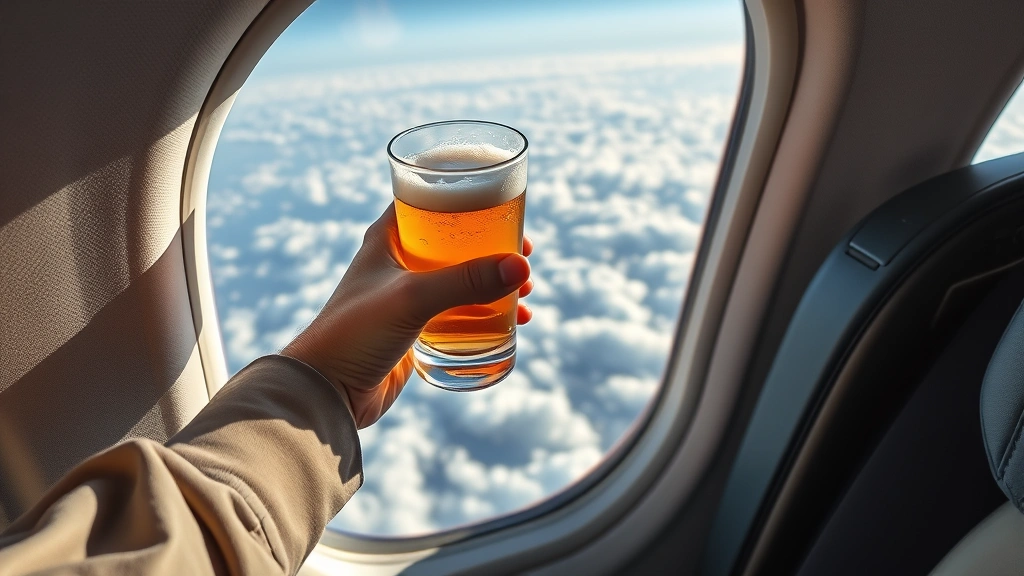
There’s something uniquely satisfying about enjoying a cold beer at 35,000 feet. For frequent flyers, the in-flight beverage experience has become an art form—one that goes far beyond simply accepting whatever the flight attendant offers. Whether you’re a craft beer enthusiast or someone who wants to make the most of your airline’s selection, understanding how to navigate flight beer culture can transform your travel experience into something memorable.
The challenge of finding quality beer while flying is real. Altitude affects taste perception, cabin pressure alters carbonation, and limited airline selections often mean settling for mass-produced options. But frequent travelers have discovered clever strategies to enhance their in-flight drinking experience, from pre-flight preparation to understanding which beers actually taste better at altitude. This guide shares insider tips that will help you make smarter beer choices on your next flight, whether you’re heading to flights from Denver to Las Vegas or anywhere else in the world.

How Altitude Changes Beer Taste
Understanding the science behind in-flight beer tasting is the foundation for making better choices. When you fly at cruising altitude, several physiological and environmental factors dramatically affect how you perceive flavor. Your taste buds become less sensitive in the dry cabin environment—studies show that altitude reduces your ability to taste salt and sweet flavors by up to 30 percent. This is why airline food often tastes bland, and why your beer might seem different than it would on the ground.
The cabin’s low humidity (typically 10-20 percent compared to normal 30-65 percent) dries out your nasal passages and mouth, which significantly impacts flavor perception. Additionally, the reduced oxygen levels at altitude mean your body isn’t processing flavors the same way it does at sea level. Carbonation also behaves differently—the lower cabin pressure causes beer to become slightly flatter during flight, which is particularly noticeable in lighter styles.
Temperature control in airplane cabins is another critical factor. Most airlines keep beverages at around 40-45 degrees Fahrenheit, which is colder than ideal for many beer styles. This extra chill can mask subtle flavors and make hoppy beers taste more muted. Frequent travelers have learned to request their beer without ice and sometimes ask for it to warm slightly before drinking to unlock more complex flavors.
The good news? Knowing these factors allows you to make strategic choices. Bolder beers with robust flavors stand up better to altitude’s numbing effect. IPAs, stouts, and amber ales generally taste better on flights than delicate pilsners or light lagers. This knowledge becomes invaluable when you’re comparing Denver to New York flights beer service or any other route.

Understanding Airline Beer Selections
Not all airlines approach their beer programs with equal enthusiasm. Major carriers typically offer 3-6 beer options, while budget airlines might have just one or two choices. Understanding what different airlines stock can help you plan your in-flight experience strategically.
Premium carriers like United, Delta, and American Airlines have invested in curated beer selections that include both well-known brands and craft options on certain routes. International carriers often feature regional beers from their home countries—a significant advantage if you’re flying to or from Europe or Asia. Airlines serving Denver to Phoenix flights typically include local Colorado craft beers, reflecting the region’s strong brewing culture.
The beer menu varies significantly by flight duration and route. Transcontinental and international flights usually offer more variety than short regional flights. First-class and business-class passengers get access to premium selections unavailable in economy, often including craft beers and regional specialties you wouldn’t find on standard airline menus.
Frequent flyer status sometimes provides advantages beyond just free flights. Elite members often get priority access to premium beverages, including specialty beers that other passengers don’t see on the standard menu. Some airlines now offer craft beer selections specifically for their top-tier frequent flyer members.
Pre-Flight Beer Strategy
The smartest frequent travelers don’t rely solely on airline offerings. Pre-flight preparation can significantly enhance your options and ensure you have exactly what you want.
Research before you fly. Check your specific airline’s website or app to see what beer options they’re serving. Many major carriers list their beverage menus online. This allows you to plan ahead—if the airline’s selection doesn’t appeal to you, you know you’ll need an alternative strategy.
Purchase quality beer in the airport. Many airports now have excellent craft beer shops or restaurants with impressive beer selections. Arriving early gives you time to grab a quality beer from a specialty retailer before security. This approach guarantees you get exactly what you want, though you’ll need to finish it before boarding or purchase it in a secure area.
Bring your own through TSA. You can’t bring beer through security, but you can purchase it in the secure area after passing through. This is the most reliable way to ensure you have something you actually enjoy drinking.
Join airline wine and beer clubs. Some airlines offer programs where premium passengers can pre-order specific beers for their flights. This is an excellent option for regular travelers on specific routes.
Stay hydrated with water first. Before ordering your beer, drink at least 16 ounces of water. The cabin environment is incredibly dehydrating, and alcohol exacerbates this effect. Starting with proper hydration means you’ll actually enjoy your beer more and avoid the harsh hangovers that sometimes follow flights.
Best Beers for Flying
Certain beer styles perform significantly better at altitude than others. Frequent travelers have developed clear preferences based on what actually tastes good when you’re 35,000 feet in the air.
India Pale Ales (IPAs). Despite their reputation for being delicate, well-made IPAs actually hold up remarkably well on flights. The bold hop character survives the altitude-induced flavor dulling better than subtle styles. Look for classic American IPAs rather than hazy or experimental variants—the traditional profiles are more forgiving in the cabin environment.
Amber and Red Ales. These medium-bodied beers with caramel malt sweetness are perfect for flying. The robust flavor profile stands up to altitude’s effects, and the slightly sweet character actually tastes pleasant in the dry cabin air. Most airlines stock at least one amber option.
Stouts and Porters. Dark beers with rich, roasted characteristics are excellent choices for flights. The intense flavors remain prominent even when your taste buds are compromised by altitude. These beers also tend to be more filling, which can be an advantage on longer flights.
Pilsners and Lagers. While these lighter styles are traditionally more delicate, quality examples can work on flights if you’re selective. German and Czech pilsners with proper body and character hold up better than ultra-light American lagers. Avoid the lightest options—they tend to taste almost flavorless at altitude.
Wheat Beers and Hefeweizens. These styles offer enough flavor complexity to survive the cabin environment while remaining refreshing. The fruity esters and spice notes provide character that persists despite altitude’s effects.
Avoid these styles on flights: Fruit beers often taste artificial at altitude. Super light lagers become nearly tasteless. Experimental or heavily adjunct beers can taste off-balance in the cabin. Sours and lambics, while delicious on the ground, often taste overly acidic when your taste perception is compromised.
Smart Ordering Techniques
Knowing what to order is only half the battle—how you order matters too. Frequent flyers have developed specific techniques to maximize their in-flight beer experience.
Ask what’s available before ordering. Flight attendants will often list options, but the printed menu doesn’t always reflect what’s actually stocked. Sometimes they have specialty beers not listed. Always ask what they have rather than just ordering from the menu.
Request it without ice. Ice dilutes beer and masks flavors further. Ask for your beer in a glass without ice, or request ice on the side if you want some chilling. This small request makes a noticeable difference in taste quality.
Order early in the flight. Popular options sell out, especially on longer flights or when service starts. If you have a specific beer preference, order during the first beverage service round rather than waiting.
Be nice to flight attendants. Courtesy goes a long way. Flight attendants are more likely to help you find options, suggest alternatives, or let you know about special selections if you’re pleasant and respectful. This human element can lead to better beer experiences on your next flight.
Pair your beer with food thoughtfully. Airline food is notoriously bland, but pairing it with the right beer improves both. A stout pairs beautifully with the typical chicken entrée. An IPA cuts through rich, heavy dishes. Consider what you’ll be eating when selecting your beer.
Drink slowly and intentionally. Rather than quickly consuming your beer, sip it slowly throughout the flight. This approach lets you actually enjoy it rather than simply consuming it for effect. You’ll also stay more hydrated and feel better when you land.
International Flight Considerations
Flying internationally opens up entirely new beer possibilities. Different airlines serve regional specialties, and understanding these opportunities can transform long flights into cultural experiences.
European carriers typically stock premium European beers. Lufthansa features German beers, KLM offers Dutch selections, and Ryanair stocks Irish options. If you’re planning best train journeys in Europe, starting with authentic regional beer on your flight sets the perfect tone for your trip.
Asian carriers often feature Japanese craft beers and Asian lagers. Middle Eastern airlines typically don’t serve alcohol, so plan accordingly. Latin American carriers stock local beers from their regions, offering chances to try authentic styles before you arrive.
International flights offer advantages in other ways too. Business and first-class cabins on long-haul flights sometimes feature beer tastings or curated selections. Some airlines partner with craft breweries to create exclusive in-flight offerings available nowhere else.
The flight duration also matters for international travel. Flights longer than 8 hours typically have more robust beverage programs with greater selection. A 14-hour flight to Asia offers far more options than a 5-hour transatlantic flight.
Consider timing your beer consumption on long international flights. Drinking early helps you sleep, while drinking late in the flight can disrupt your schedule. Understanding your destination’s time zone helps you decide when to actually enjoy your beer rather than just consuming it.
FAQ
Is it safe to drink beer on airplanes?
Yes, moderate beer consumption on flights is safe for most people. However, altitude increases alcohol’s effects—you may feel more intoxicated than you would on the ground from the same amount. Stay hydrated with water, eat food, and limit yourself to one or two beers on most flights. Avoid heavy drinking, especially on long flights, as dehydration and the cabin environment can cause severe hangovers.
Why does beer taste different on planes?
Multiple factors affect taste at altitude: reduced cabin humidity dries out your taste buds, lower oxygen levels change flavor perception, reduced cabin pressure flattens carbonation, and cold temperatures mask subtle flavors. Your body also becomes less sensitive to salt and sweet flavors at altitude, making everything taste more bland.
Can I bring my own beer on a flight?
You cannot bring beer through airport security in your carry-on or checked luggage (TSA prohibits all alcohol in carry-ons, and checked luggage alcohol must meet specific requirements). However, you can purchase beer in the secure area after passing through security and bring it to your gate or airplane.
What’s the best beer for long flights?
Amber ales, stouts, and well-made IPAs hold up best on long flights. These styles have bold enough flavors to survive altitude’s effects. Avoid light lagers and delicate styles on long flights, as they tend to taste nearly flavorless by the time you drink them.
Do airlines offer craft beer on all routes?
No, craft beer availability varies significantly by airline, route, and aircraft type. Major carriers on popular routes typically offer craft options, but regional flights and budget airlines often have limited selections. Check your specific airline’s beverage menu before flying to know what to expect.
Should I drink beer before or after takeoff?
Most airlines serve beverages after the plane reaches cruising altitude and the seatbelt sign is turned off. You cannot bring open containers through the cabin during taxi and takeoff. Some airlines offer beverages during boarding on the ground—this is actually an excellent time to start your flight beer experience since you can enjoy it in normal conditions before altitude affects your taste perception.
How does altitude affect beer carbonation?
Lower cabin pressure causes beer to become slightly flatter during flight. Carbonation levels decrease because the reduced atmospheric pressure allows CO2 to escape more readily from the liquid. This is why some beers taste noticeably less fizzy on planes than they do on the ground, even if they’re served fresh.
What’s the best way to store beer I purchase at the airport?
If you purchase beer in the secure area before boarding, keep it in your carry-on bag or ask a flight attendant to store it for you. Cabin temperatures are cold enough to keep beer properly chilled. Avoid placing it in overhead bins where it might get damaged, and keep it upright to prevent leaks.