Closest Airport to Yellowstone: Your Complete Insider Guide
Planning a Yellowstone adventure? Choosing the right airport can make or break your trip. While Yellowstone National Park sits majestically across Wyoming, Montana, and Idaho, it lacks its own commercial airport. This means savvy travelers must know which gateways offer the shortest drives, best connections, and most convenient ground transportation to reach this natural wonder. Whether you’re chasing geysers, wildlife, or dramatic landscapes, understanding your flight options is the first step to an unforgettable experience.
The closest flight to Yellowstone depends on which entrance you’re planning to use and your departure city. From major hubs across North America, you have several excellent options that put you within striking distance of Old Faithful and the park’s other iconic attractions. We’ll walk you through every option, from the absolute closest airports to practical alternatives that might actually save you money and time.

Bozeman Yellowstone International Airport
Distance to Yellowstone: 90 miles to North Entrance | Drive Time: 2-2.5 hours
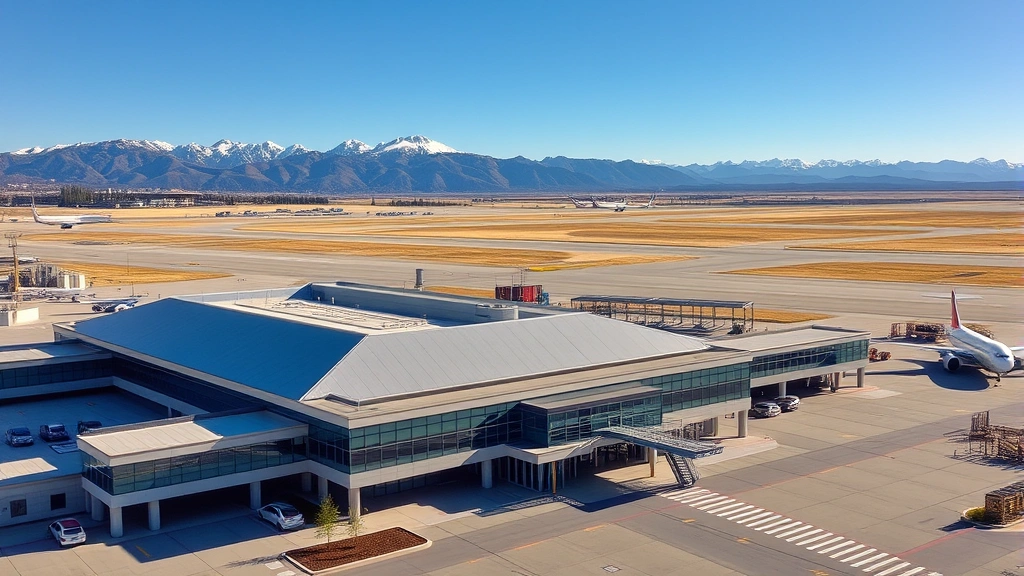
Bozeman Yellowstone International Airport (BZN) claims the crown as the closest major commercial airport to Yellowstone National Park. Located in beautiful Bozeman, Montana, this modern facility handles over 1 million passengers annually and offers direct flights from major U.S. hubs including Denver, Salt Lake City, San Francisco, Los Angeles, Chicago, and Dallas. The North Entrance of Yellowstone sits just 90 minutes south, making this your premier choice for quick airport-to-park access.
The airport itself has undergone significant expansion, featuring new terminal space, enhanced amenities, and increased flight capacity. You’ll find rental car agencies from all major companies, making ground transportation straightforward. The drive south to the North Entrance passes through scenic Montana landscape, with the Paradise Valley offering stunning views before you reach the park boundary.
One major advantage of flying into Bozeman is the flexibility it provides. If your plans change or you want to explore beyond Yellowstone, Bozeman itself is an excellent base. The town offers world-class restaurants, outdoor recreation, and cultural attractions. You can easily extend your trip to include nearby attractions like the Gallatin National Forest or venture north to Glacier National Park.
For travelers seeking connections from major hubs like Chicago, Bozeman offers excellent connectivity. However, be aware that during peak summer season (June-August), flights fill quickly and prices spike. Booking 2-3 months in advance is recommended for summer travel.

Jackson Hole Airport
Distance to Yellowstone: 60 miles to South Entrance | Drive Time: 1.5 hours
Jackson Hole Airport (JAC) in Wyoming offers the shortest driving distance to Yellowstone’s South Entrance, sitting just 60 miles north. While technically closer than Bozeman in terms of mileage, the drive is slightly longer due to road conditions and the scenic Teton Pass. This airport serves the Jackson Hole ski resort area and offers flights from Denver, Salt Lake City, Chicago, Los Angeles, and Dallas.
Jackson Hole Airport is smaller and more intimate than Bozeman, which means fewer flights and sometimes higher fares. However, the stunning approach into the airport—with views of the Grand Tetons—sets the tone for an incredible adventure. The South Entrance route takes you through Grand Teton National Park, adding spectacular scenery to your journey.
Jackson Hole works best if you plan to spend time exploring the Tetons alongside Yellowstone. The town of Jackson itself offers upscale dining, shopping, and accommodations. If you’re interested in combining two of America’s most iconic national parks into one trip, this is your gateway. The drive to Yellowstone’s South Entrance is particularly beautiful in fall when aspen trees turn golden.
Ground transportation options include rental cars and shuttle services. Several companies offer direct transfers from the airport to park lodging, though these should be booked in advance during summer months.
West Yellowstone Airport
Distance to Yellowstone: 1 mile to West Entrance | Drive Time: 5 minutes
West Yellowstone Airport (WYS) sits literally at Yellowstone’s doorstep—just one mile from the West Entrance. However, this tiny regional airport has significant limitations for most travelers. It operates seasonally (typically June through September) and offers extremely limited commercial service, primarily serving private aircraft and charter flights.
During summer months, you might find seasonal air service from Salt Lake City or other regional hubs, but these flights are infrequent and often expensive. Most travelers use West Yellowstone Airport only if they’re chartering a private flight or flying in on a small regional airline. If commercial flights were available and affordable, this would be your ideal choice given its proximity to the park.
West Yellowstone town itself serves as an excellent base for Yellowstone exploration, with numerous lodges, restaurants, and shops catering to park visitors. If you can access flights here, you’ll save considerable driving time. Otherwise, it’s better to fly into Bozeman and drive the 90 minutes south.
Billings Logan International Airport
Distance to Yellowstone: 130 miles to North Entrance | Drive Time: 2.5-3 hours
Billings Logan International Airport (BIL) in Montana offers another viable option, particularly for travelers coming from the East Coast or Midwest. This larger airport handles direct flights from Denver, Salt Lake City, Phoenix, Chicago, and other major cities. While slightly farther than Bozeman, Billings sometimes offers competitive fares and more flight options.
The drive from Billings to Yellowstone’s North Entrance passes through beautiful Montana rangeland and the Absaroka Mountains. The route is scenic but takes about three hours. Billings itself is Montana’s largest city, offering excellent dining, lodging, and services if you need to spend a night before heading to the park.
Billings works well as a backup option if Bozeman flights are fully booked or prohibitively expensive. The extra 30-45 minutes of driving is a reasonable trade-off for better flight availability and potentially lower airfares.
Idaho Falls Regional Airport
Distance to Yellowstone: 110 miles to West Entrance | Drive Time: 2-2.5 hours
Idaho Falls Regional Airport (IDA) serves eastern Idaho and offers another option for accessing Yellowstone. This airport handles flights from Denver, Salt Lake City, and other regional hubs. The drive west to Yellowstone’s West Entrance is scenic, passing through Idaho’s volcanic landscape and beautiful high desert terrain.
Idaho Falls works particularly well if you’re interested in combining Yellowstone with visits to other attractions like Craters of the Moon National Monument or if you’re approaching from the western United States. The town of Idaho Falls offers good services and accommodations if needed.
This airport is less convenient than Bozeman or Jackson Hole but serves as a viable alternative, especially if you find better fares or connections from your departure city. The drive isn’t particularly challenging, though you’ll want to check road conditions during winter months.
Getting Around Once You Land
Regardless of which airport you choose for your closest flight to Yellowstone, ground transportation is essential. Here’s what you need to know:
Rental Cars: All major airports offer rental agencies (Hertz, Enterprise, Avis, Budget, National). Rental cars provide maximum flexibility for exploring the park and surrounding areas. Book in advance during summer months, as vehicle availability becomes limited. Four-wheel-drive vehicles aren’t necessary in summer but are essential for winter visits. Budget $50-100 daily for rental cars, plus gas and parking.
Shuttle Services: Many lodging facilities within and outside Yellowstone offer airport shuttle services. Book these in advance. Expect to pay $40-80 per person for shuttle service from regional airports. Some services offer shared shuttles (cheaper but slower) or private transfers (pricier but convenient).
Ride-Sharing: Uber and Lyft operate in some areas near Yellowstone, particularly around gateway towns like Bozeman and Jackson. However, service is limited within the park itself. Expect surge pricing during peak season.
Guided Tours: Many companies offer guided day trips from gateway towns to Yellowstone. These typically include transportation, a knowledgeable guide, and structured itineraries. Prices range from $150-300 per person depending on the tour duration and inclusions.
Most experienced Yellowstone visitors recommend renting a car for maximum flexibility, allowing you to explore at your own pace and discover lesser-known attractions beyond the main tourist circuit.
Seasonal Considerations
Your airport choice may vary depending on when you visit. Yellowstone experiences dramatic seasonal changes that affect both flight availability and driving conditions:
Summer (June-August): Peak season brings consistent flight schedules, warm weather, and all park roads open. Book flights 8-12 weeks in advance. Expect crowds and higher prices at all airports and accommodations. This is when West Yellowstone Airport might offer seasonal commercial service.
Fall (September-October): Fewer crowds, stunning aspen colors, and excellent wildlife viewing. Flight availability decreases slightly, but prices drop. Roads remain open. This is arguably the best time to visit.
Winter (December-February): Many roads close; only the North Entrance stays accessible via the road from Gardiner. Flights are less frequent. Four-wheel-drive vehicles are mandatory. This is the best time for seeing wolves and experiencing Yellowstone’s winter wonderland.
Spring (March-May): Roads gradually reopen. Weather is unpredictable. This shoulder season offers fewer crowds and better prices. Flight availability increases as summer approaches.
Consider visiting during shoulder seasons (April-May or September-October) for the best combination of good weather, fewer crowds, and reasonable airfares. You’ll have more flexibility in choosing your flight options and finding better deals.
For winter visits, Bozeman becomes even more valuable as the North Entrance remains accessible. Jackson Hole offers access via the South Entrance, though roads can be challenging. Check current road conditions at the official Yellowstone website before booking winter travel.
If you’re exploring top destinations for 2025, Yellowstone deserves prime placement on your itinerary, and choosing the right airport ensures your adventure starts smoothly.
FAQ
What is the absolute closest airport to Yellowstone National Park?
West Yellowstone Airport sits just one mile from the West Entrance, but it offers minimal commercial service and only operates seasonally. Bozeman Yellowstone International Airport is the closest major commercial airport at 90 miles from the North Entrance with frequent daily flights from major U.S. cities. For practical purposes, Bozeman is your best choice for finding affordable, reliable flights closest to Yellowstone.
How far is Jackson Hole Airport from Yellowstone?
Jackson Hole Airport is 60 miles from Yellowstone’s South Entrance with a 1.5-hour drive. While technically closer in distance than Bozeman, the drive time is comparable due to road conditions. Jackson Hole works best if you want to combine visiting Grand Teton National Park with Yellowstone.
Can I fly directly into Yellowstone?
No commercial flights land inside Yellowstone National Park. The park has no commercial airport. You must fly into one of the regional airports (Bozeman, Jackson Hole, Billings, or Idaho Falls) and drive to the park. Private charter flights can land at West Yellowstone Airport, but these are expensive.
Which airport has the cheapest flights to Yellowstone?
Bozeman and Billings typically offer the most competitive fares due to higher flight volume. However, prices fluctuate based on season and demand. Use flight comparison sites to check all options. Sometimes flying into a less convenient airport and driving longer saves money, though the time trade-off may not be worth it.
What’s the best time to visit Yellowstone regarding flights?
Shoulder seasons (April-May and September-October) offer the best combination of reasonable fares, fewer crowds, and good weather. Summer flights are most expensive and book quickly. Winter offers lower prices but limited flight options and challenging driving conditions. Book summer flights 8-12 weeks in advance for best availability.
Do I need a rental car at Yellowstone?
A rental car is highly recommended for maximum flexibility exploring the park. While shuttle services and guided tours exist, a car allows you to explore at your own pace, visit lesser-known attractions, and drive the scenic loop roads. Summer traffic can be heavy, so expect to share roads with thousands of other visitors.
How long does it take to drive from Bozeman to Yellowstone?
The drive from Bozeman to Yellowstone’s North Entrance takes approximately 2 to 2.5 hours covering 90 miles. The scenic Paradise Valley route is beautiful and relatively straightforward. Allow extra time during winter or if weather conditions are poor. Some visitors stop in Gardiner (the gateway town) for services or meals.
Are there alternative airports I should consider?
Yes, Billings (2.5-3 hours away) and Idaho Falls (2-2.5 hours away) serve as backup options. Salt Lake City International Airport (SLC), while farther (4-5 hours), often has the cheapest flights and most options from international destinations. If you’re flexible with driving time, comparing all regional airports may reveal better fares.