Flight cancellations in the Philippines can disrupt even the most carefully planned tropical getaway. Whether you’re heading to the pristine beaches of Palawan, the rice terraces of Ifugao, or the vibrant streets of Manila, dealing with a cancelled flight requires quick thinking and knowledge of your rights. The Philippines, with its archipelago of over 7,000 islands and year-round weather challenges, experiences flight disruptions more frequently than many travelers expect. Understanding how to navigate these situations transforms frustration into opportunity, ensuring your adventure continues despite setbacks.
The Philippines’ geography and tropical climate create unique challenges for aviation. During monsoon seasons and typhoon periods, cancellations become more common. However, even during peak travel seasons, mechanical issues, crew scheduling conflicts, or runway maintenance can ground flights unexpectedly. As a traveler heading to this incredible destination, knowing your options before departure empowers you to respond effectively when cancellations occur. This comprehensive guide provides actionable strategies, passenger rights information, and practical solutions to keep your Philippine adventure on track.
Understanding Flight Cancellation Rights in the Philippines
The Philippines Civil Aeronautics Board (CAB) oversees aviation regulations and passenger rights. Unlike European Union regulations that guarantee specific compensation amounts, Philippine aviation law provides different protections. International flights departing from the Philippines may fall under international conventions like the Montreal Convention, which offers stronger passenger protections. Domestic flights within the Philippines are governed by national regulations, which typically provide less compensation than international standards.
When a flight cancellation occurs, passengers have fundamental rights regardless of the airline. You’re entitled to clear communication about the cancellation, the reason for it, and available options. Airlines must inform passengers of their rights, offer rebooking on alternative flights, or provide refunds. For international flights, the Montreal Convention mandates that airlines cover reasonable expenses resulting from cancellation, including accommodation and meals. Understanding these distinctions helps you assert your rights confidently and seek appropriate compensation.
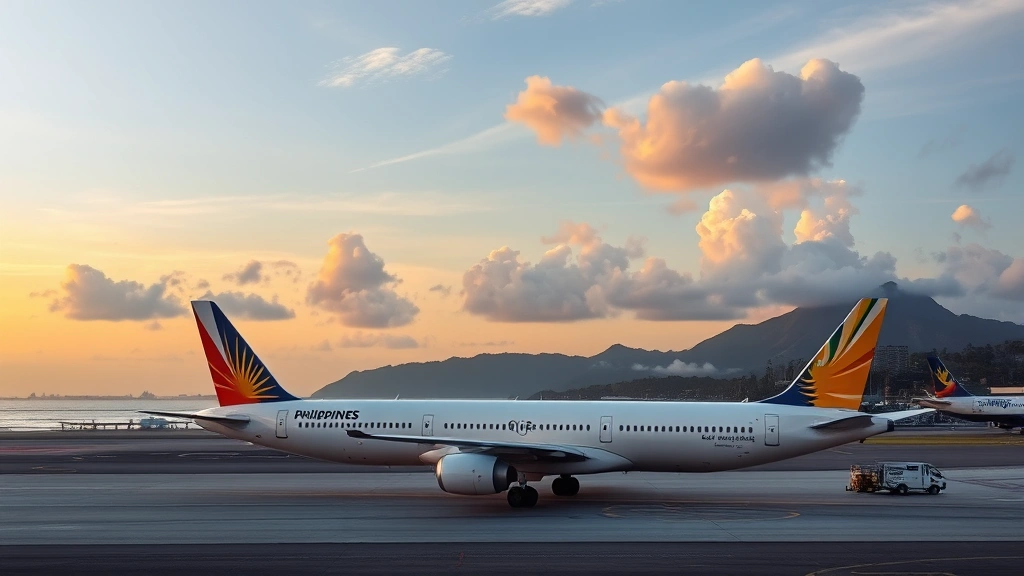
The CAB requires airlines to have contingency plans for passenger care during cancellations. This includes providing meals, accommodation if overnight stay is necessary, and communication facilities. However, enforcement varies among carriers. Larger airlines like Philippine Airlines (PAL) and Cebu Pacific typically have better-established procedures than smaller regional carriers. Familiarizing yourself with the specific airline’s cancellation policy before booking ensures you know what to expect and can reference it when claiming assistance.
Immediate Steps When Your Flight Gets Cancelled
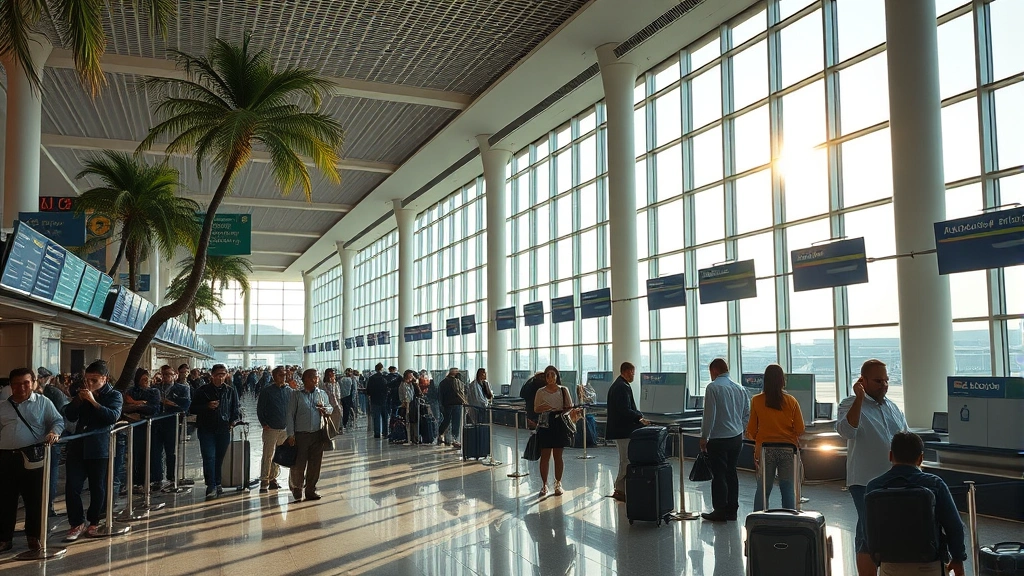
The moment you learn about a cancellation, stay calm and take immediate action. First, contact your airline directly through multiple channels—call their customer service hotline, visit the ticket counter, or use their mobile app. Airlines often process rebooking requests in order received, so early contact increases your chances of getting on the next available flight. Request written confirmation of the cancellation and the reason provided, as this documentation proves valuable when claiming compensation or insurance benefits.
Document everything meticulously. Take screenshots of cancelled flight notifications, emails from the airline, and your booking confirmation. Photograph your boarding pass and any communication received. Keep receipts for all expenses incurred due to the cancellation, including meals, accommodation, transportation, and communication costs. These records become essential if you need to file a compensation claim or work with your travel insurance provider.
Ask the airline representative about all available options before making decisions. Airlines must offer rebooking on the next available flight at no additional cost, even if it’s with a competitor airline. You can also request a full refund of your ticket price. Some travelers choose partial refunds combined with rebooking on a later flight. Evaluate which option best suits your situation—if you’re flexible with dates, rebooking might get you to your destination faster than processing a refund. If you’re on a tight schedule or need to return home, a refund might be preferable.
Contact your accommodation provider, tour operators, and any pre-booked activities immediately. Explain the situation and request to reschedule or receive refunds. Many tourism businesses in the Philippines understand flight cancellation issues and work with travelers to accommodate changes. If you had booked snorkeling tours or water activities, operators often have flexible rescheduling policies.
Airline Responsibilities and Compensation
Under the Montreal Convention, which the Philippines is a signatory to, airlines are liable for damages resulting from flight cancellations. This includes compensation for reasonable expenses incurred, such as meals during delays, accommodation if you must stay overnight, and transportation to alternative accommodation. The airline cannot charge you for rebooking on another flight or for choosing a refund instead. These are fundamental passenger rights that apply regardless of the cancellation reason.
Compensation amounts vary based on flight distance and regulations. For international flights under Montreal Convention rules, airlines typically compensate based on actual damages up to specific limits. EU regulations, which apply to flights departing from EU airports, offer fixed compensation: €250 for flights up to 1,500 km, €400 for intra-EU flights over 1,500 km and other flights 1,500-3,500 km, and €600 for flights over 3,500 km. While these don’t apply directly to Philippine-based flights, they illustrate compensation standards travelers should expect.
Philippine-based airlines may offer compensation voluntarily or as part of their policies, though they’re not legally required to pay fixed amounts for all cancellations. However, they must reimburse reasonable expenses incurred due to the cancellation. When claiming compensation, provide detailed documentation of all expenses. Airlines sometimes deny claims if they determine the cancellation resulted from extraordinary circumstances beyond their control, such as severe weather or volcanic activity. However, mechanical failures and crew scheduling issues typically don’t qualify as extraordinary circumstances.
For domestic Philippine flights, regulations are less stringent than international standards. Airlines aren’t required to pay compensation for cancelled flights, but they must offer rebooking or refunds. Many airlines voluntarily provide meal vouchers and accommodation assistance during extended delays or cancellations. Check your specific airline’s policy, which should be available on their website or in your booking confirmation.
Alternative Transportation Options
The Philippines’ extensive domestic flight network provides multiple alternatives when a flight cancels. Major airlines like Cebu Pacific, Philippine Airlines, and AirAsia Philippines operate numerous routes connecting Manila to regional hubs like Cebu, Davao, and Cagayan de Oro. If your original flight cancels, the airline should rebook you on the next available flight within 24 hours. However, you can also explore independent alternatives if rebooked flights don’t suit your schedule.
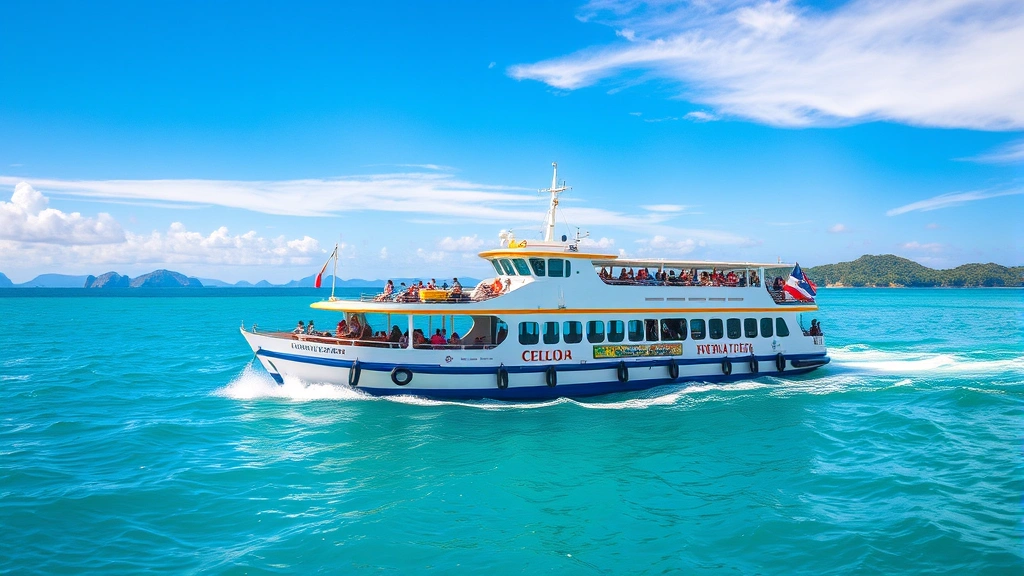
Ferry services connect major Philippine islands and provide excellent alternatives to flying. Supercat, 2GO Travel, and Cokaliong Shipping Lines operate passenger ferries linking Manila to Cebu, Mindanao, and other destinations. While ferries take longer than flights, they offer unique experiences and often cost less. A Manila-to-Cebu ferry journey takes approximately 13-15 hours on overnight vessels, allowing you to sleep during transit. This option works well if you have flexible schedules and want to experience inter-island travel authentically.
Bus services connect major cities across Luzon and Mindanao. Companies like Ceres Bus, Sunrays Bus, and Victory Liner operate long-distance routes. While bus travel takes considerably longer than flying, it’s affordable and provides opportunities to experience Philippine countryside. For shorter distances, jeepneys—colorful shared vehicles—offer cultural immersion and cost-effective transportation.
Consider breaking your journey into segments using multiple transportation modes. If flying from Manila to Palawan cancels, you might take a ferry to Cebu, then fly from Cebu to Palawan. This approach sometimes reaches your destination faster than waiting for the next available direct flight. When exploring alternatives, calculate total travel time, cost, and comfort to determine the best option for your situation.
Ride-sharing services like Grab operate in major Philippine cities. If you need ground transportation to alternative departure points or accommodations, Grab provides reliable, affordable options. For longer intercity travel, Grab also offers bus booking services connecting major destinations.
Preventing Cancellation Disruptions
Strategic planning minimizes cancellation impact on your Philippine adventure. Book flights during favorable weather windows—avoid the typhoon season (June-November) when possible, though cancellations occur year-round. If traveling during these months is unavoidable, book with airlines known for good safety records and operational reliability like Philippine Airlines and Cebu Pacific. Research best airlines for long flights to understand which carriers maintain strong operational standards.
Build buffer time into your itinerary. Rather than booking a domestic flight the same day you arrive internationally, schedule a night in Manila to rest and allow time for potential delays on your international flight. If you have connecting flights within the Philippines, allow at least 4-6 hours between flights to accommodate delays and potential rebooking. This buffer prevents cascading cancellations from ruining your entire trip.
Choose direct flights when possible. Connecting flights increase cancellation risk because delays on the first flight can cause you to miss your connection. Direct flights eliminate this risk. When direct flights aren’t available, book with airlines that coordinate schedules well, typically the larger carriers with more frequent flights on each route.
Monitor weather forecasts and airline announcements closely. Sign up for airline notifications on your booking confirmation. Most airlines offer SMS and email alerts for schedule changes. Check your email and messages frequently, especially during typhoon season. If you notice weather deteriorating toward your travel dates, contact your airline about rebooking to earlier flights before cancellations officially occur.
Consider purchasing flexible tickets when possible. While refundable tickets cost more initially, they provide peace of mind and allow you to adjust plans without penalties. When booking, compare the cost difference between refundable and non-refundable fares. If the difference is reasonable and you value flexibility, refundable tickets are worthwhile investments.
Travel Insurance and Protection
Comprehensive travel insurance protects you financially when flights cancel. Standard travel insurance covers trip cancellation and interruption, reimbursing prepaid, non-refundable expenses like accommodation and activities. When a flight cancels and you must reschedule, travel insurance covers the financial loss if you can’t recover costs from the airline or accommodation provider.
Flight-specific insurance offers additional protection. Flight delay insurance reimburses expenses incurred when flights are delayed over specified periods (typically 12-24 hours). Some policies include coverage for flight cancellations caused by mechanical issues or crew problems. However, most don’t cover cancellations due to extraordinary circumstances like severe weather, which airlines classify as force majeure events.
When purchasing travel insurance for Philippine travel, ensure coverage includes:
- Trip cancellation for prepaid, non-refundable expenses
- Travel delay reimbursement for accommodation and meals during extended delays
- Emergency medical coverage for health issues during travel
- Baggage protection covering lost or delayed luggage
- Evacuation insurance for emergency situations
Read policy fine print carefully. Most travel insurance excludes claims related to pre-existing medical conditions, high-risk activities, or travel to areas with government travel warnings. Some policies exclude cancellations if weather forecasts predicted storms before your booking date. Verify that your specific travel dates and destinations are covered.
Credit card travel benefits sometimes include cancellation and delay coverage. Check your card’s benefits guide to understand what’s included. However, credit card coverage typically provides less comprehensive protection than dedicated travel insurance policies. For significant trips to the Philippines, combining credit card benefits with supplemental travel insurance provides optimal protection.
Document all expenses meticulously when filing insurance claims. Provide receipts, booking confirmations, airline communications, and detailed expense breakdowns. Insurance companies require clear evidence that expenses resulted directly from the flight cancellation. Photos of accommodation receipts, meal expenses, and transportation costs strengthen your claim.
FAQ
What should I do immediately when I learn my Philippines flight is cancelled?
Contact your airline immediately through phone, mobile app, or ticket counter. Request written confirmation of the cancellation and available options: rebooking on another flight or a full refund. Document everything with screenshots and photos. Contact your accommodation provider and tour operators to reschedule or request refunds. Check your best airlines for long flights policies for specific cancellation procedures.
Am I entitled to compensation for a cancelled Philippines flight?
International flights departing from the Philippines fall under the Montreal Convention, which entitles you to reimbursement for reasonable expenses like meals, accommodation, and transportation. Compensation amounts vary based on flight distance and regulations. Airlines aren’t required to pay fixed compensation amounts for cancelled domestic Philippine flights, but they must offer rebooking or refunds. Extraordinary circumstances like severe weather may exempt airlines from compensation obligations.
Can I get a refund instead of rebooking?
Yes, airlines must offer refunds as an alternative to rebooking. You can request a full refund of your ticket price. However, if you’re eager to reach your destination, rebooking might get you there faster. Some travelers negotiate partial refunds combined with rebooking on a later flight. Discuss all options with airline representatives before deciding.
What alternative transportation options exist if I can’t get a rebooking?
Ferry services connect major Philippine islands—2GO Travel and Supercat operate passenger ferries between Manila, Cebu, and Mindanao. Bus services like Ceres Bus and Victory Liner connect cities across Luzon and Mindanao. For shorter distances, jeepneys provide affordable local transportation. Ride-sharing services like Grab operate in major cities. Breaking your journey into segments using multiple transportation modes sometimes reaches your destination faster than waiting for rebooking.
Should I purchase travel insurance for my Philippines trip?
Absolutely. Travel insurance protects you financially when flights cancel, covering prepaid, non-refundable expenses like accommodation and activities. Ensure your policy includes trip cancellation, travel delay, emergency medical, and baggage coverage. Read fine print carefully to understand exclusions. For significant trips, travel insurance combined with credit card benefits provides comprehensive protection. When filing claims, document all expenses with receipts and booking confirmations.
How can I minimize cancellation risks on my Philippines trip?
Book during favorable weather windows, avoiding typhoon season (June-November) when possible. Choose direct flights over connections to reduce cancellation risk. Build buffer time into your itinerary—allow 4-6 hours between connecting flights and schedule a night in Manila after arriving internationally. Monitor weather forecasts and airline announcements closely. Consider purchasing refundable tickets for flexibility. Research airlines with strong operational reliability like Philippine Airlines and Cebu Pacific. Understanding flight routing patterns helps you identify potential bottlenecks in your journey.
What documentation should I keep for compensation claims?
Save screenshots of cancelled flight notifications, emails from the airline, and your booking confirmation. Photograph your boarding pass and any airline communications. Keep receipts for all cancellation-related expenses: meals, accommodation, transportation, and communication costs. Obtain written confirmation of the cancellation from airline representatives. This documentation proves essential when filing compensation claims with airlines or insurance companies.
Image Placement Note:
should appear after the “Airline Responsibilities and Compensation” section.
should appear after the “Preventing Cancellation Disruptions” section.