Facing Delays at Logan? Frequent Flyer Insights for Boston’s Busiest Hub
Boston Logan International Airport stands as one of America’s most critical aviation gateways, connecting millions of travelers annually to destinations worldwide. For frequent flyers and occasional visitors alike, navigating flight delays and return issues at this bustling terminal requires strategy, patience, and insider knowledge. Whether you’re a seasoned traveler or planning your next adventure from New England, understanding how to manage delays at Logan can transform frustration into opportunity.
Flight disruptions happen—weather systems roll through, mechanical issues arise, and air traffic congestion peaks during peak travel seasons. What separates savvy frequent flyers from stressed passengers is preparation and knowing exactly what to do when delays occur. This comprehensive guide draws from years of traveler experiences and airport operations insights to help you reclaim control of your journey.
Understanding Logan Airport Delays: Why Boston’s Hub Experiences Disruptions
Logan Airport, officially Edward L. Logan International Airport, operates as Boston’s primary commercial aviation hub with capacity for over 36 million passengers annually. This volume creates inherent vulnerability to delays. The airport’s geography—situated on islands surrounded by water—creates unique weather challenges, particularly during winter months when nor’easters can paralyze operations for hours or even days.
Delays at Logan fall into several categories. Mechanical delays occur when aircraft require maintenance before departure, sometimes discovered during pre-flight inspections. Weather-related delays represent the most common disruption type, affecting visibility, runway conditions, and safe flight operations. Air traffic control delays happen when congestion at destination airports or en route airspace requires holding patterns. Crew scheduling delays occur when flight crews haven’t arrived or completed required rest periods. Understanding these categories helps you anticipate delays and respond appropriately.
The airport’s three runways, while sufficient during normal operations, become bottlenecks during peak travel periods—typically 6-9 AM and 4-7 PM weekdays. Summer vacation season (June-August) and holiday periods (Thanksgiving, Christmas, New Year’s) consistently see elevated delay rates. Winter months bring additional weather unpredictability that can cascade throughout the day’s schedule.
Leveraging Frequent Flyer Status: Insider Advantages During Delays
Frequent flyer programs provide tangible benefits when delays occur. Elite members typically receive priority rebooking on alternate flights, often without change fees. When your flight is delayed or cancelled, elite status can mean the difference between waiting hours for the next available seat or boarding the next departure within minutes.
Major carriers serving Logan—including American Airlines, United, Southwest, JetBlue, and Delta—offer distinct frequent flyer benefits. Priority boarding means you’ll secure overhead bin space even on oversold flights, critical when rebooking becomes necessary. Lounge access provides comfortable waiting areas with complimentary food, beverages, and Wi-Fi during extended delays. Mileage bonuses often apply to delayed flights, providing silver linings to disruptions.
Building elite status requires commitment but pays dividends for regular travelers. The fastest path involves flying 25,000-50,000 elite qualifying miles annually or meeting spending thresholds through airline credit cards. Credit card bonuses can accelerate status achievement significantly. Once achieved, elite status typically remains active through the following year, providing consistency for your travel plans.
Frequent flyers also benefit from dedicated customer service lines, allowing you to bypass lengthy queues when rebooking becomes necessary. Some elite members receive complimentary hotel accommodations during overnight delays, meal vouchers, and ground transportation—benefits standard passengers rarely receive. Learning how to travel on a budget includes maximizing frequent flyer benefits to reduce overall travel costs.
Return Issues at Logan: Practical Solutions for Getting Home
Return flights from Logan present unique challenges, particularly for international arrivals. Passengers arriving from overseas sometimes face multi-hour delays waiting for connecting flights or ground transportation. Understanding Boston Logan’s return procedures helps you navigate these situations efficiently.
International return procedures require customs and immigration clearance before passengers can exit the secure area. During busy periods, these processes can extend 45 minutes to over two hours. Planning buffer time between international arrivals and connecting flights—ideally 2.5-3 hours minimum—prevents missed connections.
Ground transportation from Logan adds another variable to return journey complexity. The airport offers multiple options: ride-sharing services (Uber, Lyft), traditional taxis, rental cars, and public transportation via the MBTA. During peak delay periods, ride-sharing wait times can extend 20-30 minutes, and surge pricing often applies. Savvy travelers pre-arrange transportation or use the MBTA Blue Line, which provides direct airport-to-downtown service regardless of delays.
Return baggage handling sometimes creates complications. International flights often experience delayed baggage delivery, particularly when connecting passengers miss their flights due to delays. Knowing your airline’s baggage policy—including compensation for delayed or lost bags—protects your interests. Most carriers provide daily compensation up to $35 for essential items while baggage is delayed.
If you’re planning post-trip adventures after flying through Boston, exploring top national parks in the USA or best hiking trails in the US gives you compelling reasons to avoid travel stress by building in extra time.
Seasonal Weather Patterns: Planning Around Boston’s Climate Challenges
Boston’s weather creates predictable seasonal delay patterns. Winter months (December-February) bring nor’easters, ice storms, and heavy snow that can shut down operations completely. Historical data shows January and February experience the highest delay rates, with average delays of 15-25 minutes more frequent than other months. Travelers flying during winter should build in substantial buffer time and maintain flexible booking strategies.
Spring (March-May) brings variable weather but generally fewer disruptions than winter. April occasionally produces severe thunderstorms, but delays remain manageable compared to winter months. Spring represents an ideal travel window for reliable schedules.
Summer (June-August) offers the most reliable weather but attracts maximum passenger volume. Heat occasionally causes delays through aircraft weight restrictions or runway surface issues, but these represent minor factors. Summer delays typically stem from congestion rather than weather.
Fall (September-November) provides excellent conditions for travel, though September occasionally experiences tropical systems that affect the Northeast. October and November offer ideal balance—good weather and lower passenger volume than summer.
Checking detailed weather forecasts 7-10 days before travel helps you anticipate potential delays. National Weather Service provides Boston-specific forecasts, while FAA official channels offer airport-specific operational updates.
Beyond flights, Boston’s seasonal character makes it an excellent base for exploring New England. Consider best road trips in USA that depart from Boston, allowing you to maximize time in the region.
Technology Tools: Real-Time Delay Information and Rebooking Strategies
Modern technology transforms delay management from frustrating to manageable. Airline mobile apps provide real-time flight status, gate information, and rebooking options directly to your phone. Download your airline’s app before traveling and enable push notifications for automatic delay alerts.
Flight tracking websites like FlightAware offer independent flight monitoring, often showing delays before airlines officially announce them. These platforms display aircraft tail numbers, current positions, and estimated arrival times with remarkable accuracy. Checking FlightAware 30-60 minutes before departure often reveals developing delays early.
Delay compensation websites help you claim EU261 or similar compensation when entitled. Services like AirHelp or Hopper evaluate your flight disruption and manage compensation claims, typically taking 25-30% commission on successful claims.
Airport Wi-Fi access proves critical for staying informed during delays. Logan provides free Wi-Fi throughout terminals, but connection speeds vary. Paid premium Wi-Fi ($7-10) offers faster, more reliable connectivity for rebooking and communication.
Airline customer service chatbots increasingly handle rebooking efficiently, sometimes faster than phone lines. Most airlines now offer WhatsApp, Facebook Messenger, or in-app messaging options for customer service, providing alternatives to crowded customer service desks.
Setting up price alerts through Google Flights, Kayak, or airline sites helps you identify when prices drop significantly, useful if you need to rebook on premium flights due to delays. Many travelers don’t realize rebooking on higher-priced flights costs nothing when the original flight was delayed or cancelled.
Navigating Logan Terminal Facilities: Making the Most of Your Wait
Logan Airport comprises five terminals, each with distinct characteristics. Terminal A primarily serves domestic carriers and features extensive dining options. Terminal B handles domestic traffic and connects to the MBTA Blue Line. Terminal C accommodates international arrivals and departures. Terminal E serves United Airlines exclusively. Terminal D provides additional capacity during peak periods.
Each terminal offers distinct amenities. Terminal A features premium lounges from all major carriers, plus extensive retail shopping. Terminal B offers the most direct public transportation access. Terminal C contains the best international business lounges. Knowing your terminal in advance—provided on your airline confirmation email—helps you locate optimal waiting areas.
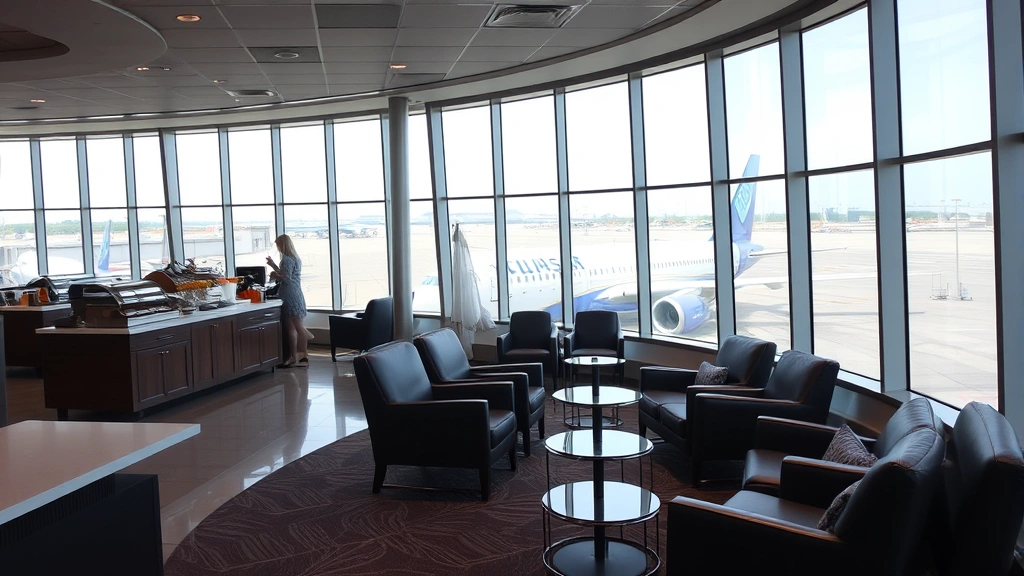
Lounge access represents the single best way to make delays tolerable. Frequent flyer lounges offer comfortable seating, complimentary food and beverages, shower facilities (in premium lounges), and quiet environments for work or rest. Day passes typically cost $25-60 but provide immense value during multi-hour delays.
Airport dining ranges from quick casual options to sit-down restaurants. While airport food costs premium prices, knowing which restaurants offer best value helps stretch meal budgets. Several terminals feature local Boston establishments—Stephanie’s on 80, Neptune Oyster, and Island Creek Oyster Bar—providing authentic New England dining experiences during delays.
Retail shopping fills time productively during extended delays. Logan offers duty-free shopping, bookstores, electronics retailers, and fashion boutiques. Many travelers find shopping enjoyable enough to welcome delays—though this strategy works better for multi-hour delays than brief 30-minute postponements.
Understanding Your Rights: Compensation and Protections During Flight Disruptions
U.S. Department of Transportation regulations provide passenger protections during flight disruptions. Rebooking obligations require airlines to rebook you on the next available flight at no additional cost when they cancel flights or cause delays. Airlines cannot force you to accept flights with significantly different times—typically defined as more than one hour earlier or three hours later than scheduled.
Meal and accommodation vouchers become mandatory when delays extend overnight. Airlines must provide food, beverages, and ground transportation. Hotels must be provided if overnight delay occurs. These aren’t optional courtesies—they’re legal requirements for overnight disruptions.
Communication requirements mandate airlines keep passengers informed about delay causes and expected departure times. Airlines must provide contact information for rebooking, refunds, and baggage services. Demanding this information in writing creates documentation if disputes arise.
Refund rights apply when airlines cancel flights and you choose not to rebook. Many airlines initially offer travel vouchers instead of refunds—legally, you can insist on cash refunds. Airlines sometimes resist, but DOT regulations clearly mandate refunds as an option.
International flights receive additional protections under EU261 (if departing European airports) or similar regulations. These provide compensation up to €600 ($650+) for delays exceeding three hours, regardless of delay cause. Many U.S.-Europe flights qualify even when booked on U.S. airlines. Documenting delays meticulously ensures you can claim compensation later.
Frequent flyers often receive additional compensation through elite status benefits—complimentary hotel upgrades, meal vouchers, and mileage bonuses—beyond basic DOT requirements. Politely requesting these benefits when delays occur often results in generous compensation.
For broader travel planning and protection, understanding best travel destinations for couples includes researching airport reputations and delay histories when planning romantic getaways.
Exploring underrated places to travel often means using smaller, less congested airports—a strategy that reduces delay risks while opening access to hidden gem destinations beyond major hubs.
Frequently Asked Questions About Logan Airport Delays
What’s the best time to fly from Logan to minimize delay risks?
Early morning flights (6-9 AM) experience fewer delays than afternoon/evening flights, as delays accumulate throughout the day. Midweek flights (Tuesday-Thursday) typically see fewer disruptions than weekend flights. Avoiding peak travel seasons (summer, holidays) significantly reduces delay probability. Statistically, 6-7 AM departures enjoy 10-15% lower delay rates than evening flights.
Should I purchase travel insurance to protect against Logan delays?
Travel insurance varies significantly in delay coverage. Standard policies often exclude delays under 12-24 hours. Premium policies covering 6-hour delays cost $15-40 per ticket but prove valuable for critical connections or non-refundable bookings. For business travelers, insurance often proves worthwhile; for leisure travelers, frequent flyer elite status provides better protection.
How can I improve my chances of avoiding delays during winter travel?
Book early morning flights before weather systems develop. Choose flights on larger aircraft (Boeing 777, Airbus A380) with better weather performance than regional jets. Build substantial buffer time between connections—3+ hours for international connections. Monitor weather forecasts 7-10 days before travel and consider rebooking if severe systems approach. Purchasing flexible tickets allows free rebooking if delays seem probable.
What should I do if my flight is delayed and I’ll miss a connection?
Immediately contact your airline through the app or customer service. Inform them you’ll miss your connection and request rebooking on the next flight to your final destination. Airlines are obligated to rebook you at no charge. If no flights remain that day, demand hotel accommodation and meals. Document everything in writing for potential compensation claims.
Do frequent flyer miles cover rebooking on premium cabins during delays?
Typically, no. Rebooking due to airline disruptions usually remains in your original cabin class. However, many airlines will upgrade elite frequent flyers to premium cabins when rebooking, as a courtesy. Politely requesting upgrades when rebooking often succeeds, particularly for elite members.
How accurate are flight delay predictions online?
FlightAware and similar platforms achieve 85-90% accuracy for delays exceeding 30 minutes. These predictions improve as departure time approaches—predictions within 2 hours of departure prove highly accurate. However, sudden weather developments or mechanical issues can create delays with little warning. Checking predictions 30 minutes before departure provides best accuracy.
Can I claim compensation for delays at Logan if I’m flying domestically?
U.S. domestic flights don’t qualify for EU261-style compensation, but you may claim compensation through your airline’s own policies or small claims court if you have documented expenses. International flights departing Boston to Europe often qualify for EU261 compensation (up to €600) regardless of airline nationality, making these flights more protective.
What’s the best strategy for managing return flights to Boston?
Book return flights early in the day, before delays accumulate. Arrange transportation in advance—pre-book rental cars or rideshare to avoid surge pricing. If arriving internationally, plan 2.5-3 hour buffer before connecting flights. Download your airline app and enable notifications. Most importantly, build extra time into your return travel plans; arriving home late matters less than missing flights.