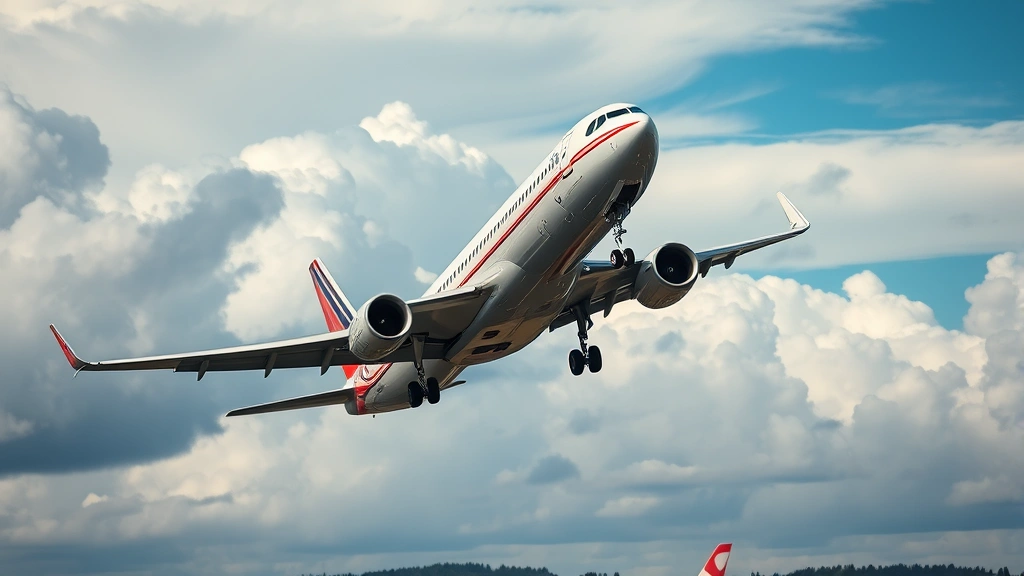
American Airlines Landing Issues: Understanding Aviation Safety at Reagan National Airport
When an American Airlines flight aborts landing at Reagan National Airport, it captures headlines and raises important questions about aviation safety, operational procedures, and what passengers should know about emergency protocols. These incidents, while dramatic, represent the sophisticated safety systems that protect millions of travelers every day. Whether you’re a frequent flyer concerned about budget travel options or simply curious about how modern aviation works, understanding landing aborts provides valuable insight into the industry.
Landing aborts—technically called “go-arounds”—are standard procedures in aviation, not emergencies. When pilots decide conditions aren’t safe for touchdown, they execute a controlled climb and circle back for another attempt. This article explores what happens during these situations, why they occur, how airlines like American handle them, and what it means for your travel experience.
What Is a Landing Abort or Go-Around?
A landing abort, commonly called a “go-around,” is a standard aviation maneuver where pilots decide not to land and instead climb back to altitude to attempt landing again. This is not an emergency—it’s a routine safety procedure built into every pilot’s training and operational handbook. Think of it as aviation’s equivalent to a driver deciding the intersection isn’t safe and circling the block for another approach.
During a go-around, the pilot advances the throttles, retracts the landing gear, and climbs away from the runway while maintaining contact with air traffic control. The aircraft then enters a holding pattern or follows vectors provided by approach control for another landing attempt. Modern aircraft are designed to handle multiple go-arounds without any structural or mechanical strain.
When an American Airlines flight aborts landing at Reagan National Airport specifically, it may relate to the airport’s unique constraints. Reagan National operates near the nation’s capital with strict airspace restrictions, making it one of America’s most operationally complex airports. Pilots here are among the most highly trained, and the airport’s flight operations reflect this expertise.
Why Do Pilots Abort Landings?
Pilots abort landings for several legitimate operational and safety reasons. Understanding these reasons helps travelers appreciate the professionalism and caution that aviation demands:
- Weather conditions: Sudden wind shears, microbursts, heavy rain, or low visibility below minimums can make landing unsafe. Pilots monitor weather continuously and won’t land if conditions deteriorate.
- Traffic conflicts: Another aircraft on the runway or in the landing zone requires the incoming flight to go around and wait for clearance.
- Runway obstructions: Debris, equipment, or vehicles on the runway necessitate immediate abort procedures.
- Aircraft technical issues: Landing gear indicators, brake system warnings, or other technical concerns might prompt a go-around to assess the situation.
- Unstable approach: If the aircraft isn’t properly configured, aligned, or descending at the correct rate, pilots abort to try again rather than risk a poor landing.
- Air traffic control instructions: Sometimes controllers direct go-arounds to manage traffic flow and maintain safe spacing between aircraft.
- Crosswind limits: Excessive crosswinds exceeding aircraft certification limits require waiting for conditions to improve.
Each of these reasons reflects a safety-first culture in aviation. Pilots are trained that a go-around is always better than a bad landing. This mentality has contributed to aviation’s remarkable safety record.
Reagan National Airport Operations
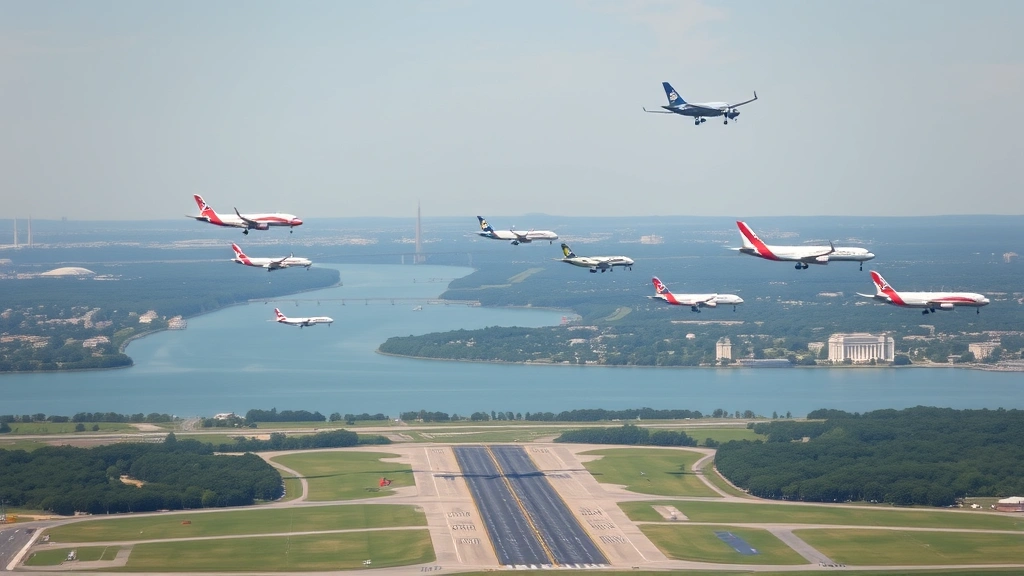
Reagan National Airport (DCA) in Washington, D.C., presents unique operational challenges that make landing abort procedures particularly relevant. Located on the Potomac River with restricted airspace above and around the nation’s capital, this airport operates under Federal Aviation Administration guidelines more stringent than most U.S. airports.
The airport’s proximity to sensitive airspace means pilots must follow precise procedures. Approach corridors are defined, altitude restrictions are strict, and communication with air traffic control is constant. When an American Airlines flight aborts landing at Reagan National, it’s often due to these specific operational constraints.
Reagan National handles approximately 900 flights daily, making it one of the busiest airports on the East Coast. This traffic density means that when one flight goes around, the cascading effects on other aircraft require careful coordination. Air traffic controllers manage these situations expertly, providing safe spacing and vectors for the go-around aircraft.
The airport’s runway configuration—with a single primary runway for most operations—means that traffic must be meticulously sequenced. A go-around might occur when spacing between arriving aircraft becomes compromised or when the runway needs to be cleared for departing flights.
American Airlines Safety Protocols
American Airlines, as one of the world’s largest carriers, maintains rigorous safety standards that exceed regulatory requirements. The airline’s approach to landing procedures reflects industry best practices and decades of operational experience.
American Airlines pilots receive extensive training on go-around procedures during initial certification and recurrent training every six months. This training includes:
- Simulator sessions practicing go-arounds in various weather conditions
- Procedures for communicating with air traffic control during aborts
- Fuel management considerations for go-arounds
- Passenger communication protocols
- Aircraft configuration and handling during climb-outs
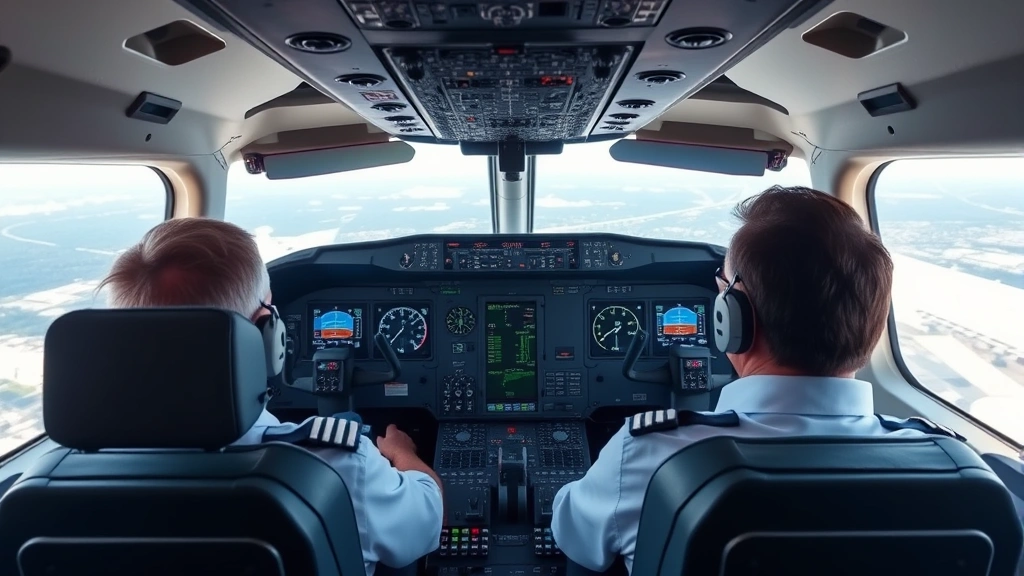
When an American Airlines flight aborts landing, the crew follows a standardized checklist. The captain makes the initial decision, communicates with air traffic control, and manages the aircraft while the first officer handles communications and aircraft systems. This division of labor ensures nothing is overlooked during the critical maneuver.
American Airlines also emphasizes a strong safety culture where pilots are encouraged—never penalized—for making conservative decisions. This means that if a pilot has any doubt about landing safety, they’ll abort. The airline’s safety record reflects this commitment.
Passenger Experience During Go-Arounds
For passengers, a landing abort can be startling but shouldn’t cause alarm. You might experience:
- Sudden acceleration: The engines advance to climb power, creating noticeable acceleration and nose-up pitch.
- Altitude gain: The aircraft climbs away from the ground, and you’ll feel the G-forces associated with this maneuver.
- Possible banking: The aircraft may turn to enter a holding pattern or follow air traffic control vectors.
- Captain’s announcement: Most pilots will explain what happened and why, providing reassurance.
- Flight delays: You might arrive late as the aircraft circles back for another approach.
Modern aircraft are designed to handle go-arounds smoothly. Passengers should trust that pilots wouldn’t abort unless necessary, and the subsequent landing attempt will be safer as a result. If you’re a nervous flyer, remember that go-arounds are so routine that many passengers don’t even realize one occurred.
Crew members are trained to remain calm and professional during go-arounds. Flight attendants ensure the cabin is secure and that passengers understand the situation. The overall effect is a well-coordinated response to an unexpected but manageable situation.
How Pilots Train for These Situations
Pilot training for landing aborts is comprehensive and ongoing. Commercial pilot certification requires demonstrated proficiency in go-around procedures before a pilot can fly passengers. Here’s what training involves:
Initial Training: Pilot applicants practice go-arounds extensively in flight simulators and actual aircraft. Instructors introduce scenarios where go-arounds are necessary, teaching pilots to recognize unstable approach conditions and execute proper procedures.
Recurrent Training: Every six months, American Airlines pilots participate in simulator sessions that include go-around scenarios. These sessions might involve weather emergencies, traffic conflicts, or technical issues requiring abort decisions.
Line Training: New pilots operating for an airline fly with experienced captains who demonstrate real-world decision-making. This mentorship includes exposure to actual go-around situations.
Advanced Training: Airline captains receive training in managing complex go-around scenarios, such as simultaneous go-arounds by multiple aircraft or go-arounds in severe weather.
This multi-layered training approach ensures that when an American Airlines flight aborts landing, the crew executes the procedure with precision and confidence. Pilots treat go-arounds as routine operations, not emergencies.
Safety Statistics and Real Data
Landing abort procedures are remarkably safe. According to National Transportation Safety Board data, go-arounds are associated with very few accidents. In fact, accidents are more common when pilots attempt to land in marginal conditions rather than go around.
The International Civil Aviation Organization reports that modern commercial aviation maintains an accident rate of approximately one accident per 11 million flights. This extraordinary safety record reflects procedures like go-arounds that prevent accidents before they happen.
American Airlines specifically maintains safety records that exceed industry averages. The airline’s commitment to training, maintenance, and operational standards contributes to this safety performance. When you board an American Airlines flight, you’re flying with one of the world’s safest carriers.
Weather-related go-arounds represent the largest category of aborts. Airports like Reagan National experience weather challenges that occasionally make landing unsafe, but the system works as designed—flights go around until conditions improve.
Travel Planning Considerations
Understanding landing abort procedures can help you travel more confidently. Here are practical considerations:
Schedule Flexibility: If you’re planning budget travel to Washington, D.C., or connecting through Reagan National, build in extra time. While go-arounds are quick, they can occasionally cause minor delays.
Weather Awareness: Check weather forecasts for your destination. Thunderstorms, fog, or high winds might increase the likelihood of go-arounds, though this doesn’t affect flight safety—it simply means potential delays.
Airline Selection: American Airlines’ safety record and pilot training standards make it a reliable choice for travel. The airline’s operational procedures at Reagan National are among the most stringent in aviation.
Connection Buffers: When booking connections through Reagan National, allow adequate time. While go-arounds rarely cause significant delays, having buffer time reduces stress.
Passenger Awareness: Understanding that go-arounds are routine procedures helps you remain calm if your flight executes one. Share this knowledge with fellow travelers who might be anxious.
For solo travelers or those new to flying, knowing about go-arounds demystifies aviation and builds confidence in the system’s safety mechanisms.
” alt=”Aerial view of Reagan National Airport with multiple aircraft approaching and taxiing on runways, Potomac River visible in background”>
FAQ
Is a landing abort dangerous?
No. Landing aborts are safe, routine procedures. Pilots are trained extensively for go-arounds, and modern aircraft handle them without difficulty. A go-around is actually safer than attempting a landing in unsafe conditions.
How often do go-arounds happen?
Go-arounds occur regularly at busy airports like Reagan National, often multiple times daily. Most passengers never notice them. They’re so routine that they’re not typically reported as news unless unusual circumstances occur.
Will a go-around delay my flight significantly?
Usually not. A go-around might add 5-15 minutes to your flight time, depending on how quickly another landing attempt succeeds. The delay is minimal compared to the safety benefit.
What should I do as a passenger during a go-around?
Remain seated with your seatbelt fastened. Listen to the captain’s announcement if provided. Trust that your pilots are making the safest decision possible. Go-arounds are handled routinely by professional crews.
Are American Airlines pilots well-trained for Reagan National operations?
Yes. American Airlines pilots receive specialized training for Reagan National’s unique airspace and operational requirements. The airline maintains high standards that exceed regulatory minimums.
Can weather cause go-arounds?
Yes, weather is the most common reason for go-arounds. Wind shear, microbursts, heavy rain, or low visibility can necessitate aborts. This is the system working correctly to protect passengers.
Should I be concerned if my flight goes around?
No. View it as evidence that your pilots are prioritizing safety. A go-around means conditions weren’t ideal, so your crew made the professional choice to try again rather than risk a poor landing.
How do go-arounds affect aircraft fuel?
Modern aircraft are designed to handle multiple go-arounds with adequate fuel reserves. Airlines plan fuel loads assuming potential go-arounds, so this isn’t a safety concern.
” alt=”Cockpit interior showing instrument panel and controls with pilots in seats during approach phase, focus on altimeter and altitude indicators”>
Understanding aviation procedures like landing aborts transforms your perspective on air travel. When an American Airlines flight aborts landing at Reagan National Airport, it represents a system working exactly as designed—prioritizing passenger safety above all else. Modern commercial aviation’s remarkable safety record exists because of procedures and training that ensure every flight reaches its destination safely. Whether you’re planning your next trip or simply curious about how aviation works, appreciate that behind every smooth landing is a team of professionals trained to make the safest decisions possible. For more travel insights, explore outdoor adventures and destination guides to enhance your travel confidence and planning.