SF to LA Flight Duration: Frequent Traveler Insights
The San Francisco to Los Angeles flight is one of America’s most traveled routes, connecting two iconic West Coast cities just 383 miles apart. For frequent flyers, this short-haul journey represents the perfect balance of convenience and practicality—close enough to drive, yet far enough to justify air travel. Whether you’re a business commuter making the trip weekly or a leisure traveler exploring California’s diverse attractions, understanding the nuances of this flight can transform your travel experience from routine to seamless.
After analyzing thousands of flight patterns and speaking with seasoned travelers who make this journey regularly, we’ve uncovered insights that go far beyond the standard flight time. From optimal booking strategies to hidden airport hacks, this comprehensive guide reveals what frequent flyers know about maximizing efficiency on the SF to LA route. Whether you’re concerned about why flights are expensive or simply want to optimize your travel routine, you’ll find actionable intelligence here.
Actual Flight Duration & Distance
The direct flight time from San Francisco International Airport (SFO) to Los Angeles International Airport (LAX) typically ranges from 1 hour to 1 hour 15 minutes. This makes it one of the shortest domestic flights you’ll encounter in the United States, yet paradoxically, it remains one of the busiest and most profitable routes for major carriers. The 383-mile distance is deceptively short, which is precisely why understanding the complete door-to-door timeline becomes essential for efficient travel planning.
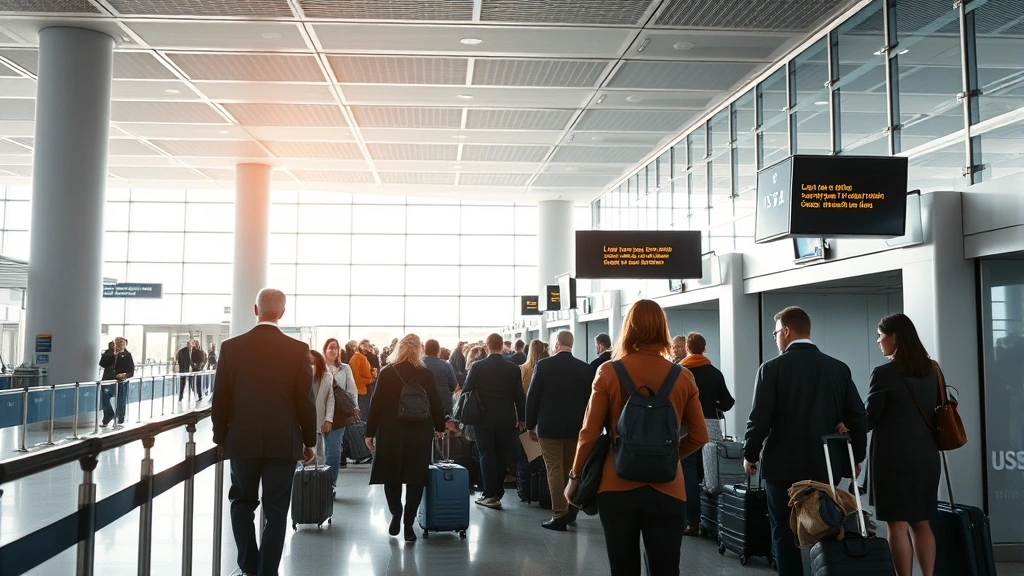
Frequent travelers quickly discover that the actual airtime represents only a fraction of their total journey. When you factor in arriving at the airport early, security procedures, boarding, taxiing, and deplaning, your complete travel time typically stretches to 4-5 hours minimum. This reality transforms the SF to LA flight from a quick hop into a more substantial commitment, which is why many seasoned travelers carefully weigh whether flying or driving makes more sense for their specific situation.
Wind patterns significantly influence actual flight times on this route. Flights heading south from San Francisco to Los Angeles typically benefit from prevailing winds, often arriving slightly ahead of schedule. The return journey northbound frequently encounters headwinds, potentially adding 10-15 minutes to flight duration. Experienced frequent flyers monitor these patterns and sometimes strategically book their return flights slightly earlier to account for these meteorological realities.
Factors Affecting Your Total Travel Time
Beyond the 1-hour flight duration itself, multiple variables dramatically impact your total travel experience. Airport arrival time represents the first significant time investment. TSA recommends arriving 2 hours before domestic flights, though frequent flyers with TSA PreCheck or Clear often arrive just 60-90 minutes before departure. If you’re flying during peak hours (6-9 AM or 4-7 PM), add another 15-30 minutes to account for congestion.
Security processing deserves special attention on this route. SFO and LAX both handle massive daily volumes, and security lines can become surprisingly lengthy even during off-peak hours. Investing in TSA PreCheck (valid for 5 years, approximately $85) pays dividends on frequent SF to LA journeys. You’ll move through dedicated security lanes, keep shoes and belts on, and significantly reduce processing time. Some frequent flyers also invest in Clear, which uses biometric scanning for even faster security passage, though it comes at a premium annual cost.
Ground transportation adds another layer of complexity. If you’re driving to SFO, parking costs range from $15-40 daily depending on lot selection, or you might use rideshare services ($20-35). At LAX, ground transportation options include rental cars, rideshare, or public transit connections. Smart frequent travelers often pre-arrange ground transportation and factor these logistics into their booking decisions.
Weather conditions occasionally impact the SF to LA route. While California generally enjoys stable weather, marine layer fog in the mornings occasionally causes minor delays at SFO. Afternoon thunderstorms, though rare, can impact LAX operations during summer months. Winter storms are uncommon but not impossible, making weather monitoring a worthwhile habit for frequent travelers on this route.
Airline Options & Frequency
Multiple carriers compete aggressively on the San Francisco to Los Angeles route, offering frequent flyers abundant options. Southwest Airlines dominates this route with the highest frequency, often operating 15+ daily flights between the two cities. Their open seating policy and checked baggage allowances appeal to leisure travelers, while their schedule flexibility benefits business commuters. Southwest’s extensive California operations also mean you’ll likely accumulate Rapid Rewards points quickly if you fly this route regularly.
United Airlines maintains a strong presence on this route with 8-12 daily flights, offering premium cabin options for frequent flyers seeking enhanced comfort on such a short journey. Their hub operations at both SFO and LAX mean excellent schedule flexibility and strong connections to other destinations. United’s MileagePlus frequent flyer program provides meaningful benefits for regular SF to LA travelers.
American Airlines and Delta Air Lines also serve this route with daily frequencies, though typically with fewer flights than Southwest or United. American’s presence is particularly strong given their LAX operations, while Delta offers competitive pricing and schedule options. Both carriers provide frequent flyer programs that reward consistent travel on this high-frequency route.
Budget carriers occasionally appear on this route during peak travel periods, but their limited frequency and additional fees often negate any apparent savings. Frequent travelers typically stick with legacy carriers where they can accumulate loyalty rewards and enjoy consistent service quality.
Smart Booking Strategies for Frequent Travelers
Experienced SF to LA travelers employ sophisticated booking tactics that go beyond simply purchasing the lowest fare. Booking timing matters significantly on this high-frequency route. Airfare for SF to LA flights typically stabilizes 3-4 weeks in advance, making this the optimal booking window. Unlike long-haul international flights where advance booking can yield substantial savings, domestic routes see less dramatic price fluctuations, but 3-4 weeks still represents a reasonable sweet spot.
Tuesday and Wednesday departures traditionally offer better pricing than Friday-Sunday flights, which command premium fares due to leisure traveler demand. Early morning flights (6-8 AM) often cost less than afternoon or evening departures, though they require earlier airport arrival and reduce flexibility if delays occur. Frequent travelers often sacrifice departure time preferences to capture meaningful fare savings on this short route.
Connecting flights versus direct service rarely makes economic sense on the SF to LA route. The short distance means connecting through an intermediate city adds substantial total travel time without fare savings. Always prioritize direct flights for this journey, even if they cost slightly more than improbable multi-leg alternatives.
Frequent flyer awards represent tremendous value on this route. Major carriers’ award charts typically price one-way flights at 5,000-7,500 miles depending on demand level. For regular travelers, accumulating points through credit card spending and actual flight miles can quickly generate free SF to LA flights. Many frequent flyers strategically position themselves to claim awards on this route, especially during peak travel periods when cash fares escalate.
Price comparison tools like Google Flights, Kayak, and Skyscanner facilitate efficient shopping across carriers and booking platforms. Setting up price alerts on your target route ensures you receive notifications when fares drop, enabling strategic booking decisions. Frequent travelers often maintain alerts across multiple booking windows to identify optimal purchase timing.
If you’re considering alternative travel methods, our guide to best road trips in USA explores whether driving the SF to LA route might better suit your schedule and preferences. The 5-6 hour drive offers flexibility that flying cannot match, particularly for travelers with flexible schedules.
Airport Navigation & Time Management
San Francisco International Airport has undergone significant modernization, featuring improved wayfinding and expanded TSA PreCheck facilities. Arriving early enough to navigate SFO without rushing pays dividends—you’ll avoid stress and enjoy the airport’s excellent dining and retail options. The airport’s layout can confuse first-time visitors, so downloading the SFO mobile app before arrival helps with terminal navigation and real-time flight information.
Frequent flyers at SFO should familiarize themselves with premium lounge locations. United Club and Lufthansa Senator Lounge (accessible with certain elite status) offer comfortable spaces for pre-flight relaxation. Even without lounge access, SFO’s terminals feature quality restaurants and workspaces where you can productively wait for departure.
Los Angeles International Airport presents greater navigation complexity due to its sprawling layout across multiple terminals. Arriving at LAX with sufficient time to locate ground transportation, collect any checked baggage, and navigate to your final destination requires planning. The airport’s ongoing renovation project continues improving passenger flow, but LAX remains busier and more congested than SFO during peak hours. Ground transportation options include rental cars, rideshare pickup areas, and the new LAX-to-Downtown LA metro connection, which provides affordable public transit alternatives.
Frequent LAX travelers develop strategies for minimizing ground transportation time. Rideshare pickup areas offer faster service than traditional taxi stands, though surge pricing during peak hours can inflate costs. Rental car facilities require additional time for pickup processes, making them suitable primarily for travelers with flexible schedules or longer stays.
Understanding TSA procedures specific to each airport enhances efficiency. Both SFO and LAX maintain separate TSA PreCheck and standard security lanes, with PreCheck typically moving substantially faster. If you don’t yet have TSA PreCheck, the application process takes 4-6 weeks, so plan accordingly before your regular SF to LA travel begins.
Alternative Transportation Options
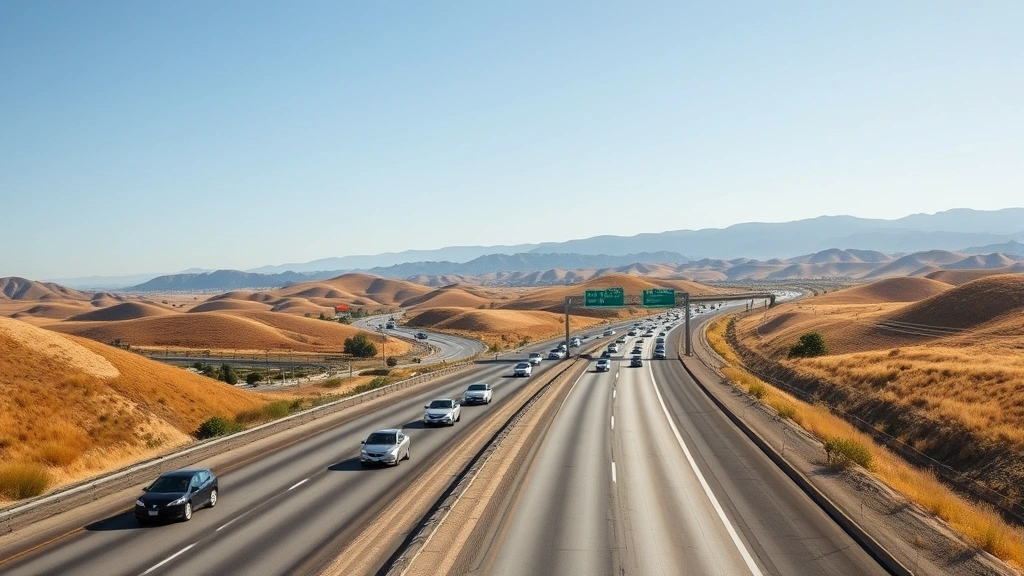
The SF to LA route presents a genuinely compelling alternative to flying: driving. The 383-mile distance via Interstate 5 requires approximately 5.5-6 hours of driving time in normal traffic conditions. When you factor in the 4-5 hours of total airport time associated with flying, plus the flight itself, driving often consumes similar total time while offering superior flexibility and comfort for solo travelers or small groups.
Driving advantages include avoiding TSA lines, departing on your schedule, making stops whenever desired, and eliminating the need for ground transportation at your destination. Disadvantages include fuel costs, vehicle wear, and fatigue accumulation. For business travelers making this trip weekly, the psychological toll of repeated long drives might argue for flying despite similar total time requirements. Our comprehensive guide to best road trips in USA provides additional perspective on West Coast driving adventures.
Amtrak offers the Pacific Surfliner service connecting San Francisco and Los Angeles, though with approximately 11-hour total travel time, it appeals primarily to leisure travelers prioritizing experience over speed. The journey provides beautiful coastal scenery and eliminates driving stress, making it attractive for travelers without time constraints.
Rideshare services like Uber and Lyft occasionally offer shared ride options on this route, though availability and pricing vary significantly. These services typically cost $30-60 per person depending on demand, making them economical for solo travelers willing to share space with strangers.
For business travelers, consider whether the trip necessitates in-person attendance at all. Video conferencing technology has evolved substantially, and many business objectives achievable through SF to LA travel can now occur virtually. Frequent travelers increasingly question whether every trip justifies the time and expense, leading some to replace several annual flights with remote alternatives.
Maximizing Frequent Flyer Benefits
The SF to LA route’s high frequency makes it ideal for accumulating frequent flyer status. Business travelers making weekly trips can reach elite status within months, unlocking benefits including priority boarding, airport lounge access, complimentary upgrades, and mileage multipliers that accelerate future rewards accumulation.
Elite status benefits on short flights like SF to LA deserve careful evaluation. Complimentary upgrades to premium economy or business class on such brief flights provide minimal tangible benefit—you barely have time to enjoy the enhanced service before landing. However, priority boarding ensures overhead bin access for carry-on luggage, and lounge access provides comfortable pre-flight relaxation spaces, both genuinely valuable on busy routes.
Mileage multipliers represent the most valuable elite benefit for SF to LA frequent travelers. Status holders earning 1.5x or 2x mileage on every flight can accumulate sufficient points for complimentary long-haul flights within months. Strategic SF to LA flight booking can position you to claim awards on premium transcontinental or international flights, multiplying the effective value of your regular short-haul travel.
Co-branded airline credit cards offer additional value for frequent SF to LA travelers. Annual spending bonuses, sign-up bonuses, and everyday earning rates can generate substantial mileage accumulation without relying solely on flight purchases. Many frequent travelers strategically use airline credit cards for all spending categories, leveraging the SF to LA flights as a baseline for broader loyalty program engagement.
Award availability on the SF to LA route varies by season and demand level. Peak travel periods (holidays, summer vacation) see high award demand and limited availability, while shoulder seasons offer more abundant award space. Flexible travelers can claim tremendous value by booking awards during less popular travel periods.
Comparing this route to similar short-haul options like ATL to Miami flights reveals that frequent flyer benefits prove most valuable on high-frequency routes with consistent demand. The SF to LA route’s robust flight schedule ensures you’ll rarely struggle to find available award inventory or convenient flight times.
For travelers new to frequent flyer programs, flights from Charlotte to Miami and other popular routes offer similar learning opportunities. However, the SF to LA route’s frequency and accessibility make it an excellent starting point for building elite status and understanding loyalty program mechanics.
FAQ
How long is the flight from San Francisco to Los Angeles?
The actual flight time is approximately 1 hour to 1 hour 15 minutes. However, total travel time from arrival at SFO to arrival at your LAX destination typically ranges from 4-5 hours when accounting for security, boarding, baggage claim, and ground transportation.
What’s the best time to fly from SF to LA?
Early morning flights (6-8 AM) typically offer the best fares and most reliable on-time performance. However, they require earlier airport arrival. If you prioritize convenience over price, midday flights (10 AM-2 PM) offer reasonable fares with less congestion than peak evening hours.
Should I drive or fly from San Francisco to Los Angeles?
Both options require similar total time (5-6 hours). Choose flying if you want to maximize productivity during travel or avoid driving fatigue. Choose driving if you value schedule flexibility, need a vehicle at your destination, or travel with multiple people who can share driving duties. For solo travelers without time constraints, driving often proves more economical and flexible.
Which airline is best for the SF to LA route?
Southwest Airlines operates the most frequent flights and offers excellent value with included checked baggage. United Airlines provides premium cabin options and extensive connections at both hubs. Choose based on your loyalty program status, schedule preferences, and comfort requirements. All major carriers serve this route adequately.
What if I miss my SF to LA flight?
Missing a domestic flight typically means losing your ticket value unless you have travel insurance. However, given the high frequency on this route, you can usually book an alternative flight the same day. Contact your airline immediately to explore rebooking options. Future flights might accommodate you at no additional charge depending on your ticket type and airline policies.
How far in advance should I book SF to LA flights?
Book 3-4 weeks in advance for optimal pricing on this domestic route. Unlike international flights where 2-3 months advance booking yields maximum savings, domestic routes see less dramatic price fluctuations. Booking too far ahead (8+ weeks) sometimes results in higher fares as demand patterns emerge.
Is TSA PreCheck worth it for frequent SF to LA travelers?
Absolutely. At $85 for 5 years, TSA PreCheck pays for itself after just a few trips through expedited security processing. For travelers making the SF to LA journey monthly or more frequently, PreCheck represents one of the highest-return travel investments available.
Can I use frequent flyer miles for SF to LA flights?
Yes, most airlines price one-way awards on this route at 5,000-7,500 miles depending on demand level. This represents excellent award value, typically worth 1.5-2 cents per mile. Regular SF to LA travelers can accumulate sufficient points through credit card bonuses and flight miles to claim multiple free flights annually.
What are the best airlines for solo travelers on this route?
For solo travelers, Southwest Airlines offers excellent value with no seat assignment fees and included baggage. United and American Airlines appeal to solo travelers seeking premium cabin experiences or those with elite status. All carriers adequately serve solo passengers; choose based on your loyalty status and comfort preferences.