Travel Essentials: Must-Have Packing Tips for Every Adventure
Packing for travel can feel overwhelming, whether you’re embarking on a quick weekend getaway or a month-long international expedition. The difference between a smooth, enjoyable trip and a frustrating one often comes down to preparation and knowing exactly what to pack. This comprehensive guide covers everything you need to know about travel packing, from essential clothing items to tech gadgets, toiletries, and travel documents that will ensure you’re ready for anything your journey throws your way.
The key to successful packing is finding the right balance between being prepared and traveling light. Rather than throwing everything into your luggage, strategic planning helps you pack smarter, move faster through airports, and avoid baggage fees. Whether you’re planning flights from Atlanta to Houston or international travel, these packing essentials will transform how you prepare for your trips.
Clothing Essentials and Layering Strategy
Building a versatile travel wardrobe starts with understanding the climate of your destination and the duration of your trip. The foundation of smart travel clothing relies on the layering principle: combining lightweight, versatile pieces that work together in multiple combinations. This approach maximizes outfit options while minimizing luggage space.
Start with a base layer of neutral-colored clothing items. Pack 3-4 pairs of quality jeans or neutral pants, 5-7 versatile tops in solid colors that coordinate with each other, and 2-3 lightweight sweaters or cardigans. These basics serve as the foundation for numerous outfit combinations. Add one pair of shorts for warmer weather and one pair of leggings for cooler destinations or layering.
Footwear deserves special attention since shoes take up significant luggage space. Limit yourself to 3-4 pairs maximum: comfortable walking shoes (essential for exploring cities), casual sneakers, one dressier option for restaurants or social occasions, and climate-appropriate footwear like sandals for beach destinations or waterproof boots for rainy climates. All shoes should be broken in before your trip to avoid blisters and discomfort.
Undergarments and socks often get overlooked in packing discussions, but they’re crucial for comfort during travel. Pack enough for 5-7 days, relying on laundry facilities for longer trips. Consider moisture-wicking materials that dry quickly and take up minimal space. A lightweight scarf or pashmina serves multiple purposes: it provides warmth on flights, works as a beach cover-up, and adds style to outfits.
Travel Documents and Money Management
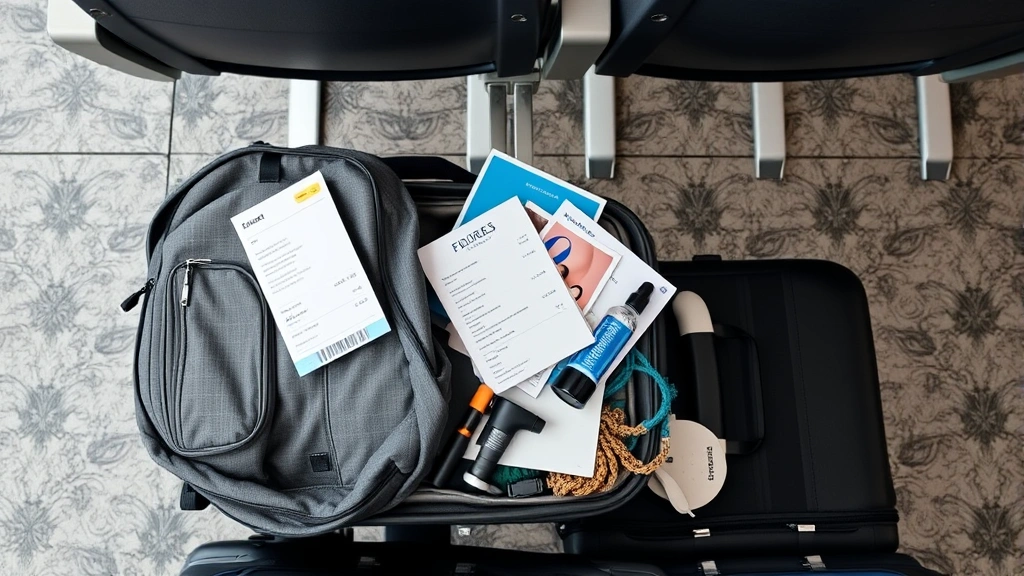
Before departure, organize all essential travel documents in a dedicated folder or travel organizer. Your passport is your most critical document—keep it easily accessible but secure. Make photocopies of your passport’s main pages and store them separately from the original. Consider taking digital photos of important documents and emailing them to yourself for emergency access.
For international travel, research visa requirements well in advance. Many countries require visas obtained before arrival, while others offer visa-on-arrival options. Check travel advisories from official government sources for your destination to understand any entry requirements or safety considerations.
Travel insurance deserves serious consideration, particularly for international trips. This protection covers unexpected medical expenses, flight cancellations, and lost luggage. Keep insurance documentation accessible throughout your journey. If you’re monitoring AI101 flight status or any flight details, having comprehensive coverage provides peace of mind.
Currency management has evolved with digital payment options, but carrying some local currency is still wise. Exchange money before departure or use ATMs at your destination for better rates. Notify your bank of travel dates to prevent fraud blocks on your cards. Keep credit cards and cash in separate locations for security.
Toiletries and Personal Care Items
Travel-sized toiletries are your friends. Most personal care items can be purchased at your destination, but bringing your preferred brands ensures comfort and avoids the markup of hotel shops. Pack items in a clear, quart-sized bag if flying domestically within the US, adhering to TSA liquid restrictions.
Essential toiletries include toothbrush, toothpaste, deodorant, shampoo, conditioner, and body wash. Add a moisturizer suitable for your skin type, as airplane cabins and different climates can be drying. Women should pack any necessary feminine hygiene products, as availability varies by country. Sunscreen is critical regardless of destination—UV protection matters even on cloudy days.
Medications require special attention. Bring prescriptions in original labeled containers with your name clearly visible. For controlled substances, carry a copy of your prescription or doctor’s letter. Pack medications in your carry-on bag rather than checked luggage to ensure access if your bags are delayed. Additionally, pack basic over-the-counter medications: pain relievers, antihistamines, anti-diarrheal medication, and any personal remedies you rely on.
Dental care items often get forgotten but are essential for trip comfort. Pack floss, mouthwash, and any special dental products you use. If you wear contact lenses, bring extra solution and backup glasses. Hair care products should include your usual styling items in travel sizes.
Technology and Electronics
Modern travel demands reliable technology. Your smartphone is invaluable for navigation, communication, and emergencies. Bring a universal power adapter suitable for your destination’s outlets—different regions use different plug types. A portable battery pack ensures your devices stay charged throughout long travel days.
Consider bringing a lightweight laptop or tablet for entertainment and productivity, though these aren’t essential for short trips. Headphones or earbuds are crucial for flights, train rides, and quiet time in your accommodation. Noise-canceling options significantly improve the flying experience, and like a quality best neck pillow for long flights, they enhance comfort during extended travel.
Download offline maps of your destination before departure, eliminating reliance on data connectivity. Store important documents digitally in cloud storage accessible from any device. Bring charging cables for all your devices—losing a charger can be frustrating and expensive. A multi-device charging station saves space and organizational headaches.
Camera equipment depends on your photography interests. Many travelers find their smartphone camera sufficient, but dedicated cameras offer better quality for serious photographers. Remember to bring extra memory cards and batteries if using a dedicated camera.
Health and Safety Items
Travel health preparation extends beyond medications. Pack a small first-aid kit containing adhesive bandages, pain relievers, antibiotic ointment, and blister treatment. Include any personal medical supplies you might need, such as insulin, EpiPens, or inhalers.
Travel-related health risks vary by destination. For tropical locations, pack insect repellent and consider antimalarial medication if traveling to endemic areas. Consult your healthcare provider about vaccinations appropriate for your destination. The CDC website provides comprehensive destination-specific health information.
Hand sanitizer and antibacterial wipes protect against common travel illnesses. Stomach issues are among the most common travel complaints—pack probiotics and digestive aids as preventative measures. Stay hydrated throughout your journey; bring a reusable water bottle to fill after airport security.
Safety items include a small flashlight or headlamp, especially useful for navigating dark accommodations or streets. A doorstop wedge provides additional security in hotel rooms. Keep valuables in a money belt or hidden pouch worn under clothing. Travel with copies of important documents stored separately from originals.
Comfort Items for Long Journeys
Long flights and extended travel days benefit from comfort-enhancing items. A quality neck pillow supports your head during sleep and reduces neck strain. Compression socks improve circulation during long flights and help prevent deep vein thrombosis on extended journeys. An eye mask and earplugs create a sleep-friendly environment on planes and trains.
Entertainment options prevent boredom during travel. Download movies, TV shows, podcasts, and audiobooks to your devices before departure. E-readers like Kindle provide access to thousands of books without weight. Puzzles, travel journals, or sketch pads offer creative activities.
Snacks sustain you between meals and provide comfort during travel. Pack shelf-stable favorites like granola bars, nuts, dried fruit, or chocolate. Airplane food doesn’t appeal to everyone, so having your own options ensures satisfaction. Remember that TSA rules prohibit liquids and gels but allow solid foods through security checkpoints.
A lightweight scarf or shawl serves as a blanket on flights and in cool accommodations. Quick-dry towels take minimal space compared to regular towels and are useful for beach trips or unexpected spills. A small sewing kit addresses minor clothing emergencies.
Smart Packing Techniques
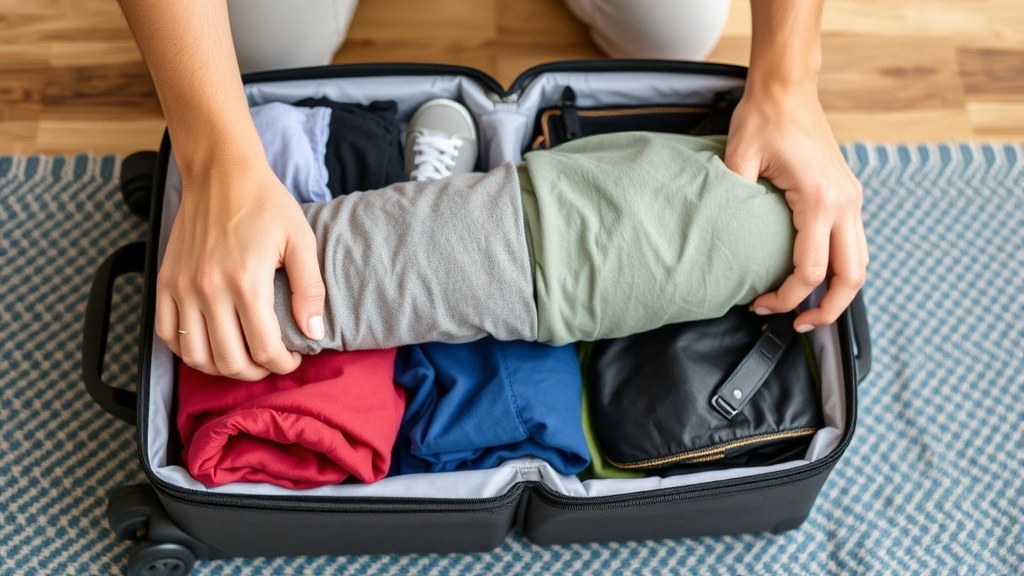
Rolling clothes instead of folding them saves significant space and reduces wrinkles. Compression bags further minimize luggage volume, though they add weight. Pack heavier items at the bottom of your suitcase and lighter items on top for better weight distribution.
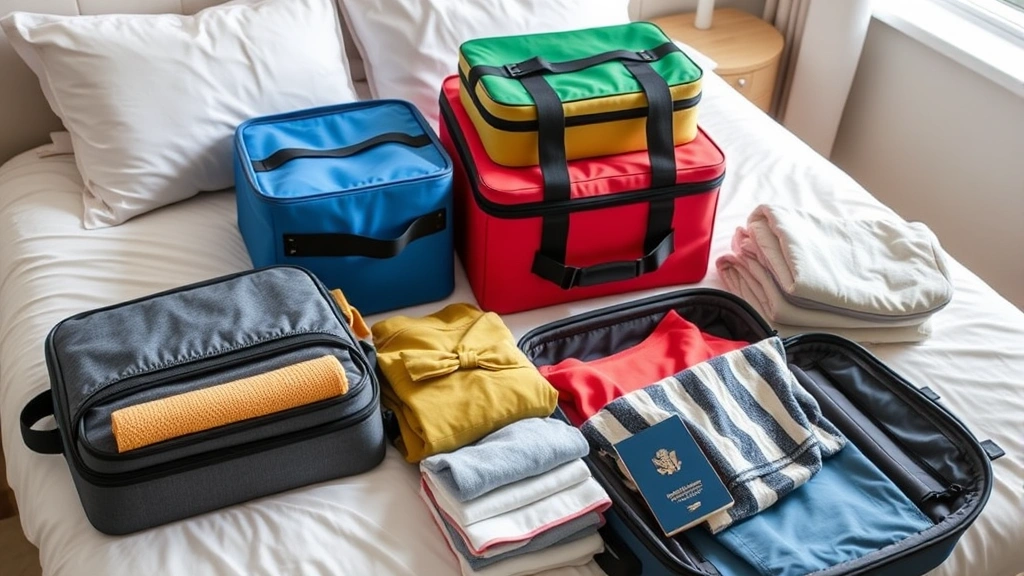
Use packing cubes or organizers to compartmentalize items, making it easier to find what you need without unpacking everything. Assign different cubes to clothing categories, toiletries, electronics, and miscellaneous items. This system also simplifies repacking when moving between accommodations.
Pack items you’ll need first on top of your suitcase. If you’re checking luggage, keep essential items in your carry-on: medications, valuables, important documents, and a change of clothes in case your checked bag is delayed. Airlines occasionally mishandle baggage, so this precaution protects you.
For flights, check your airline’s baggage policy regarding size and weight limits. Many airlines now charge for checked bags, making it worthwhile to pack everything in a carry-on if possible. Weigh your luggage before heading to the airport to avoid surprise overweight fees and the stress of repacking at check-in.
Minimize packing anxiety by creating a detailed packing list tailored to your specific trip. Note your destination climate, trip duration, planned activities, and dress code expectations. Review the list several days before departure, allowing time to locate items and adjust as needed.
FAQ
What should I pack for a beach vacation?
Beach trips require swimsuits (pack 2-3 for rotation and drying), lightweight breathable clothing, flip-flops or sandals, a cover-up, sunscreen, sunglasses, and a wide-brimmed hat. Include a lightweight rain jacket for tropical afternoon showers. Consider a dry bag for protecting electronics near water.
How do I pack for a business trip?
Business travel demands professional attire appropriate to your industry. Pack 2-3 business outfits in neutral colors, one business casual option, comfortable walking shoes, and professional footwear. Include a blazer or sport coat for formal meetings. Bring business cards, a portfolio or briefcase, and professional accessories. Keep business documents and electronics easily accessible in your carry-on.
Should I pack an umbrella?
Lightweight compact umbrellas take minimal space and prove invaluable in rainy destinations. However, if you’re traveling to a rainy climate, a waterproof jacket might be more practical. Check your destination’s weather forecast to decide based on precipitation likelihood.
How can I avoid overpacking?
The key is limiting yourself to a color palette where most items coordinate. Plan specific outfits before packing rather than throwing in random items. Remember you can do laundry during longer trips. Choose versatile pieces that work in multiple outfits and climates.
What’s the best carry-on luggage size?
Standard carry-on dimensions are approximately 22 x 14 x 9 inches, though airlines vary. Check your specific airline’s requirements before purchasing luggage. A carry-on bag should fit in overhead bins and allow you to move comfortably through airports.
Is travel insurance really necessary?
Travel insurance protects against unexpected expenses like medical emergencies, flight cancellations, and lost luggage. While not legally required, it’s highly recommended, especially for international travel, expensive trips, or traveling during uncertain weather seasons. Review coverage details carefully to ensure it meets your needs.
How should I pack fragile items?
Wrap fragile souvenirs in clothing items like socks or t-shirts for padding. Place wrapped items in the center of your suitcase, surrounded by soft items. Use packing paper or bubble wrap for extra protection. Consider shipping valuable or fragile items to your home address instead of packing them.
What do I do if my flight is delayed or AI 174 flight status shows changes?
Keep your carry-on bag packed with essentials for an unexpected overnight stay: toiletries, medications, a change of clothes, and entertainment. Subscribe to airline notifications for real-time updates. Know your airline’s delay compensation policies, and document delays for potential reimbursement claims.