Closest Airport to Yellowstone? Insider Guide to Getting There
Planning an adventure to Yellowstone National Park? One of the first decisions you’ll face is figuring out which airport gets you closest to this natural wonder. While Yellowstone itself doesn’t have a commercial airport, several regional hubs serve the park, each offering distinct advantages depending on your travel plans, budget, and preferred entry point. Understanding your options can save you hours of driving and help you maximize your time exploring geysers, wildlife, and dramatic landscapes.
The reality is that getting to Yellowstone requires a combination of flying and ground transportation. Most visitors fly into one of three primary airports, each within striking distance of the park’s multiple entrances. Whether you’re looking for the absolute shortest flight or the most convenient overall travel experience, this insider guide will walk you through every option and help you make the best choice for your Yellowstone adventure.
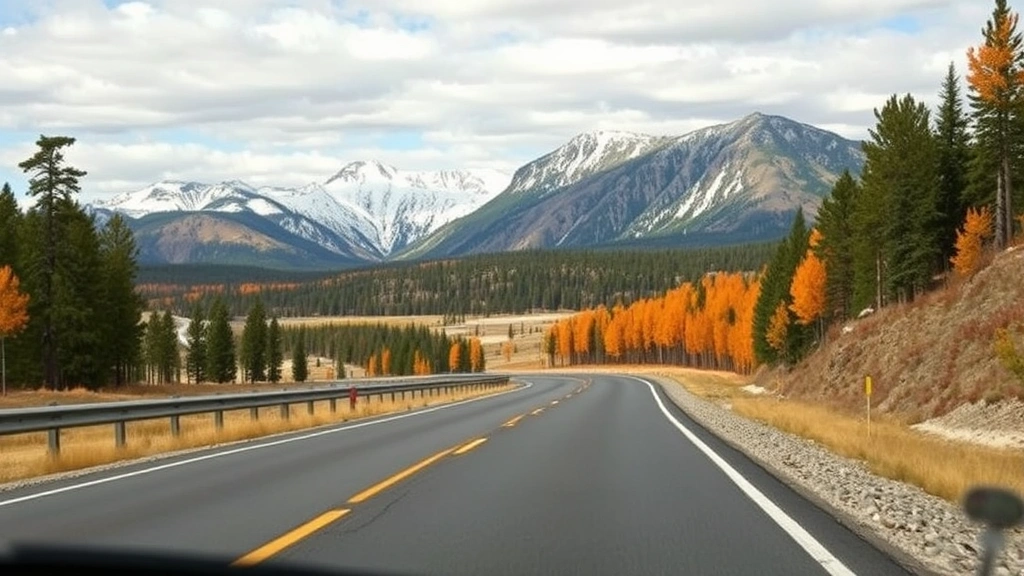
Bozeman Gallatin International Airport: The Northern Gateway
Bozeman Gallatin International Airport (BZN) consistently ranks as the closest commercial airport to Yellowstone’s northern entrance, sitting just 90 minutes away. This makes it the top choice for most visitors seeking convenience and direct flight options from major U.S. cities. The airport has experienced significant growth over the past decade, with expanded facilities and increased airline competition driving down fares.
Located in Bozeman, Montana, this airport serves as your gateway to some of Yellowstone’s most iconic attractions. The drive to the park’s north entrance at Mammoth Hot Springs takes approximately 1.5 to 2 hours depending on road conditions and traffic. During winter months, this route may require chains or four-wheel drive, but it remains the most direct path to the park’s interior.
What makes Bozeman particularly attractive is the abundance of Bozeman visitor services and rental car options. The town itself is worth exploring, with excellent restaurants, breweries, and outdoor recreation that can extend your trip beyond the park. Major airlines including Southwest, United, Delta, and Alaska offer multiple daily flights from Denver, Salt Lake City, and other hub cities.
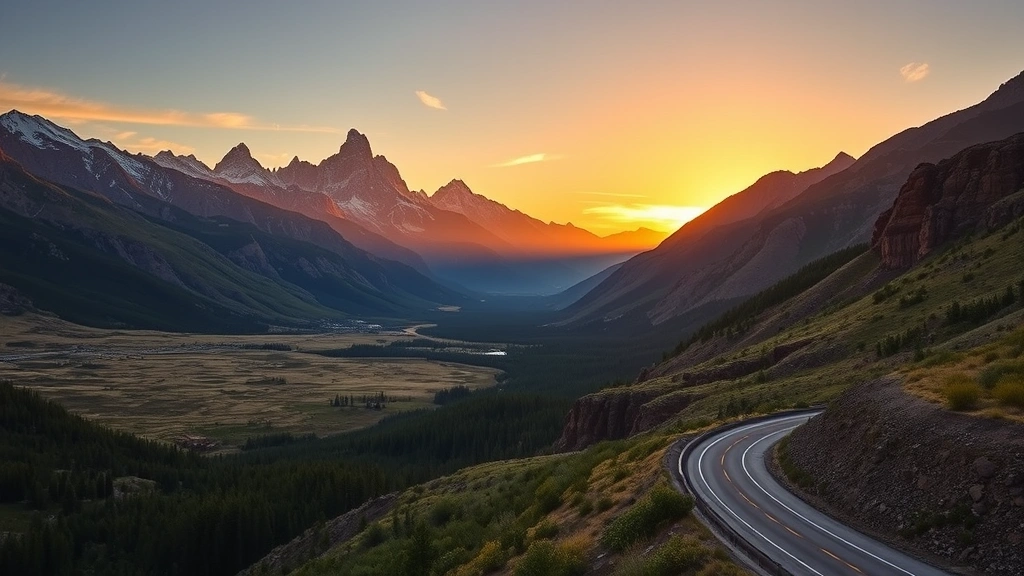
Jackson Hole Airport: The Southern Approach
Jackson Hole Airport (JAC) in Wyoming represents another excellent option, particularly if you want to explore the park’s southern regions and the Grand Teton National Park area. Located approximately 60 miles south of Yellowstone’s south entrance, this airport offers a slightly different travel experience than its northern counterparts.
The drive from Jackson Hole to the park’s south entrance typically takes 1 to 1.5 hours, making it competitive with Bozeman in terms of distance. However, Jackson Hole offers unique advantages: you can combine your Yellowstone visit with Jackson Hole and Grand Teton exploration, creating a comprehensive Rocky Mountain adventure. The town of Jackson is a charming mountain destination with world-class dining and lodging options.
One consideration: Jackson Hole Airport is smaller than Bozeman, which means fewer daily flights and potentially higher airfares. However, if you’re already planning to visit the Tetons, this airport makes geographic sense. The route offers stunning scenery and access to some of Yellowstone’s most photographed locations, including the Grand Prismatic Spring and Old Faithful.
West Yellowstone Airport: The Closest True Gateway
If you’re seeking the absolute closest airport experience, West Yellowstone Airport (WYS) deserves consideration, though with important caveats. Located just 1 mile from Yellowstone’s west entrance, this is literally the closest airport to the park. However, this convenience comes with significant limitations.
West Yellowstone Airport is a small regional facility with extremely limited commercial service. Most major airlines don’t operate here, which means you’ll likely need to connect through larger hubs like Bozeman, Jackson Hole, or Denver connections before reaching West Yellowstone. Charter flights and small regional carriers serve the airport, but these options are considerably more expensive than flying into Bozeman.
The advantage is obvious: once you land at West Yellowstone, you’re immediately at the park’s entrance. There’s no 90-minute drive; you can be geyser-gazing within minutes. During peak summer season, West Yellowstone fills with tourists and offers ample services, but during winter, the town essentially shuts down, and the airport closes to commercial traffic.
Comparing Drive Times and Routes to Key Park Entrances
Understanding the specific routes and drive times helps you choose the best airport for your itinerary. Each airport serves different park entrances, and your choice should align with where you want to spend most of your time.
From Bozeman (BZN) to North Entrance (Mammoth): Approximately 90 minutes via US-191 South. This is the most direct route and typically the fastest drive. The road is well-maintained year-round, though winter driving requires caution.
From Jackson Hole (JAC) to South Entrance: Approximately 60-75 minutes via US-26 North and US-287 North. This scenic route winds through the Teton range and offers breathtaking views. During winter, this route can be challenging.
From West Yellowstone (WYS) to West Entrance: Approximately 1-5 minutes depending on your final destination within the park. While technically closest, remember that West Yellowstone airport offers limited commercial service.
For exploring the park’s interior, Bozeman offers the most strategic position. You’re positioned near the north entrance, which provides access to the entire Grand Loop Road. This means you can explore Mammoth Hot Springs, the Grand Canyon of the Yellowstone, and Old Faithful without backtracking.
Seasonal Considerations for Your Airport Choice
Yellowstone’s seasonal variations significantly impact airport accessibility and road conditions. Your travel dates should influence your airport decision.
Summer (June-September): All airports operate normally with full commercial service. Road conditions are optimal, and all park roads are open. This is peak season with highest airfares and accommodation costs.
Fall (September-October): Excellent time to visit with fewer crowds. All airports remain fully operational. Weather becomes increasingly unpredictable, particularly in late October. Bozeman often sees early snow.
Winter (November-March): West Yellowstone Airport closes to commercial traffic. Bozeman becomes your best option, though winter driving requires preparation and potentially chains. Jackson Hole remains open but faces similar winter driving challenges. The park’s north entrance via Mammoth remains open year-round, making Bozeman the winter choice.
Spring (April-May): Transition season with variable conditions. Most roads open by late May. Winter weather can linger into April, particularly at higher elevations. Bozeman remains the safest bet.
Ground Transportation Options From Your Chosen Airport
Once you’ve selected your airport, you’ll need transportation to reach Yellowstone. Several options exist beyond traditional car rentals.
Rental Cars: The most flexible option, allowing you to explore the park at your own pace. All three airports offer multiple rental companies. Budget considerations: expect to pay $40-80 per day for economy vehicles, with seasonal variations.
Shuttle Services: Many tour operators offer shuttle services from airports directly to park lodges and gateway towns. These are convenient but less flexible, operating on fixed schedules. Companies like Yellowstone’s official transportation guide can direct you to approved operators.
Guided Tours: Comprehensive packages including transportation, lodging, and park activities. These eliminate planning stress but offer less independence. Prices typically range from $1,500-3,500 per person for multi-day packages.
Ride-Sharing: Uber and Lyft operate in larger gateway towns like Bozeman and Jackson, but availability is limited once you venture toward the park. Not recommended as your primary transportation solution.
RV Rentals: Popular for Yellowstone adventures, combining accommodation and transportation. Rental costs range from $100-300 per day, with additional campground fees. RVs provide flexibility but require planning during peak season when campgrounds fill quickly.
Money-Saving Tips for Your Yellowstone Airport Decision
Airfare represents a significant portion of your Yellowstone travel budget. Strategic airport selection can yield substantial savings.
Compare Total Travel Costs: Don’t just look at airfare; factor in ground transportation. A cheaper flight into Jackson Hole might cost more when you add rental car expenses for the longer drive. Use flight comparison tools to calculate total journey costs.
Leverage Hub City Connections: Flying into Bozeman often requires a connection through Denver, Salt Lake City, or another hub. Sometimes, booking your connection separately yields savings. Compare multi-leg flight strategies against direct bookings.
Timing Matters: Flying midweek (Tuesday-Thursday) typically costs less than weekend flights. Early morning or late evening departures often have lower fares. Booking 3-6 weeks in advance provides better pricing than last-minute bookings.
Consider Gateway Town Stays: Spending a night in Bozeman or Jackson before heading to the park can break up your journey and sometimes yield lower overall costs when booking package deals combining lodging and activities.
Shoulder Season Travel: September and early October offer excellent value. You’ll avoid peak summer crowds and pricing while still enjoying warm weather and open roads. Spring visits in May offer similar advantages.
Rental Car Strategies: Book rental cars in advance through aggregator sites like Kayak or Autoslash, which often beat airport counter prices. Consider whether you truly need a rental for your entire stay, or if you can rent for specific days while using shuttles or lodging-provided transportation otherwise.
Park Entry Planning: The $35 vehicle pass grants 7-day access to Yellowstone and Grand Teton. If you’re visiting both parks, this represents excellent value. Annual passes ($80) make sense if you plan multiple visits.
FAQ
What is the absolute closest airport to Yellowstone?
West Yellowstone Airport (WYS) is literally closest, just 1 mile from the park’s west entrance. However, it offers limited commercial service. Bozeman Gallatin International Airport (BZN) is the closest airport with regular commercial flights, approximately 90 minutes from the north entrance.
Can I fly directly into Yellowstone?
No commercial airports operate within Yellowstone National Park. Charter flights and private aviation use small regional airstrips, but these are expensive and impractical for most visitors. You’ll fly into one of the regional airports and drive to the park.
Which airport has the cheapest flights?
Bozeman typically offers the most competitive pricing due to increased airline competition and frequency. However, deals vary seasonally. Always compare total travel costs including ground transportation, not just airfare alone.
Is winter driving from Bozeman to Yellowstone safe?
The drive from Bozeman to Mammoth Hot Springs (north entrance) is generally safe in winter, though it requires preparation. The road is plowed regularly, but chains or four-wheel drive may be necessary. Check current road conditions before traveling, and ensure your vehicle is winter-ready.
Should I rent a car for my Yellowstone trip?
A rental car provides maximum flexibility for exploring the park at your own pace. If you prefer structured experiences, guided tours or shuttle services are alternatives. Most independent travelers find car rentals essential for accessing Yellowstone’s dispersed attractions.
How long does it take to drive from Jackson Hole to Yellowstone?
The drive from Jackson Hole Airport to Yellowstone’s south entrance typically takes 60-75 minutes. From the south entrance to central park attractions like Old Faithful takes an additional 1-1.5 hours.
What’s the best time to visit Yellowstone?
September and October offer excellent conditions: fewer crowds than summer, pleasant weather, and lower prices. Spring (May) and early June are also wonderful, though some roads may still be closing. Winter offers a completely different experience with fewer visitors and unique wildlife viewing opportunities.
Can I visit Yellowstone and Grand Teton in one trip?
Absolutely. Jackson Hole Airport positions you perfectly for combining both parks. The parks are adjacent, separated by just a scenic drive. A 4-5 day trip allows you to experience highlights of both parks without feeling rushed.