Boston to Dublin Flights: Insider Tips & Deals
Planning a transatlantic escape from Boston to Dublin? You’re about to embark on one of North America’s most rewarding flight routes, connecting the historic charm of New England with the vibrant energy of Ireland’s capital. The Boston to Dublin corridor has become increasingly competitive, offering travelers more options and better pricing than ever before. Whether you’re chasing emerald landscapes, literary history, or authentic Irish hospitality, understanding how to navigate this route strategically will transform your journey from ordinary to extraordinary.
Dublin awaits with its literary pubs, Georgian architecture, and proximity to some of Europe’s most dramatic coastal scenery. The flight itself—typically 6 to 7 hours of direct service—bridges two cultures separated by centuries yet connected by millions of ancestral ties. This guide reveals insider strategies for securing the best fares, selecting optimal flight times, and maximizing your transatlantic experience from departure to arrival.
Best Times to Book Boston Dublin Flights
Timing is everything when hunting for exceptional fares on Boston to Dublin flights. Industry data reveals that booking 2-3 months in advance typically yields the lowest prices, though this varies seasonally. For summer travel (June-August), book by late March or early April. Winter routes often see deals emerge 4-6 weeks before departure, giving you more flexibility in your planning window.
The day of the week matters significantly. Tuesday and Wednesday departures consistently offer better pricing than Friday and weekend flights, as business travelers dominate those premium slots. Morning departures tend to be cheaper than evening flights, though they require an earlier alarm clock. Consider flying mid-week to unlock savings of 15-30% compared to weekend travel.
Price monitoring tools should become your allies. Set up alerts on Google Flights, Hopper, or Kayak at least three months before your intended travel date. These platforms track historical pricing patterns and notify you when fares drop below your target threshold. Some travelers find success checking prices on Tuesday evenings, when airlines typically release weekly sales.
The shoulder seasons—April through May and September through October—represent sweet spots for value-conscious travelers. You’ll encounter fewer crowds than summer, enjoy pleasant weather in Dublin, and find significantly lower fares than peak season. These periods offer the optimal balance between price and experience.
Airlines Operating This Route
Several carriers now compete for Boston-Dublin traffic, and understanding their offerings helps optimize your choice. Best airlines for long flights include the major transatlantic operators serving this route.
Aer Lingus dominates the Boston-Dublin corridor with multiple daily flights, often featuring the most competitive pricing. As Ireland’s national carrier, they understand the route intimately and offer seamless connections throughout Europe. Their premium economy provides excellent value for transatlantic comfort without business-class pricing.
United Airlines operates several daily frequencies, leveraging Boston’s position as a major hub. Their Star Alliance partnerships provide convenient connections to worldwide destinations. Frequent flyer benefits accumulate quickly on this high-volume route.
American Airlines offers seasonal service with competitive fares, particularly during summer months. Their Boston base provides schedule flexibility and potential for same-day connections to other U.S. cities.
Norse Atlantic Airways has emerged as a budget-friendly alternative, offering no-frills service at significantly reduced fares. If you’re willing to sacrifice premium amenities, their competitive pricing can save $200-400 per ticket. Their newer aircraft provide reasonable comfort despite the budget positioning.
European carriers like Lufthansa and Air France occasionally offer competitive fares through their hubs, though direct service remains preferable for transatlantic routes. Comparing these options across multiple booking platforms ensures you capture the best value for your specific travel dates.
Money-Saving Strategies
Savvy travelers employ multiple tactics to reduce Boston to Dublin flight costs. Flexibility is your greatest asset. Adjusting travel dates by even one or two days can yield dramatic savings. If your schedule permits, fly on Tuesday or Wednesday rather than Friday. The difference between a $650 and $450 ticket represents real money in your Dublin vacation budget.
Consider alternative airports strategically. While Boston Logan (BOS) offers convenience, checking Providence (PVD) or Manchester (MHT) occasionally reveals cheaper fares. The modest ground transportation costs may pale against significant ticket savings. Similarly, landing in Shannon or Cork instead of Dublin opens additional options, though Dublin remains the primary hub.
Booking round-trip tickets typically costs less than separate one-way bookings, even if you’re not returning on the same airline. Bundle your outbound and return flights for optimal pricing. However, always verify that two separate one-way bookings don’t undercut the round-trip offer—occasionally they do.
Frequent flyer programs deliver tremendous value on this competitive route. Aer Lingus frequent flyer miles often require 30,000-40,000 miles for transatlantic awards, while United and American demand 50,000-70,000 miles. If you’re considering program membership, accumulate miles before booking, as this route offers excellent redemption value.
Incognito browsing prevents dynamic pricing algorithms from inflating fares based on your search history. Clear cookies or use private browser windows when price checking. Some travelers report that searching from Ireland-based IP addresses reveals different pricing, though this requires VPN technology.
Email newsletters from airlines and flight deal aggregators (Secret Flying, Scott’s Cheap Flights) alert you to flash sales and error fares. These opportunities appear unpredictably but can yield savings of 40-50% when you move quickly.
Flight Duration and Route Details
Direct flights from Boston to Dublin typically consume 6 to 7 hours of flight time, though westbound return flights often take 7 to 8 hours due to prevailing headwinds. The route crosses the Atlantic at roughly 38°N latitude, passing over or near Newfoundland before striking across open ocean toward Ireland’s southwestern coast.
Altitude cruising typically occurs at 41,000-43,000 feet, where modern aircraft operate most efficiently. This altitude places you above most weather systems, though transatlantic routes occasionally encounter jet stream turbulence. Experienced crews navigate these conditions routinely, and modern aircraft design handles such encounters with minimal passenger impact.
The route’s positioning means you’ll experience interesting sunrise and sunset effects. Eastbound morning departures often depart before dawn, allowing you to witness the sunrise from 40,000 feet—a perspective most ground-dwellers never experience. Westbound flights from Dublin depart mid-afternoon, arriving in Boston before sunset despite crossing six time zones.
Seasonal variations affect flight patterns slightly. Winter routes may deviate southward to avoid severe North Atlantic weather systems, occasionally adding 30-45 minutes to flight time. Summer routes typically follow the most direct great-circle path, minimizing distance and fuel burn.
In-flight services vary significantly by airline. Aer Lingus typically includes meals and beverages for all passengers on this route, while budget carriers charge for everything beyond water. Premium economy seats offer 17-18 inches width compared to economy’s 17 inches, though the extra recline and legroom justify the modest upgrade cost on a 7-hour flight.
Airport Navigation Tips
Boston Logan International Airport (BOS) serves as your departure point, one of America’s busiest and oldest airports. Arrive 3 hours before international departure to navigate security and check-in comfortably. The airport’s terminal structure can confuse first-time visitors—international flights depart from Terminal E, which connects to other terminals via underground tunnel.
TSA PreCheck or CLEAR membership dramatically accelerates security screening at Boston. If you fly transatlantic routes regularly, these programs pay for themselves within 2-3 trips. The time saved reduces stress and allows you to enjoy airport amenities rather than rushing through security.
Dublin Airport (DUB) welcomes you with Irish charm and efficient operations. Immigration queues move quickly for U.S. citizens, typically requiring only 15-20 minutes even during peak hours. Baggage claim operates smoothly, and ground transportation options abound—from rental cars to bus services to traditional taxis.
Consider exploring underrated places to travel beyond Dublin itself. The airport’s location makes reaching the Irish countryside, coastal regions, and smaller cities straightforward. Many travelers base themselves in Dublin but venture to Galway, Cork, or coastal villages for authentic experiences.
Luggage services at both airports offer reasonable rates for checked baggage handling. If you’re traveling with multiple bags, these services prove worthwhile, eliminating the hassle of managing luggage through terminals and ground transportation.
Seasonal Considerations
Dublin experiences distinct seasons that dramatically affect both prices and experience quality. Summer (June-August) brings peak prices, crowded attractions, and long daylight hours. Temperatures hover around 60-68°F, requiring layers despite the season. Book summer flights months in advance, as capacity fills quickly.
Spring (April-May) offers exceptional value and pleasant weather. Temperatures range from 50-60°F, flowers bloom throughout the city, and crowds remain manageable. This shoulder season represents the ideal time for budget-conscious travelers seeking authentic Dublin experiences without peak-season chaos.
Autumn (September-October) mirrors spring’s appeal with slightly warmer temperatures and golden light perfect for photography. September particularly attracts travelers seeking summer weather without summer prices. The Irish summer extends into early September, making this period ideal for comfortable exploration.
Winter (November-March) delivers the lowest fares but challenges travelers with short daylight hours (approximately 8 hours in December) and cool, wet weather. However, Dublin’s indoor attractions—museums, theaters, literary pubs—shine during winter. The festive atmosphere in December and New Year celebrations create unique experiences unavailable other seasons.
Holidays significantly impact pricing. Easter, Christmas, and New Year periods see elevated fares and crowded flights. St. Patrick’s Day (March 17) brings Dublin-specific pricing premiums, though the celebrations justify the premium for some travelers. Plan around these dates unless you specifically want to experience them.
Weather rarely cancels transatlantic flights, as modern aircraft handle North Atlantic conditions routinely. However, severe winter storms occasionally cause delays. Travel insurance becomes particularly valuable during winter months, protecting your investment against weather-related disruptions.
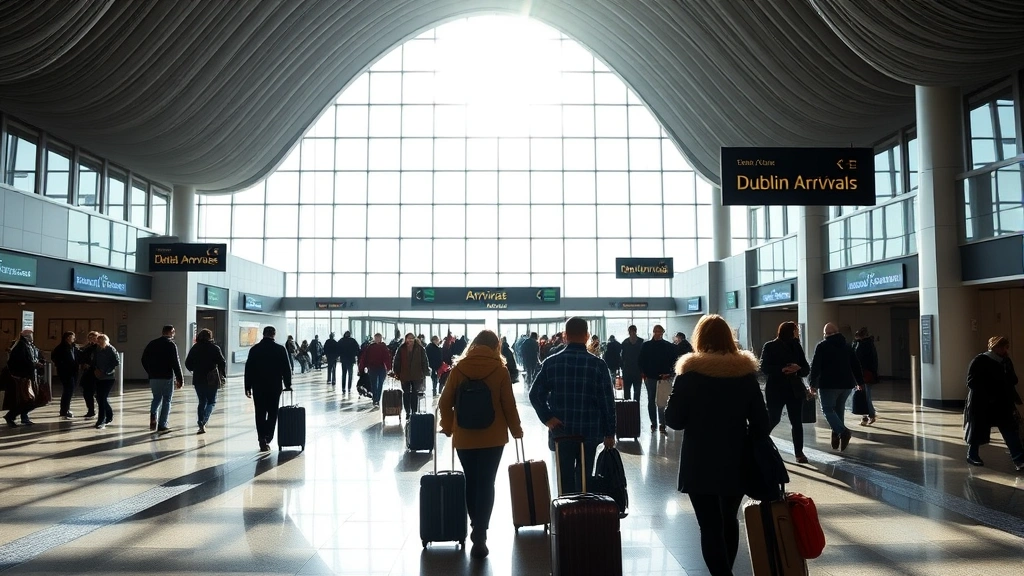
Jet lag affects westbound travelers returning to Boston more severely than eastbound flights to Dublin. Your body gains hours on the eastbound journey, making adjustment easier. Plan your first day in Dublin lightly, allowing time to acclimate to Irish time. Many travelers recommend staying awake until local bedtime despite fatigue, accelerating circadian rhythm adjustment.
Booking direct flights eliminates connection stress and hidden costs associated with multi-leg itineraries. While connections occasionally offer price savings, the Boston-Dublin route’s frequency and competitive pricing make direct service the superior choice for most travelers. Direct flights depart multiple times daily, providing flexibility for schedule changes.
Maximizing Your Transatlantic Experience
The flight itself represents an adventure, not merely transportation. Window seats offer unparalleled views of the Atlantic, Greenland’s ice sheets, and Ireland’s coastline as you approach. Aisle seats provide easier lavatory access and leg stretching on the 7-hour journey.
In-flight entertainment systems on modern aircraft offer hundreds of options. Download airline apps before departure to access entertainment, check baggage, and receive real-time flight updates. Many carriers now offer free messaging services, allowing you to stay connected without expensive international roaming charges.
Hydration proves critical on transatlantic flights. The cabin environment dehydrates passengers rapidly—drink water consistently throughout the flight. Compression socks reduce deep vein thrombosis risk on long flights, and periodic walking through the cabin maintains circulation. These simple measures significantly impact your arrival comfort and jet lag severity.
When comparing flight options, consider the complete experience beyond price. A $50 savings on a budget carrier might cost you comfort, meals, and entertainment value. Research airline reviews for transatlantic service quality before booking based solely on price.
Practical Booking Recommendations
Use flight comparison engines (Kayak, Skyscanner, Google Flights) as starting points, but always verify prices on airline websites directly. Sometimes airlines offer lower fares for booking through their own platforms, particularly for frequent flyer members. Compare total cost including baggage fees, seat selection, and meal services.
Set price alerts across multiple platforms simultaneously. This redundancy ensures you won’t miss deals advertised on one platform but not another. Most platforms allow customization by date range, allowing you to monitor flexible travel dates efficiently.
Read airline policies carefully regarding baggage, seat selection, and change fees. Budget carriers often charge separately for items included in full-service airline fares. A seemingly cheaper ticket might cost more once ancillary fees accumulate.
Purchase travel insurance covering flight cancellations, medical emergencies, and trip delays. Transatlantic travel introduces variables—weather, mechanical issues, medical situations—that insurance protects against. Comprehensive coverage costs $50-150 but protects investments of $600-1500+ per ticket.
Book accommodations and ground transportation separately from flights, allowing flexibility to adjust plans if flight times change. Many travelers book flights first, then arrange Dublin hotels within walking distance of cultural attractions and nightlife districts.

Beyond Boston: Exploring Connected Routes
If you’re traveling from other U.S. cities, Boston often represents an optimal connection point. Flights from LAX to Boston connect West Coast travelers to the Boston-Dublin route efficiently. Similarly, flights from Phoenix Arizona to Seattle Washington can be combined with connecting service to Boston for transatlantic travel.
Boston’s position as a major U.S. airline hub creates convenient connections from virtually every American city. Rather than booking complex multi-leg itineraries, consider flying to Boston first, then booking your transatlantic flight separately. This approach often yields better prices and reduces risk of missed connections.
For preparation advice, review how to prepare for altitude sickness before long flights, though altitude sickness rarely affects airline passengers flying at normal cabin pressures. The information provides general guidance for high-altitude travel preparation.
FAQ
What’s the cheapest month to fly from Boston to Dublin?
January, February, and November typically offer the lowest fares, with January being particularly affordable due to post-holiday travel decline. September and early October provide excellent value during shoulder season when weather remains pleasant.
How far in advance should I book Boston to Dublin flights?
For optimal pricing, book 2-3 months in advance. Summer flights should be booked by late March. Budget carriers sometimes offer deals with shorter booking windows, but traditional carriers follow the 2-3 month pattern reliably.
Are there budget airline options for this route?
Norse Atlantic Airways offers no-frills service at significantly reduced prices compared to full-service carriers. Their fares often undercut competitors by $200-400 per ticket, though amenities are limited. Budget carriers’ value depends on your priorities regarding comfort and included services.
What’s the flight time from Boston to Dublin?
Direct flights typically require 6 to 7 hours eastbound. Return flights westbound often take 7 to 8 hours due to prevailing headwinds. These times vary slightly based on weather patterns and specific flight paths.
Can I find good deals with connecting flights?
Connecting flights rarely offer significant savings on the Boston-Dublin route given the frequency of direct service and competitive pricing. The time cost of connections typically outweighs modest price savings. Direct flights represent the superior choice for most travelers.
Which airlines offer the best frequent flyer value?
Aer Lingus frequent flyer awards require approximately 30,000-40,000 miles for transatlantic redemptions, offering excellent value. United and American require 50,000-70,000 miles but provide flexibility through partner airlines and cabin choices.
Should I book round-trip or separate one-way tickets?
Round-trip bookings typically cost less than two separate one-way tickets, though always verify pricing for your specific dates. Airlines price round-trip itineraries competitively to secure both directions of travel.
What’s the best day to fly for pricing?
Tuesday and Wednesday departures consistently offer lower fares than Friday and weekend flights. Morning departures also tend to be cheaper than evening options, though personal schedule constraints often override this consideration.
How early should I arrive at Boston Logan for international departure?
Arrive 3 hours before international departure to allow time for check-in, security screening, and airport navigation. TSA PreCheck or CLEAR membership can reduce this requirement to 2 hours if you possess these credentials.
What should I pack for a Boston to Dublin flight?
Pack comfortable clothing for the 7-hour flight, a neck pillow, compression socks, and entertainment options. Bring an empty water bottle to fill after security, medications in carry-on luggage, and any electronics with charging cables. Check airline baggage policies before packing to avoid excess baggage fees.