Flying with Bordoodle? Tips from Frequent Travelers
Traveling with your beloved Bordoodle can be one of the most rewarding experiences, but it requires careful planning and preparation. These intelligent, friendly dogs—a cross between a Border Collie and a Poodle—make wonderful travel companions, yet flying with them presents unique challenges that frequent travelers have learned to navigate successfully. Whether you’re heading to flights to Tulsa for a family reunion or planning a cross-country adventure, understanding the ins and outs of air travel with your canine friend is essential.
The key to stress-free flying with your Bordoodle lies in understanding airline regulations, preparing your dog both physically and mentally, and having the right gear in place. Thousands of Bordoodle owners successfully fly with their pets every year, and their collective wisdom has created a roadmap for making the experience safe, comfortable, and even enjoyable for everyone involved. From pre-flight vet visits to cabin comfort strategies, this comprehensive guide draws from real traveler experiences to help you navigate this adventure confidently.
Understanding Airline Pet Policies for Bordoodles
Every airline maintains specific regulations regarding pet travel, and these policies can vary dramatically from carrier to carrier. Most major airlines allow dogs to fly in the cabin if they meet weight requirements—typically between 15 to 25 pounds depending on the carrier. Since Bordoodles are medium-sized dogs, usually weighing between 30 to 60 pounds, your furry friend will likely need to travel as checked baggage or in a specialized cargo program rather than in the cabin with you.
Before booking any flight, contact your airline directly to understand their specific pet policies. Some carriers like Southwest Airlines have different rules than Delta, United, or American Airlines. You’ll need to know the cost of pet travel (which can range from $100 to $500 per flight), size restrictions for airline-approved crates, and whether they offer temperature-controlled cargo holds. Many frequent travelers recommend calling the airline’s pet hotline directly rather than relying on website information, as policies change frequently and staff can provide personalized guidance for your situation.
Documentation requirements are equally important. You’ll need proof that your Bordoodle has been vaccinated against rabies, and most airlines require this documentation to be presented at check-in. Some destinations have additional health certificate requirements, particularly if you’re traveling internationally or to specific states. Starting this paperwork process at least 30 days before your flight prevents last-minute stress and ensures compliance with all regulations.
Pre-Flight Health and Documentation
Schedule a veterinary appointment at least two weeks before your planned flight. Your vet should examine your Bordoodle to ensure they’re healthy enough for air travel, as the stress, altitude changes, and unfamiliar environment can be challenging for dogs with pre-existing health conditions. This is particularly important for older Bordoodles or those with respiratory issues, as their breed’s Poodle heritage can sometimes include sensitivity to temperature changes.
During this visit, request an official health certificate from your veterinarian. This document typically confirms that your dog has been vaccinated against rabies, is free from parasites, and is in good health for travel. Keep multiple copies of this certificate, as you may need them for airline check-in, hotel verification, and proof of vaccination at your destination. Digital copies stored on your phone are also invaluable as backups.
Ask your veterinarian about microchipping if your Bordoodle isn’t already implanted. In the unlikely event that your dog becomes separated from you during travel, a microchip dramatically increases the chances of being reunited. Update the microchip registry with your destination phone number and address so that shelters or veterinarians can contact you immediately. Frequent travelers swear by this simple precaution, and many have recovered lost pets thanks to microchip technology.
Discuss medication options with your vet if your Bordoodle experiences anxiety. Some vets recommend calming supplements, while others may prescribe mild sedatives for particularly anxious dogs. However, many frequent flyers report that proper training and gradual acclimation eliminate the need for medication entirely. Your vet can help determine what’s best for your individual dog’s temperament and health profile.
Choosing the Right Airline for Your Companion
Not all airlines are created equal when it comes to pet travel. Research airlines thoroughly before booking your ticket. Some carriers have earned excellent reputations for pet safety and care, while others have faced criticism for poor handling of animals in cargo. Check recent reviews on travel forums and pet-specific websites where frequent flyers share their experiences.
Southwest Airlines is often praised by pet travelers for their pet-friendly policies and reasonable pricing. However, they do have specific requirements including direct flights when possible and advance notice requirements. If you’re planning Atlanta to Houston flight options, research which carriers offer the most direct routes, as fewer connections mean less stress for your Bordoodle.
Consider the time of year when booking your flight. Summer months present heat-related risks for dogs in cargo holds, so many experienced travelers avoid flying their pets June through August. Winter travel can be equally problematic in extremely cold climates. Spring and fall typically offer the most comfortable flying conditions for pets. If you’re planning a winter getaway, review our guide on best winter travel destinations to find pet-friendly locations with moderate climates.
Direct flights are always preferable to connecting flights when traveling with your Bordoodle. Each connection means additional stress, handling, and time away from you. When researching flights to Sedona Arizona or other destinations, prioritize routes with minimal connections even if they cost slightly more.
Packing the Perfect Pet Travel Kit
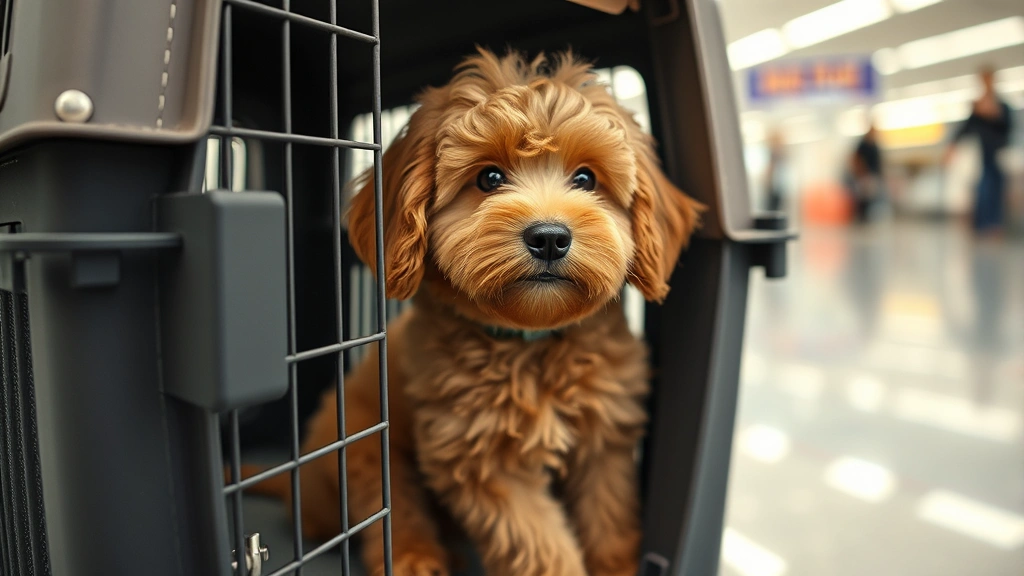
Your Bordoodle’s travel kit should include everything needed to keep them comfortable, healthy, and entertained during the journey. Start with an airline-approved crate that meets your carrier’s specific dimensions. This crate becomes your dog’s safe space—a familiar environment amid the chaos of airport terminals and aircraft holds. Many frequent travelers recommend introducing the crate weeks before travel, creating positive associations through treats and praise.
Pack enough food for the entire trip plus extra, as airport food options for dogs are limited. Bring your Bordoodle’s regular food to prevent digestive upset from sudden diet changes. Include collapsible food and water bowls that fit easily in your carry-on bag. Several frequent travelers recommend investing in a portable water dispenser designed specifically for traveling with pets—these prevent spills and allow your dog to drink safely during layovers.
Medications, supplements, and any special dietary items should be packed in clearly labeled containers with your pet’s name and dosage instructions. Create a small first-aid kit including bandages, antiseptic ointment, and any medications your dog takes regularly. Include copies of your dog’s medical records and your veterinarian’s contact information.
Entertainment and comfort items are crucial for managing stress. Pack your Bordoodle’s favorite toys, a blanket or bed with familiar scents from home, and interactive puzzle toys that provide mental stimulation. Chew toys and long-lasting treats help occupy your dog during the flight and waiting periods. Many experienced travelers bring along a worn piece of your clothing—the familiar scent is incredibly calming for anxious dogs.
Don’t forget grooming supplies including a brush, waste bags, and pet wipes. These items help maintain your Bordoodle’s dignity and comfort during travel, and they’re invaluable for quick cleanups during layovers. Pack these items in an easily accessible part of your luggage.
Calming Techniques and Anxiety Management
Preparation begins weeks before your flight through gradual acclimation to travel experiences. Start by taking your Bordoodle on short car rides, gradually increasing duration and distance. This helps your dog associate travel with positive experiences rather than anxiety. Practice crate time in short increments, rewarding calm behavior with treats and praise.
Desensitization to airport sounds and environments can significantly reduce anxiety. Play recordings of airplane engine noise, airport announcements, and baggage handling sounds at low volumes during your dog’s relaxation time. Gradually increase the volume over several weeks, always pairing these sounds with positive associations like treats or play.
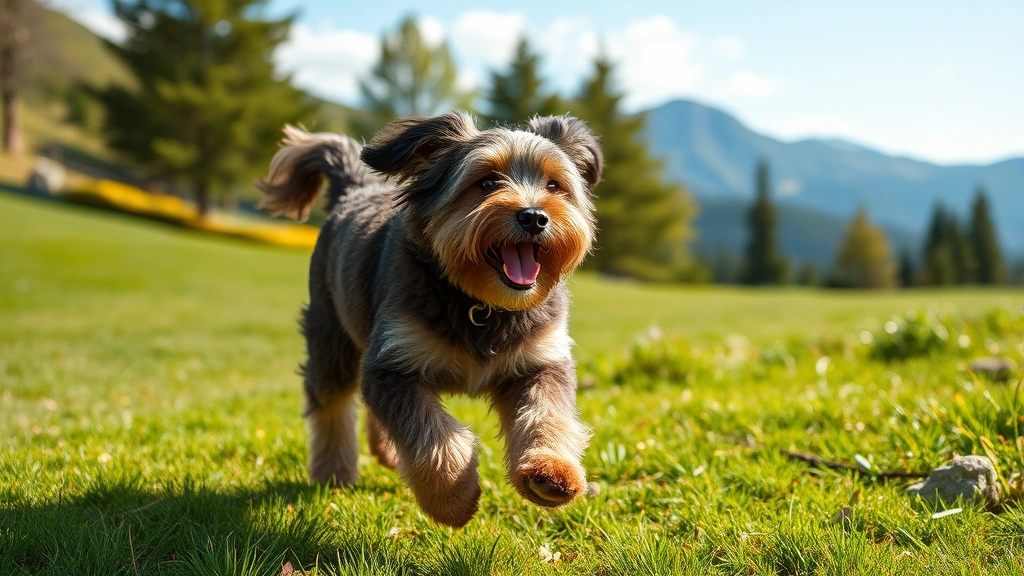
Exercise is one of the most underrated anxiety management tools. A tired dog is a calm dog. Increase your Bordoodle’s exercise routine in the weeks leading up to travel, and ensure they get a vigorous workout the morning of your flight. A long walk, run, or play session will help your dog relax during travel rather than stress about the experience.
Consider natural calming supplements like L-theanine, chamomile, or CBD products approved by your veterinarian. Many frequent travelers report success with these natural options before resorting to prescription sedatives. Some dogs respond well to anxiety wraps or thundershirts designed to provide gentle, constant pressure that has a calming effect.
Pheromone products designed to mimic natural calming scents can also help. Spray these products on your dog’s bedding or crate lining before travel. Several experienced travelers swear by these products as part of their comprehensive anxiety management strategy.
Day-of-Flight Strategies
Arrive at the airport earlier than you normally would, allowing extra time for pet check-in procedures. Most airlines require pet documentation to be verified, and you’ll need to confirm your dog’s crate meets specifications. Arriving early reduces rushed stress for both you and your Bordoodle.
Keep your dog calm during the drive to the airport. Maintain a quiet, soothing environment in your vehicle. Some frequent travelers recommend playing soft music or calming podcasts during airport transit. Avoid excited talking about the trip, as dogs pick up on human energy and can become overstimulated.
Take your Bordoodle for a bathroom break before entering the airport terminal. Offer water but not a large meal right before travel, as nervous dogs sometimes experience upset stomachs during flights. A light meal a few hours before departure is ideal.
During the check-in process, remain calm and confident. Your Bordoodle will sense your emotions and respond accordingly. Brief, matter-of-fact goodbyes are better than prolonged, emotional farewells. Many frequent travelers recommend a simple “See you soon” approach rather than extended goodbye rituals that can increase anxiety.
If you’re traveling in cabin (for smaller dogs), keep your Bordoodle in their carrier during boarding and landing when turbulence is most likely. Only remove your dog from the carrier when the seatbelt sign is off and you’re at cruising altitude. This prevents injury from sudden movements or turbulence.
Arrival and Acclimation Tips
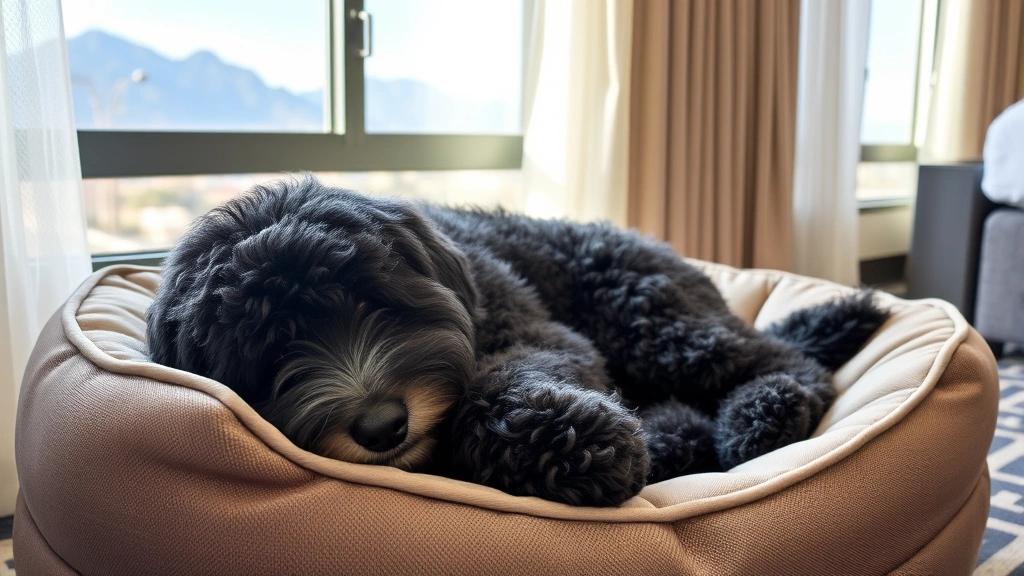
After landing, your Bordoodle will need time to decompress and acclimate to the new environment. Find a quiet, safe space where your dog can rest undisturbed for several hours. Maintain your dog’s regular feeding and exercise schedule as closely as possible, as routine provides comfort and reduces stress.
Take your dog for a bathroom break immediately after arriving at your destination. Praise and reward calm behavior throughout the acclimation period. Some dogs need 24 to 48 hours to fully relax after air travel, so patience is essential.
Explore your destination together gradually. If you’re visiting best ski destinations for beginners, ensure your Bordoodle is acclimated to altitude and cooler temperatures before engaging in strenuous activity. Dogs can experience altitude sickness just like humans, so gradual acclimatization is important.
Maintain your dog’s regular exercise routine at your destination. This helps your Bordoodle burn nervous energy and adjust to the new environment. Local dog parks, hiking trails, or beach areas offer excellent exercise opportunities while allowing your dog to socialize and explore.
Keep your dog’s microchip information current and consider getting a temporary ID tag with your destination phone number. Should your Bordoodle escape or become lost, having current identification dramatically increases the chances of safe recovery.
When returning home, repeat the same pre-flight preparation process. Many dogs find the return journey easier because they’ve experienced air travel before, though some experience anxiety even after successful initial flights. Patience and consistency remain your best tools throughout the entire travel experience.
Frequently Asked Questions
Can Bordoodles fly in airplane cabins?
Most Bordoodles exceed the typical cabin pet weight limit of 15-25 pounds, requiring them to travel in temperature-controlled cargo holds instead. Some airlines offer specialized pet cabin programs for larger dogs, but availability varies. Contact your airline directly to discuss options for your specific dog’s size.
How much does it cost to fly with a Bordoodle?
Pet air travel typically costs between $100 and $500 per flight depending on the airline, destination, and whether your dog travels in cargo or cabin. Budget airlines sometimes charge more for pets than legacy carriers, so compare prices across multiple airlines before booking.
What if my Bordoodle has separation anxiety?
Work with a professional dog trainer or veterinary behaviorist to address separation anxiety before travel. Gradual crate training, desensitization exercises, and potentially medication can help. Some dogs require several weeks of preparation before they’re ready for air travel.
Are there pet-friendly airlines that are better than others?
Southwest Airlines, Delta, and United all have established pet programs with varying features. Research recent reviews from other pet travelers to find the airline that best matches your needs. Pet-specific travel websites often maintain updated comparisons of airline pet policies.
Should I sedate my Bordoodle for the flight?
Sedation should be a last resort after exhausting other calming strategies. Consult your veterinarian about the risks and benefits specific to your dog. Many frequent travelers find that proper training and preparation eliminate the need for medication entirely.
What should I do if my Bordoodle gets sick during travel?
Research veterinary clinics at your destination before traveling. Keep your dog’s medical records readily accessible. Contact your home veterinarian immediately if health issues arise, as they can often provide guidance or recommend local vets. Pet travel insurance can help cover unexpected veterinary expenses.
How can I find dog-friendly accommodations when traveling?
Websites like BringFido, GoPetFriendly, and Airbnb’s pet filter help identify dog-friendly hotels, vacation rentals, and attractions. Call accommodations directly to confirm pet policies, fees, and any breed or size restrictions before booking. When exploring best travel destinations in Southeast Asia, research pet policies carefully as regulations vary significantly by country.
What if there’s turbulence during the flight?
Turbulence can frighten dogs, but it’s rarely dangerous. Keep your Bordoodle in their carrier during turbulent periods. Speak in a calm, reassuring tone to help your dog remain calm. Avoid excessive attention that might increase anxiety.