Why Are Flights Expensive? Insider Insights Into Today’s Sky-High Prices
If you’ve recently searched for flights, you’ve likely experienced sticker shock. Airfares have reached historic levels, leaving travelers wondering what happened to affordable travel. The answer isn’t simple—it’s a complex web of economic factors, industry dynamics, and global circumstances that have converged to make flying more expensive than ever. Understanding these forces helps you navigate the pricing landscape and make smarter travel decisions.
The aviation industry has undergone seismic shifts since the pandemic. Supply chain disruptions, fuel price volatility, labor shortages, and surging demand have created a perfect storm of expensive tickets. Whether you’re checking Houston to Cancun flights for a beach escape or exploring flights from Atlanta to Houston for business, you’re facing higher prices than pre-pandemic levels. This comprehensive guide explores why flights are so expensive right now and what you can do about it.
Jet Fuel and Energy Expenses: The Biggest Price Driver
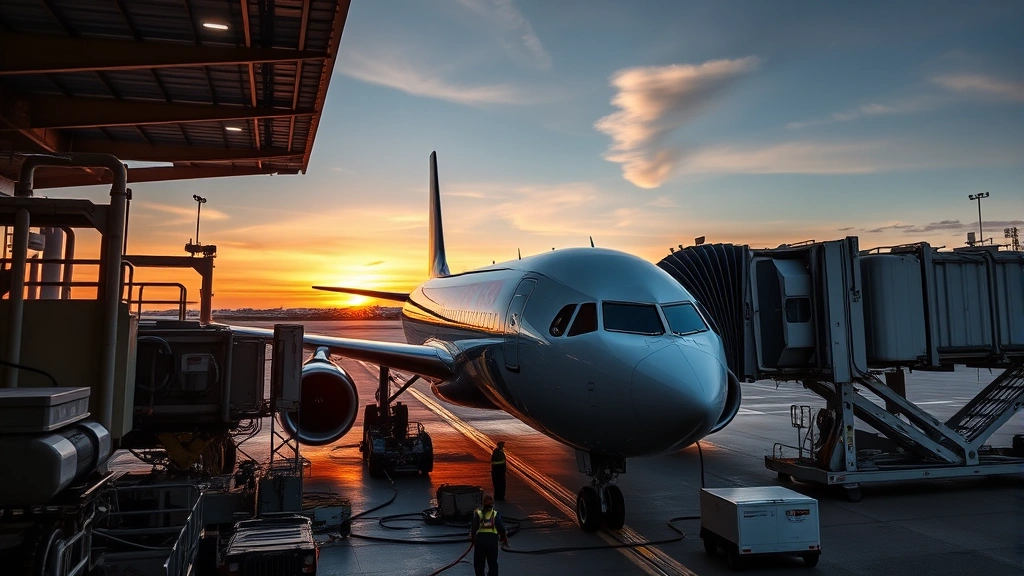
Jet fuel costs represent one of the largest operational expenses for airlines, typically accounting for 20-30% of total operating costs. When oil prices spike, airlines immediately feel the pressure. Recent years have witnessed significant volatility in crude oil markets, with geopolitical tensions, production disruptions, and refinery capacity issues driving prices unpredictably higher.
The relationship between oil prices and ticket costs isn’t always direct or immediate. Airlines use fuel hedging strategies—essentially betting on future fuel prices—to manage costs. When hedges expire and fuel prices remain elevated, carriers pass these costs to passengers through fuel surcharges and base fare increases. Additionally, aviation fuel requires specific refining processes that make it more expensive than regular gasoline, amplifying the impact of crude oil price fluctuations.
Airlines have limited ability to absorb fuel costs without raising prices. Unlike industries that can improve efficiency or cut corners, aviation operates with razor-thin profit margins. A single percentage point increase in fuel costs can mean millions of dollars in additional expenses across an airline’s fleet. This reality forces carriers to raise fares—a decision that directly impacts your wallet when booking travel.
Demand Outpacing Supply: The Recovery Imbalance
Travel demand has rebounded faster than airlines anticipated, creating a supply shortage that pushes prices upward. Pent-up demand from pandemic-cautious travelers, remote work flexibility allowing extended trips, and economic stimulus spending all fueled unprecedented travel appetite. However, airlines couldn’t quickly expand capacity to meet this surge.
Aircraft manufacturing has struggled with supply chain issues, delivery delays, and production bottlenecks. Boeing’s quality control problems and Airbus’s manufacturing constraints mean new planes arrive slower than expected. Existing aircraft can’t be deployed more frequently without exceeding maintenance schedules or crew rest requirements. This supply constraint creates a seller’s market where airlines can charge premium prices because demand exceeds available seats.
The situation is particularly acute on popular routes. When exploring Denver to Chicago flights, you’ll notice higher prices on peak travel days because airlines know they can fill seats at premium rates. Fewer available flights mean less price competition, allowing carriers to maintain elevated fares without losing bookings.
IMAGE_2
Labor Shortages and Staff Costs: The Human Factor
Airlines face significant labor challenges that drive operational costs higher. Pilots, flight attendants, ground crew, and maintenance technicians are in short supply, forcing airlines to offer higher wages and better benefits to attract and retain talent. These increased labor costs flow directly into ticket prices.
The pandemic created a perfect storm for aviation labor. Many experienced workers left the industry during lockdowns, pursuing careers in less volatile sectors. Now, airlines compete fiercely to rehire and attract new talent in a tight labor market. Pilot shortages are particularly acute, with regional airlines struggling to find qualified aviators despite competitive compensation packages.
Beyond wages, airlines must invest in training programs, sign-on bonuses, and improved working conditions to remain competitive employers. These investments are necessary to maintain safe operations and reliable service, but they increase overall operational costs that get passed to passengers. When you book a flight, part of your ticket price reflects the wages and benefits of the skilled professionals operating that aircraft.
Airline Consolidation and Reduced Competition: Market Dynamics
The U.S. airline industry has consolidated significantly over the past two decades. Four major carriers—American, Delta, United, and Southwest—control approximately 80% of domestic capacity. This consolidation reduces competition, allowing airlines to raise prices with less fear of losing market share to competitors.
Reduced competition means fewer price wars and less aggressive pricing strategies. When an airline raises fares, competitors often follow suit rather than undercutting prices. This behavior, while not technically illegal collusion, results in higher prices across the board. Consumers have fewer options and less leverage to negotiate better fares.
Mergers and acquisitions have also led to route rationalization. Airlines eliminate competing services on the same route, reducing flight frequency and options. This consolidation particularly affects secondary markets and smaller cities, where travelers may have only one or two airlines serving their destination. Without competitive alternatives, these routes command premium pricing.
Maintenance and Operational Costs: The Hidden Expenses
Modern aircraft are technological marvels requiring sophisticated maintenance regimens. Scheduled maintenance, unscheduled repairs, parts replacement, and compliance with increasingly stringent safety regulations all cost substantial money. Airlines must maintain these high standards—they have no choice—but these costs are built into ticket prices.
Environmental regulations have also increased operational expenses. Airlines invest in sustainable aviation fuel, engine upgrades, and carbon offset programs to meet regulatory requirements and address climate concerns. These investments improve environmental performance but add costs that ultimately affect passenger fares.
Airport fees and charges have increased as well. Landing fees, gate rental, ground handling charges, and security fees all vary by airport and have generally trended upward. Busy airports like those serving major hubs charge premium landing fees, which airlines recoup through ticket prices. This is why flights to major hub cities often cost more than flights to secondary airports.
Seasonal Pricing Surges: When Everyone Travels
Airlines employ sophisticated yield management systems that adjust prices based on predicted demand. During peak travel seasons—summer vacations, winter holidays, spring break—prices surge because demand far exceeds normal levels. Airlines know travelers will pay premium prices during these periods and adjust accordingly.
The shoulder seasons (spring and fall) typically offer better prices as demand moderates. However, even these traditionally cheaper periods have become more expensive than they were pre-pandemic. Baseline prices have shifted higher across all seasons, reflecting the structural cost increases discussed throughout this article.
Last-minute bookings often cost more as airlines raise prices as departure dates approach and seat inventory dwindles. Conversely, booking well in advance—typically 2-3 months for domestic flights—often yields better prices. However, even early-booked fares are higher than historical norms, reflecting the overall pricing environment.
Dynamic Pricing Strategies: Technology and Algorithms
Airlines use advanced algorithms and artificial intelligence to optimize pricing in real-time. These systems analyze competitor pricing, historical booking patterns, remaining seat inventory, passenger demographics, and dozens of other variables to calculate optimal fares. The goal is maximizing revenue per flight, not providing affordable travel.
Dynamic pricing means two passengers sitting next to each other may have paid dramatically different prices. Someone who booked weeks in advance might have paid $200 while their seatmate booked last-minute and paid $600 for the identical flight. This practice maximizes airline revenue but frustrates passengers who don’t understand the complex pricing mechanics.
Technology has made airlines more efficient at capturing consumer surplus—charging each passenger the maximum they’re willing to pay. While this benefits airline profitability, it results in higher average fares for travelers. The algorithm doesn’t care about affordability; it cares about revenue optimization.
Geopolitical and Environmental Factors: External Pressures
Geopolitical instability affects aviation in multiple ways. Middle East tensions, conflicts affecting major air routes, and sanctions impact fuel supply chains and routing efficiency. Airlines must sometimes fly longer routes to avoid conflict zones, increasing fuel consumption and operational time.
Climate change and extreme weather events create operational disruptions that increase costs. More frequent weather delays require additional crew expenses, hotel accommodations, and rebooking costs. Airlines build these increased risk factors into pricing.
Carbon pricing and environmental regulations add costs. The EU’s Emissions Trading System, for example, requires airlines flying in European airspace to purchase carbon credits. These costs, while important for environmental protection, increase ticket prices for passengers flying international routes.
IMAGE_3
Money-Saving Strategies: How to Find Better Fares
Book in Advance: Aim to book domestic flights 2-3 months ahead and international flights 3-6 months in advance. Early bookings typically offer better prices than last-minute bookings, though premium pricing for peak-season advance bookings has increased.
Fly During Off-Peak Times: Midweek flights (Tuesday-Thursday) cost less than weekend flights. Early morning and late evening departures are cheaper than convenient midday flights. Red-eye flights offer significant savings for travelers willing to sacrifice comfort.
Be Flexible with Dates: Price differences between adjacent dates can be substantial. If your travel dates are flexible, check fares across a range of dates to find the cheapest options. Tuesday and Wednesday departures typically offer the best prices.
Consider Alternate Airports: Flying from a secondary airport can save significantly. If you’re in a major metro area with multiple airports, compare prices across all options. The savings can be substantial, though factor in ground transportation costs.
Use Flight Comparison Tools: Websites like Kayak, Skyscanner, and Google Flights allow you to compare prices across airlines and find deals. Set price alerts to monitor fares and book when prices drop.
Clear Your Browser Cookies: While airline pricing isn’t directly based on search history, clearing cookies before searching for flights ensures you’re seeing base prices without any tracking-based adjustments.
Join Loyalty Programs: Frequent flyer programs offer miles, upgrades, and sometimes access to discounted fares. If you fly regularly, loyalty program benefits can offset higher prices through earned rewards.
Pack Light: Checked baggage fees add $25-50 per bag per direction. Packing light enough for carry-on only saves money and hassle.
Consider Connecting Flights: Direct flights are convenient but often more expensive than connecting flights. If you have time flexibility, connecting flights can offer significant savings, though you sacrifice convenience.
Monitor Airline Sales: Airlines periodically offer flash sales and promotional fares. Following airlines on social media and subscribing to their email lists helps you catch deals before they’re gone.
For specific route searches, checking Houston to Cancun flights prices across different dates reveals the dramatic variation in fares. Similarly, flights from Atlanta to Houston show significant price swings based on booking timing and travel dates.
FAQ
Why are flights more expensive now than before the pandemic?
Multiple structural factors have permanently increased baseline airfare levels: higher fuel costs, increased labor expenses, reduced airline competition, supply chain constraints limiting new aircraft deliveries, and higher operational costs. These aren’t temporary issues but ongoing market conditions.
Will flight prices come down?
Prices may moderate if fuel costs decline significantly or if new aircraft deliveries increase airline capacity. However, structural changes like higher labor costs and airline consolidation suggest baseline prices will remain elevated compared to pre-pandemic levels. Complete price reductions to 2019 levels are unlikely.
Is it cheaper to book flights through travel agencies?
Travel agencies typically access the same fares as direct airline booking. However, some agencies have relationships that occasionally unlock promotional fares or package deals. For most travelers, booking directly through airlines or flight comparison sites offers the same prices without intermediary fees.
What’s the best day to book flights?
Studies suggest Tuesday and Wednesday are historically cheapest booking days, though this varies. More important than the booking day is booking far in advance (2-3 months for domestic flights) and checking prices consistently to catch drops.
Are budget airlines cheaper?
Budget airlines offer lower base fares but charge for baggage, seat selection, and other amenities. When you add these fees, total costs sometimes exceed traditional carriers. Compare all-in prices including fees rather than just base fares.
Why do prices change after I check them?
Airlines use dynamic pricing algorithms that adjust fares constantly based on remaining inventory, competitor pricing, and demand predictions. Once you search for a flight, prices may increase as inventory decreases or demand indicators shift.
How can I find the cheapest flights?
Combine multiple strategies: book in advance, fly on off-peak dates and times, be flexible with airports, use price comparison tools, clear browser cookies, and set price alerts. No single strategy works alone, but combining these approaches maximizes savings opportunities.
Are international flights affected by the same factors?
Yes, international flights face identical cost pressures plus additional factors like currency fluctuations, longer flight times increasing fuel costs, and international regulatory compliance. International fares have increased even more dramatically than domestic fares.