US Pilot Messaging Outage: Understanding Flight Delays & Travel Impact
The aviation industry operates on razor-thin margins of precision, where seamless communication between pilots, air traffic control, and ground crews determines whether millions of passengers reach their destinations on time. When a US pilot messaging outage disrupts this critical infrastructure, the ripple effects extend far beyond airport terminals. Recent incidents involving pilot communication systems have raised serious questions about flight reliability, passenger safety protocols, and the resilience of modern aviation technology. Understanding what happens during these outages helps travelers prepare for potential disruptions and make informed decisions about their journeys.
In our interconnected travel world, a single technological failure can cascade across multiple airlines, airports, and regions within hours. Pilots depend on sophisticated messaging systems to receive flight updates, weather information, maintenance alerts, and crew scheduling details. When these systems fail, airlines face difficult choices: delay flights while restoring communication, divert aircraft to alternative routes, or cancel services entirely. This article explores the mechanics of pilot messaging outages, their real-world impact on flight operations, and practical strategies travelers can use to navigate disruptions.
How Pilot Messaging Systems Work
Modern commercial aviation relies on integrated digital communication platforms that connect pilots with airline operations centers, maintenance teams, and flight dispatch offices. These systems transmit critical information including pre-flight briefings, weather updates, fuel calculations, passenger manifests, and real-time operational directives. Unlike simple email or text messaging, aviation communication systems prioritize reliability, encryption, and redundancy because lives depend on accuracy.
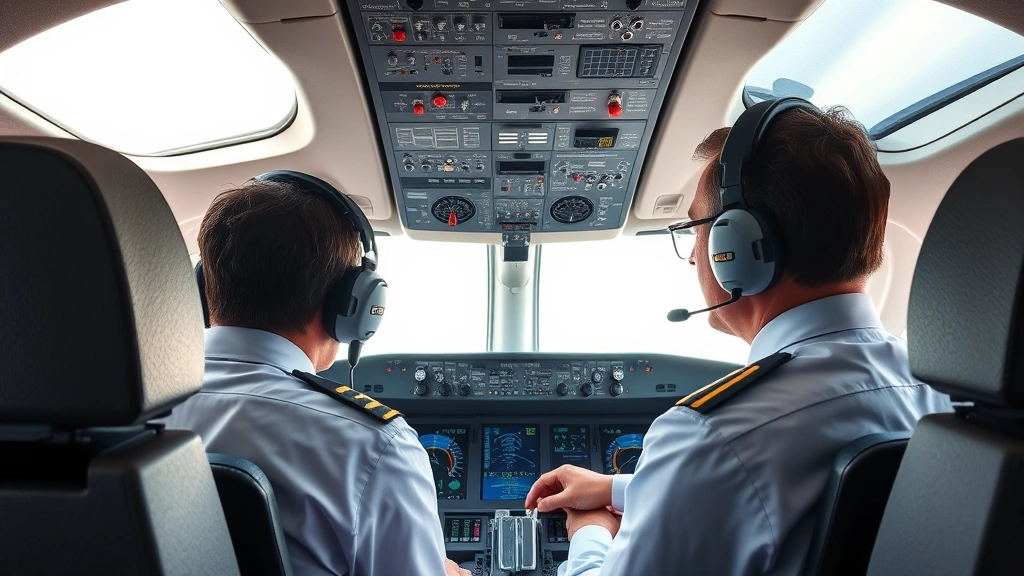
Pilots typically access these messages through Electronic Flight Bags (EFBs)—tablet devices that display flight plans, weather radar, navigation charts, and operational communications. When the backend messaging infrastructure fails, pilots lose access to essential operational data they need before and during flight operations. This isn’t merely an inconvenience; it represents a potential safety gap that requires airlines to implement fallback procedures, which inevitably cause delays.
The systems that support pilot communications involve multiple layers: satellite uplinks for in-flight connectivity, ground-based cellular networks, airline-specific servers, and redundant backup systems. A single point of failure in any layer can compromise the entire network. Recent outages have exposed vulnerabilities in how these systems handle unexpected traffic surges or hardware failures, prompting aviation authorities to demand improvements.
The Cascade Effect: From Outage to Delays
Understanding the timeline of how a pilot messaging outage transforms into widespread flight delays reveals the complexity of modern air travel. When systems go down, the impact isn’t instantaneous across all flights—instead, it develops in waves based on flight schedules and geographic distribution.
During the initial outage phase, pilots preparing for departure lose access to updated weather information and flight plan modifications. Airlines must choose between proceeding with last-known information or grounding flights until systems restore. Most carriers choose the conservative approach, delaying departures to ensure crews have current data. This creates a backlog at affected airports.
As delays accumulate, aircraft that were scheduled to depart become unavailable for subsequent flights. An aircraft delayed on a morning flight from Atlanta to Miami means it’s late arriving, which pushes back its next scheduled departure. This domino effect spreads delays across the entire airline’s network. If multiple carriers experience the outage simultaneously, airport congestion multiplies dramatically.
The secondary effects prove equally disruptive. Crew members have legal rest requirements; a delayed flight might push a pilot or flight attendant past their maximum duty time, requiring crew substitutions. This triggers additional delays as airlines scramble to position replacement crew members. Passengers miss connections, requiring rebooking on alternative flights that are already full.
Real-world data from recent outages shows that major disruptions can cause 500+ flight cancellations within 24 hours, affecting over 100,000 passengers. The financial impact extends beyond passenger compensation; airlines lose revenue, incur fuel surcharges from extended flight times, and face operational inefficiencies that take days to fully resolve.
For travelers, understanding this cascade effect explains why checking AI 102 flight status and THY Airlines flight status becomes crucial during outages. Even if your specific flight isn’t directly impacted, network-wide delays can still affect your journey.
Real-World Impact on Major Routes
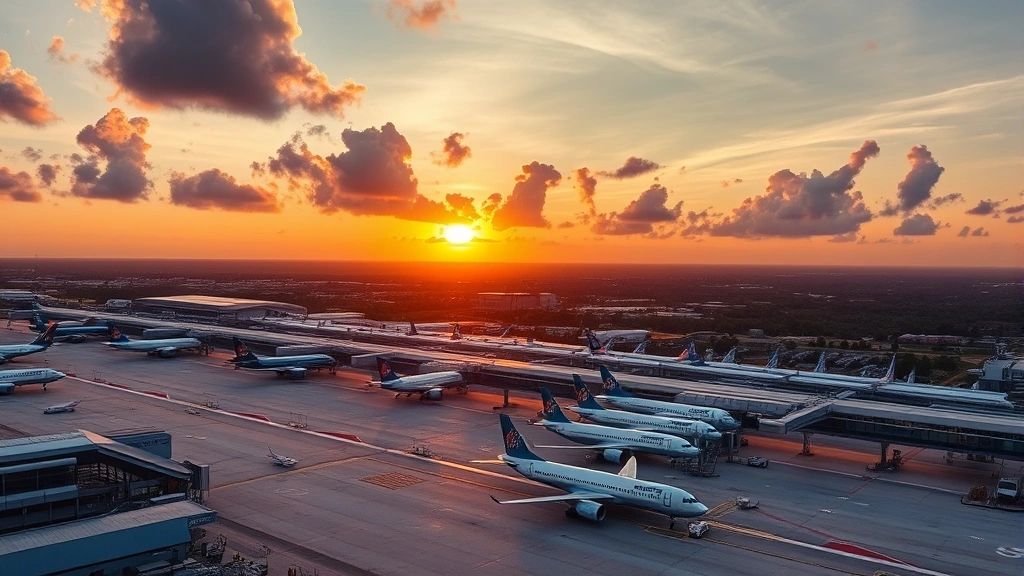
Certain routes and airports experience disproportionate impact when pilot messaging systems fail. Hub airports like Atlanta, Dallas, and Chicago—where multiple airlines concentrate operations—become particularly vulnerable because a single outage affects hundreds of daily departures.
Popular transcontinental routes, including flights from JFK Airport to Paris, face extended delays during outages because international operations require additional coordination. Pilots need weather briefings for crossing the Atlantic, slot times at European airports, and international airspace clearances. Without messaging system access, airlines cannot proceed efficiently.
Regional routes like Atlanta to Miami flights also suffer significantly because these routes operate at high frequency with tight turnaround times. A 30-minute delay on one flight cascades through 6-8 subsequent flights on the same aircraft within a single day.
International carriers experience unique challenges. Airlines operating multiple aircraft across different time zones must coordinate messaging across continental systems. A US-based outage affecting international carriers’ operations in American airspace can disrupt their global networks. This explains why seemingly localized technical issues can create worldwide disruptions.
Airline Response Protocols
When pilot messaging systems fail, airlines activate well-established contingency procedures developed through years of operational experience. Understanding these protocols helps travelers anticipate airline actions and plan accordingly.
Immediate Response Phase: Airlines declare a system outage and notify pilots through alternative channels—radio broadcasts, telephone calls, or in-person briefings at gates. Operations centers begin manual flight planning, calculating fuel requirements, weight and balance, and weather routing without automated assistance. This process, which normally takes minutes electronically, requires hours when performed manually.
Flight Hold Strategy: Rather than risk operating with incomplete information, most carriers implement a ground stop—holding aircraft at gates until normal systems restore. This prevents the domino effect of cascading delays. While frustrating for passengers, this conservative approach prevents potential safety risks and minimizes total disruption time.
Communication Challenges: During outages, airlines struggle to communicate with passengers because their customer-facing systems often depend on the same infrastructure as pilot messaging. Website flight trackers, mobile app notifications, and customer service phone lines may become overwhelmed or inaccurate. This information gap creates anxiety and frustration among travelers.
Recovery Prioritization: As systems come back online, airlines must prioritize which flights to clear first. Typically, they prioritize flights with tight connection windows, long-haul international departures, and flights with full passenger loads. Short regional flights and those with flexible scheduling often see longer delays.
Experienced travelers know that checking official airline websites and contacting customer service directly provides more reliable information than social media during outages, where rumors and speculation spread rapidly.
Traveler Protection & Rights
When pilot messaging outages cause flight delays or cancellations, passenger rights vary significantly based on airline, route, and specific circumstances. Understanding these protections helps travelers advocate for appropriate compensation.
Domestic US Flights: The Department of Transportation requires airlines to provide rebooking on alternative flights at no additional cost, though compensation requirements depend on delay length. Delays exceeding three hours may entitle passengers to compensation up to $775, though airlines can deny compensation if caused by extraordinary circumstances beyond their control—a category that may or may not include technical outages depending on regulatory interpretation.
International Flights: European Union regulations (EC 261/2004) provide stronger passenger protections, guaranteeing compensation of €250-€600 depending on flight distance, regardless of cause. US carriers operating European routes must comply with these standards. Other countries have varying regulations, making international passenger rights complex.
Practical Protections: Passengers should document all communications with airlines, photograph delay notices, and retain boarding passes. These records support compensation claims. Travel insurance that includes flight delay coverage provides additional financial protection, reimbursing meals, accommodation, and other expenses incurred during delays exceeding specified durations.
Airlines often distribute meal vouchers and hotel accommodations during extended delays, though these vary by carrier policy. Loyalty program members sometimes receive priority rebooking and additional compensation benefits.
Prevention & Future Solutions
The aviation industry and regulatory authorities recognize that pilot messaging outages represent unacceptable operational risks. Multiple initiatives aim to prevent future disruptions through redundancy, modernization, and regulatory oversight.
System Redundancy: Leading airlines are implementing truly independent backup systems—separate servers, networks, and power supplies—so that primary system failures don’t cascade to backups. This requires significant capital investment but dramatically improves reliability.
Cloud Infrastructure Migration: Many carriers are transitioning from legacy on-premise systems to cloud-based platforms offering automatic failover capabilities. Cloud providers maintain geographically distributed data centers so that failures in one location don’t affect operations elsewhere.
Regulatory Requirements: The Federal Aviation Administration increasingly mandates specific reliability standards for pilot communication systems. Airlines must demonstrate that their systems meet uptime requirements (typically 99.9% or higher) and complete annual redundancy testing.
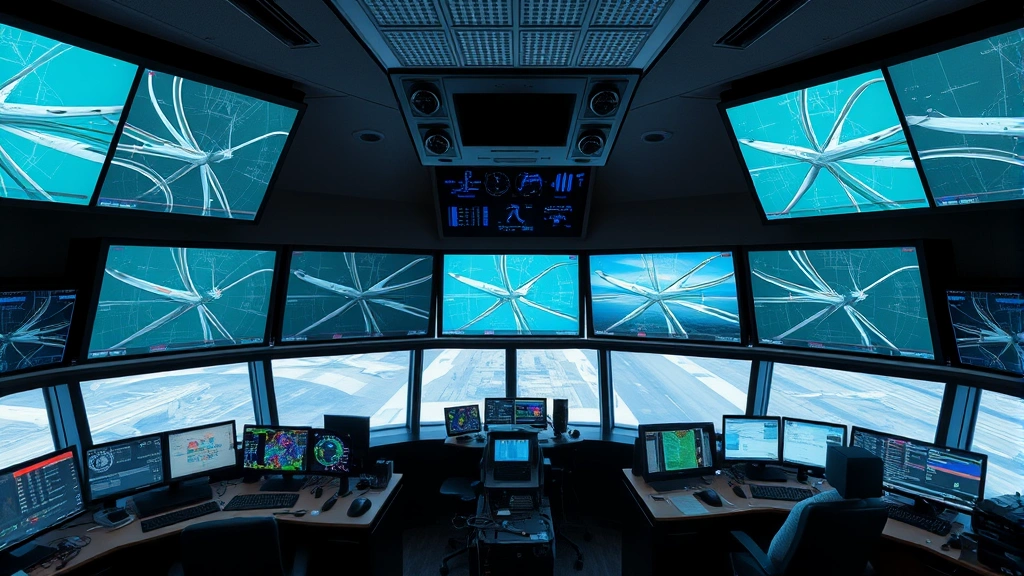
Real-Time Monitoring: Advanced monitoring systems now detect anomalies before they become outages, allowing technical teams to address problems proactively. Artificial intelligence algorithms analyze system performance patterns and alert operators to emerging issues.
Pilot Training Evolution: Airlines train pilots on procedures for operating with degraded communication systems, ensuring crews can safely conduct operations even if messaging systems fail completely. This training emphasizes radio communication protocols and paper-based backup procedures.
The future of aviation communication likely involves multiple independent systems operating simultaneously—satellite-based, cellular-based, and traditional radio—so that no single technology failure can compromise operations. While this increases costs, the alternative of periodic massive disruptions proves more expensive for the industry overall.

Frequently Asked Questions
What causes pilot messaging system outages?
Outages result from hardware failures (server crashes, network equipment malfunctions), software bugs, cyber attacks, power supply failures, or overwhelming traffic that exceeds system capacity. Most recent outages involved hardware failures in critical infrastructure components or software updates that inadvertently introduced bugs affecting system stability.
How long do pilot messaging outages typically last?
Duration varies dramatically based on outage severity. Minor issues affecting single airlines might resolve in 1-2 hours. Major infrastructure failures affecting multiple carriers can persist for 6-12 hours. The 2023 outage affecting major US carriers lasted approximately 4 hours from initial failure to full system restoration, though recovery took longer as airlines cleared the backlog of delayed flights.
Can pilots operate flights without messaging systems?
Yes, pilots can technically operate aircraft using traditional radio communication and paper-based procedures, but this significantly reduces operational efficiency and increases workload. Airlines avoid this scenario because it creates safety risks and operational bottlenecks. Modern flight operations depend on digital messaging for weather updates, traffic management, and real-time coordination.
Should I avoid flying during outages?
If you must travel, monitor airline communications closely before heading to the airport. If an outage is occurring, expect significant delays or cancellations. If you have flexibility, rescheduling to a later date when systems have fully recovered reduces frustration. For essential travel, arriving very early provides buffer time for unexpected delays.
How do airlines notify passengers about messaging outages?
Airlines use social media, website notifications, automated phone calls, SMS messages, and gate announcements. However, during major outages, these notification systems themselves may be affected. Checking the airline’s official website and calling customer service directly provides more reliable information than relying on social media updates.
Are frequent flyers compensated differently for outage-related delays?
Frequent flyer programs sometimes provide additional benefits during disruptions—priority rebooking, waived change fees, or bonus miles. These vary significantly by airline and program tier. Elite status members typically receive better treatment than standard members, though everyone is entitled to basic legal protections.
Can I get a refund instead of rebooking?
Airlines typically prefer rebooking on alternative flights over refunds, but passengers can usually request refunds instead. However, refund processing takes time (often weeks), and you’ll need to pursue compensation claims separately. For urgent travel needs, accepting rebooking on the next available flight usually proves faster than waiting for refunds.
Additional Resources:
- Federal Aviation Administration Official Site – Regulatory guidance and safety information
- Department of Transportation Air Consumer Protection – Passenger rights and compensation information
- International Air Transport Association – Industry standards and operational guidelines
- Lonely Planet Airport Guides – Travel planning and airport navigation
- Transportation Security Administration – Security procedures and travel requirements