United Airlines Turbulence: Frequent Flyer Insights and Expert Tips
Flying with United Airlines connects millions of travelers to destinations across the globe each year, but one concern that weighs heavily on many passengers’ minds is turbulence. Whether you’re a seasoned frequent flyer or embarking on your first cross-country journey, understanding turbulence—and how to navigate it—transforms your travel experience from anxiety-inducing to manageable. This comprehensive guide explores the science behind United Airlines flight turbulence, practical strategies for staying calm, and insider tips that frequent flyers swear by.
Turbulence is a natural phenomenon that occurs when aircraft encounter pockets of disturbed air. While it can feel unsettling, modern aviation is remarkably safe, and pilots undergo extensive training to handle turbulent conditions. United Airlines, as one of the major carriers in North America, maintains rigorous safety standards and employs experienced crews who navigate turbulent weather regularly. Understanding what causes turbulence and how to prepare yourself can significantly reduce flight anxiety and help you focus on the adventure ahead.
Understanding Turbulence: Science Behind the Bumps
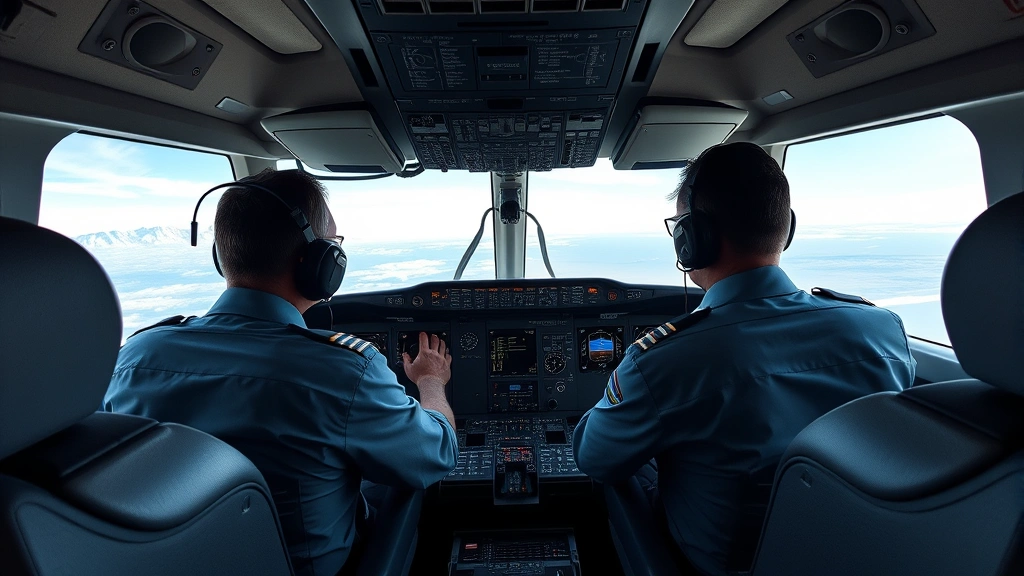
Turbulence occurs when an aircraft flies through air that isn’t moving uniformly. Think of it like sailing through waves—the air has currents, temperature variations, and pressure differences that create movement. Meteorologists and pilots can predict many turbulent conditions by analyzing weather patterns, jet streams, and atmospheric pressure systems. The Federal Aviation Administration (FAA) and international aviation bodies provide real-time turbulence reports that pilots use to adjust flight paths and altitudes.
The atmosphere isn’t a smooth, uniform medium. It contains invisible currents similar to ocean waves, and aircraft moving through these currents experience the same sensation you’d feel in a boat encountering choppy water. The key difference is that aircraft are engineered to handle far more extreme conditions than you might imagine. Modern planes are tested to withstand forces many times stronger than any turbulence they’ll encounter during normal flight operations.
Temperature differences between air masses create instability. When warm air rises rapidly and cool air descends, it creates vertical air currents. Jet streams—fast-moving rivers of air in the upper atmosphere—can generate significant turbulence when aircraft cross them. Mountain ranges force air to rise and descend, creating predictable turbulent zones downwind of peaks. Understanding these mechanisms helps frequent flyers recognize that turbulence is a predictable, manageable phenomenon rather than a mysterious threat.
Types of Turbulence You Might Experience
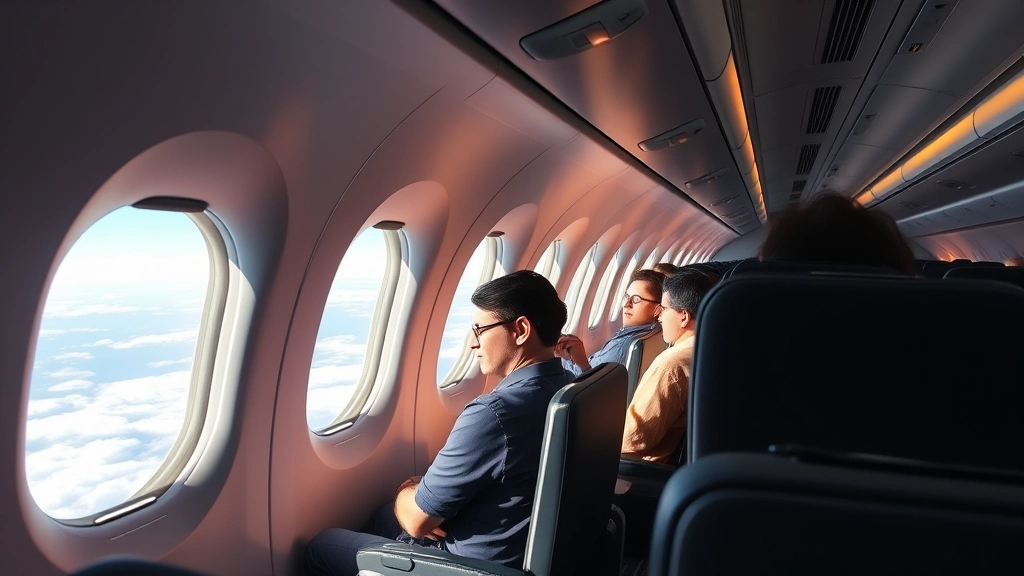
Clear air turbulence (CAT) is perhaps the most unsettling because it occurs without visible warning signs. You might be cruising smoothly through clear skies when suddenly the aircraft encounters invisible air currents. This type typically occurs at higher altitudes where jet streams exist. While startling, CAT rarely causes serious injury because flight attendants are trained to secure the cabin and passengers are advised to keep seatbelts fastened throughout the flight.
Convective turbulence results from thunderstorms and strong heating of the Earth’s surface. Pilots actively avoid thunderstorms by flying around them or requesting altitude changes from air traffic control. You’ll notice your United Airlines flight crew taking these precautions seriously—they have sophisticated weather radar systems and access to real-time weather updates. When you see planes being diverted or delayed due to weather, this is why.
Wake turbulence occurs when your aircraft flies through the disturbed air left behind by another plane. This is most relevant during takeoff and landing, which is why airports maintain strict spacing requirements between aircraft. Mechanical turbulence happens when wind encounters obstacles like mountains or buildings, creating chaotic air movement. This is typically brief and manageable.
Orographic turbulence occurs when air is forced to rise over mountains, creating waves of air on the downwind side. If you’re flying routes that cross the Rocky Mountains or other major ranges, you might experience this type. Pilots are well-versed in these patterns and often adjust altitudes to minimize passenger discomfort.
United Airlines Safety Record and Turbulence Management
United Airlines maintains one of the most impressive safety records in the aviation industry. The carrier employs over 12,000 pilots, all extensively trained in handling turbulent conditions and emergency procedures. The airline invests continuously in pilot training programs, aircraft maintenance, and the latest weather prediction technology. When you board a United flight, you’re entrusting yourself to a crew with hundreds of thousands of collective flight hours.
The airline’s fleet includes modern aircraft like the Boeing 787 Dreamliner and Airbus A350, which feature advanced avionics and weather detection systems. These planes are equipped with turbulence-sensing technology that helps pilots make informed decisions about altitude changes and route adjustments. United’s operations centers monitor weather patterns continuously, providing real-time updates to pilots in the air.
Pilot training at United includes extensive simulator sessions where crews practice handling severe turbulence scenarios. These simulations are remarkably realistic, allowing pilots to experience and respond to extreme conditions in a safe environment. Flight attendants also receive specialized training in turbulence management, including how to secure the cabin quickly and assist nervous passengers.
United Airlines participates in the Aviation Safety Reporting System (ASRS), a confidential program where pilots and crew members report safety concerns. This continuous feedback loop helps the airline identify patterns and implement improvements. The carrier also shares data with the Federal Aviation Administration, contributing to industry-wide safety enhancements.
When you experience turbulence on a United flight, understand that the pilots have likely encountered similar conditions hundreds of times. They’re making active decisions about altitude, speed, and route to minimize discomfort. The aircraft itself is designed with tremendous structural strength—planes are engineered to withstand turbulence far more severe than what actually occurs.
Practical Strategies for Frequent Flyers
Frequent flyers develop coping strategies that transform their relationship with turbulence. First, keep your seatbelt fastened throughout the flight, even when the seatbelt sign is off. This simple action provides security and prevents injury during unexpected bumps. Many experienced travelers never unbuckle except to use the lavatory.
Stay hydrated and avoid excessive caffeine and alcohol. Dehydration can amplify anxiety symptoms, while caffeine increases heart rate and nervousness. Alcohol might seem like a solution, but it impairs your judgment and can make anxiety worse once the initial sedative effect wears off. Water, herbal tea, and light meals keep you calm and comfortable.
Educate yourself about the flight route and expected weather conditions. Check weather forecasts before your flight and understand what conditions you might encounter. Knowledge reduces fear—when you know turbulence is likely due to jet stream activity rather than a mysterious problem, it becomes less frightening. Many frequent flyers check turbulence forecasts using apps and websites that provide real-time information.
Focus on your breathing during turbulent moments. The 4-7-8 breathing technique—inhale for four counts, hold for seven, exhale for eight—activates your parasympathetic nervous system and reduces anxiety. Progressive muscle relaxation, where you tense and release different muscle groups, also helps manage stress. These techniques work because they redirect your attention and calm your physiology simultaneously.
Engage in distraction activities. Download movies, podcasts, or audiobooks before your flight. Many frequent flyers find that engaging entertainment makes turbulence feel less significant. Reading, puzzle games, or work on your laptop can also keep your mind occupied. The key is choosing activities immersive enough to hold your attention.
Consider noise-canceling headphones, which provide both distraction and sensory control. By blocking out ambient noise, you reduce the sensory input that might amplify turbulence awareness. Many experienced travelers wear them throughout flights, creating a personal bubble of calm.
Seat Selection and Route Planning Tips
Your choice of seat significantly impacts turbulence perception. Seats over the wings experience less motion because the wings’ weight distribution creates a natural balance point. Seats toward the rear of the aircraft amplify turbulence motion, while seats toward the front experience it less noticeably. If turbulence concerns you, specifically request seats in the forward cabin or directly over the wings when booking or checking in.
The galley and lavatory areas experience the most motion, so avoid seats immediately adjacent to these areas. Bulkhead seats, while spacious, can feel turbulence more acutely because there’s no buffer. Aisle seats allow you to move around if needed, while window seats provide a sense of security and the ability to control the shade.
When planning your best travel destinations for solo travelers or group trips, consider the season and route. Summer afternoon flights over land experience more thermal turbulence, while early morning or late evening flights tend to be smoother. Red-eye flights encounter less air traffic and fewer thermal currents. Transatlantic routes at night are notoriously smooth because of stable upper-level winds.
Avoid flying during severe weather windows. If a strong storm system is forecast for your region, consider rescheduling if possible. United Airlines typically offers flexible rebooking options when weather threatens travel plans. Checking weather forecasts a week before your flight helps you identify potential issues early.
High-altitude routes experience less turbulence overall. Flights at 35,000-43,000 feet encounter fewer thermal currents than lower altitudes. When possible, book flights with fewer intermediate stops, as these allow pilots to climb to optimal altitudes more quickly. How to plan road trips sometimes seems easier than navigating flight logistics, but strategic route selection makes flying significantly more comfortable.
Technology and Real-Time Turbulence Tracking
Modern technology puts turbulence forecasting in your hands. Apps like Turbli, FlightRadar24, and Windy provide real-time turbulence predictions based on atmospheric data. These tools use the same weather information pilots access, allowing you to understand what conditions your flight will encounter. Checking these before boarding gives you realistic expectations and reduces anxiety about unknowns.
Windy offers visualizations of jet streams, wind patterns, and atmospheric conditions. By understanding these patterns, you gain insight into why turbulence occurs. FlightRadar24 lets you track actual flights, see their altitude, and understand their routing decisions. This transparency helps frequent flyers appreciate the expertise involved in flight planning.
United Airlines provides in-flight entertainment systems with moving maps showing your aircraft’s position, altitude, speed, and outside air temperature. Watching this display during turbulent moments helps you understand that turbulence isn’t affecting the aircraft’s stability—altitude and speed remain steady despite the bumps. This visual reassurance calms many anxious flyers.
Some pilots provide detailed turbulence explanations during flights. If you’re nervous, don’t hesitate to ask flight attendants about turbulence causes. Most crew members are happy to explain what you’re experiencing and provide reassurance. Their calm, matter-of-fact approach helps normalize turbulence.
Weather radar on modern aircraft displays storm locations, allowing pilots to navigate around dangerous weather. The sophisticated systems on United’s fleet provide unprecedented situational awareness. Pilots see developing storms before they become visible to passengers, enabling proactive route adjustments.
Mental Preparation and Wellness Approaches
Cognitive behavioral therapy techniques help reframe turbulence anxiety. Instead of catastrophic thinking (“This is dangerous”), practice realistic assessment (“This is uncomfortable but safe, and it will pass”). Remind yourself of statistics: flying remains the safest form of long-distance travel, and turbulence has never caused a modern aircraft to crash.
Visualization techniques work remarkably well for turbulence anxiety. Before your flight, spend five minutes visualizing a smooth journey. Imagine yourself relaxed, watching the flight progress smoothly. Mental rehearsal activates the same neural pathways as actual experience, preparing your mind for calm flight conditions.
Consider speaking with a therapist about flight anxiety before it becomes severe. Cognitive behavioral therapy specifically designed for flight anxiety has excellent success rates. Many therapists offer virtual sessions, making it convenient to address this concern. Some airlines partner with mental health services to provide resources for anxious flyers.
Meditation and mindfulness practices reduce flight anxiety significantly. Apps like Calm, Headspace, and Insight Timer offer guided meditations specifically designed for flight anxiety. Practicing these techniques before your flight trains your mind to access calm states on demand. Many frequent flyers dedicate 10-15 minutes daily to meditation, finding it transforms their relationship with flying.
Physical fitness contributes to flight comfort. Regular exercise reduces anxiety overall and improves your physiological stress response. When you’re physically fit, your body handles stress hormones more efficiently, making turbulence feel less overwhelming. Even moderate exercise like walking 30 minutes daily provides significant benefits.
On the day of your flight, arrive early to avoid rushing, which increases anxiety. Give yourself time to settle into the airport environment, grab a healthy meal, and mentally prepare. Avoid excessive caffeine and alcohol. Some travelers find that a light workout at the airport before boarding helps burn nervous energy and promotes calm.
Consider the broader context of your journey. You’re traveling to experience new destinations, reconnect with loved ones, or pursue professional opportunities. Turbulence is a brief, manageable inconvenience compared to the significance of your travel purpose. When turbulence occurs, remind yourself of why you’re traveling and that these moments are temporary.
If you’re interested in how travel experiences shape personal growth, exploring best places to visit in Africa or other transformative destinations can shift your perspective on travel challenges. Overcoming flight anxiety becomes part of your larger journey toward confidence and adventure.
Check out our blog for more travel wisdom and practical guidance for adventurers at every level. Whether you’re concerned about turbulence or planning your next expedition, you’ll find resources to support your journey. For creative approaches to travel planning and documentation, unlocking creativity: how AI transforms content creation offers innovative perspectives on capturing your adventures.
FAQ
How often do United Airlines flights experience turbulence?
Turbulence frequency varies by season, route, and weather patterns. Summer flights experience more thermal turbulence than winter flights. Transatlantic and transpacific routes encounter jet stream turbulence regularly. Most flights experience at least minor turbulence, but severe turbulence is relatively rare. United’s sophisticated weather systems and experienced pilots minimize turbulence exposure through route optimization and altitude adjustments.
Can turbulence damage an aircraft?
Modern aircraft are engineered to withstand turbulence far more severe than any encountered during normal operations. Aircraft undergo rigorous stress testing, and their structures are designed with enormous safety margins. The turbulence that feels intense to passengers is typically minor from an aeronautical engineering perspective. Aircraft damage from turbulence is extraordinarily rare.
What should I do if I experience severe anxiety during turbulence?
Alert a flight attendant, who can provide reassurance and explain what you’re experiencing. Use breathing techniques to calm your nervous system. Focus on the fact that thousands of flights experience similar conditions safely every day. If flight anxiety is severe, consider working with a therapist before your next flight. Many people successfully overcome flight anxiety through professional support.
Are certain United Airlines routes known for turbulence?
Routes crossing mountain ranges (particularly the Rockies), routes through the jet stream corridor (typically 35°-60° latitude), and routes over areas prone to afternoon thunderstorms experience more turbulence. However, modern weather forecasting and pilot expertise minimize passenger impact. Checking weather forecasts and turbulence forecasts helps you understand what conditions to expect on your specific route.
How do pilots reduce turbulence during flight?
Pilots request altitude changes from air traffic control to find smoother air. They can slow the aircraft to reduce the impact of turbulence. They navigate around visible weather systems using radar. They adjust their route based on real-time turbulence reports from other aircraft. These proactive measures significantly reduce passenger discomfort.
Is it safe to sleep during turbulence?
Yes, sleeping during turbulence is safe and actually beneficial—your body can relax if your mind isn’t focused on the disturbance. Many frequent flyers find that sleeping through turbulent periods eliminates anxiety entirely. Keep your seatbelt fastened while sleeping, and consider neck pillows and eye masks to enhance comfort and sleep quality.
What’s the difference between turbulence and mechanical problems?
Turbulence is temporary, affects the entire aircraft similarly, and varies in intensity. Mechanical problems typically produce sustained unusual sounds, vibrations, or operational changes. Pilots immediately address any mechanical concerns by reporting to air traffic control. The aircraft’s multiple redundant systems ensure that mechanical issues are detected and managed before they affect safety. If you’re concerned about unusual sounds, ask a flight attendant—they’re trained to distinguish between normal operational sounds and genuine mechanical issues.