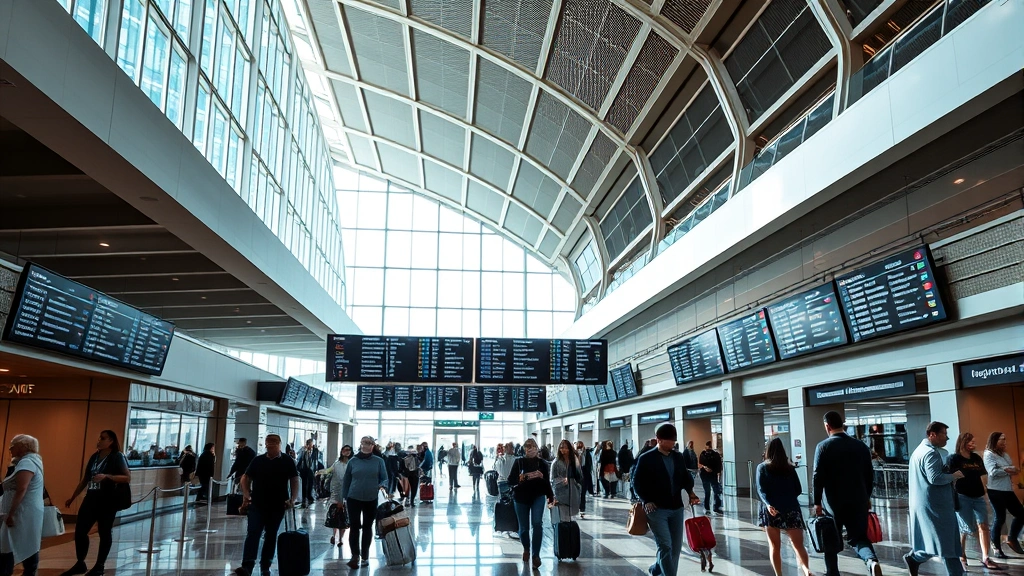
Turkish Flight Status: Expert Travel Updates & Real-Time Guidance
Planning a journey to Turkey or flying with Turkish Airlines? Understanding Turkish flight status is essential for smooth travel planning and avoiding unexpected disruptions. Whether you’re heading to Istanbul’s vibrant bazaars, Cappadocia’s otherworldly landscapes, or the turquoise coasts of the Mediterranean, staying informed about flight conditions, delays, and operational updates can make the difference between a seamless adventure and a frustrating experience.
Turkish Airlines, the country’s flagship carrier, operates one of Europe’s most extensive networks, connecting Turkey to destinations worldwide. Beyond just checking departure and arrival times, modern travelers need comprehensive insights into how to monitor real-time status updates, understand common delays, navigate airport procedures, and prepare for various travel scenarios. This guide equips you with expert knowledge to confidently manage your Turkish flight experience.
Real-Time Turkish Flight Status Monitoring
Accessing accurate, up-to-the-minute flight information is your first line of defense against travel disruptions. Multiple platforms provide real-time Turkish flight status updates, each offering unique advantages for different traveler needs.
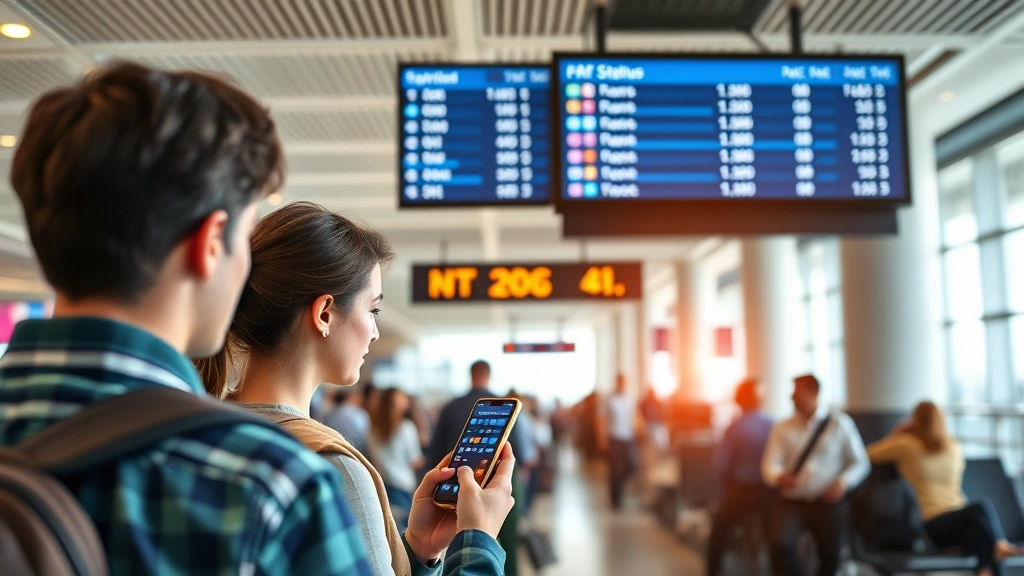
Official Turkish Airlines Website and App: The most reliable source for Turkish Airlines flights is their official website and mobile application. These platforms display live gate assignments, boarding times, baggage claim information, and any operational changes. Download the Turkish Airlines app before your trip to receive push notifications about status changes, gate updates, and boarding announcements directly to your phone.
Third-Party Flight Tracking Services: Websites like FlightAware, FlightRadar24, and Skyscanner aggregate flight data from multiple sources, providing independent verification of flight status. These services often include aircraft position tracking, allowing you to literally watch your plane’s journey across the map. When checking flights to destinations like flights to Paris from NYC, similar tracking tools prove invaluable for monitoring connections through Turkish hub airports.
Airport-Specific Information: Istanbul Airport (IST), Ankara Esenboğa (ESB), and Izmir Adnan Menderes (ADB) maintain their own flight information displays and websites. These sources provide ground-level operational data, including security wait times and terminal-specific announcements. Checking airport websites directly supplements airline information and provides context about facility-wide issues that might affect your journey.
Airline Notification Systems: Enable SMS and email alerts through Turkish Airlines when booking. These automated notifications alert you to significant changes before you even check the app, ensuring you never miss critical updates. Many travelers heading to popular routes like Chicago to London flights use similar notification systems to stay ahead of potential issues.
Understanding Flight Delays and Cancellations
Flight delays affecting Turkish routes stem from various causes, each with different implications for your travel plans. Understanding these factors helps you respond appropriately and manage expectations.
Weather-Related Delays: Turkey’s geography creates diverse weather patterns. Istanbul experiences frequent fog during winter months, reducing visibility and causing ground delays. Cappadocia region flights may be affected by wind conditions. Mediterranean coastal airports occasionally face sudden weather changes. These delays are typically temporary but can cascade through the day’s schedule. Check weather forecasts for your departure and arrival cities at least five days before travel, then again 48 hours prior.
Mechanical and Technical Issues: Modern aircraft undergo rigorous maintenance protocols. When technical issues arise, airlines must address them completely before flight departure—safety always takes priority over schedule. Turkish Airlines maintains high engineering standards, but unexpected mechanical discoveries occasionally cause delays. These delays are usually resolved within hours, though sometimes aircraft substitutions extend timelines.
Air Traffic Control Delays: Turkey’s airspace handles significant traffic, especially around Istanbul’s hub. Peak hours and congestion at destination airports can cause holding patterns and delayed departures. These system-wide delays affect multiple airlines simultaneously and are largely unpredictable. Booking flights during off-peak hours (early morning or late evening) statistically reduces delay likelihood.
Crew-Related Issues: Flight crew duty time regulations limit consecutive flying hours. Crew unavailability, whether from previous delays or regulatory requirements, occasionally necessitates schedule adjustments. Turkish Airlines maintains crew reserves to minimize this impact, but irregular operations can expose these limitations.
Passenger-Related Delays: Late passenger arrivals, security screening backlogs, and boarding procedure issues occasionally delay departures. Arriving at the airport three hours before international flights and two hours before domestic flights provides buffer time for unexpected issues. This advice applies equally whether you’re checking Denver to Miami flights or Turkish routes.
Turkish Airlines Operational Updates
Turkish Airlines (TK) operates from Istanbul Airport as its primary hub, with secondary hubs in Ankara and Izmir. Understanding the airline’s operational structure helps you anticipate potential issues and navigate disruptions effectively.
Hub Operations and Connectivity: Most international Turkish Airlines flights connect through Istanbul, creating a hub-and-spoke network. This structure offers excellent connectivity across Turkey and beyond but means delays at the hub impact downstream flights. If you’re connecting through Istanbul to other destinations, build minimum 90-minute connections for international-to-international transfers and 60 minutes for domestic connections.
Seasonal Route Adjustments: Turkish Airlines adjusts schedules seasonally, increasing summer capacity to Mediterranean and Aegean destinations while maintaining robust winter service to European cities. These changes are announced months in advance, but confirmation of specific flights often occurs weeks before departure. Check for seasonal schedule changes if booking far in advance.
Maintenance Scheduling: Major maintenance activities occur during scheduled downtime, typically overnight or during low-demand periods. Turkish Airlines publishes maintenance schedules, occasionally affecting specific aircraft availability. This rarely impacts passengers directly but explains why certain aircraft types may be substituted on your route.
Operational Communications: Turkish Airlines maintains active social media presence with real-time updates during disruptions. Following @THY_en on Twitter provides instant alerts about systemwide issues. During irregular operations, this channel often provides information faster than phone lines.
Code-Share and Partner Airlines: Turkish Airlines codeshares with numerous international carriers. Your flight may operate under a partner airline’s flight number while Turkish Airlines provides the aircraft and crew. Understanding this distinction helps when seeking support—you may need to contact the operating airline rather than the booking airline.
Airport Navigation and Procedures
Successfully navigating Turkish airports requires understanding their layout, procedures, and specific requirements for various passenger types.
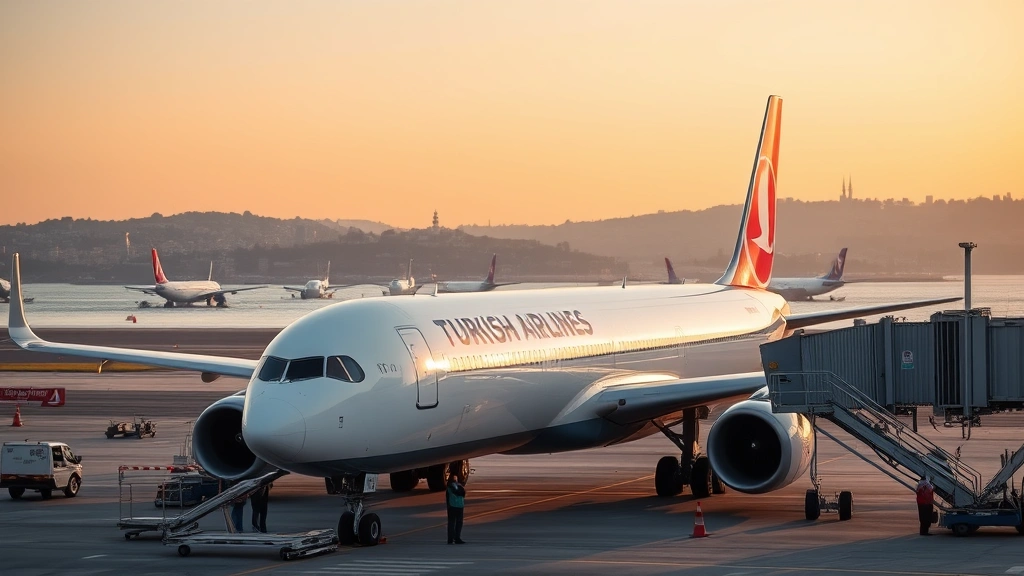
Istanbul Airport (IST) Excellence: Istanbul Airport, opened in 2018, represents modern aviation infrastructure. The airport’s design facilitates efficient passenger flow, but its size can feel overwhelming. Terminal maps are available online and at information desks. Allow extra time for initial visits to locate gates and facilities. The airport offers excellent transit hotel facilities, prayer rooms, and dining options—useful knowledge if facing long connections.
Baggage Procedures: Turkish Airlines allows two checked bags (23kg each) for economy passengers, with generous carry-on allowances. Oversized items like musical instruments or sports equipment require advance notice. Declare valuable items and consider purchasing additional baggage coverage if carrying expensive gear. These policies align with international standards but verify specifics for your ticket type.
Security Screening Requirements: Turkish airports implement European security standards. Arrive early for security screening, especially during peak hours. Remove electronics larger than tablets from carry-on bags, place liquids in a clear bag, and wear easily removable shoes. Non-EU/US citizens may face additional screening—allow extra buffer time if this applies.
Visa and Documentation: Ensure your passport has minimum six months validity. Turkish visa requirements vary by nationality. US, EU, UK, and Australian citizens typically receive visa-free entry for tourism, but verify requirements well before travel. Keep travel documents accessible during the journey. Connecting passengers should verify visa requirements for transit countries—relevant whether flying Chicago to London or through Turkish hubs.
Special Assistance Services: Passengers requiring mobility assistance, unaccompanied minors, or traveling with infants should notify Turkish Airlines 48 hours before departure. These services are complimentary and ensure appropriate support throughout your journey. Request assistance when booking rather than at the airport.
Travel Insurance and Protection
Comprehensive travel insurance protects you against financial losses from flight disruptions, medical emergencies, and unexpected events.
Flight Disruption Coverage: Quality travel insurance includes compensation for flight delays exceeding specified thresholds (typically 12+ hours) and covers expenses incurred during disruptions—meals, accommodation, and ground transportation. EU regulations mandate airline compensation for delays over three hours caused by airline responsibility, but insurance covers delays caused by weather or other non-compensable factors.
Trip Cancellation Protection: If unexpected circumstances force you to cancel before departure, trip cancellation insurance reimburses prepaid, non-refundable expenses. This proves invaluable when illness, family emergencies, or other crises prevent travel. Choose plans covering pre-existing medical conditions if relevant to your situation.
Medical Coverage: International medical insurance protects against unexpected healthcare costs abroad. Turkey offers excellent healthcare, but costs for non-residents can escalate rapidly. Ensure your policy covers medical evacuation if traveling to remote areas like Cappadocia or high-altitude regions.
Baggage and Personal Belongings: Insurance covering lost, delayed, or damaged baggage provides peace of mind. Turkish Airlines’ liability is limited by international convention, so supplemental coverage protects expensive items. Declare high-value items when checking luggage.
Choosing Appropriate Coverage: Purchase insurance within 14 days of initial trip booking to maximize coverage options. Compare plans based on your specific itinerary, trip duration, and activities planned. Premium annual travel insurance often provides better value for frequent travelers.
Seasonal Considerations
Turkey’s seasons dramatically affect flight operations, weather patterns, and overall travel experience. Understanding seasonal dynamics helps you choose optimal travel windows and prepare appropriately.
Summer Peak Season (June-August): Peak tourist season brings maximum flight frequency but also crowded airports, higher prices, and increased delay potential due to congestion. Mediterranean and Aegean destinations operate at full capacity. If traveling during summer, book flights well in advance and expect fuller aircraft. Arrive extra early for airport procedures. Heat can occasionally affect aircraft operations, though modern planes handle Turkish summer heat effectively.
Winter Period (December-February): Winter brings fewer crowds but increases weather-related delays, especially in Istanbul. Fog frequently causes morning delays that cascade through the day. Book afternoon flights when possible during winter months. Mountain regions may experience snow affecting ground operations. These seasonal patterns apply broadly to Mediterranean destinations—similar considerations affect Denver to Miami flights during winter.
Spring and Fall Shoulder Seasons: April-May and September-October offer ideal conditions—pleasant weather, manageable crowds, and stable flight operations. These periods provide the best balance of schedule reliability and comfortable travel conditions. Booking during shoulder seasons often yields better prices than peak summer while maintaining excellent weather.
Holiday and Festival Periods: Turkish national holidays and international holidays increase traffic significantly. Eid holidays, summer break periods, and New Year travel create peak demand. Avoid these periods if possible, or book extremely early if your schedule requires travel during holidays.
Frequently Asked Questions
How do I check my Turkish Airlines flight status in real-time?
Visit the Turkish Airlines official website or download their mobile app. Enter your booking reference and last name to access real-time status, gate information, and any operational updates. Third-party services like FlightAware provide independent verification. Enable push notifications for automatic updates about status changes.
What compensation am I entitled to for flight delays?
EU Regulation 261/2004 mandates airline compensation for delays over three hours caused by airline responsibility (not weather or air traffic control). Compensation ranges from €250-€600 depending on flight distance. Non-EU flights may have different protections—check your airline’s policy and applicable regulations for your specific route.
How far in advance should I arrive for Turkish Airlines flights?
Arrive three hours before international departures and two hours before domestic flights. This allows time for check-in, baggage processing, security screening, and unexpected delays. Istanbul Airport’s size may warrant arriving even earlier during peak hours or if unfamiliar with the facility.
Can I change my Turkish Airlines flight if I’m worried about delays?
Turkish Airlines typically allows flight changes if you’ve purchased flexible fares, though fees may apply. Contact Turkish Airlines directly or access your booking online to explore available options. Change requests are processed more easily if made before your original flight date rather than after cancellation.
What should I do if my flight is cancelled?
Turkish Airlines must offer rebooking on the next available flight, accommodation if overnight stay required, and meals during the wait. You’re also entitled to compensation if cancellation resulted from airline responsibility. Document all expenses and contact Turkish Airlines customer service immediately. Keep receipts for all costs incurred.
Are there travel advisories affecting Turkish flights?
Check official travel advisories from your government before booking. The US State Department, UK Foreign Office, and similar agencies maintain current security and health information. Turkey remains a major tourist destination with excellent safety records in tourist areas, but advisories occasionally reflect specific regional concerns.
What’s included in Turkish Airlines baggage allowance?
Economy passengers receive two checked bags (23kg each) and carry-on allowance. Business class passengers receive three checked bags (32kg each). Carry-on dimensions are 55x40x23cm. Oversized items like sports equipment require advance notification and may incur fees. Review your specific ticket type for exact allowances.
How do I handle connecting flights through Istanbul?
Turkish Airlines typically handles connections seamlessly with baggage checked through to final destination. Allow 90 minutes minimum for international-to-international connections and 60 minutes for domestic connections. If connecting between different airlines, collect baggage and recheck—this requires additional time. Check your itinerary to confirm whether baggage is checked through or requires rechecking.
What payment options does Turkish Airlines accept?
Turkish Airlines accepts major credit cards, debit cards, and various digital payment methods. Turkish Lira, US Dollars, and Euros are accepted. Payment methods vary by booking channel—direct website bookings offer more options than third-party booking sites. Verify payment options before completing your booking.
Can I book a hotel through Turkish Airlines if my flight is delayed?
If your delay exceeds five hours and requires overnight accommodation, Turkish Airlines arranges and covers hotel costs for eligible passengers. This applies to delays caused by airline responsibility. Contact Turkish Airlines immediately if facing extended delays—staff will arrange accommodation rather than requiring you to book independently.
Whether you’re planning a relaxing escape to beach destinations or exploring Turkey’s rich cultural heritage, understanding Turkish flight status systems and operational procedures ensures your journey begins smoothly. Stay informed, book appropriately, and embrace the adventure that awaits in this magnificent destination. For more travel planning insights, explore our comprehensive travel blog featuring destination guides, booking strategies, and expert travel advice. Safe travels!