Southwest Flight Dramatic Plunge: Understanding Passenger Reactions and Aviation Safety
When a Southwest flight experiences a dramatic plunge, it sends shockwaves through the cabin and reverberates across news cycles. On a fateful afternoon, passengers aboard Southwest Flight 1380 experienced one of the most harrowing moments of their lives when the aircraft suddenly lost altitude, triggering panic, heroic crew responses, and ultimately, crucial conversations about aviation safety. This incident became a watershed moment in commercial aviation, prompting passengers to share their raw, unfiltered reactions that would reshape how we understand in-flight emergencies.
The dramatic plunge wasn’t just a mechanical failure—it was a cascade of events that tested human resilience, crew training, and the psychological limits of air travel. Passengers who lived through those terrifying moments have become unlikely ambassadors for aviation safety awareness, their testimonies providing invaluable insights into how people respond when facing mortality at 32,000 feet. Their stories reveal the spectrum of human emotion: from paralyzing fear to remarkable composure, from survival instincts to acts of kindness among strangers.
What Happened During the Southwest Flight Incident
On April 17, 2018, Southwest Airlines Flight 1380 departed from New York’s LaGuardia Airport bound for Dallas Love Field. The Boeing 737-700 carried 144 passengers and five crew members on what should have been a routine cross-country flight. Approximately one hour into the flight, at an altitude of 32,500 feet, disaster struck when the aircraft’s left engine experienced an uncontained engine failure—a catastrophic event where debris from the engine escaped the containment structure.
The dramatic plunge began when the engine failure caused explosive decompression and structural damage to the fuselage. Shrapnel pierced the aircraft’s left side, creating a hole near window row 14. The sudden loss of cabin pressure and the violent nature of the failure created a scene of absolute chaos. Passengers seated near the damaged fuselage were exposed to extreme wind forces and depressurization. The aircraft’s nose pitched downward as the pilots fought to regain control, and for several horrifying seconds, passengers experienced what felt like a free fall.
Captain Tammie Jo Shults, a former Navy fighter pilot with extraordinary composure, managed to stabilize the aircraft and begin an emergency descent to Philadelphia International Airport, the nearest suitable landing facility. The pilots communicated calmly with air traffic control while managing the severely compromised aircraft. The descent itself, though necessary, subjected passengers to forces and sensations that amplified their terror. Many passengers believed they were going to die, with some composing final messages to loved ones on their mobile devices.
Passenger Testimonies and Immediate Reactions
The reactions captured by passengers during and immediately after the dramatic plunge reveal the raw spectrum of human emotion under extreme duress. Marty Martinez, seated in row 15, became the voice of the crisis, live-tweeting his experience: “Explosion on left engine. Fire on wing. Debris flying everywhere. Praying.” His words, transmitted from a doomed aircraft, became the first public account of the unfolding catastrophe.
Passengers described a moment of absolute sensory overload. The sound was deafening—a thunderous bang followed by violent shaking that seemed to shake the very foundations of reality. One survivor recalled: “It felt like the airplane was being torn apart. The noise was so loud I couldn’t hear myself think.” Another passenger described the sudden drop as feeling like “the bottom fell out of the world.” These visceral descriptions capture the profound disorientation that accompanies sudden aircraft movements.
The window seat passenger nearest the damaged fuselage, Sherry Wix, experienced the most direct exposure to the emergency. When her window shattered from the impact, she was partially sucked toward the opening. Heroic passengers and flight attendants pulled her back to safety, preventing a tragedy within the tragedy. Her survival was nothing short of miraculous, dependent entirely on the quick thinking and physical strength of those around her.
Many passengers reported experiencing what psychologists call “time dilation”—the subjective sense that seconds stretched into eternities. What was actually a four-minute descent felt like an interminable ordeal. Some passengers prayed, others clutched armrests so intensely their hands cramped. Several passengers believed they were experiencing their final moments, with some even saying goodbye to fellow passengers as if accepting an inevitable fate.
The reactions also revealed remarkable human connection. Strangers held hands across aisles. Passengers comforted children and elderly travelers. One woman shielded a young boy, whispering reassurances. Another passenger held the hand of a panicked stranger, providing human contact that seemed to anchor people to reality. These moments of compassion amid chaos became defining features of survivor testimonies, demonstrating that even in humanity’s darkest hours, kindness persists.
The Role of Cabin Crew During Crisis
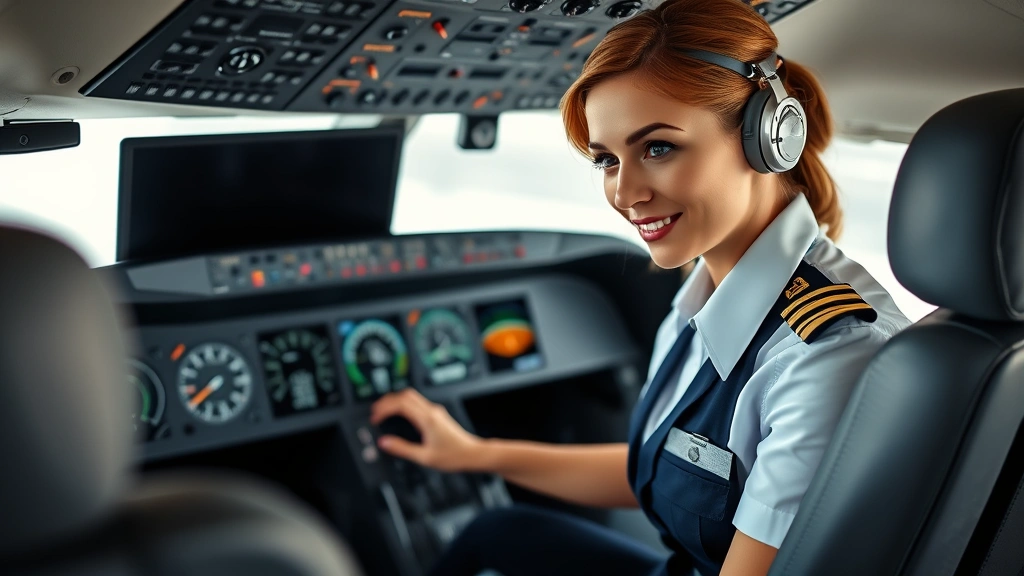
While Captain Shults receives deserved recognition for her piloting skill, the flight attendants aboard Southwest Flight 1380 performed with equally extraordinary professionalism. Flight Attendant Donna Weaver was working in the cabin when the engine failed. She immediately began assessing injuries and providing emergency medical care while the aircraft was still in crisis.
The crew’s training manifested in their responses. Despite the chaos, the violent aircraft movements, and the genuine threat to their own lives, the flight attendants moved through the cabin providing reassurance, administering first aid, and preparing passengers for emergency procedures. Their calm demeanor and professional responses helped prevent panic from completely overwhelming the cabin. One survivor noted: “The flight attendants were incredible. They acted like it was just another day at the office, and that calm helped us stay together.”
The crew also managed the immediate aftermath of the dramatic plunge with remarkable composure. They secured the aircraft, accounted for all passengers, and coordinated the emergency landing preparations. Their actions exemplified how training transforms into muscle memory under the most extreme conditions. The flight attendants were later celebrated as heroes, though many maintained the perspective that they were simply doing their jobs—a humbling reminder that heroism often emerges from duty performed with excellence.
When the aircraft touched down in Philadelphia, the crew’s first concern was passenger welfare. They coordinated the evacuation, ensured medical personnel were ready, and provided comfort to traumatized passengers. Their professionalism during the 23-minute emergency descent and subsequent landing prevented what could have been a catastrophic loss of life.
Psychological Impact on Survivors
The dramatic plunge left psychological scars that extended far beyond the physical injuries. Survivors experienced acute stress disorder in the immediate aftermath, with symptoms including intrusive thoughts, nightmares, hypervigilance, and anxiety. Many passengers reported being unable to sleep for days, haunted by the memory of that moment when they believed death was imminent.
Post-traumatic stress disorder (PTSD) emerged as a significant concern for many survivors. The incident triggered what psychologists call “triggering events”—seemingly innocuous experiences that suddenly transported survivors back to the cabin of Flight 1380. The sound of an aircraft engine, turbulence on subsequent flights, even news reports about aviation incidents could provoke panic responses.
Some passengers developed flight anxiety so severe they abandoned plans for future air travel. The confident fliers who had traversed the country without hesitation found themselves unable to board an aircraft without overwhelming dread. Others committed to conquering their fear, recognizing that avoiding flight would allow the trauma to maintain power over their lives. For these individuals, the journey back to normalcy involved gradual exposure therapy and deliberate confrontation with their fears.
The psychological impact extended to family members and loved ones. Relatives of survivors experienced their own trauma from hearing about or witnessing their loved one’s ordeal. The incident became a permanent fixture in family narratives, a moment that divided time into before and after.
Professional mental health support became crucial for many survivors. Therapists specializing in trauma helped passengers process their experiences, develop coping mechanisms, and gradually rebuild their sense of safety. Support groups connected survivors, allowing them to share experiences with others who truly understood the weight of what they’d endured. The collective testimonies of survivors contributed to broader conversations about trauma recovery and resilience.
Aviation Safety Improvements Following the Incident
The dramatic plunge prompted comprehensive reviews of aviation safety protocols and aircraft design standards. The National Transportation Safety Board (NTSB) conducted an exhaustive investigation, examining every aspect of the failure. Their findings revealed critical information about uncontained engine failures and led to recommendations that would reshape commercial aviation safety.
One significant outcome was accelerated implementation of enhanced engine containment standards. Aircraft manufacturers were directed to strengthen engine housings to better contain debris from catastrophic engine failures. These engineering modifications represented millions of dollars in investment but promised to prevent future tragedies of similar magnitude.
The incident also prompted renewed focus on emergency procedures and crew training protocols. Airlines reviewed their training scenarios to ensure crews could respond effectively to uncontained engine failures. Simulator training became more sophisticated, incorporating the specific challenges presented by mid-flight decompression events.
Passenger communication during emergencies received increased attention. The incident demonstrated the importance of keeping passengers informed during crises. Airlines subsequently developed more robust communication protocols to help passengers understand what’s happening and what they should do. The psychological benefit of information—even if the information isn’t positive—helps people maintain psychological equilibrium during emergencies.
The incident also influenced discussions about seatbelt usage and proper seating posture during flights. While such precautions wouldn’t have prevented the engine failure, they might have reduced injury severity. Airlines increased emphasis on passenger briefings about safety procedures, recognizing that many passengers don’t pay attention to standard safety demonstrations.
When considering best airlines for long flights, safety records and crew training become paramount considerations. The Southwest incident reinforced that airline selection should prioritize carriers with exceptional safety cultures and well-trained crews.
Traveling with Confidence After Flight Scares
For travelers anxious about aviation safety following incidents like the Southwest dramatic plunge, several evidence-based strategies can help restore confidence. Understanding aviation safety statistics provides rational perspective: commercial aviation remains extraordinarily safe, with modern aircraft designed with multiple redundant systems.
Educating yourself about aircraft design and safety features can transform anxiety into understanding. Learning how aircraft systems work, how pilots are trained, and how air traffic control manages the skies provides intellectual frameworks that can counteract emotional fear responses. Many passengers find that knowledge transforms their relationship with flying from blind faith to informed confidence.
Selecting flights on flights from Chicago to Denver or flights from Houston to Las Vegas with airlines known for exceptional safety records and crew training can provide additional confidence. Research airlines thoroughly, examining their safety records and customer reviews.
Gradual exposure therapy works effectively for flight anxiety. Starting with short flights, then progressively taking longer journeys, helps your nervous system recalibrate its threat assessment. Many anxious fliers find that repeated successful flights gradually restore their confidence.
Breathing techniques and mindfulness practices help manage anxiety during flights. Controlled breathing activates the parasympathetic nervous system, counteracting the fight-or-flight response. Mindfulness meditation helps passengers remain present rather than catastrophizing about potential disasters.
Connecting with flight crews and learning about their training can humanize aviation professionals and build trust. Flight crews are extensively trained professionals who take their safety responsibilities with utmost seriousness. Understanding their expertise and dedication can shift your perspective from anxiety to appreciation.
For those planning trips to Denver to Orlando flights or other major routes, remembering that millions of flights operate safely every year provides statistical reassurance. The dramatic plunge that captured headlines was exceptional precisely because such events are extraordinarily rare.
FAQ
What caused the Southwest Flight 1380 engine failure?
The engine failure resulted from metal fatigue in a fan blade within the left engine’s compressor section. The blade fractured and separated, causing an uncontained engine failure where debris escaped the engine containment structure. This debris struck the fuselage, creating structural damage and depressurization.
How did Captain Tammie Jo Shults manage to land the aircraft safely?
Captain Shults, a former Navy fighter pilot with extensive experience handling emergency situations, applied her training and composure to stabilize the severely damaged aircraft. Her ability to communicate calmly with air traffic control while managing the compromised aircraft was instrumental in the safe landing. She worked in coordination with First Officer Darren Ellisor to execute a controlled descent to Philadelphia International Airport.
How many passengers were injured during the dramatic plunge?
One passenger, Sherry Wix, was fatally injured when she was partially sucked toward the damaged fuselage window. Seven other passengers sustained injuries from the incident. Many more experienced psychological trauma from the event.
Did this incident lead to changes in aviation safety regulations?
Yes, the incident prompted comprehensive safety reviews and led to enhanced engine containment standards. Aircraft manufacturers were directed to strengthen engine housings to better contain debris from catastrophic failures. Airlines also reviewed emergency procedures and crew training protocols.
How can I overcome flight anxiety after hearing about incidents like this?
Consider gradual exposure therapy, educating yourself about aviation safety, practicing breathing techniques, and seeking professional mental health support if anxiety is severe. Remember that commercial aviation remains extraordinarily safe, with modern aircraft featuring multiple redundant safety systems. When considering top travel destinations 2025, remember that reaching them by air remains statistically safer than the drive to the airport.
What should I do if I experience turbulence or unusual aircraft movements?
Remember that modern aircraft are designed to withstand extreme turbulence. If you experience anxiety, practice controlled breathing, ask flight attendants for reassurance, or use distraction techniques like watching movies or reading. Flight crews are trained to manage turbulence and will communicate if any situation requires passenger awareness.
How can I prepare for altitude-related concerns on flights?
Learn about how to prepare for altitude sickness to understand physiological responses to flying. Stay hydrated, avoid alcohol, and practice breathing exercises. Understanding how your body responds to altitude can reduce anxiety about normal physical sensations.