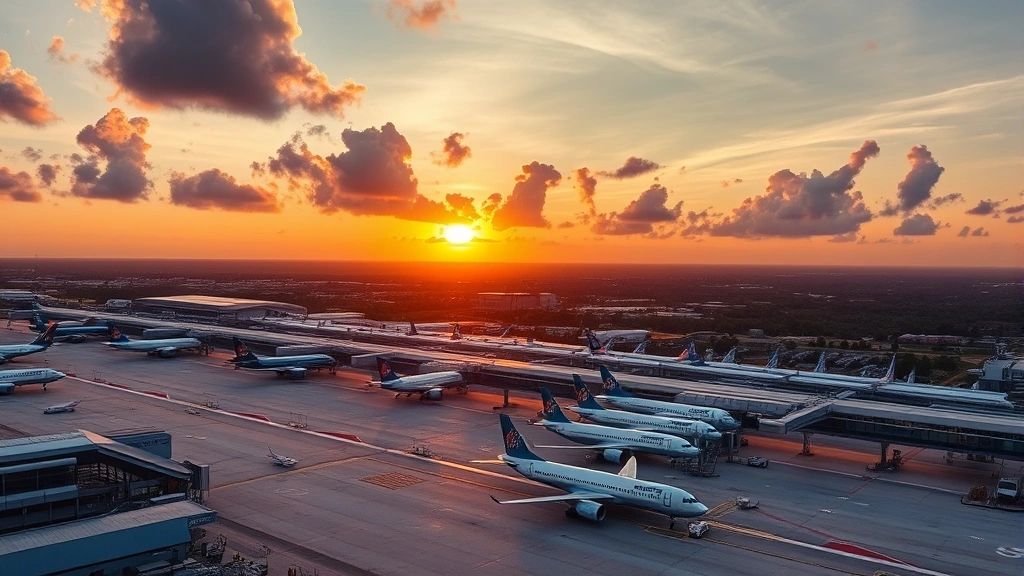
SFO to Delhi Flights: Insider Tips & Deals for Your Indian Adventure
Flying from San Francisco to Delhi opens doors to one of the world’s most vibrant and historically rich destinations. Whether you’re seeking spiritual enlightenment at ancient temples, exploring bustling markets, or savoring authentic Indian cuisine, the journey begins with finding the right flight. This comprehensive guide reveals insider strategies to secure the best SFO to Delhi flights, navigate booking platforms like a pro, and maximize your travel budget while minimizing stress.
Delhi, India’s capital, welcomes millions of international travelers annually through Indira Gandhi International Airport (DEL). The route from San Francisco International Airport (SFO) is well-established with multiple carriers offering competitive fares. Understanding the nuances of this transatlantic-transcontinental journey—spanning nearly 8,000 miles and 15+ hours of flight time—can mean the difference between overpaying and scoring exceptional deals that fund more adventures within India.

Best Airlines for SFO to Delhi Routes
Several reputable carriers operate the SFO to Delhi route, each offering distinct advantages. Air India, India’s national carrier, provides direct flights from San Francisco, making it the fastest option at approximately 15-16 hours. Their service includes authentic Indian cuisine, Bollywood entertainment, and competitive pricing, especially during promotional periods. However, their premium cabin experience may not rival some international carriers.
United Airlines frequently offers one-stop connections through hubs like Houston or Newark, providing flexibility in scheduling and sometimes lower base fares. Their Star Alliance partnerships mean seamless baggage handling and consistent service standards. American Airlines similarly routes passengers through Dallas or Charlotte, with their Oneworld partners providing additional redemption opportunities for frequent flyers.
For budget-conscious travelers, consider carriers like Turkish Airlines or Qatar Airways, which operate through their respective Middle Eastern hubs. These airlines consistently rank among the world’s best for service quality while offering competitive pricing on long-haul routes. The trade-off involves longer total travel time due to layovers, but you’ll gain rest opportunities and often access to premium lounges even in economy class.
Comparing your options across multiple booking channels reveals that airline choice significantly impacts your total travel experience. Like exploring flights to Miami from Atlanta, the SFO-Delhi route rewards research with better fares and conditions. International carriers often provide superior amenities on ultra-long-haul flights, including lie-flat seats, gourmet dining, and comprehensive entertainment systems that transform grueling journeys into comfortable transitions.

Smart Booking Strategies & Timing
Timing your booking for SFO to Delhi flights requires understanding seasonal demand patterns and airline pricing algorithms. The sweet spot for booking typically falls 2-3 months before departure, when airlines release promotional fares but prices haven’t yet surged due to last-minute demand. Booking too far in advance (6+ months) often results in higher prices, while waiting until final weeks guarantees premium pricing.
Tuesday and Wednesday departures from San Francisco tend to offer better rates than weekend flights, as business travelers dominate those days, creating lower leisure travel demand. Similarly, flying during shoulder seasons—April to June or September to October—provides better deals than peak winter holidays or summer vacation periods. The monsoon season in India (July-August) sees reduced tourism, translating to lower airfares despite less-ideal weather.
Leverage airline fare alerts across multiple platforms simultaneously. Set notifications on Google Flights, Kayak, Skyscanner, and directly with airlines’ websites. This multi-channel approach ensures you catch flash sales and promotional codes that last mere hours. Many travelers miss incredible deals because they check prices sporadically; consistent monitoring reveals patterns in airline pricing cycles.
Clear your browser cookies or use incognito mode when searching repeatedly, as some booking platforms track your searches and may adjust prices accordingly. Consider flying out of alternative California airports—Oakland (OAK) or San Jose (SJC)—occasionally offering cheaper fares than SFO, especially on connecting flights. Like investigating flights from Chicago to Denver, exploring nearby departure cities reveals hidden savings.
Finding Hidden Flight Deals
Master several deal-hunting techniques to consistently secure discounted SFO to Delhi flights. Mistake fares—pricing errors that airlines honor—occasionally appear on major booking sites. Following deal aggregator accounts on social media platforms like Twitter (@SkyscannerUS, @AirfareWatchdog) provides real-time alerts when these rare opportunities emerge. However, act immediately, as these deals vanish within minutes.
Airline newsletters deliver exclusive member-only promotions, particularly during off-peak travel seasons. Signing up for Air India, United, and American Airlines newsletters costs nothing but yields regular discount codes worth $50-200 per booking. Many airlines offer flash sales lasting 24-48 hours, accessible only to email subscribers.
Explore alternative routing strategies by searching for flights to nearby Indian cities like Bangalore, Mumbai, or Hyderabad, then calculating total costs including ground transportation to Delhi. Sometimes flying into a secondary hub costs significantly less, and internal Indian flights or trains provide affordable onward travel. This creative booking approach has saved savvy travelers $300-500 on major routes.
Credit card sign-up bonuses provide substantial value when booking premium cabin tickets or funding multiple trips. Premium travel credit cards offer 50,000-100,000 bonus points worth $500-1,500 in travel value. Strategically timing credit card applications around planned travel maximizes these benefits. Points-based bookings sometimes offer better value than cash fares, particularly during peak seasons when premium cabin surcharges inflate actual ticket prices.
Utilize flight comparison tools that track price trends over time. Hopper and Kayak’s price prediction features indicate whether fares are likely to increase or decrease, informing your booking timing. These algorithms analyze historical data and current booking patterns to provide 90%+ accuracy, transforming guesswork into data-driven decisions. Similar research applies when exploring Houston to Seattle flights or any major route.
Don’t overlook round-trip booking advantages. Contrary to intuition, round-trip tickets sometimes cost less than one-way fares due to airline pricing structures. If you’re uncertain about return dates, booking round-trip still provides flexibility—many airlines allow date changes without penalties for premium cabin passengers or elite frequent flyer members.
Baggage Allowance & In-Flight Amenities
Understanding baggage policies prevents expensive surprises at the airport. Most international carriers offer 2 checked bags (23kg/50lbs each) for economy passengers on SFO to Delhi flights, plus personal items and carry-on luggage. Air India’s baggage policy aligns with industry standards, though budget carriers may charge for additional bags. Premium cabin passengers receive generous allowances—sometimes 3 checked bags plus priority handling.
For extended India trips, baggage flexibility matters tremendously. The ability to check additional bags without $100+ fees enables packing for diverse climates and activities. Some credit cards provide baggage fee waivers—yet another incentive for strategic card selection. Budget airlines operating connecting flights may impose stricter restrictions, making direct flight research particularly important.
In-flight amenities vary dramatically across carriers on this ultra-long-haul route. Air India’s direct flights include meal service, entertainment systems, and amenity kits. However, international carriers like Turkish Airlines or Emirates (via connecting flights) often provide superior bedding, amenities, and meal quality. Reviewing detailed airline reviews on SeatGuru reveals seat configurations, IFE quality, and passenger experiences before booking.
Meal service on overnight flights significantly impacts sleep quality and overall experience. Airlines accommodating dietary restrictions (vegetarian, vegan, gluten-free, religious requirements) require advance notification, particularly important given India’s diverse dietary traditions. Requesting special meals during booking ensures satisfaction rather than discovering limitations mid-flight.
Strategic Layover Destinations
Connecting flights through Middle Eastern hubs—Doha (DOH), Abu Dhabi (AUH), or Dubai (DXB)—often cost less than direct flights while offering advantageous stopover opportunities. A 14-16 hour journey becomes more manageable when split into segments with rest opportunities. Qatar Airways’ Doha hub, for instance, provides comfortable layovers with shower facilities, prayer rooms, and transit lounges accessible even to economy passengers.
Strategic layovers transform connections into mini-adventures. A 6-8 hour stopover in Istanbul or Doha allows brief city exploration—visiting the Blue Mosque, sampling Turkish cuisine, or experiencing Arabian hospitality—without significantly extending total journey time. Some travelers intentionally book longer layovers, treating them as free vacation days before reaching their main destination.
Visa requirements affect layover viability. Citizens of many countries enjoy visa-free or visa-on-arrival access to Turkey, UAE, and Qatar, enabling airport exploration. However, verify your nationality’s specific privileges before booking. Indian visas require advance processing for most nationalities, so plan accordingly—typically obtaining visas before international departure rather than expecting airport visa services.
Layover duration impacts pricing and fatigue. 2-4 hour connections require efficient airport navigation but minimize time away from your main destination. 8-12 hour layovers enable rest, meal breaks, and brief exploration. Beyond 12 hours, consider whether a hotel stay might improve comfort—some airlines provide free or heavily subsidized layover hotels for extended connections.
Pre-Flight Preparation Essentials
Successful transatlantic-transcontinental travel requires meticulous preparation. Ensure your passport validity extends at least 6 months beyond your intended India departure date—immigration requires this, and airlines won’t board passengers with insufficient validity. Obtain your Indian e-visa well before travel, allowing 4-7 business days for processing.
Vaccination records matter increasingly for international travel. While COVID-19 requirements have relaxed, India’s health authorities may impose specific requirements during disease outbreaks. Yellow fever vaccination proves necessary if arriving from endemic countries. Consult the CDC’s travel health notices for India to understand current recommendations for diseases like malaria, typhoid, and Japanese encephalitis.
Prepare your luggage strategically for 15+ hour flights. Compression bags maximize space while reducing luggage weight. Pack comfortable clothing for the flight—avoid restrictive jeans in favor of stretchy pants. Bring a neck pillow, compression socks, and eye mask to improve sleep quality on overnight flights. Entertainment materials—books, podcasts, downloaded movies—supplement airline IFE systems.
Manage jet lag proactively. Arriving in Delhi means a 12.5-13.5 hour time difference (depending on daylight saving). Gradually shifting your sleep schedule 3-4 days before departure eases adjustment. Upon arrival, expose yourself to natural sunlight, exercise lightly, and avoid excessive caffeine or alcohol. Melatonin supplements help reset circadian rhythms more safely than sleeping pills.
Book ground transportation in advance—airport pickups, hotel transfers, or pre-arranged transportation—ensuring smooth transitions from international arrivals. Delhi’s airport can overwhelm first-time visitors; having confirmed transportation eliminates confusion and reduces vulnerability to overpriced unauthorized taxis.
Notify your bank and credit card companies of travel dates to prevent fraud alerts blocking transactions. Delhi’s vibrant markets, restaurants, and attractions require reliable payment access. Carry multiple payment methods—credit cards, debit cards, and some cash—providing backup options.
FAQ
How long do SFO to Delhi flights typically take?
Direct flights from San Francisco to Delhi require approximately 15-16 hours of flight time. Connecting flights through Middle Eastern hubs add 3-8 hours depending on layover duration, resulting in 18-24 hour total travel times. The time difference (12.5-13.5 hours ahead) means arriving the next calendar day despite similar actual elapsed time.
What’s the cheapest time to book SFO to Delhi flights?
Book 2-3 months before departure for optimal pricing. Shoulder seasons (April-June, September-October) offer better rates than peak winter holidays or summer months. Tuesday-Wednesday departures typically cost less than weekend flights. Monsoon season (July-August) sees reduced tourism and lower fares despite less-ideal weather conditions.
Do I need a visa for India from the United States?
Yes, U.S. citizens require an Indian visa. The electronic visa (e-visa) process is straightforward—apply online at the official Indian visa website, receiving approval within 4-7 business days. E-visas cost approximately $25 USD and permit stays up to 60 days for tourism purposes.
Which airlines offer direct flights from SFO to Delhi?
Air India operates direct flights from San Francisco to Delhi, providing the fastest option. United Airlines, American Airlines, and other carriers offer one-stop connections through hubs like Houston, Newark, or Charlotte. Middle Eastern carriers (Qatar Airways, Turkish Airlines, Emirates) provide competitive pricing through their respective hubs with excellent service quality.
Can I book connecting flights separately to save money?
Booking separate one-way tickets for each leg is generally not recommended unless you’re certain about timing. Through-booked tickets provide baggage protection, automatic rebooking if connections are missed, and simplified check-in. Separate bookings risk losing your second flight if the first is delayed. Only pursue this strategy if you’re intentionally building layover time into your itinerary.
What should I pack for a long flight to Delhi?
Pack comfortable clothing, neck pillow, compression socks, eye mask, and entertainment materials. Include toiletries in carry-on luggage for in-flight freshness. For checked luggage, pack clothing for Delhi’s climate—lightweight, breathable fabrics for hot weather, plus layers for air-conditioned spaces and potential cooler evenings. Don’t forget medications, chargers, and adapters for Indian electrical outlets (Type A, C, and D plugs).
How early should I arrive for international flights from SFO?
Arrive 3 hours before international flights from San Francisco. This timing accommodates security screening, baggage check, and unexpected delays. SFO’s efficient operations typically process passengers quickly, but arriving early eliminates stress and provides buffer time.
Are there better deals if I fly to alternative Indian cities?
Sometimes flying to Mumbai, Bangalore, or Hyderabad costs less than Delhi flights. Calculate total costs including ground transportation between cities. Internal Indian flights or trains provide affordable onward travel to Delhi. This strategy occasionally saves $300-500, making it worth investigating when searching for SFO to Delhi flights.
Can I change my flight dates after booking?
Most airlines charge change fees for economy tickets ($75-150+), though some premium cabin passengers or elite frequent flyers receive free changes. During disruptions (weather, mechanical issues), airlines typically rebook affected passengers without fees. Always review specific airline policies before booking, as some carriers offer more flexible change policies than others.