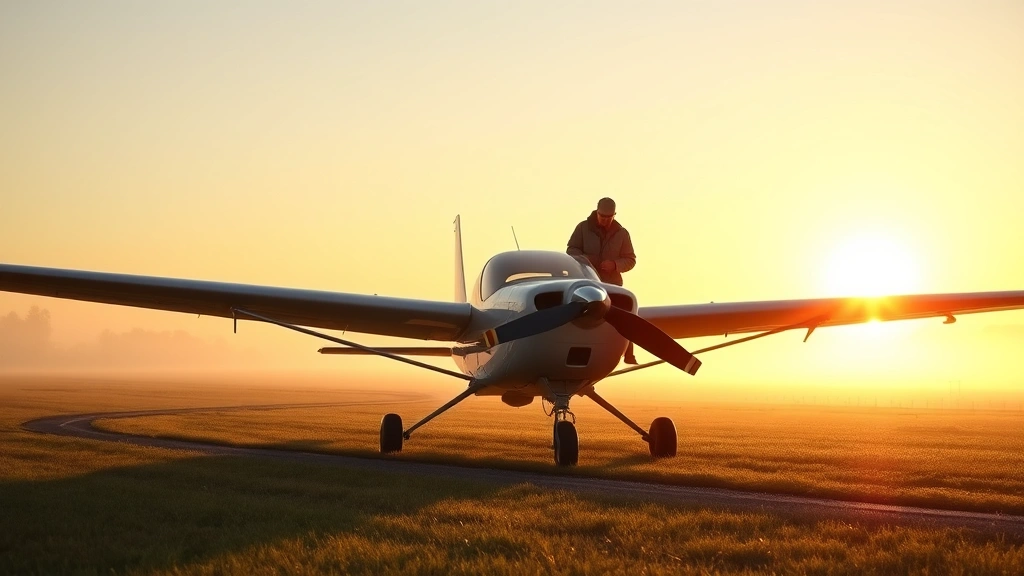
Flight School Part 61: Pilot’s Guide & Insights
Becoming a pilot is one of aviation’s most rewarding pursuits, and Part 61 flight training represents the most flexible pathway to earning your wings. Whether you’re dreaming of commanding commercial aircraft or simply want the freedom of personal flight, understanding Part 61 regulations and training requirements is essential. This comprehensive guide explores everything you need to know about Part 61 flight schools, training costs, timeline, and practical insights from experienced aviators who’ve successfully navigated this journey.
Part 61 refers to Federal Aviation Administration (FAA) regulations that govern pilot certification and flight training. Unlike Part 141 schools with their rigid curricula, Part 61 offers personalized instruction tailored to your pace and goals. Whether you’re pursuing a private pilot certificate, commercial license, or instrument rating, Part 61 provides the flexibility and individualized attention that many aspiring pilots prefer. This guide will help you understand the requirements, costs, and realistic expectations for pursuing your aviation dreams.
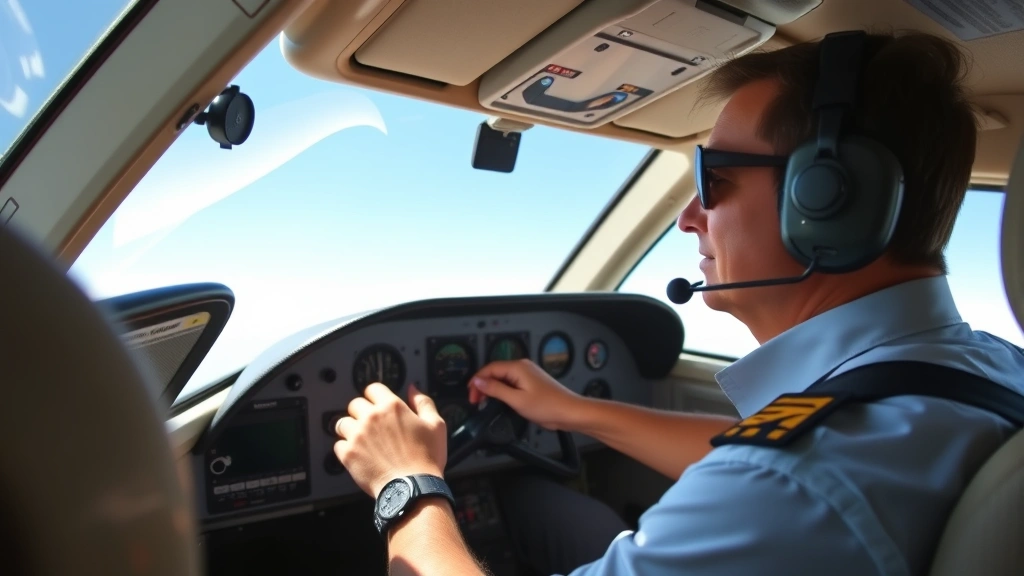
Understanding Part 61 Flight Training
Part 61 flight training operates under Title 14 of the Code of Federal Regulations, specifically Part 61, which establishes the minimum standards for pilot certification. This regulation framework allows independent flight instructors and small flight schools to provide training without the extensive administrative overhead required by Part 141 schools. The flexibility inherent in Part 61 makes it ideal for students who have unpredictable schedules, prefer one-on-one instruction, or want to progress at their own pace.
The beauty of Part 61 training lies in its adaptability. You can train with a single instructor at a local airport, arrange lessons around your work schedule, and focus on areas where you personally need the most development. Many successful pilots credit their Part 61 training with building stronger fundamentals because instructors can dedicate extra time to weak areas without adhering to a predetermined curriculum schedule. When you’re planning your training journey, understanding how flights from Chicago to Dallas operate can give you perspective on commercial aviation you’ll eventually understand deeply as a pilot.
Part 61 training typically occurs at small general aviation airports, which offer a more intimate learning environment than busy commercial hubs. These airports often have lower landing fees, less congestion, and more opportunities for practice flights. The regulatory framework allows instructors to customize training based on your individual learning style, career goals, and available time commitment.
Part 61 vs Part 141: Key Differences
Understanding the distinction between Part 61 and Part 141 training is crucial for choosing the right path. Part 141 schools operate under a more rigid, FAA-approved curriculum with structured progression requirements. They must maintain specific facilities, equipment standards, and instructor qualifications. Part 141 training typically requires fewer flight hours to achieve certification—usually 60 hours for private pilot compared to Part 61’s 40-hour minimum—but this comes with less flexibility.
Part 61 advantages include:
- Flexible scheduling tailored to your availability
- Personalized instruction focused on your specific needs
- Lower initial costs with no enrollment fees
- One-on-one attention from your instructor
- Training at convenient local airports
- Ability to train with multiple instructors if desired
Part 141 advantages include:
- Structured curriculum with clear progression
- Fewer total flight hours required (typically 60 vs 40 minimum)
- Professional training environment with dedicated facilities
- Comprehensive ground school included
- Career pathway support and job placement assistance
The choice between Part 61 and Part 141 depends on your priorities. If you value flexibility and personalized attention, Part 61 excels. If you prefer structure and want employer recognition of your training quality, Part 141 may be better. Many pilots successfully complete Part 61 training, then pursue additional ratings through Part 141 programs later. Understanding Dallas to Atlanta flights route dynamics can inform your choice of training location and eventual flying destinations.
Private Pilot Certificate Requirements
The Private Pilot Certificate represents the first major milestone in aviation training. This certification allows you to operate aircraft for personal use, though you cannot be compensated for flying. The FAA establishes specific requirements that all Part 61 students must meet regardless of their training environment.
Eligibility requirements include:
- Minimum age of 17 years old
- Ability to read, speak, write, and understand English
- Valid medical certificate (Third-Class minimum)
- Completed FAA Form 8710-1 application
Training requirements encompass:
- Minimum 40 flight hours (realistic average is 60-70 hours)
- Minimum 20 hours of dual instruction with an instructor
- Minimum 20 hours of solo flight
- 3 hours of cross-country dual instruction
- 3 hours of night training including 10 takeoffs and landings
- Completion of ground school material
- Passing the written knowledge test (80% minimum)
- Successful practical exam (checkride) with an examiner
The checkride consists of an oral examination covering aircraft systems, regulations, and aerodynamic principles, followed by a practical flying test. Your examiner will evaluate your ability to safely operate an aircraft, make sound decisions, and handle emergency scenarios. Part 61 training prepares you thoroughly for this comprehensive evaluation.
Training Costs and Budget Planning
Cost considerations significantly impact your training decision. Part 61 training generally costs less initially but may extend longer, potentially increasing total expenses. Understanding the financial landscape helps you budget appropriately and make informed decisions.
Typical Part 61 cost breakdown:
- Instructor fees: $45-$75 per hour
- Aircraft rental: $100-$200 per hour (depending on aircraft type)
- Fuel surcharges: $15-$30 per hour
- Written exam: $175
- Medical certificate: $100-$300
- Checkride examiner fee: $400-$700
- Books and materials: $200-$400
- Total estimated cost: $8,000-$15,000
These figures represent realistic estimates for training at typical general aviation airports. Costs vary significantly based on location—training in metropolitan areas costs substantially more than rural regions. Aircraft type also affects pricing; training in a basic Cessna 152 costs less than using a Piper Cherokee or Diamond aircraft. Many flight schools offer discounted rates for block hours purchased in advance, reducing per-hour costs by 5-10%.
Financial planning should account for the possibility of exceeding minimum flight hours. Most Part 61 students require 50-80 hours to achieve proficiency, particularly if training occurs sporadically. Consistent training accelerates learning and reduces total costs. Understanding why are flights so expensive right now provides perspective on aviation economics affecting training costs.
Flight Hours and Timeline
The timeline for Part 61 training varies dramatically based on your commitment level and training frequency. While the FAA requires only 40 flight hours minimum, realistic training typically spans several months to over a year.
Training frequency impact on timeline:
- Intensive training (4-5 flights weekly): 3-4 months
- Regular training (2-3 flights weekly): 6-9 months
- Part-time training (1-2 flights weekly): 12-18 months
- Occasional training (1-2 flights monthly): 2+ years
Consistency matters more than total hours. Students who train multiple times weekly progress faster because they retain skills and build on previous lessons effectively. Conversely, sporadic training separated by weeks or months requires reviewing previous material, extending your overall timeline and increasing costs.
Weather significantly impacts training schedules, particularly in regions with winter conditions or frequent storms. Pilots cannot legally fly in conditions below specific minimums, so weather delays are inevitable. Budget extra time into your training schedule to account for cancellations and rescheduling.
The checkride itself typically occurs after you and your instructor believe you’re ready, creating flexible timing. Some students complete training in 3 months; others take 18 months. Both timelines are valid—the important factor is achieving true proficiency and safety, not rushing to meet arbitrary deadlines.
Finding the Right Flight Instructor
Your flight instructor profoundly influences your training experience and success. Part 61 allows you flexibility in selecting instructors, making this choice critically important. A great instructor accelerates learning, builds confidence, and instills excellent safety habits.
Qualities to seek in a Part 61 instructor:
- Commercial or airline transport pilot certificate
- Valid flight instructor certificate with current ratings
- Teaching experience (minimum 500 hours instructing)
- Clear communication style matching your learning preferences
- Patient, encouraging demeanor
- Current knowledge of regulations and procedures
- Flexible scheduling accommodating your availability
- Access to well-maintained training aircraft
Interview potential instructors before committing. Ask about their teaching philosophy, how they structure lessons, and their approach to safety. Request references from previous students and speak with them about their experiences. The instructor-student relationship is intensely personal—you’ll spend 20-30+ hours with this person in a small aircraft, so compatibility matters tremendously.
Some students benefit from training with multiple instructors, each bringing different expertise. For example, you might do primary training with one instructor, then focus on cross-country skills with another specialist. Part 61’s flexibility enables this approach, though consistency with one instructor typically works better for most students.
Location considerations also apply—training at the same airport where your instructor operates regularly ensures they know the local environment intimately, including typical weather patterns, runway conditions, and traffic patterns. This local knowledge significantly enhances your training.
Ground School and Written Exams
Ground school covers the theoretical knowledge required for safe flight operations. While Part 61 doesn’t mandate formal ground school (unlike Part 141), most successful students complete structured ground training through various methods.
Ground school options include:
- Online courses (King Schools, Sporty’s Pilot Training)
- In-person classroom instruction at flight schools
- Self-study using FAA textbooks and resources
- Instructor-led ground instruction before flights
- Combination approaches mixing multiple methods
The written knowledge test covers aircraft systems, aerodynamics, regulations, weather, navigation, and emergency procedures. You must score at least 80% to pass. Most students prepare using online courses combined with their instructor’s ground instruction, ensuring comprehensive preparation.
Study timelines vary based on your learning style and prior aviation knowledge. Complete novices typically need 30-40 hours of ground study; those with aviation background may need only 15-20 hours. Spacing study sessions over several weeks works better than cramming, allowing knowledge to consolidate effectively.
Your flight instructor should review ground school material during pre-flight briefings and post-flight debriefs, connecting theory to practical flying experience. This integration accelerates understanding and retention far better than ground school alone.
Practical Tips for Success
Successful Part 61 training requires more than following your instructor’s guidance. Strategic approaches significantly enhance your learning and accelerate progress.
Pre-flight preparation maximizes lesson value:
- Review weather briefings before each flight
- Study the aircraft systems relevant to that day’s lesson
- Prepare a pre-flight checklist and review procedures
- Arrive early to reduce stress and settle into focused learning mode
- Discuss lesson objectives with your instructor beforehand
Maintaining a detailed pilot logbook serves multiple purposes beyond legal requirement. Recording flight times, lessons learned, and areas for improvement creates a personal learning record. Reviewing past entries reveals your progress and identifies patterns in areas needing extra practice.
Consider joining local pilot organizations and attending fly-ins. Networking with experienced pilots provides mentorship, safety tips, and encouragement. Many general aviation communities are remarkably welcoming to student pilots, offering invaluable informal education.
Physical fitness contributes to flight performance. Adequate sleep before training flights ensures mental sharpness. Staying hydrated and well-nourished maintains focus during lessons. Avoiding alcohol for at least 8 hours before flying (and 24 hours before complex training) keeps your reflexes sharp.
Budget for continued learning after certification. Most new pilots benefit from additional training in areas like mountain flying, advanced navigation, or emergency procedures. The learning never truly stops in aviation—even experienced commercial pilots pursue training throughout their careers. Understanding routes like flights from Houston Texas to Las Vegas Nevada gives you realistic destination planning as you develop your skills.
Document your training progression with photos and videos when possible. These memories become cherished records of your aviation journey. Many pilots revisit their training footage years later, amazed at how far they’ve progressed.
Safety should always be your paramount concern. Never pressure yourself or your instructor to fly in marginal conditions. Weather can wait; your life cannot. Part 61’s flexibility allows you to reschedule around weather, so use that advantage. Understanding best travel destinations for solo travelers provides inspiration for your future flying adventures once you’re certified.
Finally, stay mentally flexible about your training timeline. If you need extra lessons in specific areas, embrace that reality. Extra training in challenging skills like crosswind landings or instrument approaches makes you a safer, more confident pilot. Quality always trumps rushing toward certification.
FAQ
How long does Part 61 flight training typically take?
Part 61 training typically takes 3-18 months depending on training frequency. Intensive training (4-5 flights weekly) completes in 3-4 months, while part-time training (1-2 flights weekly) extends 12-18 months. Most students train 2-3 times weekly and complete within 6-9 months. Consistency matters more than total hours—regular training accelerates progress significantly.
What’s the minimum age to start Part 61 flight training?
You must be at least 17 years old to earn a Private Pilot Certificate through Part 61 training. However, many flight schools accept younger students for introductory flights and ground school preparation. Some students begin training at 14-15 years old, then complete certification at 17. Starting early allows you to understand aviation principles before formal training begins.
Can I train Part 61 at any airport?
Part 61 training can occur at any airport where training aircraft are available and your instructor operates. However, training typically occurs at general aviation airports rather than major commercial hubs. Small airports often have lower costs, less congestion, and more student-friendly environments. Your instructor will recommend suitable airports based on your training stage and local conditions.
What happens if I fail my checkride?
If you don’t pass your checkride, you can schedule another attempt after additional training with your instructor. Most examiners provide detailed feedback about areas needing improvement. This additional training typically takes 5-20 hours depending on specific deficiencies. Many successful pilots failed their first checkride—it’s a learning opportunity, not failure. Your instructor will help you address weaknesses systematically.
Is Part 61 training cheaper than Part 141?
Part 61 training typically costs less initially because there are no enrollment fees and you pay only for actual instruction. However, Part 141 students often complete training faster using fewer total hours, potentially reducing overall costs despite higher hourly rates. The total cost difference is usually 10-20%, with Part 61 being slightly cheaper for most students. Your choice should prioritize training quality and your personal learning style rather than cost alone.
What medical requirements apply to Part 61 pilots?
Part 61 private pilots must hold a valid medical certificate (Third-Class minimum). This certificate requires a medical examination by an FAA-approved aviation medical examiner. Most healthy individuals pass easily; conditions like diabetes, heart problems, or mental health issues require special evaluation. Consult an AME before starting training if you have health concerns. The medical certificate is valid for 60 months (5 years) for pilots under 40, and 24 months for pilots 40 and older.