
Flying between Orlando and Atlanta is one of the Southeast’s most frequently traveled routes, connecting Florida’s theme park capital with Georgia’s bustling metropolis. Whether you’re heading to Atlanta for business, visiting family, or exploring the city’s vibrant culture, finding affordable Orlando to Atlanta flights requires strategy, timing, and insider knowledge. This comprehensive guide reveals proven tactics to slash your airfare costs and make your journey between these two dynamic cities as budget-friendly as possible.
The Orlando-Atlanta corridor offers multiple daily flights with several carriers competing for your business, which means significant savings opportunities exist for savvy travelers. From understanding seasonal price fluctuations to leveraging loyalty programs and alternative booking strategies, you’ll discover actionable tips that can reduce your ticket costs by 30-50%. Let’s dive into the insider secrets that travel experts use to secure the cheapest possible fares on this popular Southeast route.
Best Times to Book Orlando to Atlanta Flights
Timing your booking can make an enormous difference in the price you pay for Orlando to Atlanta flights. Travel data consistently shows that booking 1-3 months in advance typically yields the lowest fares, with Tuesday and Wednesday departures offering better rates than weekend flights. The sweet spot for domestic flights like this route falls between 21-60 days before your travel date, when airlines have released their schedules but haven’t yet adjusted prices based on demand.
Price monitoring tools reveal that airfares fluctuate throughout the week, with Tuesday mornings typically showing the lowest prices after airlines adjust their inventory on Monday evenings. If you’re flexible with your travel dates, monitoring prices for a full week or two can reveal patterns specific to your preferred departure and arrival times. Early morning and late evening flights often cost significantly less than mid-day options, though the trade-off involves less convenient schedules.
Avoid booking during peak travel seasons, including spring break (mid-March through early April), summer vacation (June-August), and the winter holiday period (mid-December through early January). These periods see price increases of 40-60% compared to shoulder seasons. If you must travel during peak times, book even earlier—ideally 2-3 months in advance—to secure better rates before prices spike.
Airline Comparison and Price Wars
The Orlando-Atlanta route features competition between major carriers including Southwest Airlines, Delta Air Lines, United Airlines, and occasionally budget carriers like Spirit and Frontier. Each airline employs different pricing strategies, and comparing their base fares (before fees) is essential. Southwest typically includes two free checked bags and no change fees, which can represent significant savings compared to legacy carriers charging $30-35 per checked bag.
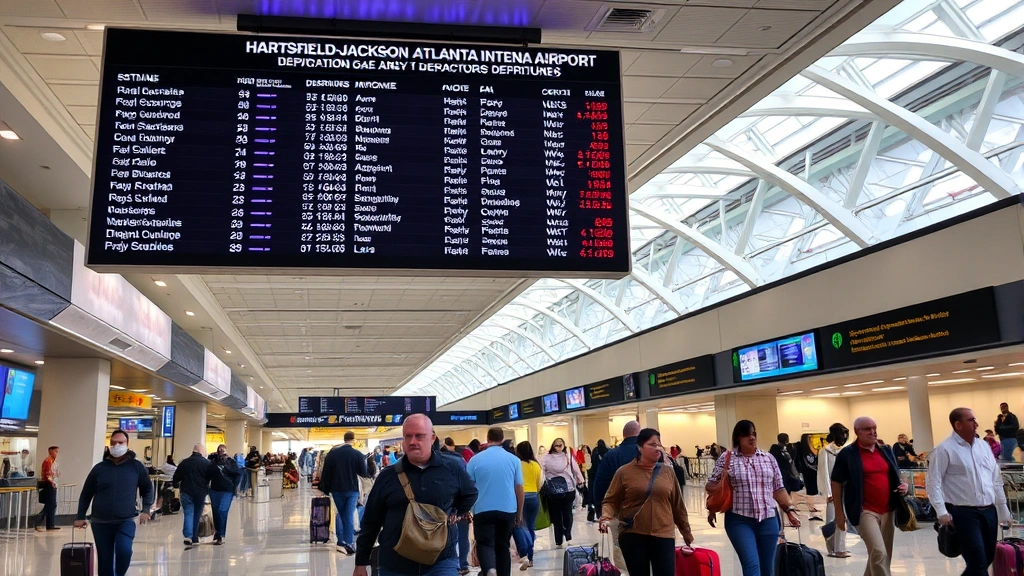
Delta Air Lines dominates this route with frequent departures from Atlanta’s Hartsfield-Jackson International Airport, their major hub. While Delta’s base fares might occasionally appear higher, their frequent flyer benefits and partnerships can offset costs. United Airlines offers competitive pricing, particularly for early morning and late evening flights. Budget carriers like Spirit and Frontier advertise rock-bottom fares, but their restrictive baggage policies and seat selection fees often negate initial savings—calculate total costs including all fees before booking.
Price comparison websites like Kayak, Expedia, and Google Flights display fares from multiple airlines simultaneously, but always verify final prices on the airline’s official website. Airlines occasionally offer exclusive discounts on their sites, and you’ll avoid third-party booking fees. Setting up price alerts on Google Flights or Hopper allows you to monitor fare changes and receive notifications when prices drop significantly.
Money-Saving Booking Strategies
Clear your browser cookies or use incognito mode when searching for flights, as some booking sites track your searches and may display higher prices on return visits. This practice, while controversial, can theoretically prevent dynamic pricing based on your browsing history. More importantly, use flight comparison engines that aggregate real-time pricing from multiple sources, ensuring you’re seeing the actual lowest available fares.
Consider booking one-way flights separately rather than round-trip packages if prices favor this approach. Sometimes two separate one-way bookings cost significantly less than a round-trip ticket, particularly if airlines have different pricing strategies for your outbound and return dates. This strategy requires flexibility but can yield substantial savings.
Bundle your flight with hotel accommodations through vacation packages offered by major travel sites. These packages sometimes provide savings of 15-25% compared to booking components separately, as hotels subsidize flight costs to drive bookings. However, verify that package prices are genuinely cheaper than booking independently before committing.
If you’re traveling to Atlanta to Miami flights from other Southeast cities, you might find better overall deals by exploring regional airport alternatives. Similarly, check flights to Miami FL from Dallas if you’re considering broader Southeast travel options.
Flight Timing and Day Selection
The specific day you fly significantly impacts pricing. Tuesday through Thursday departures typically cost 10-15% less than Friday through Sunday flights, as business travelers dominate weekday traffic while leisure travelers prefer weekends. If your schedule permits, shifting your departure to Tuesday or Wednesday can yield meaningful savings.
Flight times also correlate with pricing. Early morning departures (5:00-7:00 AM) and red-eye flights (10:00 PM-6:00 AM) command lower fares because most travelers prefer mid-morning to early evening departures. If you can tolerate an early wake-up or overnight flight, these options frequently cost $30-80 less per ticket than convenient mid-day options.
Avoid flying on holidays and the days immediately before and after major holidays. Thanksgiving week, Christmas period, and New Year’s holidays see massive price increases. Flying on the actual holiday (Thanksgiving Day, Christmas Day) sometimes offers lower fares, but reduced flight frequency means fewer options.
Alternative Airports and Routes
While Orlando International Airport (MCO) and Atlanta’s Hartsfield-Jackson International Airport (ATL) are the primary options, exploring alternatives can occasionally yield savings. Orlando’s smaller airports like Orlando Sanford International (SFM) might offer cheaper flights on budget carriers, though you’ll sacrifice convenience. The 45-minute drive to Sanford could offset any savings depending on ground transportation costs.
Similarly, Atlanta has alternative airports including Hartsfield-Jackson’s secondary terminals and occasionally flights to nearby cities. However, the Atlanta metro area’s limited alternative airport options make this less viable than in larger regions. The time and cost of reaching alternative airports typically outweigh potential savings on this short-haul route.
Consider connecting flights through hub cities if direct flight prices are exceptionally high. Flying Orlando to Charlotte to Atlanta might cost less than a direct route, though you’ll sacrifice convenience and increase travel time by 2-4 hours. This strategy only makes financial sense if savings exceed $50-75 per person.
Hidden Fees and What to Avoid
Base fare comparisons mean nothing if hidden fees transform a “cheap” ticket into an expensive one. Budget carriers’ rock-bottom advertised prices often exclude mandatory fees: checked baggage ($25-35 per bag), seat selection ($15-25), carry-on bags (some budget airlines), and boarding priority. Calculate total costs including all anticipated fees before declaring any fare the cheapest.
Avoid booking through third-party travel agencies unless they offer genuine discounts exceeding airline direct pricing. Third-party sites sometimes charge booking fees, and customer service issues become complicated when dealing with middlemen rather than airlines directly. automatic airline flight refunds are easier to manage when you book directly with carriers.
Be cautious of “mistakes” or unrealistically low fares. While occasionally legitimate pricing errors occur, booking fares significantly below market rates risks cancellation if the airline discovers and corrects the mistake. Stick with reputable booking platforms and fares within 15-20% of average pricing to avoid this risk.
Loyalty Programs and Credit Card Benefits
Airline loyalty program members access exclusive fares not available to general public, often 10-20% cheaper than standard pricing. If you frequently fly between Orlando and Atlanta or within the Southeast, joining loyalty programs for airlines serving this route—particularly Delta’s SkyMiles program—provides immediate value. Elite status members receive additional perks like free checked bags, priority boarding, and complimentary seat upgrades.
Travel credit cards offer substantial benefits for frequent flyers. Premium cards typically include annual travel credits, free checked bags, priority boarding, and lounge access. The annual fee often pays for itself through benefits, particularly if you travel regularly. Cards offering 2-5x points on airline purchases allow you to accumulate free flights quickly.
Sign-up bonuses on travel credit cards can be extraordinarily valuable, often worth $500-1,000 in travel value. If you’re planning multiple Southeast trips, opening a new card with a substantial sign-up bonus can fund several free flights. However, only pursue this strategy if you’ll meet minimum spending requirements and can manage multiple credit accounts responsibly.
Seasonal Deals and Last-Minute Bargains
The Orlando-Atlanta route experiences seasonal price variations tied to tourism patterns. Orlando’s peak season (December-January, June-August) sees higher prices as families visit theme parks. Atlanta’s conventions and events drive periodic price spikes. Traveling during shoulder seasons (April-May, September-October) typically offers the best balance of pleasant weather and reasonable prices.
Last-minute flights (booked within 1-7 days of departure) occasionally feature deep discounts if airlines have unsold inventory, though this strategy involves significant uncertainty. Hopper and Skyscanner offer last-minute deal notifications, allowing you to capitalize on sudden price drops. This approach works best if you have flexible schedules and can travel on short notice.
Flash sales and limited-time promotions from airlines and travel sites appear frequently, often announced via email newsletters or social media. Signing up for airline newsletters, following travel deal websites like The Points Guy, and setting up Google Flights price alerts ensures you catch promotional opportunities. Some deals expire within 24-48 hours, so act quickly when opportunities arise.
If you’re exploring broader Southeast travel options, check Houston to Miami flight options and best travel destinations for couples to understand regional pricing patterns. Additionally, best destinations for scuba diving might inspire your next adventure from either city.
FAQ
How far in advance should I book Orlando to Atlanta flights?
The optimal booking window is 21-60 days before departure. Booking within this timeframe typically yields the lowest available fares. For peak travel periods, extend this to 60-90 days. Avoid booking fewer than 7 days before departure unless pursuing last-minute deals.
What’s the cheapest day to fly between Orlando and Atlanta?
Tuesday through Thursday departures typically cost 10-15% less than Friday through Sunday flights. Early morning (5:00-7:00 AM) and red-eye flights (10:00 PM-6:00 AM) also offer lower fares than convenient mid-day departures.
Which airline offers the cheapest Orlando to Atlanta flights?
No single airline consistently offers the cheapest fares—prices fluctuate based on demand, competition, and booking timing. Southwest, Delta, and United all compete aggressively on this route. Compare base fares across all carriers, then calculate total costs including baggage fees and other charges before deciding.
Are budget airlines cheaper for this route?
Spirit and Frontier advertise lower base fares, but their restrictive baggage policies and seat selection fees often eliminate savings. Calculate total costs including all fees before booking budget carriers. For most travelers, Southwest’s included baggage and no-change-fee policy provides better overall value.
Can I save money by booking one-way flights separately?
Sometimes. Compare round-trip prices against two separate one-way bookings—occasionally two one-way tickets cost significantly less. This strategy requires flexibility but can yield 15-30% savings if airline pricing favors separate bookings.
What time of year is cheapest for Orlando to Atlanta flights?
Shoulder seasons (April-May, September-October) offer the best combination of reasonable prices and pleasant weather. Avoid peak seasons (June-August, December-January) when prices spike 40-60%. Winter months (February-March) also feature moderate pricing with fewer crowds.
Do price comparison websites show all available flights?
Major comparison sites like Google Flights, Kayak, and Expedia aggregate most flights, but always verify final prices on airline websites. Airlines occasionally offer exclusive discounts unavailable through third-party sites, and you’ll avoid booking fees.