NYC to Washington DC Flights: Complete Travel Insider Guide
Flying from New York City to Washington DC is one of the most practical and popular routes in the eastern United States. Whether you’re planning a quick business trip, a weekend getaway to explore America’s capital, or a cultural adventure, understanding your flight options can save you hundreds of dollars and countless hours of frustration. This comprehensive guide breaks down everything you need to know about booking the perfect NYC to Washington DC flight.
The Northeast Corridor connects these two iconic cities with remarkable efficiency. At just 225 miles apart, you’ll find multiple transportation options competing for your attention. However, flying remains a competitive choice when you factor in convenience, timing, and overall travel experience. Our insider recommendations will help you navigate the complexities of this popular route and make the smartest decision for your travel style.
Flight Duration and Distance Overview
The actual flight time from NYC to Washington DC typically ranges between 1 hour and 1 hour 15 minutes, depending on wind conditions and your specific departure and arrival airports. This short duration makes the route appealing for business travelers and weekend adventurers alike. However, when you factor in airport arrival times, security screening, boarding procedures, and ground transportation at both ends, your total travel time often stretches to 4-5 hours.
Understanding this reality is crucial when deciding whether flying makes sense for your trip. For comparison, Amtrak’s Northeast Regional train takes approximately 3.5 hours from Penn Station to Union Station, while the faster Northeast Direct covers the distance in about 2 hours 45 minutes. The Greyhound bus option takes roughly 4 hours but offers the most budget-friendly pricing. Learn more about why flight prices fluctuate to better time your booking.
The 225-mile distance places this route in an interesting middle ground. It’s too short to justify the hassle of early airport arrivals for many travelers, yet long enough that driving becomes exhausting for most people. This dynamic keeps competition fierce among carriers, which benefits savvy travelers who know how to shop strategically.
Major Airlines and Routes
Three primary carriers dominate the NYC to Washington DC route: American Airlines, Southwest Airlines, and Delta Air Lines. Each brings different advantages to the table. American Airlines operates the most frequent service, with multiple daily departures from all three major NYC airports. Southwest stands out with its generous baggage allowance—two free checked bags—making it ideal for travelers with luggage concerns. Delta offers competitive pricing and often includes premium cabin options for those seeking extra comfort on this brief flight.
Budget carriers occasionally enter this market, though their presence remains sporadic. Spirit Airlines and Frontier Airlines have offered service on this route during peak travel seasons, bringing rock-bottom base fares but charging extra for everything from carry-on bags to seat selection. When comparing these carriers, always calculate the true total cost including all applicable fees.
United Airlines, while a major player in the Northeast, has reduced its NYC to DC frequency in recent years, making it less dominant on this specific route than it once was. However, their frequent flyer program remains valuable if you’re a regular traveler on this corridor or planning broader travel adventures.
Comparing NYC Airports
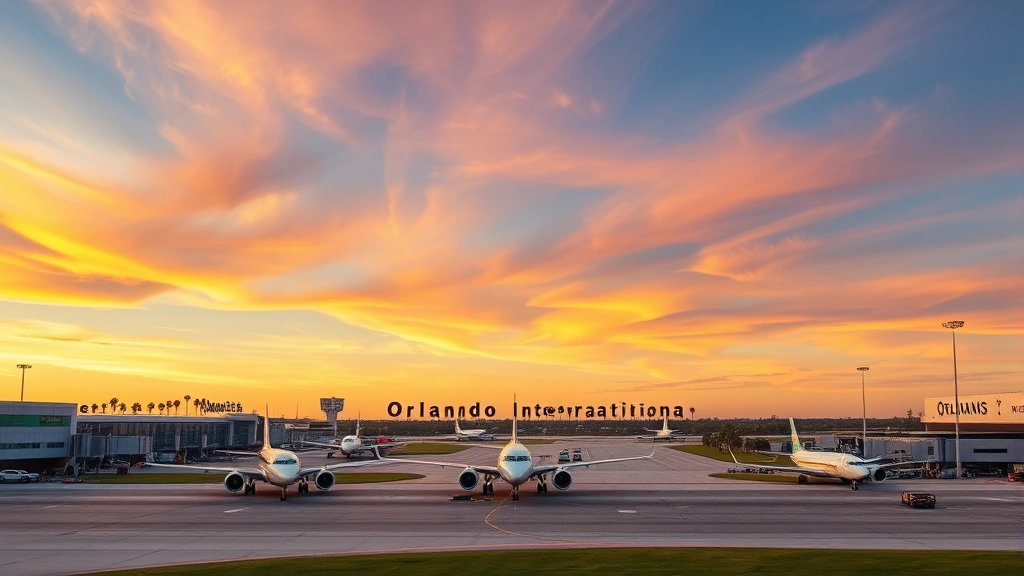
New York City offers three major airport options: LaGuardia Airport (LGA), Newark Liberty International (EWR), and John F. Kennedy International (JFK). Each presents distinct advantages and disadvantages for DC-bound travelers.
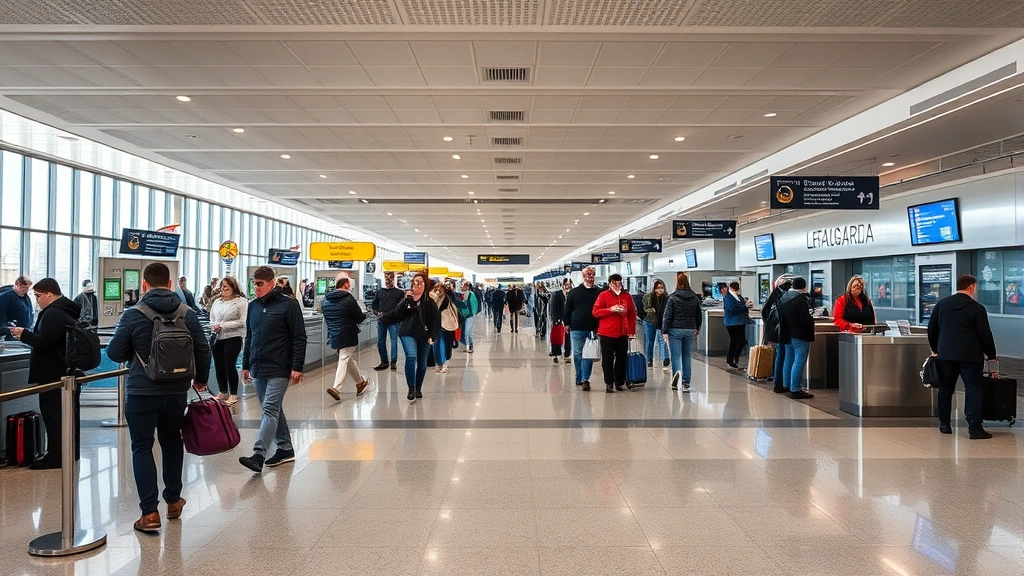
LaGuardia Airport sits closest to Manhattan, making it the most convenient for city-based travelers. Situated just 8 miles from Midtown, you can reach LGA in 20-30 minutes via taxi, rideshare, or public transportation during off-peak hours. However, LaGuardia’s smaller size means fewer flight options and sometimes higher prices due to limited competition. The airport is currently undergoing major renovations, improving facilities but occasionally causing temporary disruptions.
Newark Liberty International frequently offers the best pricing on NYC to DC routes. Located in New Jersey, about 15 miles from Manhattan, Newark requires roughly 45-60 minutes of travel time from most NYC locations. The NJ Transit rail connection provides a budget-friendly alternative to taxis or rideshare services. Many experienced travelers choose Newark specifically because the lower fares offset the additional travel time.
JFK International represents the largest of NYC’s airports but often features the highest fares on domestic routes like DC. The airport sits 15 miles from Manhattan, requiring similar travel time to Newark but with fewer public transportation options. JFK works best if you’re connecting from an international flight or have specific airline preferences that dominate at this terminal.
Washington DC Airport Options
Washington DC provides three airport choices, each serving different neighborhoods and travel preferences. Washington DC tourism board can help you understand which airport best serves your destination within the city.
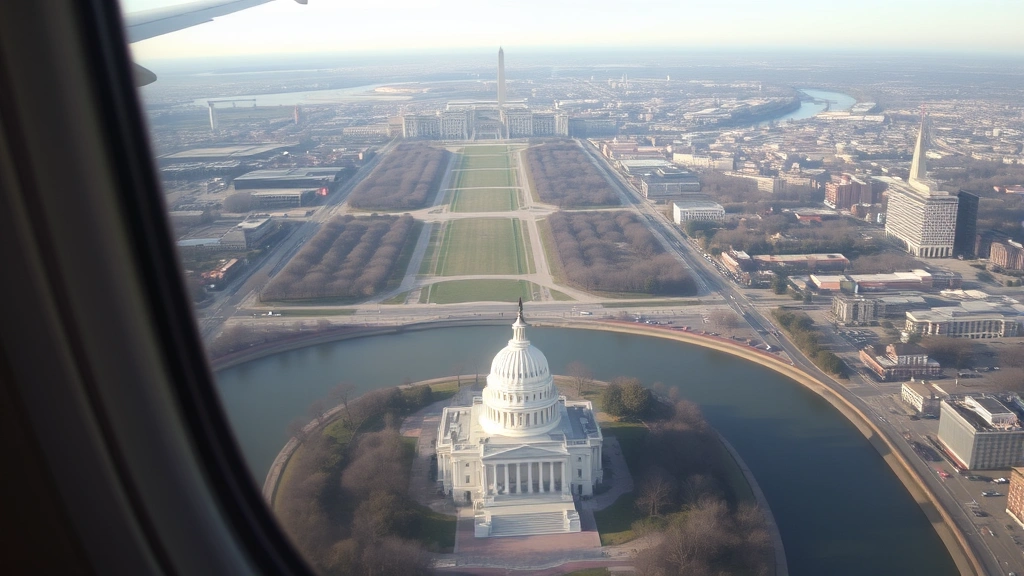
Ronald Reagan Washington National Airport (DCA) offers the most convenient location, situated just 4 miles south of downtown DC on the Potomac River. The Metro rail system connects directly to the airport, providing quick, affordable access to the National Mall, downtown DC, and Georgetown. Many travelers prefer DCA specifically for this proximity to major attractions. However, DCA’s smaller size means fewer flight options compared to other DC airports.
Washington Dulles International (IAD) serves as the region’s largest airport, located 26 miles west of downtown DC. Dulles offers the most flight options and frequently features competitive pricing. The Silver Line Metro extension now connects Dulles to downtown DC, making ground transportation much more convenient than in previous years. The journey takes approximately 45 minutes via Metro.
Baltimore/Washington International (BWI) represents the third option, situated between DC and Baltimore, about 30 miles from downtown DC. Southwest Airlines operates a major hub here, making this an excellent choice for Southwest passengers. BWI typically offers the most competitive pricing and the most flight frequency, though the airport is furthest from DC attractions. The MARC commuter rail provides affordable transportation to Union Station downtown.
Booking Strategies for Best Prices
Securing the lowest possible fare requires strategy, timing, and flexibility. Industry data suggests booking domestic flights 1-3 months in advance yields optimal pricing. For the NYC to DC route, this means booking in January for March travel, April for June travel, and so forth.
Tuesday and Wednesday departures consistently offer better pricing than weekend flights. Airlines typically release their lowest fares on Tuesday afternoons, creating a brief window of opportunity before competitors match prices. If your schedule allows flexibility, choosing off-peak travel days can save 20-40% compared to Friday evening or Sunday afternoon flights.
Midday flights (10 AM to 2 PM) and red-eye departures often feature lower fares than popular morning or evening slots. While these times may not suit everyone’s preferences, budget-conscious travelers frequently find them worthwhile. Setting up price alerts on Google Flights, Kayak, and Skyscanner ensures you’ll catch flash sales and sudden price drops.
Consider the true cost when comparing options. A $49 Spirit flight sounds appealing until you add $35 for a carry-on bag, $25 for a checked bag, and $15 for seat selection. Suddenly that bargain rivals full-service carriers offering all-inclusive pricing. Southwest’s two free checked bags policy proves particularly valuable for travelers with luggage beyond a personal item.
Loyalty program membership can yield significant savings. Accumulating frequent flyer miles on NYC to DC flights, combined with miles earned on other domestic routes, enables free or heavily discounted travel. Sign up for airline newsletters to receive exclusive subscriber-only fares unavailable to casual shoppers.
When to Fly
Seasonal variations dramatically impact NYC to DC flight pricing and availability. Spring months (April-May) and fall (September-October) represent sweet spots offering pleasant weather, moderate pricing, and reasonable availability. Summer travel (June-August) brings peak demand, higher fares, and crowded flights. Winter months (December-February) feature variable pricing—December is expensive due to holiday travel, while January offers some of the year’s best deals as demand drops after New Year’s.
Understanding major events helps you avoid peak pricing periods. When Congress is in session, business travel surges, pushing fares higher. Presidential inaugurations, major holidays, and significant sporting events create temporary price spikes. The annual cherry blossom festival in DC (late March-early April) draws tourists from worldwide, driving up accommodation costs though flight prices remain moderate.
Time of day significantly impacts your experience. Early morning departures (6-8 AM) get you to DC by mid-morning, maximizing your sightseeing time. Evening departures (after 5 PM) work well for travelers based in DC visiting NYC for a day trip. Overnight flights remain rare on this route but occasionally appear during peak seasons.
Alternative Transportation Methods
Before booking a flight, honestly assess whether alternatives might better serve your needs. The Northeast Corridor offers exceptional alternatives that frequently make more sense than flying.
Amtrak Northeast Regional and Northeast Direct trains depart from Penn Station in Manhattan, arriving at Union Station in downtown Washington DC. The Northeast Direct covers the distance in approximately 2 hours 45 minutes, while the Northeast Regional takes 3.5 hours. Both options eliminate airport hassles, allow you to work or relax during travel, and deposit you in downtown locations with direct Metro access. Fares range from $30-$150 depending on advance booking and demand.
Megabus and Greyhound provide budget options starting around $15-$30 for advance bookings. Travel time stretches to 4-5 hours, and amenities vary widely. These options work best for budget-conscious solo travelers or groups splitting costs. The journey becomes more enjoyable with entertainment, snacks, and realistic time expectations.
Driving appeals to families or groups traveling together. The I-95 corridor connects NYC and DC in approximately 4.5-5 hours depending on traffic. Tolls add $15-$25 to the journey cost, while gas, vehicle wear, and parking in DC can push total costs above flight pricing. However, the flexibility and ability to control your schedule appeals to many travelers.
Rideshare services like BlaBlaCar connect individual travelers and small groups, sharing vehicles and costs. Prices typically fall between train and flight costs while offering more flexibility than scheduled transportation.
Insider Tips for the Best Experience
Experienced travelers on the NYC to DC corridor follow specific strategies that maximize value and minimize stress. First, consider purchasing travel insurance for trips involving non-refundable fares. For the short duration of this route, the insurance cost often exceeds the risk, but business travelers and those with rigid schedules may find peace of mind worthwhile.
Pack strategically to avoid baggage fees. A rolling carry-on and personal item fit within all carriers’ allowances, eliminating checked bag charges. For longer stays, consider shipping luggage separately or using luggage storage services in DC, keeping your flight experience streamlined.
Book directly through airline websites rather than third-party booking sites. While prices may appear identical, booking directly provides better customer service, easier changes, and clearer terms. Airlines increasingly restrict third-party booking flexibility, making direct booking especially valuable for this route where schedule changes might occur.
Arrive at NYC airports 90 minutes before departure rather than the standard two hours. The short flight duration means less pre-flight congestion, and security lines move relatively quickly at all three airports during non-peak hours. However, maintain standard arrival times during holidays and peak seasons.
Download the TSA PreCheck or CLEAR apps if you fly frequently. These programs cost $78-$189 annually but dramatically reduce airport security time. For regular NYC to DC travelers, the investment pays for itself within a few trips.
Check TSA security wait times before heading to the airport. Real-time wait data helps you choose the least congested checkpoint, potentially saving 20-30 minutes during peak hours.
Understand both airlines’ policies on schedule changes, cancellations, and rebooking. The short distance between NYC and DC means alternative transportation becomes viable if flight complications arise. Knowing your options helps you make calm decisions if unexpected changes occur.
Consider whether traveling solo or with companions influences your choice. Solo travelers often find train travel more social and enjoyable than flights, while groups may save money and enjoy flexibility by renting a car or van.

Making Your Final Decision
Choosing between flying and alternative transportation depends on your specific circumstances. Frequent business travelers on tight schedules benefit most from flights, accepting the airport hassle as a necessary trade-off for speed and convenience. Weekend leisure travelers often find trains superior, enjoying the relaxation and downtown-to-downtown convenience that eliminates ground transportation complications.
Budget-conscious travelers should calculate total costs including transportation to/from airports, parking or rideshare, baggage fees, and meal costs. Trains often prove cheaper when factoring in all expenses rather than just the base ticket price. Check Amtrak’s official booking site for current pricing and schedules.
Weather considerations occasionally influence decisions. Winter storms can delay or cancel flights while trains maintain more reliable schedules. Spring and fall typically offer optimal conditions for all transportation methods.
Your destination within each city matters significantly. If you’re staying near DCA airport, flying makes sense. If you’re heading to Georgetown or Capitol Hill, Union Station’s downtown DC location gives trains a major advantage. Similarly, if you’re staying in upper Manhattan near Penn Station, train travel becomes even more convenient.
FAQ
How much does a NYC to Washington DC flight typically cost?
Fares range from $50-$200 for round-trip flights depending on advance booking, seasonality, and airline choice. Budget carriers occasionally offer fares under $50 but charge for baggage and seat selection. Full-service carriers typically charge $80-$150 for round-trip tickets including baggage.
Which NYC airport should I use for DC flights?
Newark (EWR) typically offers the best prices despite longer ground transportation. LaGuardia (LGA) provides maximum convenience for Manhattan-based travelers. Choose based on your location and willingness to trade travel time for cost savings.
Is flying faster than taking the train?
Door-to-door travel time is roughly equivalent. Trains take 2 hours 45 minutes to 3.5 hours, while flights require 1.5-2 hours in the air plus 2-3 hours for airport procedures and ground transportation. Trains offer downtown-to-downtown service, eliminating ground transportation time.
What’s the best day to fly NYC to DC?
Tuesday through Thursday departures typically feature the lowest fares. Avoid Friday-Sunday travel unless necessary. Midday flights often cost less than morning or evening departures.
Should I book through an airline or third-party site?
Book directly through airline websites for better customer service and greater flexibility. Third-party sites may show identical prices but provide fewer options for changes and modifications.
Are there direct flights from all NYC airports to all DC airports?
Most combinations offer direct service, though some regional carriers may require connections. Always verify direct service when booking, as occasional schedule changes occur.
What luggage can I bring on the flight?
All carriers allow one personal item (purse, backpack) and one carry-on bag at no charge. Checked baggage policies vary: Southwest includes two free checked bags, while most other carriers charge $30-$40 per checked bag. Budget carriers charge for everything beyond a personal item.
Can I get travel insurance for short flights?
Yes, travel insurance is available for this route, though the cost often exceeds the benefit for such short journeys. Consider insurance if you have non-refundable tickets and rigid schedules requiring backup plans.