
Cheapest Las Vegas to Reno Flights: Insider Advice for Budget Travelers
The route between Las Vegas and Reno represents one of the most frequently traveled corridors in the western United States, connecting two iconic Nevada destinations separated by just 450 miles of desert landscape. Whether you’re escaping the glittering casinos of the Strip for Reno’s more laid-back gaming scene, attending a conference, or exploring the natural beauty surrounding both cities, finding affordable flights on this route requires strategy, timing, and insider knowledge. This comprehensive guide reveals proven techniques to secure the cheapest Las Vegas to Reno flights, along with practical alternatives that might save you even more money.
The Las Vegas to Reno flight market is competitive yet often overlooked by casual travelers who default to expensive last-minute bookings or fail to explore alternative transportation options. Understanding the nuances of this regional route—including seasonal pricing patterns, airline competition, and hidden booking strategies—can reduce your airfare costs by 30-60 percent. We’ll explore everything from optimal booking windows to lesser-known discount carriers, ensuring you make an informed decision that aligns with your travel timeline and budget constraints.

Understanding the Las Vegas to Reno Route
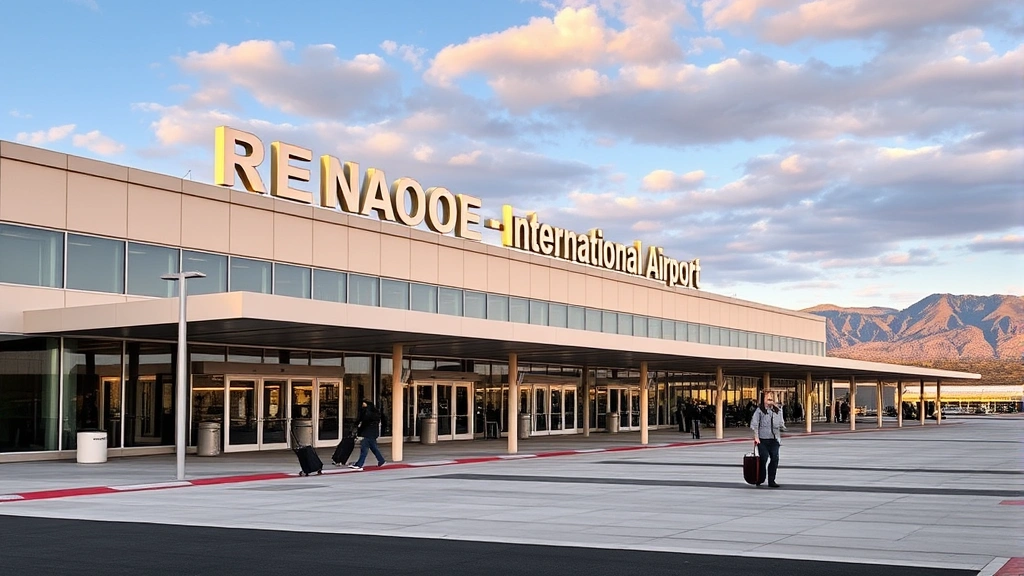
The Las Vegas to Reno corridor features regular service from multiple carriers, with flight times typically ranging from 60 to 75 minutes depending on routing and weather conditions. Harry Reid International Airport (LAS) in Las Vegas and Reno-Tahoe International Airport (RNO) handle thousands of passengers monthly on this route, making it one of Nevada’s busiest regional connections. Despite the relatively short distance, many travelers assume they must book expensive flights when ground transportation options might prove more economical.
The flight market between these two cities has evolved significantly over the past decade. Southwest Airlines maintains substantial presence on this route, often competing directly with United and American Airlines for market share. Regional carriers occasionally enter the market during peak seasons, creating temporary price competition that savvy travelers can exploit. Understanding which airlines operate this route consistently and which seasonal carriers appear during specific periods helps you anticipate price fluctuations and book strategically.
Distance and duration make this route particularly susceptible to price volatility. When fuel costs rise, airlines adjust fares more aggressively on short routes where passengers have viable alternatives. Conversely, when competition intensifies, you’ll find aggressive pricing wars that benefit budget-conscious travelers willing to book in advance or demonstrate flexibility with travel dates.
Best Booking Strategies for Cheapest Fares
Booking window timing represents your most powerful tool for securing cheap Las Vegas to Reno flights. Industry data consistently shows that domestic flights within the western United States reach optimal pricing 3-6 weeks before departure. Booking too early (8+ weeks) often results in higher fares, while waiting until the final two weeks typically guarantees premium pricing. For this specific route, testing fares at the 4-week mark provides excellent baseline pricing data.
Tuesday and Wednesday departures historically offer the cheapest Las Vegas to Reno flights, with Wednesday morning flights proving especially economical. Airlines adjust pricing based on demand patterns, and mid-week travel attracts fewer leisure travelers, allowing carriers to offer competitive rates. Conversely, Friday through Sunday flights command premium pricing, particularly during summer months and holiday periods.
Utilize flight price tracking tools to monitor fare trends before committing to purchases. Setting up price alerts on multiple platforms—including Google Flights, Kayak, and Skyscanner—ensures you receive notifications when fares drop below your target price. These tools aggregate pricing across all major carriers and online travel agencies, providing comprehensive market visibility.
Consider booking one-way flights separately rather than purchasing round-trip packages. While this approach requires more research, it frequently yields 10-15 percent savings on the total journey cost. Airlines often price one-way segments independently, meaning combining the cheapest outbound flight with the cheapest return flight on different carriers can beat any published round-trip fare. Just ensure adequate connection time if using different airlines.
Flexibility with departure and arrival times dramatically impacts pricing. Early morning flights (6-8 AM) and late evening flights (9 PM+) typically cost 20-30 percent less than convenient mid-day options. Red-eye flights, while challenging for some travelers, offer exceptional value for those able to adjust their schedules. Similarly, arriving at your destination during off-peak hours (late night or early morning) rather than afternoon slots often unlocks lower fares.
Airline Comparison and Budget Carriers
Southwest Airlines dominates the Las Vegas to Reno market, operating multiple daily flights and maintaining competitive pricing through their point-to-point network model. Southwest’s checked baggage policy—two free bags included with every ticket—provides exceptional value compared to competitors charging $25-35 per bag. Their no-change-fee policy, while reduced in recent years, still offers more flexibility than traditional carriers. For budget travelers, Southwest frequently offers promotional fares that undercut competitors significantly.
United Airlines and American Airlines maintain regular service on this route, typically charging higher base fares but occasionally matching Southwest’s promotional pricing. Both carriers impose baggage fees ($30-40 for first checked bag) and change fees, making their tickets less valuable for economy travelers despite comparable flight times. However, if you’re a frequent flyer member or hold their co-branded credit cards, elite status benefits and award availability might justify booking with these carriers.
Alaska Airlines operates limited service on the Las Vegas to Reno route, primarily during peak travel seasons. Their pricing typically falls between budget carriers and full-service airlines, offering a middle-ground option when Southwest fares spike. Alaska’s generous baggage policies and partnership with Oneworld alliance carriers provide additional value if you accumulate miles across their network.
Budget carriers like Frontier and Spirit occasionally service this route during peak demand periods, offering fares 30-50 percent below legacy carriers. However, their restrictive baggage policies, seat selection fees, and carry-on limitations require careful calculation. Adding these ancillary fees often negates initial savings, making ultra-budget carriers less appealing for this short route unless you’re traveling with minimal luggage and no checked bags.
Seasonal Pricing Patterns
Understanding seasonal demand cycles allows strategic planning around cheaper Las Vegas to Reno flights. Summer months (June-August) represent peak travel season, with families taking vacations and tourists visiting Lake Tahoe, creating high demand and premium pricing. Expect to pay 40-60 percent more during July and August compared to shoulder seasons. If your travel dates are flexible, avoiding peak summer weeks yields significant savings.
Winter ski season (December-February) drives secondary demand spikes, particularly around holidays and weekends. Thanksgiving, Christmas, and New Year’s periods see some of the year’s highest fares, with flights booking weeks in advance at premium prices. However, mid-week winter flights during non-holiday periods often feature surprisingly affordable pricing as ski enthusiasts concentrate on weekends.
Spring (March-May) and fall (September-November) shoulder seasons offer optimal pricing for budget-conscious travelers. These periods feature pleasant weather, fewer crowds, and consistently lower airfares. September particularly stands out as exceptionally cheap, with post-summer demand lows and pre-holiday travel minimums creating buyer-favorable market conditions. Easter and spring break create localized demand spikes, so avoid these specific weeks even during shoulder season.
Monitor Las Vegas tourism board event calendars and Reno-Tahoe visitor information to identify major conferences, festivals, and events that drive demand. Major conventions and sporting events create demand spikes that inflate prices for weeks surrounding the events. Strategically booking flights for dates immediately before or after major events often yields better pricing than traveling during the peak event period.
Ground Transportation Alternatives
Before committing to airfare costs, evaluate whether ground transportation proves more economical for your situation. The 450-mile distance between Las Vegas and Reno takes approximately 7-8 hours by car, making it a feasible drive for many travelers. Rental car costs, fuel expenses, and parking fees must factor into your calculation, but the total often competes favorably with flight costs when considering airport transfers and baggage handling.
Rideshare services like Uber and Lyft offer competitive pricing for airport transfers and inter-city travel. While not ideal for a 450-mile journey, splitting rideshare costs among traveling companions can sometimes match or beat flight prices, particularly for groups of three or more. This option works best when traveling with others and willing to invest time in ground travel.
Explore bus services connecting Las Vegas and Reno, which offer fares as low as $15-30 for the journey. While travel time extends to 10-12 hours compared to 75-minute flights, the cost savings prove substantial for budget-limited travelers. Bus travel suits those with flexible schedules and comfort tolerances, particularly overnight routes that save hotel costs.
Consider combining road trip opportunities with your journey between cities. Rather than viewing the drive as pure transit time, explore national parks and scenic areas along the route. Valley of Fire State Park, Great Basin National Park, and numerous scenic byways make the drive an adventure rather than mere transportation, potentially justifying longer travel time compared to flights.
Hidden Tips and Insider Secrets
Incognito browsing prevents airlines and travel booking sites from tracking your search history and potentially raising prices after multiple searches. Clear your browser cookies or use private browsing mode when searching for Las Vegas to Reno flights to avoid dynamic pricing adjustments that recognize repeat searchers. This simple technique occasionally saves 5-10 percent on already competitive fares.
Join airline loyalty programs for all carriers operating this route, even if you don’t regularly fly with them. Southwest’s Rapid Rewards, United’s MileagePlus, and American’s AAdvantage programs offer promotional offers exclusively to members, including flash sales and discounted award pricing. These programs cost nothing to join and frequently send members exclusive deals before public release.
Monitor airline social media accounts and email newsletters for flash sales and surprise promotions. Airlines frequently announce limited-time offers through these channels before broad market distribution. Following Southwest’s Twitter account, for example, often reveals 24-48 hour sales on western routes before expiration.
Leverage credit card sign-up bonuses from airline co-branded cards. Earning 50,000 bonus miles through a Southwest card sign-up bonus effectively covers 1-2 round-trip flights on this route after meeting minimum spending requirements. When factoring in free baggage and priority boarding benefits, the card’s annual fee often pays for itself through a single round trip.
Check alternative airports in both cities, though options remain limited. While Harry Reid International (LAS) serves Las Vegas exclusively for commercial service, Reno-Tahoe International (RNO) represents the primary regional airport. However, smaller regional airports might occasionally offer cheaper flights during specific periods, requiring comprehensive market research.
Consider flying into different cities and utilizing ground transportation for portions of your journey. For example, flying into San Francisco or Sacramento and driving to Reno might cost less than direct Las Vegas flights while providing scenic journey opportunities. Similarly, flying into Las Vegas and driving to Reno becomes viable when flight prices spike beyond reasonable thresholds.
Use airline mistake fares and error pricing when they appear. Flight deal websites like Secret Flying and Airfare Watchdog identify pricing errors that airlines occasionally miss. These mistakes can offer 50-70 percent discounts but require rapid booking before corrections occur.
FAQ
What’s the absolute cheapest time to book Las Vegas to Reno flights?
Tuesday and Wednesday departures 4-6 weeks in advance typically offer the cheapest Las Vegas to Reno flights. September represents the cheapest month overall, with mid-week flights in September reaching absolute lowest annual pricing. Avoid weekends, holidays, and peak summer months for optimal savings.
Should I book round-trip or one-way flights?
Test both options before purchasing. One-way flights on different carriers occasionally beat round-trip packages by 10-15 percent, but require more research. For most travelers, round-trip booking through Southwest simplifies the process while maintaining competitive pricing through their transparent fee structure.
How much can I save by driving instead of flying?
Rental cars typically cost $30-50 daily, plus $15-20 in fuel for the 450-mile journey. Total driving costs range $50-80 compared to $80-200 for flights, making driving viable for budget travelers. However, factor in your time value and convenience preferences when comparing transportation modes.
Are budget airlines worth it on this short route?
Budget carriers like Frontier rarely offer savings after baggage fees on this short route. Southwest’s free checked baggage and no-change-fee policies typically provide better overall value than ultra-budget competitors, even at slightly higher base fares.
Can I use airline miles for Las Vegas to Reno flights?
Yes, all major carriers allow award redemptions on this route. Southwest typically requires 5,000-8,000 miles for one-way flights, while United and American require 7,500-12,500 miles depending on booking timing and demand. Award availability varies seasonally, with better options during off-peak periods.
What documents do I need for domestic Nevada flights?
Standard domestic air travel requires valid government-issued ID (driver’s license, passport, or state ID). No additional documentation needed for this domestic route within the United States.