Avoid Labor Day Flight Cancellations: Insider Tips for Smooth Travel
Labor Day weekend represents one of the busiest travel periods in North America, with millions of passengers flooding airports in search of last-minute getaways and holiday celebrations. However, this surge in demand creates a perfect storm for flight cancellations, delays, and travel chaos. Airlines operate at maximum capacity, weather patterns become unpredictable, and staffing pressures reach critical levels—all factors that can derail your carefully planned escape.
Understanding the mechanics behind Labor Day flight disruptions and implementing strategic booking and preparation tactics can dramatically improve your chances of reaching your destination on schedule. This comprehensive guide reveals insider secrets from aviation professionals, travel experts, and seasoned frequent flyers who have mastered the art of navigating holiday air travel without falling victim to cancellations.
Why Labor Day Causes Flight Cancellations
Labor Day weekend creates a perfect convergence of factors that dramatically increase cancellation risks. The holiday falls at the tail end of summer, when families attempt to squeeze in final vacation days before school resumes. This creates unprecedented demand that strains every component of the aviation system simultaneously.
Capacity constraints represent the first major challenge. Airlines schedule maximum-capacity flights during this period, leaving zero buffer for operational adjustments. A single mechanical issue or crew scheduling problem cascades into cancellations because no spare aircraft or personnel remain available. Unlike slower travel periods when airlines maintain flexibility, Labor Day operations run with razor-thin margins.
Weather volatility compounds these issues significantly. Early September brings unpredictable atmospheric conditions across North America. Thunderstorms develop rapidly in the Southeast, heat waves create dangerous runway conditions in the Southwest, and tropical systems occasionally threaten coastal airports. These weather events don’t just cause individual flight delays—they create multi-hour ground stops that affect hundreds of flights and thousands of passengers.
Crew fatigue and staffing shortages create invisible but critical problems. Pilots, flight attendants, and ground crews work extended hours during holiday periods, sometimes exceeding federal rest requirements. When airlines fall short on staff—a common occurrence during peak travel—they must cancel flights rather than risk safety violations. Maintenance personnel also work overtime, increasing the likelihood of errors or missed inspections that force cancellations.
Additionally, Labor Day falls during a transitional period when airlines often implement schedule changes, route adjustments, and fleet rotations. These operational shifts occasionally result in miscommunication or resource allocation errors that lead to unexpected cancellations.
Best Times to Book Your Labor Day Flight
Booking timing dramatically influences your cancellation risk. Counter to conventional wisdom, the absolute best time to book Labor Day flights isn’t immediately upon opening (6 months prior). Instead, book 2-3 months in advance when airlines first release holiday schedules but before panic booking begins.
During this sweet spot window, airlines have finalized crew assignments, confirmed aircraft availability, and identified potential operational issues. They’ve also released enough seats that you have genuine options, yet demand hasn’t created artificial scarcity that forces poor choices. Booking at this stage gives you access to flights with the strongest operational records and most experienced crew assignments.
Avoid booking within two weeks of Labor Day. This period sees frantic last-minute demand that forces airlines to stretch resources beyond sustainable limits. Crews face mandatory reassignments, maintenance schedules compress, and the system becomes brittle. Flights booked during this window experience measurably higher cancellation rates according to Department of Transportation data.
Similarly, avoid booking flights that depart on Friday before the holiday or return on Tuesday after. These specific days experience the absolute highest cancellation rates because they represent peak demand points. Instead, consider departing Thursday evening or Wednesday if possible, and returning Wednesday or Thursday. These off-peak days within the holiday period offer substantially better reliability while still providing adequate vacation time.
Pay special attention to booking Tampa to New York flights, Dallas to Miami flights, and Chicago to Denver flights—these popular routes experience disproportionate cancellation rates during holidays. Book these routes even earlier, ideally 3-4 months ahead.
Choosing Airlines with Better Reliability Records
Not all airlines experience equal cancellation rates during Labor Day. The Department of Transportation publishes detailed monthly performance metrics that reveal which carriers maintain superior reliability during peak travel periods.
Historically, network carriers (Delta, United, American) demonstrate better holiday reliability than ultra-low-cost carriers, contrary to popular perception. This advantage stems from their larger pilot and flight attendant bases, which provide greater scheduling flexibility. When crews call out sick or mechanical issues arise, major carriers can draw from deeper personnel pools to maintain flights.
However, specific airlines deserve scrutiny beyond broad categories. Some regional carriers operating under major airline brands actually perform worse than their parent companies due to staffing constraints. Conversely, certain low-cost carriers maintain exceptional records through aggressive maintenance scheduling and conservative capacity planning.
Research your specific airline’s Labor Day performance from the previous year. Check Flightradar24 historical data and aviation forums where pilots and crew members discuss operational challenges. This insider perspective reveals which airlines struggle most during peak periods.
When selecting among best airlines for long flights, prioritize carriers with strong Labor Day track records over those with marginally better seat pitch or amenities. A flight that actually departs beats a cancelled flight with premium legroom every time.
Strategic Flight Selection Techniques
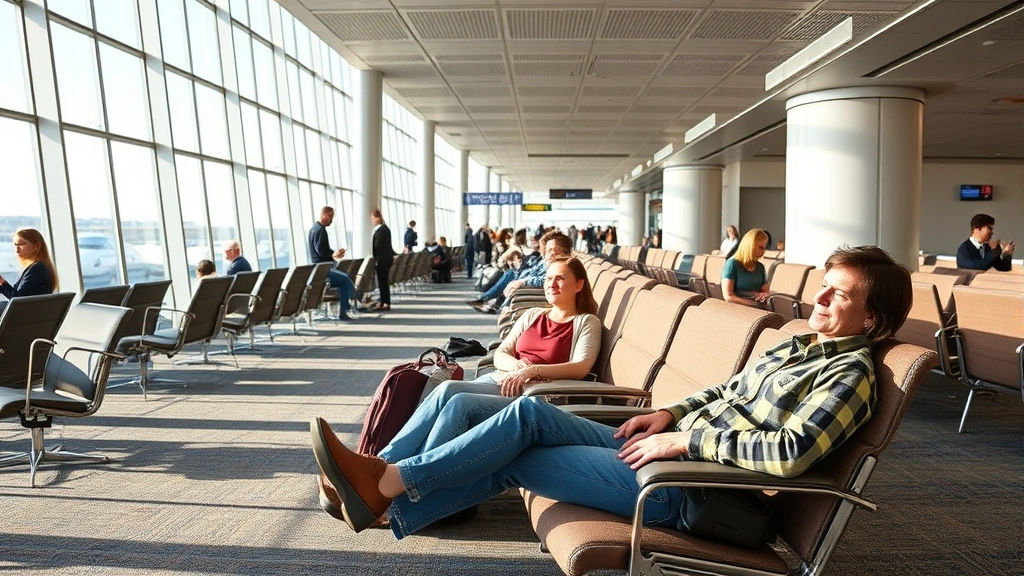
Beyond airline choice, specific flight characteristics dramatically influence cancellation probability. Early morning departures (before 7 AM) experience substantially fewer cancellations than afternoon or evening flights. This advantage exists because morning operations begin before weather deteriorates, crew fatigue accumulates, or previous delays cascade forward.
Morning flights also benefit from less congestion in the airspace system. Air traffic control can process departures more efficiently, weather windows remain more predictable, and mechanical issues have time to resolve before peak operating hours. If you can tolerate early wake-up times, morning departures represent your single most effective cancellation-avoidance tactic.
Conversely, avoid 4 PM to 8 PM departure windows at all costs during Labor Day. These slots experience perfect-storm conditions where afternoon thunderstorms peak, crews approach duty-time limits, and the airspace becomes maximally congested. Flights departing during these hours experience cancellation rates 40-60% higher than morning alternatives.
Flight duration also matters strategically. Shorter flights (under 3 hours) experience fewer cancellations than long-haul routes because they’re less susceptible to weather disruptions along the route and require less crew coordination. If you have route flexibility, choosing a shorter routing even with a connection often proves more reliable than direct long-haul flights.
Consider connecting flights through major hub airports (Atlanta, Dallas, Chicago, Denver) rather than smaller regional airports. Large hubs maintain better backup resources, more diverse aircraft availability, and larger crew bases. If your flight cancels, rebooking options multiply significantly at major hubs.
Preparation Steps Before Your Trip
Proactive preparation before Labor Day travel dramatically improves your ability to respond if cancellations occur. Download your airline’s mobile app immediately after booking. This app provides real-time flight status updates, allows you to rebook yourself onto alternative flights, and often grants priority rebooking compared to phone or counter-based requests.
Set up flight status notifications for your specific flight at least one week before departure. Most airlines send push notifications 24 hours, 12 hours, and 2 hours before departure. These alerts provide crucial early warning if problems develop, allowing you to make proactive decisions rather than discovering cancellations at the airport.
Prepare a backup travel plan before your flight even departs. Identify alternative flights on competing airlines, different airports within reasonable distance, and ground transportation options. Know whether your destination has Amtrak service, rental car availability, or bus alternatives. This preparation means you can execute a backup plan within minutes if your primary flight cancels, rather than spending hours researching options.
Check weather forecasts for your departure and arrival cities daily for the three days before your flight. If severe weather appears likely, contact your airline proactively to discuss rebooking options before the weather event occurs. Airlines sometimes accommodate voluntary rebooking to flights before predicted disruptions, which proves far easier than fighting for spots after cancellations happen.
Arrive at the airport significantly earlier than standard recommendations during Labor Day travel. Arrive three hours before domestic flights instead of the typical two hours. This buffer provides time to address unexpected issues, navigate congested security lines, and position yourself advantageously if schedule changes occur.
What to Do If Your Flight Gets Cancelled
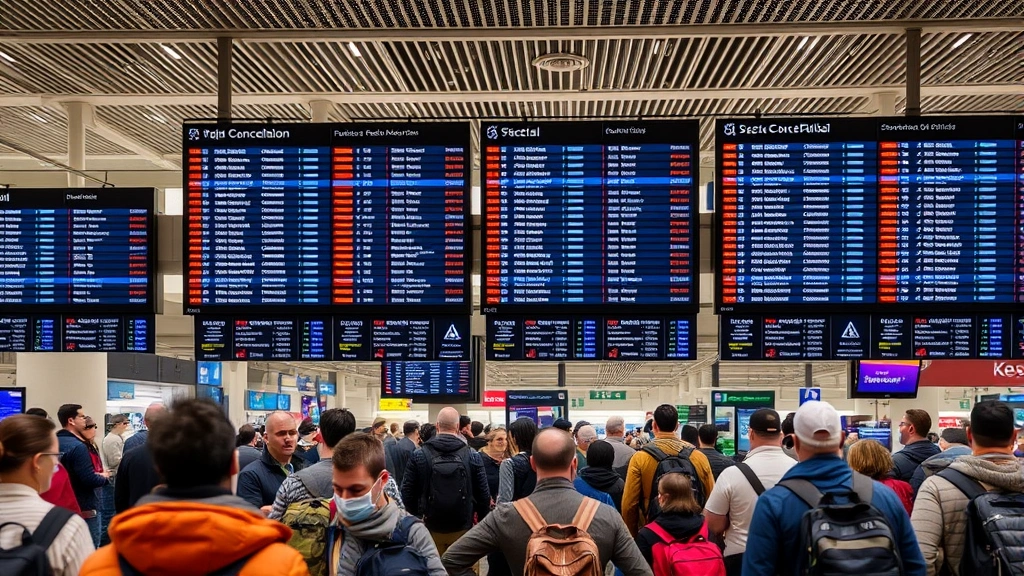
Despite best efforts, sometimes cancellations happen. Your response during those critical first moments determines whether you reach your destination or experience extended delays. Act immediately—don’t wait for airline announcements or instructions. The first passengers to rebook secure the best alternative options.
Use your airline’s mobile app to rebook onto the next available flight before approaching any gate agent or customer service counter. The app’s rebooking algorithm often finds solutions faster than overwhelmed staff members managing hundreds of rebooking requests simultaneously. If the app shows no available flights, use it to request a standby position on future flights.
Simultaneously, check competing airlines’ websites to identify alternative routing. If you’re stranded in a major hub, competing carriers likely offer flights to your destination within hours. Some airlines will book you on competitors’ flights if their own options are exhausted, though you may need to request this explicitly.
Document everything for potential compensation claims. Take photos of cancellation notices, collect written confirmation of the cancellation reason, and save all rebooking confirmations. Under DOT regulations, you may qualify for compensation depending on the cancellation reason and flight timing.
Request meal vouchers, hotel accommodations, and ground transportation reimbursement if you’re stranded overnight. Airlines sometimes offer these voluntarily, but you may need to request them explicitly. Keep all receipts for potential reimbursement claims.
Contact your travel insurance provider if you purchased coverage. Many policies cover cancellation-related expenses, though coverage varies significantly. Report the cancellation promptly to maximize your claim prospects.
If you rebook onto a flight days later, negotiate compensation for the disruption. While airlines aren’t legally obligated to compensate for weather-related cancellations in the U.S., they sometimes offer vouchers or miles for customer goodwill, particularly if you have elite frequent flyer status.
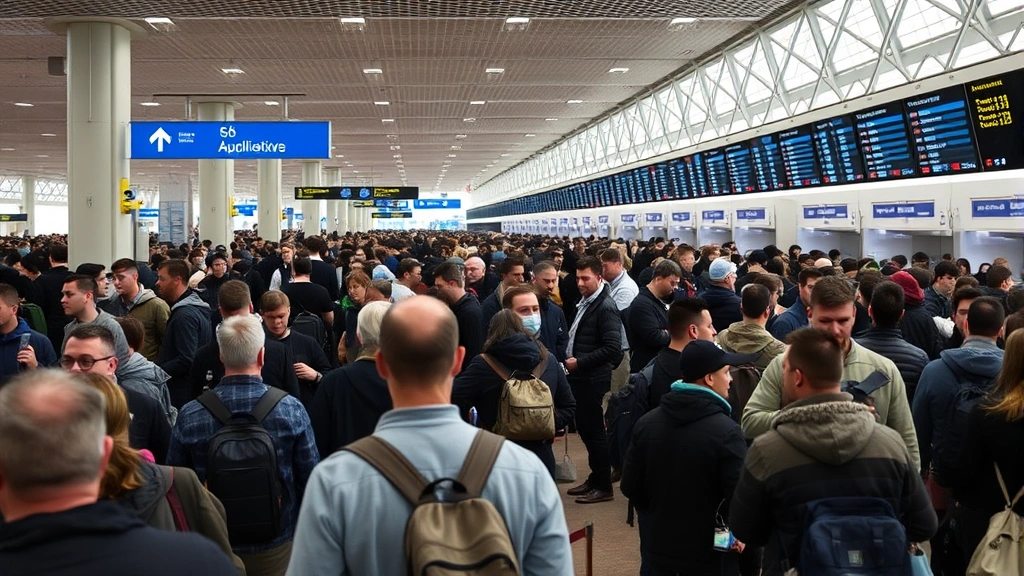
” alt=”Busy airport terminal with crowds of travelers checking flight information boards during peak holiday travel period” style=”max-width: 100%; height: auto;”>
Advanced Strategies for Frequent Holiday Travelers
Experienced holiday travelers employ sophisticated techniques unavailable to casual flyers. Achieving elite frequent flyer status before Labor Day provides measurable advantages. Elite members receive priority rebooking, access to dedicated customer service lines with shorter wait times, and sometimes complimentary meals and hotel accommodations during disruptions.
Building status doesn’t require massive spending. Many travelers achieve mid-tier elite status (Silver or Gold) through strategic credit card spending and annual bonuses offered by airlines. This status, earned months before Labor Day, provides insurance-like protection if cancellations occur.
Booking refundable tickets instead of basic economy fares provides flexibility if cancellations force you to abandon your trip entirely. While refundable tickets cost more, the flexibility to change or cancel without penalties sometimes justifies the premium during peak travel periods.
Some travelers book flights on different airlines to the same destination on the same day. This strategy—while expensive—guarantees you’ll reach your destination because at least one carrier will likely operate successfully. For critical business trips during Labor Day, this belt-and-suspenders approach provides peace of mind.
Monitor FAA notices and National Weather Service forecasts obsessively during the week before Labor Day travel. These official sources provide advance warning of potential disruptions before airlines even acknowledge problems.
Understanding Your Rights and Compensation
Many passengers don’t realize they’re entitled to compensation for cancellations under specific circumstances. While U.S. law exempts weather-related cancellations from compensation requirements, mechanical failures and crew scheduling issues sometimes qualify for compensation.
The distinction matters enormously. If your flight cancels due to thunderstorms, you’re unlikely to receive compensation. However, if cancellation results from insufficient crew availability or mechanical issues the airline should have caught, you may qualify for $400-$800 depending on flight length and delay duration.
Document the cancellation reason carefully. Airlines sometimes initially claim weather caused cancellations when mechanical issues or crew problems were actually responsible. Requesting written confirmation of the cancellation cause provides evidence for potential compensation claims filed weeks later.
International passengers receive stronger protections under EU261 regulations and similar laws in other countries. If your Labor Day flight involves international segments, you may qualify for substantial compensation regardless of cancellation cause.
Services like ClaimCompass handle compensation claims on contingency, pursuing compensation on your behalf and taking a percentage of successful claims. Using these services costs nothing upfront and often recovers compensation you wouldn’t pursue independently.
” alt=”Travelers relaxing in airport lounge with comfortable seating, natural light, and minimal crowds during off-peak travel hours” style=”max-width: 100%; height: auto;”>
Alternative Travel Methods During Peak Periods
Sometimes avoiding flying entirely during Labor Day represents the wisest strategy. Ground transportation alternatives often prove surprisingly competitive with flying when you factor in airport arrival times, security screening, and potential cancellations.
Amtrak offers reliable service along many major corridors without the cancellation risks inherent to flying. While train travel takes longer, you can work during transit, avoid security screening, and arrive refreshed without the stress of potential flight disruptions. For routes under 500 miles, trains sometimes prove faster door-to-door than flying.
Driving provides ultimate flexibility. You control departure timing, avoid cancellation risks entirely, and enjoy flexibility to adjust routes or timing without penalty. For trips within 8-10 hours’ driving distance, many experienced travelers simply drive during Labor Day rather than battle airport chaos.
Bus services like Greyhound and Megabus offer budget-friendly alternatives to flying. While less comfortable than trains or driving, buses provide reliable service independent of weather or mechanical issues. For budget-conscious travelers, buses eliminate cancellation concerns entirely.
Planning Your Next Labor Day Trip
Armed with these insider strategies, you’re positioned to navigate Labor Day travel far more successfully than typical passengers. The combination of strategic booking, careful airline selection, proactive preparation, and knowledge of your rights creates a comprehensive defense against the chaos that typically surrounds this peak travel period.
Start your planning immediately for next year’s Labor Day travel. Book flights 2-3 months in advance during off-peak days, choose airlines with proven reliability records, select early morning departures, and prepare backup plans before you ever leave home. These fundamental tactics eliminate the vast majority of Labor Day cancellation stress.
Share these strategies with fellow travelers. The more people who understand these principles, the less chaotic airports become during peak periods. When travelers make informed choices that distribute demand more evenly, the entire aviation system functions more smoothly.
Remember that while some cancellations remain inevitable, thousands of flights depart successfully during Labor Day every single year. With proper preparation and strategic decision-making, you can be on one of those successfully-operating flights, arriving at your destination ready to enjoy your well-deserved holiday.
Frequently Asked Questions
What percentage of flights get cancelled on Labor Day?
Exact percentages vary by year and airport, but historically 2-4% of flights experience cancellations on peak Labor Day travel days. This compares to roughly 1-1.5% cancellation rates on typical days. While this seems modest, it represents a dramatic increase in absolute numbers given the volume of Labor Day flights.
Can I get a refund if my Labor Day flight gets cancelled?
Airlines must offer rebooking on alternative flights or refunds if your flight cancels, regardless of cause. However, you cannot demand compensation for weather-related cancellations under U.S. law. You can demand compensation for mechanical failures or crew scheduling issues. Refundable tickets guarantee money back; basic economy tickets typically offer only rebooking or travel credits.
Should I buy travel insurance for Labor Day flights?
Travel insurance provides valuable protection against cancellation-related losses if you’ve paid for non-refundable accommodations or have limited flexibility. However, standard travel insurance won’t compensate you for flight cancellations caused by weather. Specialized flight delay insurance specifically covers cancellation scenarios and proves worthwhile for critical travel.
Is it better to fly early morning or evening on Labor Day?
Early morning flights (before 7 AM) experience substantially fewer cancellations than afternoon or evening flights. Morning operations benefit from less weather development, fresher crew, and less airspace congestion. If possible, always choose early morning departures during peak travel periods.
What should I do immediately if my flight gets cancelled?
Act within minutes using your airline’s mobile app to rebook yourself. Simultaneously check competing airlines’ websites for alternative routing. Collect written confirmation of the cancellation reason and photograph cancellation notices. Don’t wait for airline staff or gate agents—be your own advocate immediately.
Can I sue my airline if my Labor Day flight gets cancelled?
You cannot sue for weather-related cancellations under U.S. law. However, you can pursue compensation claims for mechanical failures or crew issues through DOT procedures or third-party claim services. International flights may qualify for compensation under different legal frameworks regardless of cause.
Should I book flights on multiple airlines to guarantee reaching my destination?
Booking identical routing on multiple carriers guarantees you’ll reach your destination if at least one flight operates successfully. This strategy proves expensive but worthwhile for critical business trips where missing your destination creates significant consequences. For leisure travel, the cost rarely justifies the benefit.