Learning to fly is one of the most exhilarating pursuits a person can undertake, but the question that stops most aspiring pilots in their tracks is simple: how much does flight school actually cost? The answer isn’t straightforward, as aviation training expenses vary dramatically depending on the type of certification you’re pursuing, the flight school you choose, and your learning pace. Whether you’re dreaming of becoming a commercial airline pilot or simply want to earn your private pilot license for weekend adventures, understanding the financial commitment is crucial for planning your aviation journey.
The cost of flight school can range anywhere from $10,000 to over $250,000, depending on your goals and circumstances. Most private pilot certifications fall in the $15,000 to $30,000 range, while commercial pilot training typically costs $50,000 to $100,000 or more. This comprehensive breakdown will help you navigate the financial landscape of aviation training and make informed decisions about your pilot training investment.
Understanding Flight School Certification Levels
Before diving into specific costs, it’s essential to understand the different certification levels in aviation. The Federal Aviation Administration (FAA) offers several pathways for aspiring pilots, each with distinct requirements and associated expenses. The progression typically starts with a private pilot certificate, which allows you to fly aircraft for personal enjoyment but prohibits compensation. Next comes the commercial pilot certificate, enabling you to be paid for flying. Beyond that, airline transport pilot (ATP) certification is required for those aiming to fly for major airlines.
Each certification level builds upon the previous one, and the cumulative cost of pursuing multiple certifications can be substantial. Many students pursue the private pilot license first, then progress to commercial and instrument ratings. Understanding this pathway helps you budget not just for your immediate goal, but for your long-term aviation aspirations. If you’re planning to travel between destinations like Chicago, IL to Tampa, FL flights, you might appreciate how pilot training opens new possibilities for personal aviation.
Private Pilot License Costs
The private pilot license is the entry point for most aviation students. This certification requires a minimum of 40 hours of flight time according to FAA regulations, though the national average is closer to 60-70 hours. The cost breakdown typically includes flight time, instruction, and various fees.
Flight Time Expenses: Aircraft rental rates vary significantly by location and aircraft type. A basic single-engine aircraft like a Cessna 172 typically costs $120 to $180 per hour to rent, while more advanced aircraft can exceed $200 per hour. Multiply this by 60-70 hours, and you’re looking at $7,200 to $12,600 just for aircraft rental. Flight instructor fees add another $50 to $80 per hour on top of the aircraft rental, contributing an additional $3,000 to $5,600 for instruction.
Ground School and Testing: Ground school courses cost between $300 and $1,500, depending on whether you choose online, in-person, or hybrid formats. The written exam (knowledge test) costs approximately $175, and the practical exam (checkride) with an examiner typically runs $500 to $800. Some flight schools bundle these costs, while others charge separately.
Materials and Miscellaneous: Expect to spend $500 to $1,000 on study materials, headsets, flight bags, charts, and other necessities. Medical certificates from an aviation medical examiner cost around $100 to $200.
In total, a private pilot license typically costs between $15,000 and $30,000, with most students spending closer to $20,000. This timeline usually spans 6 to 12 months, depending on how frequently you fly and your learning pace.
Commercial Pilot Training Expenses
Once you hold a private pilot license, the next step for those serious about aviation careers is commercial pilot training. This certification requires a minimum of 250 total flight hours (including your private pilot hours) and at least 100 hours of pilot-in-command time. The commercial certificate costs significantly more than the private license.
Commercial pilot training typically requires an additional 50 to 100 hours of flight instruction beyond your private pilot hours. At standard rates of $150 to $250 per hour for aircraft rental and instruction combined, this adds $7,500 to $25,000 to your training costs. Many students also pursue their instrument rating simultaneously with commercial training, which increases both flight hours and instruction time.
Ground school for commercial certification is more rigorous than private pilot training and may cost $1,000 to $3,000. The commercial pilot checkride examination fee ranges from $600 to $1,000. When you combine all these expenses, commercial pilot training typically costs $50,000 to $100,000 for the additional training beyond your private license. If you’re planning future travels to destinations like flights from Denver to Salt Lake City, having commercial credentials opens professional opportunities.
Instrument and Advanced Ratings
The instrument rating is one of the most valuable additions to any pilot certificate. This rating allows you to fly in low-visibility conditions using only aircraft instruments. Many commercial pilots and serious recreational flyers pursue this rating, and it’s often required for specific types of flying jobs.
Instrument training requires a minimum of 40 hours of instruction, though students typically need 50 to 60 hours to be truly proficient. At $60 to $100 per hour for instruction alone (plus aircraft rental), you’re looking at $5,000 to $8,000 for the rating. The instrument checkride costs approximately $800 to $1,200. Total instrument rating costs typically range from $8,000 to $15,000.
Beyond these, advanced ratings like multi-engine, type ratings for specific aircraft, and instructor certifications each add their own costs. A multi-engine rating might cost $3,000 to $7,000, while becoming a certified flight instructor can run $8,000 to $15,000. These ratings are essential stepping stones for those pursuing aviation careers.
Flight School vs Part 61 Training
The FAA regulates pilot training under two primary frameworks: Part 141 (established flight schools) and Part 61 (independent instruction). Understanding the differences between these options significantly impacts your training costs.
Part 141 Flight Schools: These are structured, approved flight training programs that follow strict FAA curricula. Part 141 schools typically require fewer flight hours to achieve certification (minimum 40 hours for private pilot) and offer more structured progression. However, they charge higher hourly rates and often require longer commitments. Students at Part 141 schools benefit from standardized instruction and structured progression but pay premium prices, typically 15-25% higher than Part 61 training.
Part 61 Independent Training: This flexible approach allows you to train at your own pace with individual instructors. Part 61 training is often less expensive per hour and provides more flexibility, but you might need more flight hours to reach proficiency (often 60-80 hours for private pilot). Part 61 training requires more self-direction and responsibility for curriculum management but can be more economical overall.
For budget-conscious students, Part 61 training with an independent instructor at a local airport can reduce costs by 20-30% compared to established flight schools. However, Part 141 schools offer structured programs that some students find more efficient.
Hidden Costs and Additional Expenses
Many aspiring pilots underestimate the hidden costs associated with flight training. Beyond the obvious flight hours and instruction, several additional expenses can significantly impact your total budget.
Medical Certification: You’ll need an aviation medical certificate from an FAA-approved medical examiner. This costs $100 to $200 and must be renewed periodically. If you have any health conditions, the medical evaluation process can become more expensive and time-consuming.
Background Checks and Fingerprinting: The TSA requires fingerprinting and background checks for all pilot applicants, costing approximately $100 to $150.
Aircraft Damage and Insurance: Some flight schools require students to contribute to damage insurance or hold students liable for minor aircraft damage. These costs can range from $500 to $2,000 depending on the school’s policies.
Checkride Examiner Fees: Finding an available examiner, especially in rural areas, might require travel. Examiner fees have been rising and now typically cost $500 to $1,200 per checkride.
Continuing Education and Recurrent Training: After earning your license, you’ll need biennial flight reviews (typically $300 to $500) and proficiency checks. Instrument-rated pilots need to complete specific proficiency requirements or take an instrument proficiency check every 6 calendar months.
Travel and Accommodation: If you attend a flight school away from home, factor in housing, meals, and transportation costs, which can easily add $500 to $2,000 monthly to your training expenses.
Financing Your Aviation Dreams
The substantial cost of flight training has led to various financing options. Many students cannot pay for training upfront and must explore alternative funding sources.
Flight School Financing Programs: Many flight schools partner with lenders to offer specialized financing plans. These programs might offer competitive interest rates and flexible repayment schedules. However, carefully review terms, as some programs have high interest rates or require collateral.
Military Service: The military offers excellent pilot training opportunities with significant benefits. Pilots trained through military programs like the Air Force Academy, Naval Academy, or Officer Training School receive free flight training and a salary during service. However, this comes with a service commitment obligation.
Scholarships and Grants: Organizations like the Aircraft Owners and Pilots Association (AOPA), the Experimental Aircraft Association (EAA), and various aviation foundations offer scholarships to qualified pilot candidates. These scholarships can range from $1,000 to $30,000 or more. The selection process is competitive, but worth pursuing.
Flight Training Loans: Some credit unions and banks offer personal loans or education loans specifically for flight training. These typically have better rates than credit cards but require good credit history. Compare multiple lenders to find competitive rates.
Employer Sponsorship: Some employers, particularly airlines and aviation companies, sponsor pilot training in exchange for employment commitments. If you’re interested in aviation careers, research employer-sponsored programs in your area.
Choosing the Right Flight School
Selecting the right flight school significantly impacts both your costs and training quality. Not all schools charge the same rates, and some offer better value than others.
Location Considerations: Flight schools in rural areas with lower operating costs typically charge less than those in major metropolitan areas. If you’re flexible on location, training at a regional airport can save 15-25% compared to busy urban centers. However, consider travel costs when comparing options.
School Reputation and Accreditation: Established schools with excellent safety records and high graduate success rates might charge more but provide better value. Check reviews from former students and verify that instructors hold appropriate certifications. The Federal Aviation Administration maintains lists of approved flight schools.
Aircraft Fleet and Equipment: Schools with newer aircraft and modern training equipment might charge premium rates but provide superior training experiences. Older aircraft sometimes have higher maintenance costs that translate to higher rental rates.
Instructor Quality: The quality of instruction dramatically affects your learning speed and overall cost. Schools with experienced, well-trained instructors might charge more per hour but can help you progress faster, reducing total flight hours needed.
Package Deals and Bundles: Some schools offer bundled training packages that include ground school, flight time, and checkride preparation at discounted rates. These packages can provide 10-20% savings compared to à la carte pricing.
Before committing to any flight school, visit in person, speak with current students, review their curriculum, and compare pricing transparently. Don’t choose solely based on cost; the cheapest option often isn’t the best value. If you’re interested in exploring aviation destinations, check out opportunities like Boston to Toronto flights to visit aviation museums and training facilities.
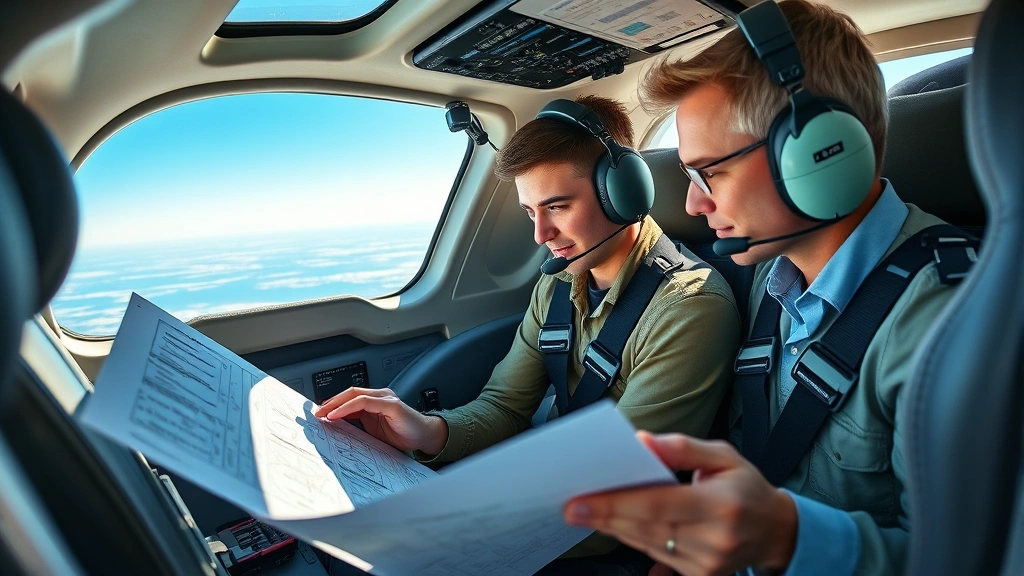
” alt=”Flight training aircraft in hangar with instructor and student reviewing flight plan”>
The journey to becoming a pilot requires significant financial investment, but for those passionate about aviation, it’s an investment in a lifetime of adventure and achievement. Understanding the true costs—including hidden expenses and long-term training progression—helps you plan realistically and make informed decisions about your aviation training path.
FAQ
What’s the cheapest way to get a pilot’s license?
The most economical approach typically involves Part 61 training with an independent instructor at a small local airport. Focus on efficient learning to minimize total flight hours, and explore scholarships through aviation organizations. Expect to spend $12,000 to $18,000 for a private pilot license using this method.
Can I get a pilot’s license without going to flight school?
Yes, you can train under Part 61 with independent instructors without attending a formal flight school. However, you still need certified flight instructors and access to training aircraft. This method offers flexibility and often lower costs but requires more self-direction.
How long does flight training take?
Private pilot training typically takes 6 to 12 months, depending on how frequently you fly. Intensive programs can compress this to 2-3 months, while part-time students might take 18-24 months. Commercial training adds another 3-6 months minimum.
Are there scholarships for pilot training?
Absolutely. The Aircraft Owners and Pilots Association (AOPA), Experimental Aircraft Association (EAA), and many regional aviation foundations offer scholarships. The National Transportation Safety Board also provides information about aviation education resources.
What’s the most expensive pilot certification?
The Airline Transport Pilot (ATP) certificate is the most expensive, potentially costing $150,000 to $250,000 when including all required certifications, flight hours, and training from private pilot through ATP. This represents the complete pathway to major airline employment.
Do I need a college degree to become a pilot?
A college degree isn’t required by the FAA for pilot certification, but most major airlines require a bachelor’s degree for employment. Many aspiring commercial pilots pursue aviation-related college programs that integrate flight training with academic coursework.
What if I can’t afford flight school upfront?
Explore financing options including flight school loans, personal education loans, military service, employer sponsorship, or scholarships. Some students also work part-time at flight schools to reduce training costs while building aviation experience.
For those dreaming of exploring destinations globally, consider how pilot training might eventually allow you to visit places like best places to see the northern lights or even fly to flights to Sedona, Arizona in your own aircraft. The investment in flight training opens endless possibilities for adventure.