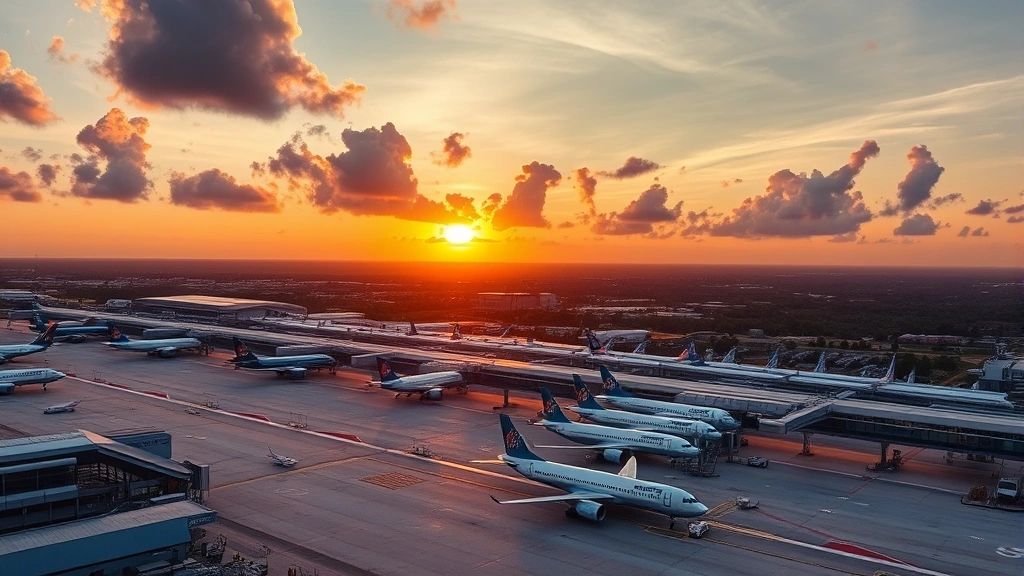
Houston to Dallas Flights: Insider Travel Tips for the Texas Triangle
The Houston to Dallas corridor represents one of America’s most frequently traveled routes, connecting two major Texas metropolitan areas just 240 miles apart. Whether you’re heading north for business, leisure, or family visits, understanding the nuances of this short-haul flight can transform your travel experience from stressful to seamless. This guide reveals insider strategies, cost-saving tactics, and practical advice that seasoned travelers use to maximize their journey between these vibrant Texas cities.
Flying between Houston’s two major airports (Houston Hobby and George Bush Intercontinental) and Dallas’s two hubs (Dallas Love Field and Dallas/Fort Worth International) offers surprising flexibility. The competition among carriers, coupled with the route’s popularity, creates opportunities for savvy travelers to find exceptional deals while enjoying premium service. From timing your booking perfectly to selecting the ideal airport combination, these insider tips will help you navigate this essential Texas travel route like a pro.
Understanding Your Airport Options
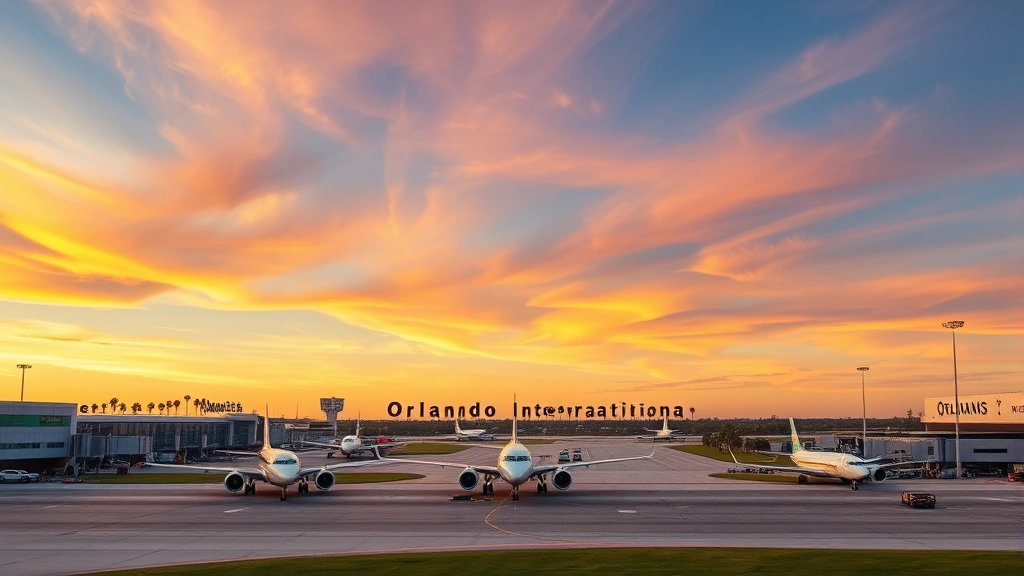
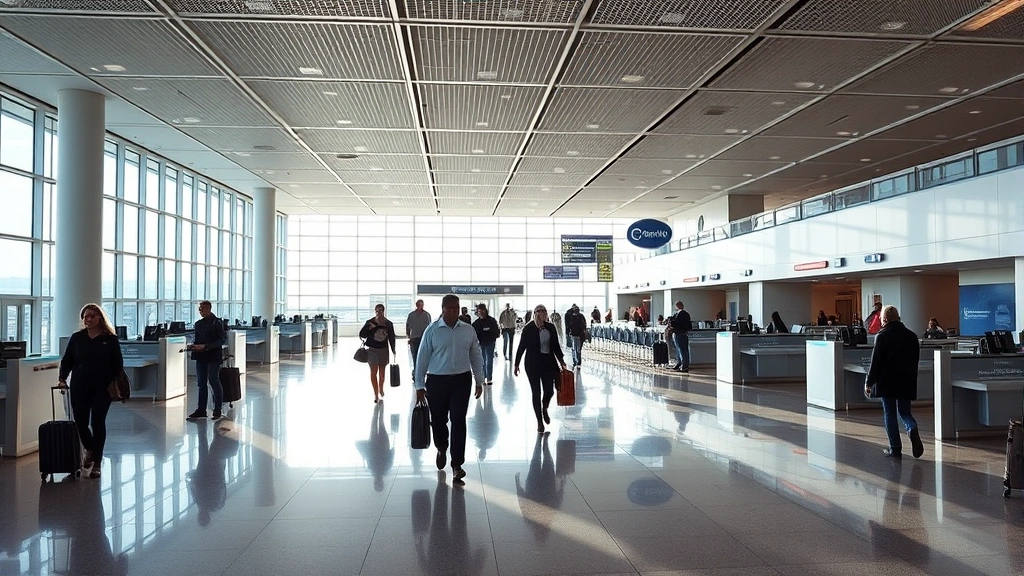
Houston boasts two primary airports, each offering distinct advantages for travelers heading to Dallas. Houston Hobby Airport (HOU) sits just 8 miles south of downtown Houston, making it exceptionally convenient for central Houston residents and those with tight connections. This airport handles shorter regional flights efficiently and typically features shorter security lines compared to larger international hubs. The drive time from downtown Houston to Hobby rarely exceeds 15-20 minutes, saving you precious travel hours.
George Bush Intercontinental Airport (IAH), located 23 miles north of downtown, serves as Houston’s primary international gateway. While the commute takes longer (25-35 minutes from downtown), IAH often features more flight options and competitive pricing due to its larger carrier presence. The airport offers superior amenities, including premium dining and lounges, which matter if you’re catching a connecting flight or have layover time.
Dallas presents equally strategic choices. Dallas Love Field (DAL) operates as a boutique alternative, located just 6 miles from downtown Dallas. Southwest Airlines dominates this airport, and the intimate atmosphere contrasts sharply with massive international hubs. If you’re flying Southwest from Houston, Love Field provides unmatched convenience for central Dallas arrivals.
Dallas/Fort Worth International Airport (DFW) ranks among America’s busiest airports, offering the widest selection of carriers and flight times. While DFW sits between Dallas and Fort Worth (roughly 18 miles from downtown Dallas), it compensates with superior infrastructure, dining options, and flight frequency. Business travelers appreciate DFW’s professional atmosphere and comprehensive services.
Your airport selection dramatically impacts total travel time, costs, and convenience. Consider your final destination within the Dallas metroplex, your airline preference, and whether you value convenience over potential savings when choosing between these four options.
Best Times to Book Houston to Dallas Flights
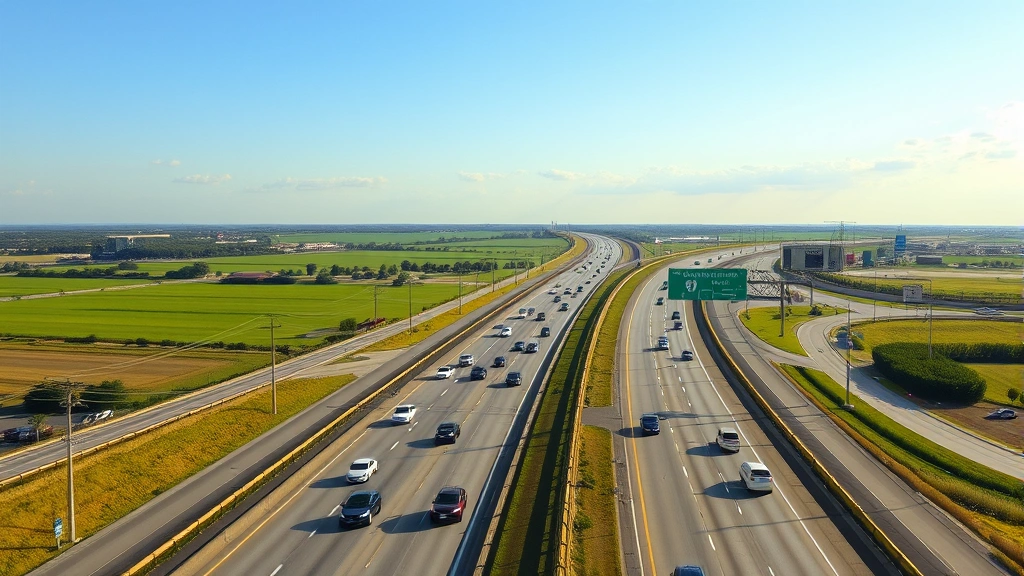
Timing your booking with precision can yield 30-50% savings on Houston to Dallas flights. Tuesday and Wednesday departures consistently offer the lowest fares, as business travelers dominate Monday-Friday routes while leisure passengers avoid mid-week travel. Airlines drop prices during these periods to fill seats, creating opportunity windows for flexible travelers.
Book your flight 3-6 weeks in advance for optimal pricing on this route. Airlines typically release their cheapest fares during this window, before demand surges. Avoid booking within two weeks of travel, when prices spike dramatically as last-minute business travelers book premium seats. However, the Houston-Dallas route occasionally offers last-minute deals on specific flights if carriers need to fill seats—checking daily during your travel window can reveal unexpected bargains.
Early morning flights (6-8 AM departures) typically cost 15-25% less than afternoon and evening flights. These red-eye options don’t apply to this short route, but early departures attract fewer leisure travelers, allowing airlines to offer competitive rates. If you can tolerate early rises, morning flights also eliminate afternoon delays that plague this busy corridor.
Avoid booking flights during major holidays, spring break, and weekend travel if budget is your priority. Friday afternoon departures and Sunday evening returns command premium prices as families and weekend travelers surge. If you must travel during peak periods, book 6-8 weeks ahead and consider alternative airports to access different inventory.
Set up price alerts on Google Flights, Kayak, and directly with airlines. The Houston-Dallas route sees price fluctuations multiple times daily, and automated alerts notify you when fares drop below your target threshold. Many travelers save 20-40% simply by booking within 24 hours of receiving a price drop notification.
Airlines and Route Competition
Multiple carriers compete aggressively for Houston-Dallas passengers, creating exceptional value for informed travelers. Southwest Airlines dominates this route with frequent departures from both Houston Hobby and Dallas Love Field. Their bags-fly-free policy and flexible cancellation terms make Southwest attractive for uncertain travel plans. However, Southwest’s frequent-flyer program (Rapid Rewards) offers modest redemption value compared to competitors.
American Airlines leverages its massive Dallas presence to offer competitive frequencies, particularly from IAH to DFW. As a Dallas-headquartered carrier, American often prices aggressively on this home route. Their AAdvantage frequent-flyer program provides superior redemption value, especially for elite members accessing paid premium cabin upgrades.
United Airlines provides solid competition with multiple daily flights, particularly from IAH. United’s MileagePlus program offers excellent award availability on short regional flights, making United attractive for frequent flyers sitting on accumulated miles. Direct flights with United typically cost 10-15% more than Southwest but offer superior onboard amenities.
Spirit Airlines and Frontier Airlines occasionally offer deeply discounted fares, but their ultra-low-cost model includes fees for carry-on bags, seat selection, and checked luggage. Calculate total trip costs (base fare plus all fees) before assuming budget carriers save money. For business travelers and those with luggage, traditional carriers often prove cheaper overall.
Comparing all four airports across multiple carriers requires strategic thinking. The cheapest HOU-DAL flight might cost $89, while the HOU-DFW option via United runs $115—but the extra $26 nets you superior service, better frequent-flyer earning, and potentially shorter ground time. Calculate your total door-to-door time and costs before defaulting to the lowest base fare.
Money-Saving Strategies
Beyond basic timing and carrier selection, several insider tactics unlock additional savings on Houston to Dallas flights. Mistake fares occasionally appear when airlines misprice routes. Signing up for mistake fare alerts through sites like Airfare Watchdog notifies you instantly when pricing errors create $50-100+ savings opportunities. These deals vanish within hours, requiring immediate booking.
Incognito browsing prevents airlines and travel sites from tracking your searches and incrementally raising prices. Open incognito windows (Ctrl+Shift+N on Chrome) when searching for flights—websites cannot store your search history or identify repeat visitors, preventing algorithmic price increases. This simple tactic consistently yields 5-10% savings.
Flexible date searches reveal the cheapest travel options within your timeframe. Rather than searching specific dates, use calendar view on Google Flights or Kayak to compare prices across 5-7 day windows. You’ll often discover that shifting your departure by one day saves $30-80. For business travel with some flexibility, this approach transforms ticket costs.
Consider the Dallas to Houston Flights reverse direction when returning. Many travelers automatically book return flights on the same carrier or airport combination. Checking Dallas to Houston flights independently often reveals superior pricing on the return leg. Airlines price directional routes differently based on demand patterns.
Use airline credit cards strategically. If you fly this route regularly, airline credit cards offer welcome bonuses (40,000-75,000 miles), annual miles, and category bonuses. A single $150-200 annual fee generates $300-500+ in value for frequent flyers. However, casual travelers shouldn’t carry cards just for occasional flights.
Book multi-city itineraries when combining Houston-Dallas travel with other destinations. Round-trip bookings sometimes cost more than open-jaw itineraries (Houston-Dallas-Austin, for example). Experiment with various routing combinations to find pricing sweet spots.
Flight Duration and Logistics
The Houston to Dallas route covers approximately 240 miles, resulting in flight times of 50-60 minutes for direct flights. This remarkably short duration dramatically impacts travel logistics. Unlike longer routes requiring substantial in-flight service, Houston-Dallas flights offer minimal cabin service—typically just beverage service on Southwest and snacks on legacy carriers.
Factor in total travel time when comparing flights to alternative transportation options. You must arrive 90 minutes early for domestic flights (or 2 hours for early morning flights), adding 90 minutes to your travel time. Security processing typically requires 15-20 minutes on this route, given moderate traffic through TSA checkpoints. Add 15-20 minutes for baggage claim and ground transportation at your destination. Total travel time from home to destination often reaches 3.5-4.5 hours—comparable to a comfortable 4-hour drive.
Direct flights dominate this route, eliminating connection hassles. Both Southwest and American offer multiple non-stop daily flights. Connecting flights via intermediate cities (Austin, San Antonio) occasionally appear in search results but add 2-3 hours to total travel time while rarely saving money. Always prioritize direct flights on this route.
Luggage policies vary by carrier. Southwest includes two free checked bags (industry-leading for domestic flights), while American, United, and others limit free checked bags to one. For business travelers with only carry-on luggage, these differences prove immaterial. However, families and leisure travelers should factor baggage fees into total trip costs when comparing carriers.
Seat selection impacts comfort on this brief flight. Premium cabin seats (first class, business class) offer minimal value for 50-minute flights. Standard economy seats suffice for most travelers. However, aisle seats prove valuable for those needing quick deplaning, and window seats work for those preferring to minimize middle-seat interactions.
Alternative Transportation Options
While flights dominate the Houston-Dallas corridor, alternative transportation deserves consideration. Driving covers 240 miles via I-45 North in approximately 3.5-4 hours under ideal conditions. However, traffic through Houston’s northern suburbs and Dallas’s southern corridor regularly extends drive times to 4.5-5.5 hours during peak periods. Gas, tolls, and vehicle wear add $40-60 to trip costs. For solo travelers, driving often costs less than flying; for groups, flight costs per person decrease significantly.
The Amtrak Texas Eagle route connects Houston and Dallas in approximately 10-11 hours, making it impractical for business travel but potentially attractive for leisure travelers seeking relaxation and scenery. Sleeper cars provide overnight accommodation, effectively combining transportation with lodging. However, the 10+ hour duration and limited frequency make trains viable only for specific travel scenarios.
Megabus and Greyhound offer budget bus options ($15-40 per ticket) but require 4-5 hours of travel with multiple stops. These options appeal only to budget-conscious solo travelers with flexible schedules. Comfort and convenience lag significantly behind flights and driving.
For business travelers prioritizing speed and reliability, flights remain superior. For leisure travelers with flexible schedules, driving offers autonomy and potentially lower costs. For groups, charter flights or van rentals sometimes provide better value than commercial flights when splitting costs across multiple passengers.
Dallas Travel Planning
Once you’ve booked your Houston to Dallas flight, planning your Dallas experience completes your journey. Dallas attractions span diverse interests—from the Dallas Convention and Visitors Bureau resources to specialized museums and cultural venues. The Sixth Floor Museum chronicles Kennedy’s visit, while the Dallas Museum of Art showcases world-class collections.
Ground transportation in Dallas requires planning. Unlike Houston’s car-centric culture, Dallas offers DART public transit with light rail connecting downtown, uptown, and DFW airport. Ride-sharing services (Uber, Lyft) provide affordable point-to-point transportation. Rental cars suit those exploring suburbs like Plano, Irving, and Arlington, but downtown Dallas navigates better via transit and ride-sharing.
Consider combining Dallas with nearby destinations. Fort Worth (30 minutes west) offers distinct character with cowboy heritage, excellent museums, and the Fort Worth Stockyards. Austin (3 hours south) provides music, food, and outdoor recreation. Top travel destinations 2025 increasingly highlight Texas’s secondary cities as visitors discover Texas’s diversity beyond Houston.
Accommodation options span luxury hotels (Rosewood, The Joule) to budget-friendly chains. Booking directly with hotels often yields better rates than third-party sites. Dallas’s Uptown district offers walkable entertainment and dining, while downtown provides business-focused amenities. Choose neighborhoods aligned with your trip’s purpose—business travel favors downtown/DFW proximity, while leisure travel suits Uptown’s vibrant atmosphere.
When planning multi-city Texas adventures, comparing airline options across different routes helps optimize your entire journey. A Houston-Dallas flight might connect with Dallas-Austin or Dallas-San Antonio flights, creating efficient Texas triangles that maximize your time and minimize total costs.
FAQ
How much do Houston to Dallas flights typically cost?
Prices range from $80-150 for round-trip flights when booked 3-6 weeks in advance. Last-minute bookings cost $150-300+, while advance purchases sometimes yield $60-90 flights. Budget carriers occasionally offer $50-70 one-way fares, though total costs including fees may exceed traditional carriers.
Which airport combination offers the best value?
Houston Hobby (HOU) to Dallas Love Field (DAL) typically offers Southwest’s best pricing and convenience. For American Airlines, IAH to DFW provides superior frequency. Compare all four combinations on your specific travel dates—no single pairing consistently wins across all scenarios.
Is flying better than driving between Houston and Dallas?
For business travel and time-sensitive trips, flying typically saves 1-2 hours of total travel time. For leisure travelers with flexible schedules, driving offers autonomy and potentially lower per-person costs. Door-to-door travel time often proves comparable, making the choice dependent on your priorities and group size.
Can I get upgrades on Houston to Dallas flights?
Upgrades to premium cabins are rarely complimentary on this short route, as first-class offers minimal value for 50-minute flights. Bid for upgrades post-booking, though upgrade availability remains limited. Frequent-flyer elite status provides the best upgrade probability.
What’s the best day of the week to fly this route?
Tuesday and Wednesday departures consistently offer the lowest fares. Monday-Friday business travel drives higher prices, while weekend flights attract leisure travelers willing to pay premium prices. Early morning flights (6-8 AM) cost significantly less than afternoon and evening departures.
Do I need to book a hotel near the airport?
No. Dallas’s DART public transit and ride-sharing services provide affordable airport transportation. Booking downtown or Uptown hotels near attractions often costs less than airport hotels while providing better access to Dallas’s entertainment and dining scenes. Only choose airport hotels if you have very early departures or late arrivals.
What’s included in the flight ticket price?
Southwest includes checked bags and carry-on luggage. American, United, and others typically include one carry-on bag and personal item, with checked bags starting at $30-40. Seat selection, premium beverages, and in-flight WiFi vary by carrier and ticket class. Always review airline policies before booking.