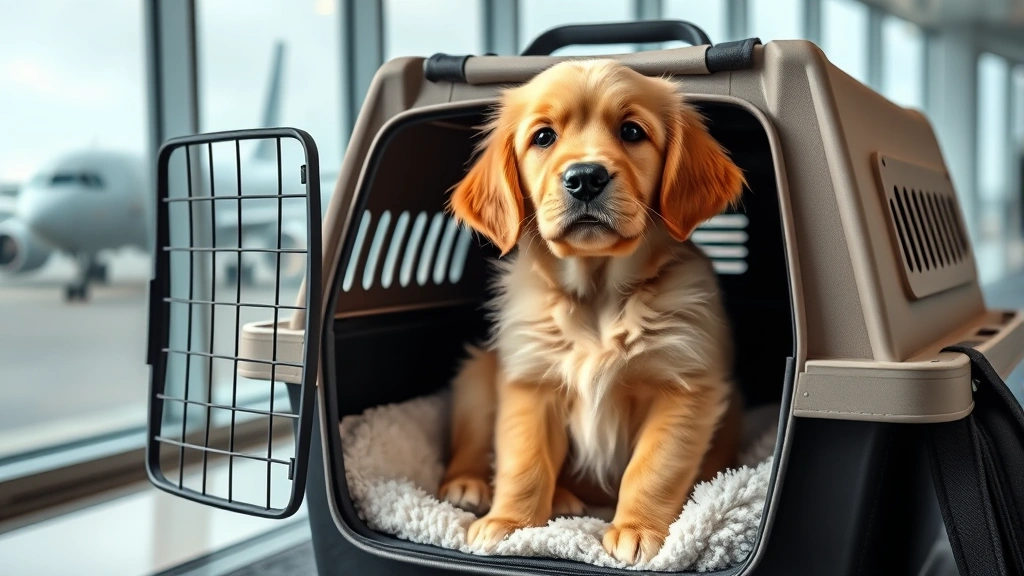
Flying with a Golden Retriever Puppy? Vet-Approved Tips for Safe Skies
Bringing your golden retriever puppy on an airplane adventure requires careful planning, veterinary guidance, and plenty of preparation. Whether you’re relocating across the country or taking your furry companion on a family vacation, understanding the ins and outs of air travel with a young dog can make the experience smooth and stress-free for everyone involved. Golden retrievers are naturally sociable and adaptable dogs, but puppies require extra attention during flights to ensure their physical comfort and emotional well-being.
Flying with a golden retriever puppy demands more than just booking a ticket and showing up at the airport. From health certificates to crate training, from managing anxiety to understanding airline policies, every detail matters. This comprehensive guide covers everything you need to know before, during, and after your flight with your precious pup, all backed by veterinary expertise and practical travel wisdom.
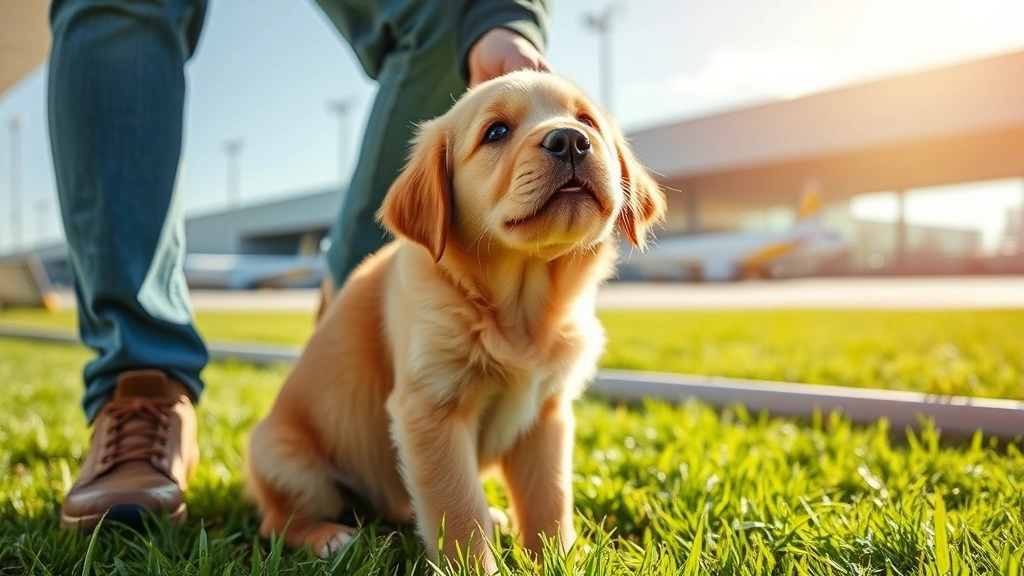
Pre-Flight Veterinary Preparation
Before your golden retriever puppy takes to the skies, a comprehensive veterinary consultation is absolutely essential. Your vet will assess your puppy’s overall health, age appropriateness for flying, and any breed-specific concerns that might affect air travel. Golden retrievers are generally hardy dogs, but puppies under 16 weeks old should typically avoid flying unless absolutely necessary, as their immune systems are still developing and the stress of travel can be overwhelming.
Schedule a pre-flight exam at least two weeks before your departure date. During this appointment, your veterinarian will check your puppy’s heart, lungs, and ears—all critical systems affected by altitude changes and cabin pressure. Discuss any signs of respiratory issues, ear infections, or digestive problems that could be exacerbated by flying. Your vet may recommend specific medications or supplements to ease anxiety and prevent motion sickness. Some puppies benefit from prescription calming aids, while others do better with natural remedies like L-theanine or chamomile.
Ask your vet about the puppy’s readiness for the specific flight duration you’re planning. If you’re flying from Atlanta to Orlando, that’s a relatively short flight, whereas longer routes require additional preparation. Your veterinarian can also provide guidance on vaccination requirements, as some airlines and destinations have specific immunization mandates that must be met before travel.
Choosing the Right Airline and Flight
Not all airlines treat pet passengers equally, and golden retriever puppies deserve carriers that prioritize their safety and comfort. Research airline pet policies thoroughly before booking. Major carriers like Delta, United, and American Airlines allow small dogs in the cabin for a fee (typically $100-$150 each way), but size and weight restrictions vary. Most require puppies to weigh under 20 pounds and fit comfortably in an airline-approved carrier that fits under the seat.
When comparing flights from Chicago to Denver or other routes, always prioritize direct or shorter flights. Multiple connections increase stress and handling risks. Book early morning or late evening flights when airports are less crowded, giving your puppy a calmer environment. Avoid flights during peak travel times when airport noise and chaos might overwhelm a young dog.
Some airlines offer pet-friendly cabin options or premium seating with extra space. Southwest Airlines, for example, allows one pet per passenger in the cabin at no additional charge (beyond standard pet fees), making it a popular choice for puppy parents. Call the airline directly to discuss your golden retriever puppy’s specific needs and confirm all policies in writing.
Consider the cabin temperature and ventilation. Airlines maintain pressurized cabins at consistent temperatures, but some areas may be warmer than others. Golden retrievers have thick coats and can overheat easily, so choose flights and airlines known for reliable climate control. Avoid flying during extreme heat or cold, as tarmac delays in hot weather can be dangerous for puppies.
Crate Training and Acclimation
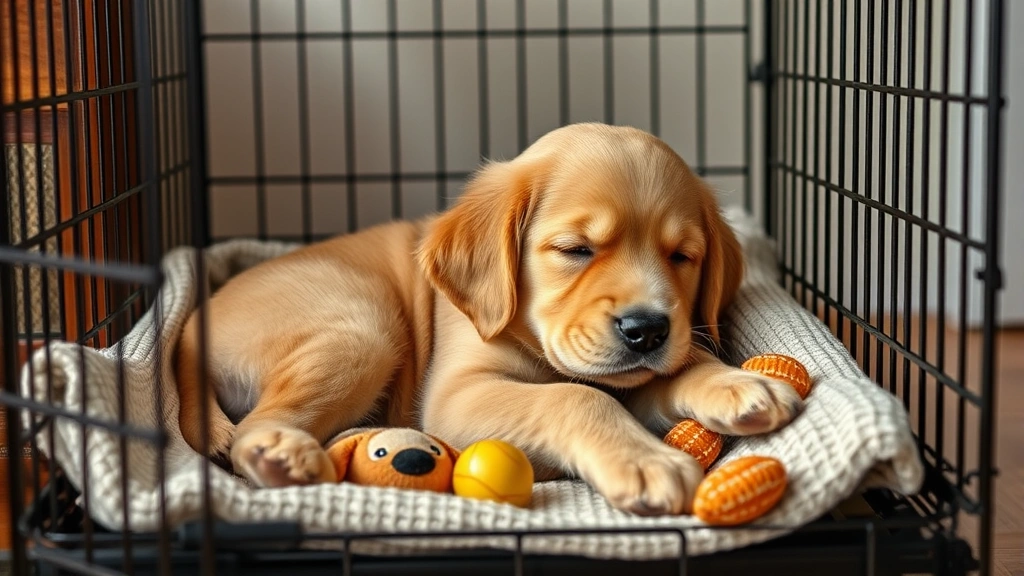
Your golden retriever puppy must be crate-trained well before your flight date. This isn’t just about meeting airline requirements—a well-trained puppy views the crate as a safe haven, not a prison. Begin crate training at least 4-6 weeks before your trip, allowing your puppy plenty of time to develop positive associations with the carrier.
Start by leaving the crate door open and placing treats, toys, and bedding inside. Let your puppy explore voluntarily. Gradually close the door for short periods while you’re present, then extend the duration. Use positive reinforcement—praise, treats, and gentle words—every time your puppy enters the crate willingly. Never force your puppy inside or use the crate as punishment.
Once your puppy is comfortable in the crate at home, introduce it in different environments. Place the crate in your car and take short drives, gradually increasing duration. Visit the airport’s pet relief areas if possible, or simulate airport-like environments with background noise. This exposure helps your puppy understand that the crate means adventure, not abandonment.
Invest in an airline-approved hard-sided carrier that meets IATA (International Air Transport Association) standards. The carrier should be large enough for your puppy to stand, turn around, and lie down comfortably. Soft-sided carriers, while lighter, may not provide adequate protection during turbulence. Ensure proper ventilation holes and secure latches that can’t accidentally open during handling.
Essential Travel Documents and Health Records
Documentation is critical when flying with your golden retriever puppy. Most airlines require a health certificate issued by a veterinarian within 10 days of travel. This certificate confirms your puppy is healthy enough to fly and up-to-date on vaccinations. Schedule this appointment well in advance—don’t wait until the last minute, as vets can get booked during peak travel seasons.
Obtain multiple copies of your puppy’s vaccination records, microchip documentation, and health certificate. Keep originals in a waterproof folder and carry copies in your carry-on bag. If you’re traveling internationally, such as flights to Playa del Carmen, additional documentation like import permits, rabies titers, and health certificates from the destination country may be required. Consult the USDA Animal and Plant Health Inspection Service for international requirements.
Ensure your puppy is microchipped and that the microchip registry has your current contact information. If your puppy somehow escapes during travel, a microchip is your best chance of reunion. Create an ID tag for your puppy’s collar with your phone number and destination address. Take clear photos of your puppy from multiple angles before traveling—these can be invaluable if your pup gets lost.
Maintain a travel health log documenting your puppy’s eating patterns, bathroom habits, and any behavioral changes. This record helps you and your vet track how air travel affects your individual puppy and can guide future trips.
Packing the Perfect Puppy Travel Kit
Strategic packing ensures your golden retriever puppy has everything needed for comfortable, safe air travel. Your carry-on bag should include essentials you might need during the flight, while checked luggage holds additional supplies for your destination.
Carry-On Essentials:
- Collapsible water and food bowls
- Bottled water (familiar to your puppy’s system)
- High-quality puppy food in individual portions
- Treats for positive reinforcement
- Absorbent pee pads and waste bags
- Favorite toys and comfort items with familiar scents
- Leash and harness for airport navigation
- Grooming supplies and paper towels
- Medications and calming supplements
- Recent photos and identification documents
Checked Luggage Additions:
- Additional puppy food (airline delays happen)
- Bedding and blankets
- Extra collar, leash, and harness
- Grooming brush and nail clippers
- First-aid kit with tweezers and antiseptic
- Vaccination records and vet contact information
Pack lightweight, breathable bedding for the crate. Avoid heavy blankets that could overheat your puppy. Include an item with familiar scents from home—your worn t-shirt, for example—to provide comfort during stressful moments. Bring more treats than you think you’ll need; they’re invaluable for managing anxiety and maintaining positive associations with the crate.
Managing Anxiety and Stress During Flight
Golden retriever puppies are social creatures, and confinement in a crate during a flight can trigger anxiety. Work with your veterinarian to develop an anxiety management plan well before your trip. Options include prescription medications like trazodone, natural supplements like L-theanine or passionflower, pheromone products like Adaptil, and behavioral techniques.
Never use over-the-counter sedatives without veterinary approval. Some can have unpredictable effects at altitude, and masking anxiety symptoms doesn’t address the underlying stress. Your vet can recommend safe, effective options tailored to your puppy’s age, weight, and temperament.
Practice relaxation techniques at home. Teach your puppy to settle on cue using calm voice commands and gentle handling. Desensitize your puppy to airport sounds—use YouTube videos of airport noise during crate time at home. This exposure reduces the shock of the actual airport environment.
On flight day, exercise your puppy thoroughly before heading to the airport. A tired puppy is more likely to rest during the flight. However, avoid excessive activity that leaves your puppy overheated or dehydrated. Provide water regularly but avoid large meals immediately before flying, as motion sickness is common in anxious puppies.
During the flight, maintain a calm demeanor. Your puppy picks up on your anxiety, so project confidence and relaxation. Keep check-ins brief and quiet—excessive attention can reinforce anxiety behaviors. If your puppy whimpers, resist the urge to comfort excessively, as this rewards the anxious behavior.
In-Cabin vs. Cargo Considerations
For golden retriever puppies, in-cabin travel is almost always preferable to cargo travel. Puppies in your presence receive proper monitoring, hydration, and emotional support. In-cabin travel typically costs $100-$150 per flight segment and requires your puppy to fit in an airline-approved carrier under the seat.
Cargo travel carries significantly more risk for puppies. The cargo hold is pressurized and temperature-controlled, but your puppy experiences complete isolation, unfamiliar sounds, and handling by multiple strangers. Puppies under 16 weeks should never travel in cargo. Even older puppies face increased stress, potential injury during loading and unloading, and rare but serious risks like heat stroke or respiratory distress.
Some airlines restrict brachycephalic (flat-faced) breeds from cargo due to breathing difficulties at altitude. Golden retrievers aren’t brachycephalic, but they’re still vulnerable as young puppies. Always choose in-cabin travel when possible.
If you’re considering longer international flights like Hawaii to Japan flights, consult your veterinarian about whether your puppy is truly ready for such extensive air travel. Some puppies may be better served waiting until they’re older and more developmentally mature.
Post-Flight Care and Adjustment
The flight is over, but your puppy’s adjustment period is just beginning. Immediately after landing, take your puppy to a designated pet relief area. Your puppy will likely need to eliminate after holding it during the flight. Praise enthusiastically when your puppy uses the bathroom—this reinforces good behavior for future travels.
Offer fresh water immediately, but introduce food gradually. Some puppies experience motion sickness or appetite changes after flying. Offer small amounts of their regular food and monitor for digestive upset. If your puppy shows signs of nausea, vomiting, or diarrhea lasting more than a few hours, contact a local veterinarian.
Allow your puppy time to decompress in a quiet, safe space. Avoid overwhelming sensory input and excessive activity for the first few hours. Your puppy has experienced significant stress and needs to process the experience. Some puppies sleep for hours after flying—this is completely normal.
Monitor your puppy’s behavior over the next few days. Temporary changes in appetite, activity level, or bathroom habits are normal stress responses. However, persistent vomiting, diarrhea, lethargy, or respiratory symptoms warrant immediate veterinary attention. Keep your destination veterinarian’s contact information handy.
Gradually reintroduce routine exercise and training. Your puppy’s confidence in the crate and air travel will improve with positive repetition. If this is your first flight together, congratulate yourself—you’ve successfully navigated a major milestone with your golden retriever puppy!
FAQ
At what age can golden retriever puppies fly on airplanes?
Most veterinarians recommend waiting until puppies are at least 16 weeks old before flying. This allows their immune systems to develop more fully and ensures they’ve received necessary vaccinations. Very young puppies (under 12 weeks) should avoid flying unless absolutely necessary due to stress vulnerability and incomplete immunization.
How much does it cost to fly with a golden retriever puppy?
In-cabin pet fees typically range from $100-$150 per flight segment. Some airlines like Southwest charge no additional pet fee. Long-distance or international flights may have higher fees. Budget $200-$300 for a round-trip domestic flight with your puppy, plus the cost of any required health certificates ($50-$100).
Can I give my puppy medication to help with flying anxiety?
Yes, but only under veterinary guidance. Your vet can prescribe appropriate anxiety medications or recommend natural supplements safe for puppies. Never use over-the-counter sedatives or human medications. Always test any medication at home well before the flight to understand how your individual puppy responds.
What should I do if my puppy has an accident in the crate during the flight?
Accidents happen, especially with young puppies. Bring absorbent pee pads and extra bedding. If an accident occurs, remain calm and handle cleanup discreetly with paper towels and waste bags. Don’t punish your puppy—this isn’t about house training failure but normal stress response. Praise your puppy when you reach your destination and have a successful bathroom break outside the crate.
Are there specific airlines that are better for puppies?
Southwest Airlines is often considered the most pet-friendly, offering in-cabin pet travel at no additional fee. Alaska Airlines, JetBlue, and Frontier also have good reputations for pet-friendly policies. Always check current policies directly with the airline, as regulations change frequently. International carriers like Air New Zealand also offer excellent pet programs if you’re traveling internationally.
How do I prepare my puppy for airport noise and chaos?
Gradually expose your puppy to airport-like sounds and environments weeks before travel. Play airport noise recordings during crate time, visit busy public spaces, and practice remaining calm during controlled chaos. This desensitization reduces the shock of the actual airport experience and helps your puppy maintain composure.
What if my puppy won’t eat or drink during air travel?
This is completely normal stress behavior. Don’t force food or water on your puppy. Offer small amounts if your puppy shows interest, but don’t worry if your puppy refuses. Once you’ve landed and your puppy has decompressed, appetite typically returns to normal within hours. If your puppy refuses food for more than 24 hours after landing, consult a veterinarian.
Can I take my golden retriever puppy on connecting flights?
Yes, but minimize connections when possible. Each connection means additional handling, time in the crate, and stress. If you must have connections, allow at least 2-3 hours between flights to take your puppy to a pet relief area and provide water and a brief rest. Direct flights are always preferable for puppy travel.


