Frontier Cuts Vail Flights: What This Means for Your Mountain Getaway
The travel landscape just shifted dramatically for Colorado ski enthusiasts and mountain adventurers. Frontier Airlines has announced significant cuts to its flight operations serving Vail, Colorado, leaving travelers scrambling to understand the implications and explore alternative routes to reach one of North America’s most iconic ski destinations. This isn’t just airline news—it’s a game-changer for anyone planning a winter escape or summer mountain adventure to the Rocky Mountains.
As someone who tracks aviation trends and travel logistics closely, I’m here to break down exactly what Frontier’s decision means for your travel plans, how it affects pricing and availability, and most importantly, what alternatives exist to get you to Vail without the headaches. Whether you’re a seasoned skier or a first-time visitor dreaming of alpine adventures, understanding this shift is crucial for booking smart and maximizing your mountain experience.
What Frontier’s Vail Flight Cuts Mean
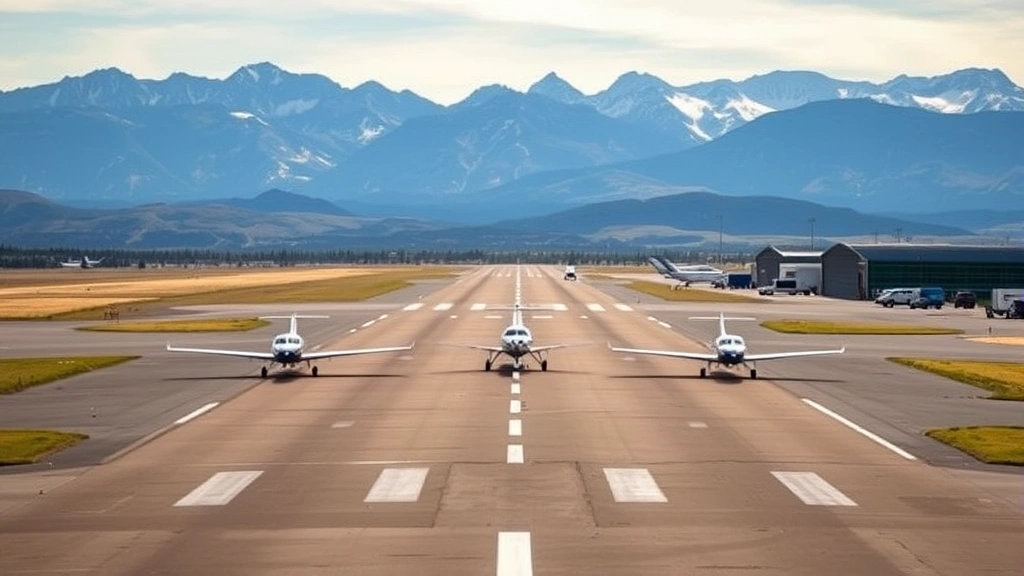
Frontier Airlines, known for aggressive route expansion and competitive pricing, has decided to reduce or eliminate several flight routes that previously served Vail’s Eagle County Regional Airport (EGE). This decision reflects broader industry trends around profitability, fuel costs, and demand forecasting. The ultra-low-cost carrier model that built Frontier’s reputation depends on high-capacity routes with consistent demand—and apparently, the Vail routes didn’t meet that threshold.
The cuts affect multiple origin cities, making it harder for travelers from major metropolitan areas to reach Vail directly. Passengers previously enjoying convenient non-stop service now face connections, longer travel times, and potentially higher overall costs when factoring in ground transportation and logistics. For a destination like Vail, where convenience and accessibility drive tourism, this represents a significant disruption to the visitor ecosystem.
What makes this particularly notable is that Frontier had been positioning itself as a primary carrier for mountain destinations. The reversal signals that even budget carriers are being selective about which mountain markets they serve. This isn’t about Vail’s popularity—the destination remains world-class—but rather about specific route economics and competitive positioning in an increasingly complex aviation landscape.
Impact on Travelers and Tourism
The immediate impact hits travelers’ wallets and schedules hardest. Without Frontier’s typically aggressive pricing, remaining carriers have less competitive pressure on Vail routes. This means higher fares for economy-conscious travelers who relied on Frontier’s budget-friendly options. Additionally, the loss of direct flights creates cascading complications: longer travel days, increased fatigue for skiers, potential missed first days on the slopes, and higher ground transportation costs to connect from hub airports.
Tourism operators in Vail face their own challenges. Accessibility drives visitor volume, and reduced flight options create friction in the booking journey. Hotels, ski schools, equipment rental shops, and restaurants all depend on steady visitor flows. When flights become harder to book or more expensive, some potential visitors simply choose alternative destinations. This ripple effect extends throughout Eagle County’s tourism economy.
The tourism board has likely already begun working with remaining carriers and exploring incentives to maintain service levels. This is where destination marketing becomes critical—communities that proactively engage with airlines and travelers often weather these transitions better than those that wait passively.
Consider looking at Austin to Denver flights as an example of how regional hubs matter when direct service disappears. Denver International Airport, just two hours from Vail, becomes increasingly important as a fallback option.
Alternative Routes and Airlines
Smart travelers know that Frontier’s retreat opens opportunities with other carriers. United Airlines maintains strong presence at Eagle County Regional Airport, and they’re likely to emphasize their Vail connections. Southwest Airlines also serves the mountain market, and their no-change-fee policy makes them attractive for ski trips where plans sometimes shift due to weather or conditions.
Denver International Airport remains the primary gateway for Rocky Mountain travel. Major carriers like best airlines for long flights all serve Denver extensively, providing numerous connection options. The drive from Denver to Vail takes approximately two hours, making it a viable alternative even without direct service. Rental car companies, shuttle services, and ride-sharing options all operate this corridor efficiently.
For travelers from specific regions, exploring alternatives pays dividends. Those considering flights from Houston to Las Vegas patterns understand how hub routing works—sometimes getting to your destination via a major hub costs less and offers better schedule flexibility than direct flights. Apply the same thinking to Vail routing.
Regional airports like Colorado Springs and Montrose offer additional options, though they’re farther from Vail. The trade-off between flight availability, pricing, and ground transportation time becomes a calculation each traveler must make. Some find that flying into Colorado Springs and renting a car for the scenic 3.5-hour drive actually provides better value and a more interesting journey.
Denver Hub Strategy
Denver International Airport’s position as the Rocky Mountain hub strengthens with Frontier’s Vail cutbacks. The airport has invested heavily in infrastructure, maintains excellent ground transportation connections, and offers the most flight options of any airport in the region. This centralization actually benefits travelers willing to embrace the hub-and-spoke model.
Ground transportation from Denver to Vail has improved significantly. Luxury shuttle services, rental cars with winter tires included, and ride-sharing options make the drive manageable and even enjoyable. Some travelers find the two-hour drive gives them time to adjust to elevation, prepare mentally for their adventure, and enjoy Colorado’s stunning scenery. It’s not a burden—it’s part of the experience.
Airlines serving Denver understand the Vail market and have structured schedules accordingly. Morning arrivals into Denver typically connect well with afternoon shuttle services to Vail, allowing visitors to check in by evening. Return trips often depart Vail in early morning, connecting with afternoon/evening flights from Denver. The rhythm of mountain travel adapts to this pattern naturally.
Understanding hub dynamics helps explain broader travel patterns. Just as flights from Syracuse to Orlando typically route through major hubs, mountain destination travel increasingly follows hub-based patterns. This isn’t inefficient—it’s how modern aviation optimizes networks.
Booking Strategies Moving Forward
In this new environment, smart booking requires flexibility and strategic thinking. Start by expanding your airport options—consider Denver, Colorado Springs, and Eagle County in your searches. Many booking sites allow multi-airport searches; use this feature to compare total trip costs including ground transportation.
Booking windows matter more than ever. With reduced competition, securing good fares requires advance planning—typically 4-8 weeks ahead for ski season travel. Last-minute deals become rarer when fewer carriers compete, so patience and early commitment pay dividends.
Consider package deals bundling flights and ground transportation. Some tour operators and hotels offer packages that include airport shuttles or rental car credits, effectively offsetting higher airfare costs. These packages sometimes provide better value than booking components separately, especially when flight competition decreases.
Loyalty programs gain importance when carrier options narrow. Frequent flyer miles become more valuable when fewer alternatives exist. If you consistently visit Vail or other mountain destinations, building loyalty with the remaining primary carriers makes strategic sense. You’ll earn benefits faster and have priority access during busy travel periods.
Weather impacts mountain travel significantly. Building schedule flexibility into your plans—perhaps arriving a day early or departing a day late—reduces stress and improves the overall experience. Airlines serving mountain destinations understand this reality and often accommodate schedule changes gracefully during winter months.
Future of Mountain Destinations
Frontier’s Vail pullback reflects broader industry trends affecting mountain tourism. Climate change, shifting travel patterns, and evolving airline business models all influence which routes receive investment and which ones get cut. Understanding these macro trends helps travelers anticipate future changes.
However, Vail’s position as a world-class destination remains unshaken. The ski terrain, summer activities, luxury accommodations, and vibrant community ensure continued visitor interest. Airlines will continue serving the market—the question is through which routes and at what pricing levels. Communities that adapt quickly and market effectively often maintain visitor volumes despite service disruptions.
The broader lesson extends beyond Vail to all mountain destinations. Direct flight service isn’t guaranteed; hub-and-spoke routing increasingly defines regional travel. Savvy travelers build this flexibility into their planning from the start, treating it as a feature rather than a limitation. This mindset transforms potential disappointment into adventure.
For those planning multiple mountain trips, diversifying destinations makes sense. While Vail remains exceptional, other Rocky Mountain destinations—Aspen, Telluride, Jackson Hole—offer compelling alternatives with varying flight options and accessibility patterns. Spreading travel across seasons and destinations reduces dependence on any single route.
Looking at broader aviation trends, as discussed in Delta flight emergency landing coverage, the industry faces capacity constraints and operational challenges. These systemic issues affect all carriers and all routes, making flexibility a universal travel virtue.
For more comprehensive travel planning insights, explore our blog for destination guides, airline comparisons, and booking strategies that apply across the travel landscape.
FAQ
Will Frontier ever resume Vail flights?
Possibly, but not immediately. Frontier’s decision reflects current market conditions and route economics. If demand increases significantly or competitive dynamics shift, they might reconsider. Travelers shouldn’t expect this in the near term—plan around current realities and monitor developments.
What’s the best alternative airport to reach Vail?
Denver International Airport remains the primary option, offering the most flights, best pricing, and reliable ground transportation. The two-hour drive is manageable and has become standard for many Vail visitors. Colorado Springs offers a secondary option if Denver flights don’t work for your schedule.
Will Vail flights become more expensive?
Likely, at least in the short term. Reduced competition typically increases fares. However, finding good deals remains possible through advance booking, flexibility with dates, and exploring alternative airports. Package deals and loyalty programs can offset higher base fares.
How far in advance should I book Vail flights now?
Aim for 4-8 weeks advance booking during peak seasons. With fewer flight options available, seats fill quickly and prices increase as departure dates approach. Early booking provides better availability and pricing in this reduced-competition environment.
Are there other mountain destinations less affected by flight cuts?
Yes, major destinations like Denver-area mountains, Aspen, and some Utah ski resorts maintain stronger direct flight networks. However, all mountain destinations face similar pressures. Building flexibility into your mountain travel planning is universally wise.
What should I know about ground transportation from Denver to Vail?
Multiple options exist: rental cars, luxury shuttle services, ride-sharing, and group transportation. Winter requires consideration of snow conditions and vehicle preparation. Most services operate year-round with excellent safety records. Budget 2-3 hours for the drive depending on weather and traffic.