Landing cheap flights to Paris from NYC isn’t just luck—it’s a strategic game that savvy travelers have mastered. Whether you’re planning a romantic getaway, a cultural adventure, or a culinary pilgrimage to the City of Light, finding affordable airfare is absolutely possible when you know where to look and when to book. The transatlantic route from New York to Paris is one of the most competitive in the world, which means airlines constantly adjust prices to fill seats. This competition works in your favor if you understand the insider secrets that travel experts use to secure deals that seem too good to be true.
The distance between JFK, LaGuardia, and Newark airports and Paris’s Charles de Gaulle Airport is approximately 3,600 miles, making it a roughly 7-8 hour direct flight. This heavily trafficked route sees hundreds of daily departures from multiple carriers, creating opportunities for bargain hunters. In this comprehensive guide, we’ll reveal the proven strategies, timing tactics, and booking techniques that can slash your airfare costs by 30-50%. From understanding airline pricing algorithms to leveraging hidden city ticketing and mastering the art of flexible travel dates, you’ll discover how to transform your Paris dream into an affordable reality.
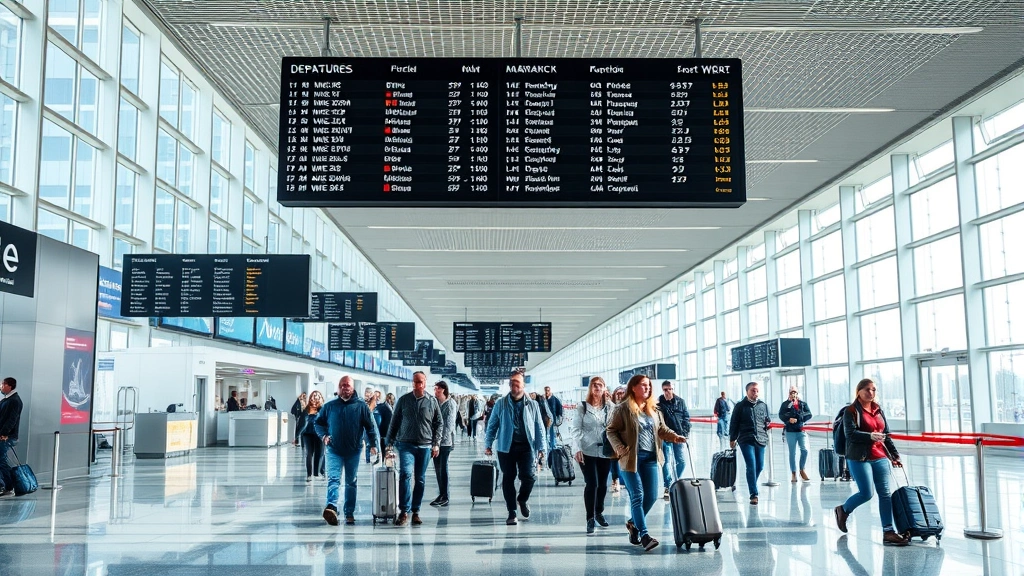
Best Time to Book Flights to Paris
The golden rule of airfare hunting is timing. Research from major travel analytics companies consistently shows that booking flights to Paris from NYC between 1-3 months in advance offers the sweet spot for pricing. Airlines release their inventory about 11 months ahead, but prices don’t stabilize into predictable patterns until closer to your travel date. Book too early, and you’re betting against future price drops. Book too late, and you’re competing with last-minute travelers willing to pay premium prices.
The absolute cheapest window falls 54-60 days before your departure. During this period, airlines have filled many seats but still have inventory to move, prompting competitive pricing. However, this varies by season. For peak summer travel (June-August), start monitoring prices 3-4 months out. For shoulder seasons (April-May, September-October), 6-8 weeks works well. Winter months offer more flexibility since demand is lower, but you’ll want to avoid booking during December holidays and New Year’s week when prices spike dramatically.
Tuesday and Wednesday departures from New York are historically cheaper than Friday and Sunday flights. This pattern exists because business travelers dominate weekend traffic, driving up prices. When you have flexibility, choose midweek departures and return on the same days. Additionally, red-eye flights (departing late evening, arriving early morning) typically cost 10-20% less than daytime options. While you sacrifice sleep, you gain precious hours in Paris upon arrival.

Day of Week and Seasonal Strategies
Seasonal pricing for transatlantic travel follows predictable patterns. Winter (November-February) is the cheapest season for flights to Paris from New York, excluding the December holiday period. January and February see the lowest fares as winter weather deters casual tourists. If you can travel during these months, expect to save 40-50% compared to summer prices.
Spring (March-May) offers moderate pricing with March being particularly affordable. Easter holidays might push prices up slightly, so check the calendar. Summer (June-August) is peak season with the highest prices. If you must travel then, book 3-4 months early and fly midweek. Fall (September-October) provides an excellent balance—pleasant weather, fewer tourists than summer, and prices that haven’t reached winter lows.
The specific day you travel matters enormously. Tuesday departures from NYC to Paris are typically 15-25% cheaper than Friday or Sunday flights. Wednesday and Saturday departures also offer savings compared to weekend travel. This reflects airline yield management strategies targeting business travelers on weekdays and leisure travelers on weekends. Airlines price accordingly, rewarding flexible travelers.
Avoid booking around major holidays: Thanksgiving week, Christmas-New Year period, Easter, and summer break weeks. These periods see 50-100% price premiums. Similarly, avoid flying out during spring break (mid-March) and during European school holidays. If you’re flexible on exact dates, you have tremendous negotiating power with airline pricing algorithms.
Airline-Specific Deals and Programs
Major carriers operating NYC to Paris routes include Air France, United, Delta, American Airlines, and JetBlue. Each airline employs different strategies for filling seats, creating opportunities for savvy bookers. Air France, as the national carrier, often has special promotions during off-peak periods. Their website frequently features flash sales on the transatlantic route, particularly on Tuesday and Wednesday mornings.
United Airlines and Delta offer excellent frequent flyer programs that can substantially reduce your effective airfare cost. If you have miles accumulated, Paris is a premium redemption destination, but the point value is often reasonable (60,000-70,000 miles for economy round-trip). American Airlines also offers competitive pricing on NYC-Paris routes and frequently features this route in their sales.
JetBlue doesn’t fly direct to Paris but partners with European carriers. Their connecting flights can be significantly cheaper than direct options, sometimes by $200-400 per person. If you’re willing to accept a connection through European hubs like Dublin or London, you can access budget-friendly pricing structures.
Check each airline’s email newsletter and follow their social media accounts. Airlines announce flash sales (typically 24-72 hours) through these channels before posting broadly. Sign up for Air France, United, and Delta alerts specifically for New York-Paris routes. These insider notifications often feature deals that disappear within hours. Additionally, many airlines offer special promotions during off-peak booking windows—often Tuesday afternoons through Thursday mornings.
Advanced Booking Techniques
Master the art of airline booking strategies by understanding how pricing algorithms work. Airlines use sophisticated yield management systems that constantly adjust prices based on demand, competitor pricing, and seat inventory. They’re trying to maximize revenue, not offer discounts. However, you can outsmart these systems.
The Incognito Window Trick: Airlines track your search history and may increase prices if they see you repeatedly checking the same route. Always clear your cookies or use incognito/private browsing mode. This prevents the system from knowing you’re a repeat searcher potentially becoming desperate to book. Fresh searches often reveal lower prices than previously seen options.
Currency Arbitrage: Book in currencies where the dollar is strong. If you have a VPN, try accessing airline websites from countries with weaker currencies. Sometimes booking through foreign airline websites shows lower prices than the US site. This works because airlines price differently by region.
Booking Separate Tickets: Occasionally, booking your outbound and return flights separately costs less than a round-trip ticket. This happens when airlines have different demand patterns for each leg. Use flight comparison tools to test round-trip versus one-way combinations.
Hidden City Ticketing: This controversial but legal technique involves booking a connecting flight but exiting at the connection point. For example, booking NYC-Paris-Rome might cost less than NYC-Paris if you only need to reach Paris. However, this violates airline terms of service and carries risks (checked baggage complications, potential account suspension). We mention it for awareness but don’t recommend it.
Alternative Airports and Routes
The New York area has three major airports: JFK, LaGuardia (LGA), and Newark (EWR). Prices vary significantly between them. LaGuardia typically has the highest prices, while Newark sometimes offers bargains since it’s less convenient for Manhattan travelers. Check all three airports when searching—you might find 20-30% savings by flying from Newark instead of JFK, even after accounting for ground transportation costs.
Consider flying into alternate Paris airports. Charles de Gaulle (CDG) is the primary hub, but Orly Airport (ORY) is closer to central Paris and sometimes has cheaper flights. Beauvais Airport (BVA), further outside the city, occasionally features rock-bottom prices on low-cost carrier routes. Calculate total transportation costs from each airport to your final destination—the cheapest flight isn’t always the best deal.
Explore connections through European hubs. Instead of direct flights, flying NYC-London-Paris or NYC-Frankfurt-Paris can be cheaper, especially if you book with budget carriers for the European leg. Understanding multi-leg flight dynamics helps you identify these savings opportunities. The trade-off is time and potential layover stress, but savings of $300-500 per person might justify it.
Budget Airlines vs Full-Service Carriers
Budget carriers like Norwegian, Wizz Air, and Ryanair operate flights to Paris from NYC indirectly, but their European partnerships can create savings opportunities. Norwegian operates transatlantic flights from New York with competitive pricing, especially for basic economy seats. Their fares start lower than traditional carriers, though baggage and seat selection fees add up quickly.
Full-service carriers like Air France include more amenities in base fares—checked baggage, seat selection, meals. Budget airlines nickel-and-dime you with fees. Calculate the true cost including baggage, seat selection, and meals before assuming budget airlines save money. Often, full-service carriers are more economical when you factor in all costs.
The comfort factor differs dramatically. Transatlantic flights last 7-8 hours, and budget airline seats are notoriously cramped with minimal legroom. If you’re 6 feet tall or larger, budget airlines might be physically uncomfortable. Premium economy on full-service carriers sometimes costs only slightly more than budget economy and provides significantly better comfort.
Loyalty programs matter more with full-service carriers. Earning miles and status benefits compounds savings over multiple trips. If you fly to Europe frequently, accumulating status with Air France, United, or Delta provides perks (upgrades, lounge access, priority boarding) that budget airlines don’t offer.
Maximizing Loyalty Programs
If you frequently travel to Europe, loyalty programs are your secret weapon. Maximizing frequent flyer benefits can reduce your effective airfare cost to near-zero over time. Credit card sign-up bonuses often provide 50,000-75,000 miles, which equals a free transatlantic flight. Strategic credit card usage for everyday purchases generates additional miles quickly.
Air France’s Flying Blue program offers excellent value for NYC-Paris routes. United’s MileagePlus, Delta’s SkyMiles, and American’s AAdvantage programs all provide competitive redemption rates for this popular route. The key is accumulating miles through multiple sources: credit card bonuses, credit card spending, flight purchases, and partner activities.
Redeeming miles strategically matters. Avoid peak travel periods when premium cabin redemptions cost 50% more miles. Instead, redeem during shoulder seasons for maximum value. Some programs allow booking with cash and miles, which can be advantageous when award inventory is limited.
Status benefits provide additional savings. Elite frequent flyer status includes complimentary upgrades, lounge access, and priority boarding. These benefits don’t reduce ticket price but increase value significantly. Reaching elite status through credit card spend or flight purchases often pays for itself through upgrade benefits alone on transatlantic flights.
Technology Tools and Hacks
Modern technology makes finding cheap flights easier than ever. Google Flights, Kayak, Skyscanner, and Momondo are essential tools for monitoring flights to Paris from New York. Use Google Flights’ price tracking feature to monitor specific routes and set up alerts. When prices drop, you’ll receive notifications, enabling quick booking.
Hopper is an AI-powered app that predicts price movements and recommends optimal booking times. It analyzes billions of flight prices to determine whether prices will rise or fall. For NYC-Paris flights specifically, Hopper often provides accurate predictions, though no algorithm is perfect.
Set up price alerts across multiple platforms. Different booking sites sometimes show different prices due to partnerships and inventory access. Monitoring three or four simultaneously increases your chances of catching the best deals. Most tools allow customizing alert thresholds—set them to notify you only if prices drop below your target.
Browser extensions like Hopper and Skyscanner offer real-time price notifications while you browse. These tools work seamlessly in the background, alerting you when fares meet your criteria. Some extensions even auto-book when prices reach target levels, though this is riskier than manual verification.
Mistake Fares: Follow aviation deal sites like Secret Flying, Scott’s Cheap Flights, and FareCompare. These sites identify pricing errors where airlines accidentally post fares far below normal rates. NYC-Paris routes occasionally appear in these lists at 50-70% discounts. Act immediately when you see these deals—they disappear within hours.
Google Flights’ “flexible dates” feature is invaluable for finding the cheapest travel windows. Enter a range of dates rather than specific ones, and the tool displays a price calendar showing the cheapest days to fly. This visualization makes identifying optimal travel dates intuitive. Sometimes flying one day earlier or later saves $200+ per person.
Set up a dedicated email address for travel deal notifications. This prevents deal alerts from cluttering your main inbox while ensuring you never miss important price drops. Check this email daily, especially during your target booking windows. Many deals require same-day action to secure savings.
Solo travelers to Paris can leverage additional strategies. Solo travel flexibility often allows midweek travel that’s cheaper than group trips. Additionally, traveling alone means negotiating only one seat, making even small percentage savings meaningful.
Paris itself rewards budget-conscious travelers. Top destinations for 2025 include Paris, and for good reason—the city offers free attractions, affordable museums, and excellent public transportation. Once you’ve secured cheap flights, your overall trip cost remains reasonable compared to many destinations.
For comprehensive travel planning beyond flights, consult travel planning resources that cover accommodation, activities, and itineraries. Combining cheap flights with smart destination planning maximizes your travel budget’s impact.
Consider using flight search engines that include nearby airports automatically. Some travelers don’t realize Boston (BOS) or Philadelphia (PHL) might offer cheaper flights than NYC airports. These alternative departure points sometimes provide 15-25% savings, especially on budget carriers. Calculate total travel costs including ground transportation to these airports—sometimes the savings justify the extra travel.
Booking Tuesday through Thursday mornings typically yields better prices than other times. Airlines release sales and adjust pricing during these periods in response to competitor moves. The Tuesday afternoon-Thursday morning window is prime for finding deals before the weekend rush drives prices up.
FAQ
How far in advance should I book flights to Paris from NYC?
The optimal booking window is 54-60 days before departure. However, for peak summer travel, book 3-4 months ahead. For shoulder seasons, 6-8 weeks suffices. Monitor prices starting 4-5 months out to understand normal pricing, then make your move during the optimal window.
What day of the week has the cheapest flights?
Tuesday and Wednesday departures are typically cheapest, 15-25% less than Friday-Sunday flights. Return flights follow the same pattern. Midweek travel consistently offers better prices due to lower business travel demand.
Is it cheaper to book round-trip or one-way flights?
Round-trip is usually cheaper, but occasionally booking separate one-way tickets costs less. Always test both options. Round-trip tickets typically offer better value 70% of the time, but the exceptions can save you significant money.
Are budget airlines cheaper for transatlantic flights?
Budget airlines start cheaper but add fees for baggage, seat selection, and meals. Full-service carriers include these amenities in base fares. Calculate true total cost before assuming budget airlines save money. Often, full-service carriers are more economical overall.
Can I really save money with airline loyalty programs?
Absolutely. Credit card sign-up bonuses often provide free transatlantic flights. Earning miles through everyday spending creates additional value. Status benefits include complimentary upgrades and lounge access. Over multiple trips, loyalty programs substantially reduce your effective airfare cost.
What’s the cheapest month to fly to Paris?
January and February are cheapest (excluding December holidays). Winter travel offers 40-50% savings compared to summer. March also offers good prices. If you can travel during these months, you’ll maximize savings.
Should I book directly with airlines or through travel sites?
Both offer advantages. Airline websites sometimes have exclusive deals. Travel comparison sites show all options simultaneously. Book through whichever shows the lowest price, then verify directly with the airline before finalizing.
Do flight prices really increase if I search repeatedly?
Yes. Airlines track searches via cookies and may increase prices for repeat searches. Use incognito/private browsing to prevent this. Always clear cookies before searching again for the same route.