
Planning a transatlantic escape from the bustling streets of New York City to the romantic avenues of Paris? Securing the right flight can make or break your European adventure. Whether you’re a seasoned traveler seeking premium comfort or a budget-conscious explorer, understanding the nuances of NYC to Paris flights transforms you from a passive passenger into an empowered traveler. This comprehensive guide reveals insider strategies, airline recommendations, and booking tactics that travel experts use to find exceptional fares and unforgettable experiences on this iconic route.
The New York City to Paris corridor represents one of the world’s most traveled transatlantic routes, with multiple airlines competing fiercely for your business. This competition creates extraordinary opportunities for savvy travelers willing to invest time in research. From understanding seasonal pricing patterns to leveraging airline partnerships, we’ll explore every dimension of booking this journey strategically. The distance of approximately 3,600 miles typically translates to an 8-9 hour flight, offering direct service on several premium carriers that have perfected this route over decades.
Your flight experience extends far beyond simply reaching your destination—it sets the tone for your entire Parisian adventure. A well-chosen flight can arrive during optimal daylight hours, feature superior in-flight amenities, and provide smooth connections if needed. Conversely, a poorly selected option might leave you jet-lagged and frustrated before you’ve even checked into your hotel. This guide synthesizes expert knowledge to help you navigate this critical decision with confidence and clarity.
Airlines Flying NYC to Paris
Several world-class carriers operate direct flights between New York’s three major airports and Paris’s primary gateways. Air France, the French flagship carrier, dominates this route with multiple daily departures from JFK and Newark (EWR), offering unparalleled expertise in transatlantic service and seamless connections to domestic French destinations. Their business class product consistently ranks among the world’s finest, featuring direct aisle access and gourmet dining that transforms long-haul travel into luxury.
American Airlines provides robust daily service from all three NYC area airports, leveraging their massive domestic network to funnel connections efficiently. Their transatlantic product has undergone significant modernization, with newer aircraft featuring premium economy options that bridge the gap between economy and business class affordability-wise. Delta Air Lines operates competitive service with focus on reliability and customer service, particularly appealing to frequent flyers in their SkyMiles program who can earn valuable miles toward future travel.
United Airlines rounds out the major American carriers, offering multiple daily frequencies and integrated loyalty benefits through their MileagePlus program. For budget-conscious travelers, Norse Atlantic Airways has emerged as a game-changing competitor, offering surprisingly comfortable long-haul economy experiences at fares that undercut traditional carriers by 30-50%. While their product lacks the frills of legacy carriers, their efficiency and value proposition appeal to practical travelers.
JetBlue Airways has also entered the transatlantic arena with their Mint premium economy product, providing lie-flat seats at price points significantly below traditional business class. European carriers like Lufthansa, KLM, and British Airways offer one-stop options via their hub cities, sometimes featuring competitive pricing when connecting through Frankfurt, Amsterdam, or London respectively.
When comparing carriers, evaluate not just price but operational reliability, seat comfort for your body type, meal quality, entertainment systems, and connectivity options. Reading recent passenger reviews on trusted aviation forums provides invaluable real-world perspective beyond marketing claims. Consider your loyalty program memberships—flying with your home carrier might yield benefits worth hundreds of dollars over time.

Best Booking Strategies
Timing your booking requires understanding the complex algorithms that airlines use to price seats dynamically. Book 2-3 months in advance for optimal pricing on transatlantic routes, though this window varies seasonally. Summer European travel (June-August) demands earlier booking—sometimes 3-4 months ahead—while shoulder seasons (April-May, September-October) offer more flexibility with competitive fares available 6-8 weeks out.
Tuesday and Wednesday departures typically offer 10-15% savings compared to Friday and weekend flights, as leisure travelers congregate on these premium days. Depart early morning or late evening for better fares; those perfect mid-morning departures command premium pricing. Consider redeye flights departing around 9-11 PM, arriving early morning in Paris when you can maximize your first day exploring instead of napping.
Use Google Flights, Kayak, and Skyscanner to monitor price trends across multiple airlines simultaneously. Set price alerts for your preferred travel dates and receive notifications when fares drop. These tools reveal hidden patterns—sometimes flying into Paris but departing from a different European city (a strategy called “open-jaw” booking) yields surprising savings when combined with flights to other European destinations.
Check airline websites directly after identifying competitive fares elsewhere, as some carriers offer exclusive discounts unavailable through third-party booking sites. Clear your browser cookies before searching repeatedly for the same flight, as some sites track your searches and may artificially inflate prices if they detect high interest. Consider using incognito/private browsing windows to prevent this tracking.
Award ticket availability deserves serious consideration if you hold airline miles. Transatlantic business class awards sometimes cost 100,000-150,000 miles—excellent value when purchased fares exceed $5,000-8,000. Transfer-partner programs through credit card rewards offer flexibility; accumulating points through premium travel cards enables booking premium cabins at redemption rates that deliver genuine value.
Subscribe to airline newsletters and follow their social media accounts for flash sales and promotional codes. Airlines periodically release limited-time fares at 20-40% discounts, often announced through email or Instagram before appearing on major booking sites. Being an early adopter of these sales often means securing seats before inventory depletes.
Seasonal Pricing Patterns
Understanding seasonal demand cycles transforms your booking strategy from guesswork into data-driven decision-making. High season (June-August and December holidays) sees average fares ranging from $600-1,200 roundtrip for economy, with premium cabins commanding $3,500-8,000+. These peak periods feature perfect weather and maximum tourist crowds—wonderful for sightseeing but exhausting for authentic Parisian experiences.
Shoulder seasons (April-May and September-October) represent the sweet spot for most travelers, offering pleasant weather, manageable crowds, and economy fares typically $400-700 roundtrip. September particularly shines as summer tourists depart, Parisians return from August vacations, and autumn light bathes the city in magical golden tones. Spring brings blooming gardens and energetic city vibrancy at comparable pricing.
Winter (January-February and November) provides the deepest discounts, with fares frequently dropping to $300-500 roundtrip as leisure travel plummets. Cold weather and shorter daylight hours deter casual tourists, but experienced travelers recognize this period’s magic—fewer crowds at major attractions, cozy café culture, and authentic Parisian daily life. Museums and galleries are blissfully uncrowded, allowing genuine engagement with masterpieces.
Avoid traveling during the week of Thanksgiving, Christmas, and New Year’s when American holiday schedules create artificial scarcity. Mid-January through early February and early November offer exceptional value as holiday travelers have returned home and summer planning hasn’t yet intensified. March presents transition pricing as spring approaches but before peak season demand materializes.
Track historical pricing data using tools like Hopper that analyze millions of fares to predict future price movements. These algorithms often indicate whether prices will likely drop within your booking window, helping you decide between purchasing immediately or waiting. Patience often rewards the flexible traveler, but hesitation can cost thousands when fares spike unexpectedly.
Airport Considerations
New York City’s three major airports offer distinct advantages. John F. Kennedy International Airport (JFK) features the most frequent transatlantic service and dedicated international terminals with premium amenities. It’s geographically located in Queens, making ground transportation slightly inconvenient but manageable via AirTrain, taxi, or car service. JFK’s Terminal 4 and Terminal 7 offer superior lounges and dining compared to domestic terminals.
Newark Liberty International Airport (EWR) in New Jersey often features lower fares than JFK while maintaining excellent international service. Closer to Manhattan than JFK for many travelers, Newark offers streamlined security and less congestion. Its single international terminal provides efficient processing, though ground transportation requires crossing state lines. The NJ Transit rail connection offers affordable access, though taking a taxi or car service provides convenience.
LaGuardia Airport (LGA) historically lacked significant transatlantic service, though recent renovations and new international agreements may expand this in coming years. Currently, most NYC-Paris flights operate from JFK or EWR. Comparing ground transportation costs alongside airfare differences sometimes reveals that cheaper flights from Newark offset by expensive ground transportation don’t represent genuine savings.
In Paris, Charles de Gaulle Airport (CDG) in the northeastern suburbs handles most transatlantic arrivals. Its modern facilities, efficient customs processing, and excellent train connections to central Paris (RER B line takes 35 minutes) make arrivals smooth. Alternatively, Orly Airport (ORY) south of Paris occasionally receives flights, offering slightly shorter ground transportation but fewer international arrivals overall. CDG remains the standard for major carriers.
Factor ground transportation costs and time into your airport selection. A $50 cheaper flight from Newark offset by $80 in car service costs represents a net loss. Conversely, JFK’s superior public transportation access might justify slightly higher airfare. Consider your departure time—early morning flights from EWR might require overnight accommodation or 4 AM car service, adding hidden costs to seemingly cheaper fares.
Premium Cabin Options
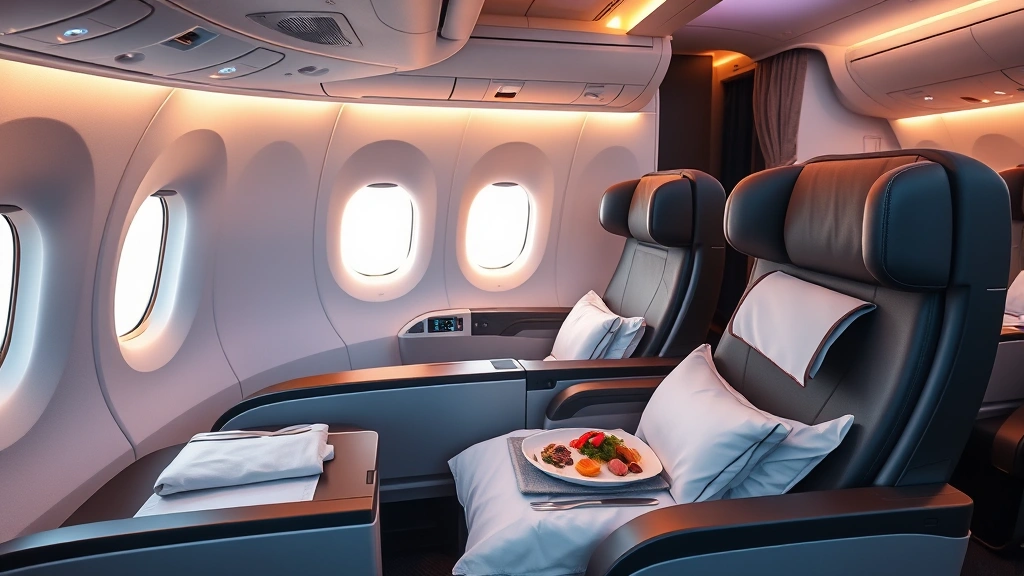
Business class on transatlantic flights represents a genuine upgrade worth considering, particularly when award miles or promotional pricing make it accessible. Air France’s business class features on-demand dining, direct aisle access seats that convert to fully flat beds, and comprehensive amenities including pajamas and premium toiletries. The cabin design encourages rest and productivity, transforming the overnight flight into restorative travel rather than endurance.
American Airlines’ Flagship Business offers similar lie-flat comfort with chef-prepared meals and premium bar service. The psychological benefit of arriving refreshed rather than exhausted often justifies premium pricing, particularly for important business trips or special occasions. You’ll board first, access superior lounges before departure, and enjoy priority baggage handling and ground transportation.
Premium economy represents the sweet spot for many travelers, offering lie-flat or substantially reclined seats at prices 50-70% cheaper than business class. JetBlue’s Mint product provides exceptional value—direct aisle access, lie-flat seats, and gourmet meals at prices often matching or beating traditional business class on competing airlines. Air France Premium Eco and American Airlines Premium Economy offer similar value propositions with enhanced meal service, extra baggage allowance, and priority boarding.
Standard economy class remains viable for fit travelers comfortable sitting upright, budget-conscious adventurers, or those with flexible itineraries allowing connection-based routing. Modern aircraft feature improved seat pitch and ergonomics compared to older generations, making long-haul economy increasingly tolerable. However, the 8-9 hour flight duration makes at least premium economy consideration worthwhile if budget permits.
Evaluate premium cabin pricing strategically. When business class fares drop to $3,000-4,000 roundtrip during sales—compared to $1,000-1,500 for economy—the marginal cost of $2,000-2,500 buys the ability to sleep, work, or relax genuinely. This investment pays dividends in avoiding jet lag, maximizing your Paris time, and returning home recovered rather than exhausted. For leisure travelers, premium economy offers the optimal balance of comfort enhancement and price sensitivity.
Money-Saving Tips
Master the art of flying on credit card points through premium travel rewards cards. Amex Platinum, Chase Sapphire Reserve, and similar premium offerings provide annual travel credits and transfer partners enabling transatlantic business class bookings for 50-70% of cash prices when converted to airline miles strategically. The annual fee often pays for itself with a single transatlantic upgrade.
Consider roundabout routings that connect through European hubs. Flying NYC to London, Amsterdam, or Frankfurt on budget airlines or with connections sometimes undercuts direct Paris fares, especially when combining carriers. This approach requires flexibility and tolerance for longer travel times, but can save $200-400 on fares while providing bonus city exploration.
Book open-jaw tickets entering Paris and exiting from another European city like London or Barcelona. When combined with exploring multiple European destinations, this routing often costs less than roundtrip Paris flights while enabling continental exploration. Budget airlines like Ryanair and EasyJet make intra-Europe repositioning remarkably cheap once you’ve crossed the Atlantic.
Join airline frequent flyer programs and accumulate miles for future bookings even if you’re not currently redeeming. Award availability often exceeds redemption value, particularly for off-peak travel. Earning status through credit card spending or concentrated flying unlocks lounge access, seat upgrades, and baggage allowances that enhance your experience.
Set flexible date searches spanning 5-7 day windows around your preferred travel dates. Price variations of $200-400 often exist between adjacent dates, and seeing the calendar view immediately reveals sweet-spot pricing. Midweek departures consistently undercut weekend pricing by meaningful margins.
Monitor airline bankruptcy sales and liquidation auctions when they occur. Occasionally, struggling carriers or route cancellations trigger fire-sale pricing on otherwise expensive routes. Following aviation news and deal websites ensures you catch these rare opportunities before inventory depletes.
Travel during your home country’s off-peak season when return flights from Paris cost less. Americans traveling in January-February benefit from lower return fares as fewer leisure travelers book Paris escapes. This approach sometimes cuts roundtrip costs by 25-35% compared to peak season equivalent travel.
Travel Preparation
Before booking your NYC to Paris flight, understand French visa requirements for your citizenship. US, Canadian, and most Western citizens enjoy visa-free entry for tourism up to 90 days, but must carry valid passports with 6+ months validity. Ensure your passport won’t expire within six months of your intended travel date, as many countries require this buffer.
Purchase travel insurance covering flight cancellations, medical emergencies, and baggage loss. Comprehensive plans typically cost $100-300 for transatlantic trips and provide invaluable protection against unexpected disruptions. When booking premium flights, ensure your insurance covers the full ticket value rather than just economy replacement cost.
Arrange ground transportation in advance. Book your airport transfer, whether that’s RER B train tickets, shuttle services, or car rentals, before arrival. This eliminates post-flight decision fatigue and often provides better rates than booking on-the-spot. For budget travel, the RER train represents excellent value at approximately €12 to central Paris.
Notify your bank and credit card companies of your international travel dates to prevent fraud blocks. International transactions occasionally trigger security holds, and advance notice prevents declined payments in critical moments. Carry multiple payment methods including at least one backup credit card and some euros for immediate expenses.
Download offline maps of Paris using Google Maps or similar applications, enabling navigation without expensive international data plans. Rent a portable wifi device or purchase a local SIM card at CDG airport for reliable connectivity. Many Paris hotels and cafés offer free wifi, reducing overall connectivity costs.
Research Paris attractions and neighborhoods using trusted travel guides to plan your itinerary strategically. Museums require advance booking during peak season, and popular restaurants fill weeks ahead. Planning ahead transforms spontaneous exploration into curated experiences balancing famous landmarks with authentic local discoveries.
Prepare for jet lag management by gradually shifting your sleep schedule 3-4 days before departure. If flying eastbound to Paris, gradually move your bedtime earlier, aligning with Paris time. Upon arrival, spend time outdoors in natural light, avoiding naps despite fatigue, helping your body adjust within 1-2 days rather than struggling through the week.
FAQ
How far in advance should I book NYC to Paris flights?
Book 8-12 weeks in advance for optimal pricing, though 2-3 months ahead remains excellent timing. Summer travel demands earlier booking (12+ weeks), while winter offers flexibility with competitive fares available 4-6 weeks out. Avoid booking within two weeks of departure unless specific circumstances force last-minute travel.
What’s the cheapest day to fly NYC to Paris?
Tuesday and Wednesday departures offer the lowest fares, typically 10-15% cheaper than Friday-Sunday options. Early morning (6-9 AM) and late evening (9 PM-midnight) departures undercut premium mid-morning times. Redeye flights offer additional savings while arriving in Paris morning, maximizing your first day.
Which airline offers the best transatlantic service?
Air France excels in customer service, meal quality, and route expertise, though premium pricing reflects this advantage. American Airlines and United provide reliable service at competitive prices. For budget-conscious travelers, Norse Atlantic Airways delivers surprising comfort at 30-50% fare discounts. Evaluate your priorities—luxury, reliability, or value—to select accordingly.
Is business class worth the extra cost?
When business class fares approach $3,500-4,500 (within $2,000-3,000 of economy), the upgrade justifies itself through superior sleep, meal quality, and arrival condition. For casual leisure travel on tight budgets, premium economy offers better value. Business class particularly appeals to frequent travelers accumulating miles or those receiving company travel allowances.
Can I find cheaper flights with connections?
Occasionally, one-stop routing via London, Amsterdam, or Frankfurt undercuts direct fares by $100-200, though longer travel times offset minimal savings. Open-jaw routing—flying into Paris and departing from another European city—often provides better value while enabling continental exploration. Evaluate total travel time against fare savings to determine if connections make sense.
What are the best travel months for Paris?
September-October and April-May offer optimal weather, manageable crowds, and competitive fares. July-August brings perfect weather but overwhelming crowds and premium pricing. November-February provides dramatic discounts with authentic Parisian experiences, though expect cold weather and shorter daylight. Your priorities—weather, crowds, or budget—determine the ideal season.
Do I need a visa for Paris as a US citizen?
US citizens enjoy visa-free entry to France for tourism up to 90 days, though your passport must remain valid for six months beyond your stay. You’ll need an ETIAS travel authorization (launching 2025) for visa-free travel, obtained online for approximately €7. Ensure documentation before departure.