Tampa to Vegas Flights: Top Travel Tips for Your Desert Adventure
The journey from Tampa to Las Vegas represents one of America’s most exciting travel routes, connecting Florida’s vibrant Gulf Coast with the electric energy of Sin City. Whether you’re planning a weekend escape, a business trip, or an extended vacation, understanding how to navigate flights from Tampa to Las Vegas will transform your travel experience from stressful to seamless. This comprehensive guide breaks down everything you need to know about booking, timing, and maximizing your trip across these two iconic destinations.
Las Vegas consistently ranks as one of the top domestic travel destinations, drawing millions of visitors annually who crave world-class entertainment, exceptional dining, and unforgettable experiences. The approximately 2,000-mile journey from Tampa International Airport (TPA) to Harry Reid International Airport (LAS) typically takes between 4.5 to 5.5 hours of flight time, making it an accessible adventure for weekend warriors and extended vacationers alike. Understanding the nuances of this route—from seasonal pricing fluctuations to the best booking windows—can save you hundreds of dollars and ensure you arrive refreshed and ready to explore.
Best Times to Book Your Flight
Timing is everything when booking flights from Tampa to Las Vegas. Research consistently shows that booking 1-3 months in advance provides optimal pricing for most domestic routes. For peak season travel (December holidays, spring break, summer vacation), extending your booking window to 8-12 weeks ahead can yield significant savings. Conversely, if you’re flexible with dates, booking last-minute flights during shoulder seasons (January, April, September, November) often reveals incredible deals as airlines adjust inventory.
Day-of-week pricing follows predictable patterns on this route. Tuesday and Wednesday departures typically offer the lowest fares, as business travelers and weekend tourists aren’t competing for seats. Friday through Sunday flights command premium prices, particularly evening departures. If your schedule permits, consider flying out on a Tuesday morning and returning on a Wednesday afternoon—this strategy can reduce your total flight costs by 20-40% compared to weekend travel.
Seasonal variations dramatically impact pricing. Summer months (June-August) see elevated fares due to family vacations and convention traffic. Winter holidays (December 20-January 2) are peak season with the highest prices of the year. However, the weeks immediately following New Year’s Day through mid-February offer exceptional value, as post-holiday travel demand plummets. Spring break season (mid-March through early April) brings another price spike, while late September through October represents an underrated sweet spot for affordable fares and pleasant weather conditions.
Airlines and Route Options
Several major carriers operate the Tampa-to-Las Vegas corridor, each offering distinct advantages. Southwest Airlines dominates this route with multiple daily flights, free checked baggage, and their famous open seating policy. Their point-to-point network means many Tampa-Vegas flights operate as direct services, though some routing through Denver or Phoenix occurs during peak periods. Southwest’s flexibility regarding date changes without penalties makes them ideal for travelers with uncertain schedules.
American Airlines, United Airlines, and Delta Air Lines also provide regular service on this route, often with competitive pricing during promotional periods. American typically offers connections through Dallas-Fort Worth or Charlotte, while United often routes through Denver or Houston. These carriers frequently provide superior frequent flyer earning opportunities for loyalty program members. If you’re accumulating miles toward future travel, comparing award rates across carriers might prove more valuable than focusing solely on base fare prices.
Budget carriers like Frontier and Spirit occasionally offer rock-bottom fares on this route, but their restrictive baggage policies and à la carte fee structures can eliminate apparent savings. Calculate total trip cost including carry-on bags, seat selection, and boarding priority before committing to ultra-low-cost carriers. Many travelers find that paying slightly more with legacy carriers actually provides better overall value when accounting for ancillary fees.
Direct flights from Tampa to Las Vegas are available daily, though the exact number fluctuates seasonally. Direct service eliminates connection risks and gets you to the Strip faster. However, connecting flights through hub cities like Denver, Phoenix, or Dallas sometimes offer lower fares. When considering connections, factor in the additional time, potential baggage handling delays, and increased fatigue. For most travelers, the convenience of direct service justifies a modest price premium over multi-leg journeys.
Money-Saving Strategies
Beyond basic booking timing, sophisticated travelers employ multiple tactics to minimize flight expenses. Setting up price alerts through Google Flights, Kayak, and Hopper provides notifications when fares drop below your target threshold. These tools track historical pricing patterns and predict future changes, alerting you to optimal booking windows for your specific travel dates. Checking alerts daily during your target booking window ensures you capture the best available fares.
Airline email newsletters and loyalty program communications often feature flash sales and member-exclusive discounts. Signing up for Southwest’s email list, for instance, frequently yields promotional offers for flights on your preferred routes. These sales typically run for 24-48 hours, requiring quick action but delivering savings of $50-150 per ticket. Setting calendar reminders to check airline websites on Tuesday afternoons—when many carriers release weekly sales—keeps you ahead of demand surges.
Consider whether flying into or out of alternative airports affects your total trip cost. While Tampa International serves the greater Tampa area most conveniently, nearby airports like Jacksonville (JAX) or even Fort Lauderdale (FLL) sometimes offer cheaper fares. Similarly, Las Vegas’s Harry Reid International is the primary option, but comparing fares across different date combinations occasionally reveals savings through unconventional routing. Tools like Google Flights’ flexible date search simplify this comparison process.
Bundling flights with hotel accommodations through airline websites or third-party booking platforms can unlock additional savings. Many carriers offer package deals combining airfare with hotel stays, particularly for Las Vegas destinations. These bundles often provide better value than booking components separately, especially when you factor in airline credit for ground transportation. However, always verify that bundled pricing actually beats independent bookings before committing.
If you’re interested in understanding broader travel economics, our guide on why flights are so expensive right now provides insight into industry factors affecting pricing across all routes. This knowledge helps you contextualize Tampa-Vegas fares within the broader market landscape.
Airport Navigation Tips
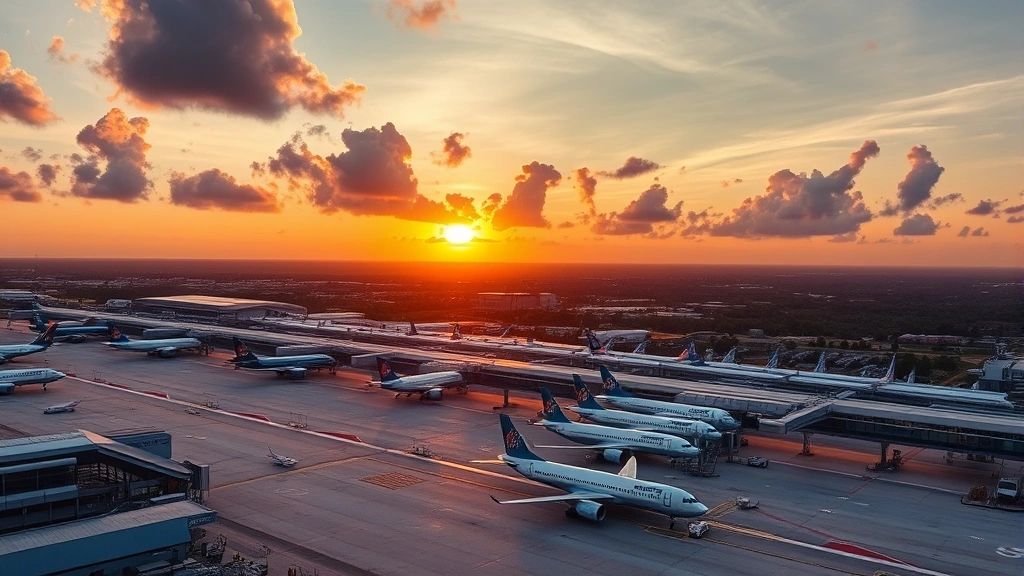
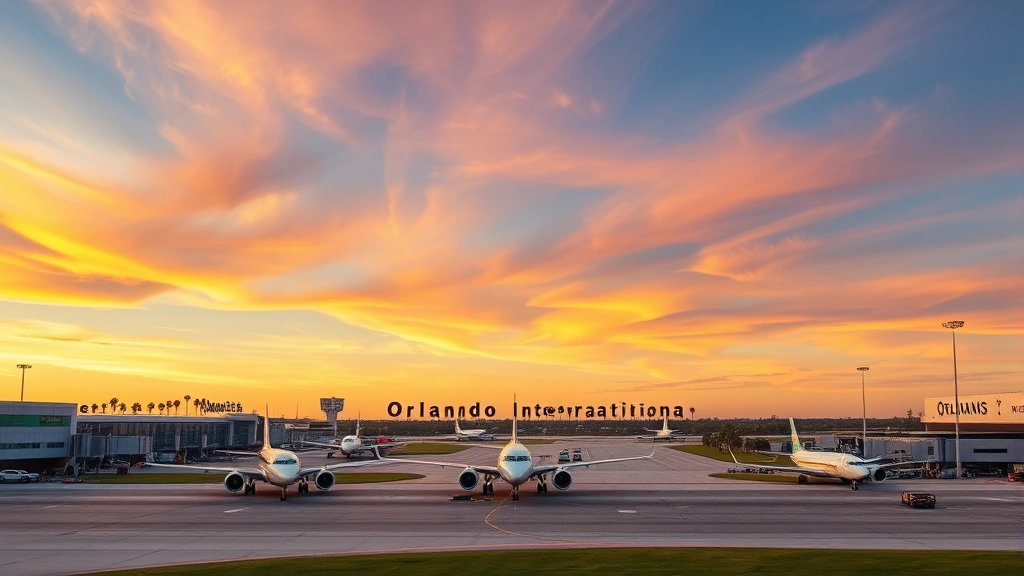
Tampa International Airport (TPA) consistently ranks among America’s best airports for passenger experience, but understanding its layout optimizes your travel flow. The main terminal features a distinctive architecture with a curved roadway and moving walkways. Arriving 2 hours before domestic departures allows comfortable time for check-in, security, and reaching your gate without rushing. TSA PreCheck or CLEAR membership accelerates security screening, particularly valuable during peak travel periods.
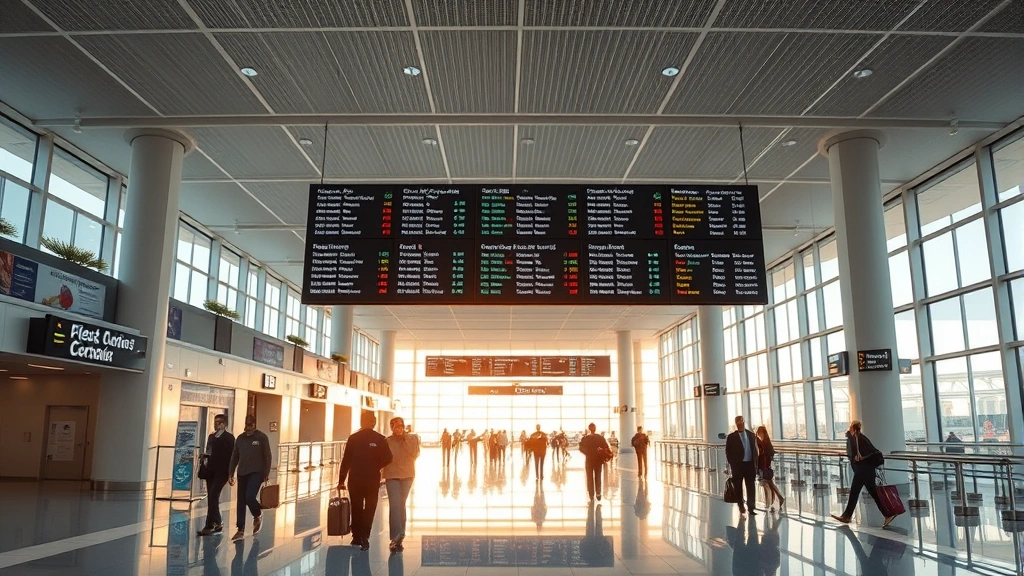
The security checkpoint at TPA features multiple lanes with varying wait times. Arriving early enough to choose less-congested lines saves 15-30 minutes. Once through security, Tampa’s post-security amenities include numerous restaurants, shops, and charging stations. The airport’s free WiFi network provides reliable connectivity for last-minute itinerary adjustments or communication with travel companions.
Harry Reid International (formerly McCarran) is one of America’s busiest airports, handling over 40 million passengers annually. Arriving 2.5 hours before domestic departures accounts for potential security delays during peak periods. The airport’s layout extends across multiple terminals with separate baggage claim areas for different airlines. Upon arrival, follow signage carefully to your airline’s baggage claim carousel. Harry Reid’s proximity to the Las Vegas Strip—approximately 5-7 miles—makes ground transportation readily available through taxis, rideshare, and rental cars.
Both airports offer TSA PreCheck enrollment centers where you can complete applications and biometric processing on-site. For frequent Tampa-Vegas travelers, the $78-85 five-year investment pays dividends through expedited security screening and reduced airport stress. CLEAR membership ($179 annually) provides expedited biometric identification, further streamlining security processes at both airports.
Pre-Flight Preparation
Successful Tampa-Vegas travel begins with thorough pre-flight planning. Check weather forecasts for both departure and arrival cities—Tampa’s subtropical climate occasionally produces thunderstorms that cause flight delays, while Las Vegas’s desert heat requires appropriate clothing and hydration preparation. Pack accordingly for both climates, remembering that Vegas’s dry heat differs dramatically from Florida’s humid conditions.
Verify your identification documents at least one week before departure. A valid driver’s license or passport is required for domestic flights. If your ID expires soon after travel, renew it beforehand to avoid complications. Check your airline’s baggage policies, particularly if flying budget carriers, to understand fees for checked bags, carry-on size restrictions, and special item handling.
Arrange ground transportation before arriving. Rental cars provide maximum flexibility for exploring beyond the Strip, while rideshare services like Uber and Lyft offer convenient point-to-point transportation. Many hotels offer complimentary airport shuttle services—verify this benefit when booking accommodations. Pre-arranging transportation eliminates decision-making fatigue upon arrival and often provides better rates than booking at the airport.
Notify your bank and credit card companies of travel dates to prevent fraud alerts that could compromise your ability to make purchases in Las Vegas. Download airline and hotel apps to consolidate confirmation numbers, boarding passes, and reservation details. Enable mobile boarding passes through your airline’s app for seamless check-in and boarding.

Ground Transportation in Vegas
Navigating Las Vegas efficiently requires understanding available transportation options. The famous Las Vegas Strip extends approximately 4 miles along Las Vegas Boulevard, connecting most major casinos and hotels. Walking the Strip provides iconic experiences but covers significant distances—comfortable shoes are essential. Many travelers walk during daylight hours and utilize transportation for evening exploration when distances feel longer.
Rideshare services dominate Vegas transportation, with Uber and Lyft offering reliable service from Harry Reid International to any Strip location for $15-25 depending on demand. During peak hours (Friday-Saturday evenings), surge pricing can elevate costs to $40-60. Pre-booking rides through the apps’ scheduled ride feature sometimes avoids surge pricing. Alternatively, taxis queue outside baggage claim areas with metered rates, typically $25-35 to Strip destinations.
Monorail systems connect several major properties along the Strip, offering an alternative to ground-level transportation. The Las Vegas Monorail provides express service between Downtown and the Strip, with day passes ($15) or multi-day passes ($35-50) available. This option works well for travelers staying at monorail-connected properties and planning multiple inter-property visits.
Rental cars make sense for travelers planning to explore beyond the Strip—Red Rock Canyon, Valley of Fire State Park, and Hoover Dam are popular day-trip destinations. Major rental companies operate at Harry Reid International with competitive daily rates ($30-60), though parking fees at hotels ($15-30 daily) should factor into your calculations. For Strip-focused vacations, rental cars introduce unnecessary expense and parking hassles.
Maximizing Your Vegas Experience
Beyond flights and logistics, strategic planning elevates your Las Vegas adventure. The Strip’s iconic casinos and entertainment venues operate 24/7, but timing visits strategically enhances experiences. Visiting popular attractions like the Bellagio Fountains during off-peak hours (weekday afternoons) avoids crushing crowds. Show tickets, dining reservations, and attraction passes booked in advance typically offer better rates than purchasing day-of.
Las Vegas offers diverse experiences beyond gaming and nightlife. The Neon Museum preserves vintage casino signs, providing fascinating glimpses into Vegas’s cultural history. The Mob Museum explores the city’s organized crime connections through interactive exhibits. Cirque du Soleil productions showcase acrobatic artistry, with multiple shows running simultaneously across different venues. Natural attractions like Red Rock Canyon, located 20 miles west of the Strip, offer hiking, scenic drives, and stunning desert landscapes—a dramatic contrast to urban Vegas energy.
Culinary experiences in Las Vegas rival any major city, with celebrity chefs operating restaurants throughout the Strip. Michelin-starred establishments like Mizumi and Mizumi share space with casual excellence from chefs like Wolfgang Puck and José Andrés. Buffets, once Vegas staples, have evolved into specialized experiences focusing on specific cuisines rather than all-you-can-eat generality. Research dining options aligned with your preferences and budget, booking reservations well in advance for peak-demand restaurants.
Budget considerations dramatically impact Vegas enjoyment. Setting daily spending limits for gaming, entertainment, and dining prevents overspending in the excitement of the moment. Many travelers find that treating show tickets and dining reservations as pre-paid experiences—booked and budgeted before arrival—helps maintain financial discipline. Complimentary attractions like the Bellagio Fountains, Mirage Volcano, and people-watching on the Strip provide entertainment without expenditure.
If you’re considering alternative travel routes, exploring flights from Chicago to Denver or Boston to Denver flights might reveal interesting multi-city itineraries combining Vegas with mountain destinations. Similarly, Denver to Orlando flights could facilitate extended journeys connecting multiple regions across your vacation timeframe.
For travelers seeking adventure beyond traditional Vegas experiences, best road trips in USA provides inspiration for combining your Vegas visit with broader American travel exploration. Multi-city itineraries often deliver more memorable experiences than single-destination trips, allowing you to experience diverse landscapes and cultures within one vacation.
FAQ
How far in advance should I book Tampa to Las Vegas flights?
Ideally, book 1-3 months in advance for optimal pricing. During peak seasons (holidays, spring break, summer), extend your booking window to 8-12 weeks. For last-minute travel during shoulder seasons, excellent deals emerge within 1-2 weeks of departure.
What’s the average flight time from Tampa to Las Vegas?
Direct flights typically require 4.5 to 5.5 hours of flight time. Connecting flights add 2-4 hours depending on layover duration and routing. Direct service is recommended for most travelers seeking efficiency and reduced fatigue.
Which airlines offer the best Tampa to Vegas service?
Southwest Airlines dominates this route with multiple daily flights and passenger-friendly policies. American, United, and Delta also provide regular service with competitive pricing. Compare options based on your priorities: price, flight times, loyalty program benefits, or baggage policies.
What day of the week offers the cheapest flights?
Tuesday and Wednesday departures typically offer the lowest fares. Friday through Sunday flights command premium prices. If your schedule permits flexibility, shifting travel by just one or two days can generate substantial savings.
Is TSA PreCheck worth getting for frequent Tampa-Vegas travel?
Yes, TSA PreCheck ($78-85 for five years) provides expedited security screening at both Tampa and Las Vegas airports. For travelers flying this route quarterly or more frequently, the investment pays dividends through reduced airport stress and faster security processing.
Should I rent a car in Las Vegas?
Rental cars make sense for travelers planning to explore beyond the Strip—Red Rock Canyon, Valley of Fire, Hoover Dam, and other regional attractions benefit from independent transportation. For Strip-focused vacations, rideshare services and monorail systems provide more economical options than paying daily parking fees.
What’s the most economical ground transportation from Harry Reid International to the Strip?
Rideshare services (Uber/Lyft) typically cost $15-25 depending on demand, with surge pricing elevating costs during peak hours. Taxis offer metered rates around $25-35. Pre-booking scheduled rides through rideshare apps sometimes avoids surge pricing. For budget-conscious travelers, shared shuttle services occasionally offer rates under $15 per person.
What time should I arrive at Tampa International for my Vegas flight?
Arrive 2 hours before domestic departures for standard security screening. If you have TSA PreCheck or CLEAR, 90 minutes typically suffices. During peak travel periods, arriving 2.5 hours early provides a safety margin against unexpected delays.