
Cheapest Flights from Reno to Vegas: Insider Tips for Maximum Savings
The journey from Reno to Las Vegas represents one of the most popular short-haul routes in the American West, yet many travelers overpay significantly for this brief 440-mile hop. Whether you’re planning a weekend escape, attending a special event, or exploring the iconic desert destinations of Nevada, understanding the nuances of booking flights from Reno to Vegas can save you hundreds of dollars. This comprehensive guide reveals insider strategies used by frequent travelers and budget-conscious adventurers to secure the absolute lowest fares on this highly competitive route.
The Reno-Las Vegas corridor presents unique opportunities for savvy travelers. Unlike major hub-to-hub routes, this regional connection experiences seasonal fluctuations, promotional pricing, and airline competition that creates windows of exceptional value. By mastering the timing, platforms, and booking tactics outlined in this guide, you’ll transform your travel budget and unlock more resources for experiencing everything these vibrant Nevada cities offer.
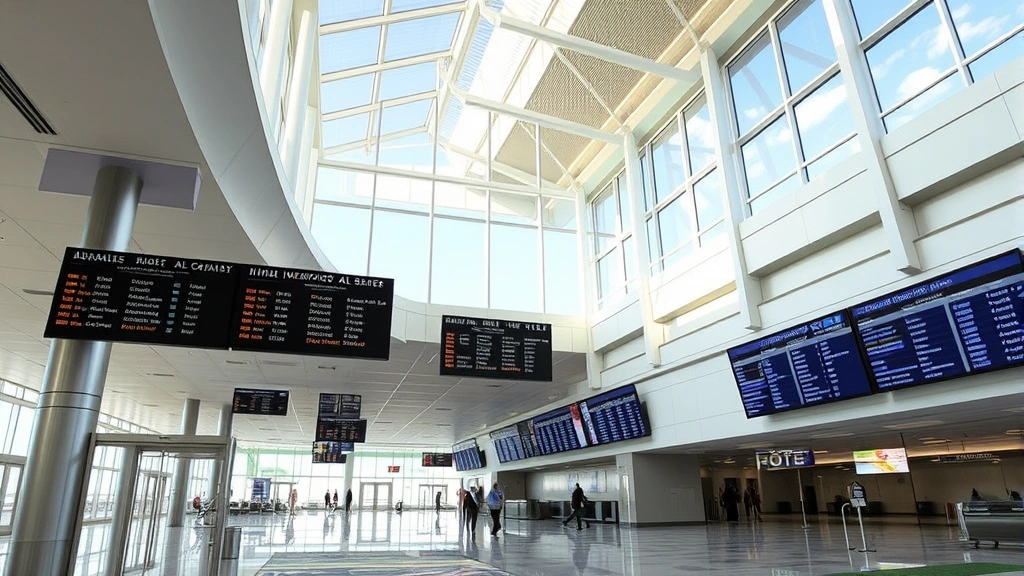
Understanding the Reno-Vegas Flight Market
The aviation landscape between Reno-Tahoe International Airport (RNO) and Harry Reid International Airport (formerly McCarran, LAS) creates fascinating pricing dynamics. This route typically features multiple carriers competing aggressively, which theoretically benefits consumers but often confuses travelers about where genuine deals exist. Southwest Airlines, United, and occasionally budget carriers like Frontier dominate this corridor, each employing different pricing strategies.
Reno serves as a gateway to Lake Tahoe’s ski resorts, making winter travel particularly competitive. Vegas attracts year-round visitors, but distinct seasons dramatically impact pricing. Understanding these market forces helps you anticipate price movements rather than reacting to them. The short distance—just 45 minutes of flight time—means airlines can’t justify premium pricing through convenience as they might on longer routes. This creates opportunities for aggressive discounting, especially during off-peak periods.
Several factors influence pricing on this route beyond standard supply-and-demand economics. Convention schedules in Las Vegas, ski season in Tahoe, holiday periods, and special events like New Year’s Eve, Super Bowl weekends, and major concert tours all create demand spikes. When you’re not traveling during these peak windows, substantial savings become available. Additionally, the rise of remote work has smoothed some seasonal variations, as business travelers now have more flexibility to avoid peak periods.
Comparing this route to similar regional flights, like Houston to Denver flights, reveals common patterns in short-haul pricing. These regional routes typically see less variation than cross-country flights but more dramatic swings than major hub connections. The competitive environment means carriers frequently adjust pricing based on load factors and competitor moves.

Optimal Booking Timing and Seasonal Strategies
The golden rule of airfare purchasing—book 3-6 weeks in advance—applies differently to the Reno-Vegas route. While this timeframe remains relevant, the short distance and regional nature create compressed booking windows. Research indicates that booking 2-4 weeks ahead often yields optimal pricing for this specific corridor, with occasional exceptions during peak travel periods when advance booking 6-8 weeks becomes necessary.
Seasonal pricing patterns follow predictable cycles. Winter months (December through February) command premium pricing due to ski season demand and holiday travel. Spring offers moderate pricing with occasional deals as airlines test demand. Summer sees elevated fares driven by vacation travel and convention activity. Fall presents the most consistent bargain hunting opportunities, particularly September through early November, when demand softens but weather remains pleasant in both destinations.
The week of Thanksgiving and Christmas represents the absolute worst time to book this route, with prices often tripling from baseline rates. Similarly, Super Bowl weekend, New Year’s Eve, and major conference dates drive significant premiums. Conversely, booking travel for late April, early September, or mid-October frequently reveals fares 40-60% below peak pricing. The specific dates matter enormously—a Tuesday departure in off-season can cost half the price of a Friday departure during peak season.
Day-of-week pricing patterns show Tuesday and Wednesday departures consistently cheaper than Friday through Sunday options. This pattern holds across most seasons, though the differential narrows during peak demand periods. Early morning departures (6-8 AM) typically offer lower fares than afternoon or evening flights, as business travelers and casual tourists prefer midday options.
Platform Comparison and Price Monitoring
Not all flight search platforms display identical prices, despite claims of comprehensive searches. Google Flights, Kayak, and Skyscanner each utilize different backend systems and partnership arrangements that occasionally result in price variations of $20-50 for identical flights. For Reno-Vegas routes specifically, checking multiple platforms before booking becomes essential. Google Flights excels at price tracking and historical data visualization, while Kayak’s flexible search options work particularly well for regional routes.
Setting up price alerts across multiple platforms provides passive savings. Google Flights, Hopper, and Kayak all offer alert systems that notify you when prices drop for your specific route. For Reno-Vegas flights, setting alerts 4-6 weeks before your intended travel date captures most favorable price movements. These tools track historical pricing patterns and predict future trends, alerting you when the algorithm identifies genuine deals versus normal fluctuations.
Incognito browsing remains relevant despite some debate about its effectiveness. While airlines no longer show higher prices based on search history alone, clearing cookies prevents dynamic pricing algorithms from tracking your search patterns and potentially adjusting prices upward. This simple habit costs nothing and provides a minor but measurable advantage in competitive markets.
Direct airline websites occasionally offer exclusive deals not visible through third-party platforms. Southwest’s “Crazy Fares” promotions and United’s flash sales sometimes provide better pricing than aggregators display. Following airlines’ social media accounts and subscribing to their email newsletters ensures you capture these time-limited opportunities. The combination of third-party platform monitoring and direct airline tracking creates a comprehensive pricing intelligence system.
For those planning multiple trips, investigating flights from Houston Texas to Las Vegas Nevada and similar routes reveals broader market trends affecting regional aviation pricing across the western United States.
Airline-Specific Deals and Loyalty Programs
Southwest Airlines dominates the Reno-Vegas route with multiple daily flights and no baggage fees, making their fares competitive even when base prices appear slightly higher than competitors. Their Rapid Rewards program accumulates points quickly on short flights, and frequent flyers can sometimes redeem round-trip tickets for $100-150 in points, effectively making flights free. Their “Transfarency” pricing policy means no hidden fees, which sometimes results in better total prices despite higher base fares.
United Airlines operates this route with varying frequency depending on season, often offering lower base fares than Southwest. United’s MileagePlus program rewards short-haul flights generously, and elite members enjoy perks like free upgrades and priority boarding. For loyalty program members, United occasionally releases companion passes that enable booking two passengers for the price of one.
Budget carriers like Frontier and Spirit occasionally service this route during peak seasons, offering base fares significantly lower than legacy carriers—sometimes 30-50% cheaper. However, their strict baggage policies and additional fees require careful calculation. A $99 Frontier flight becomes $150+ after baggage, seat selection, and other charges, potentially exceeding Southwest’s all-inclusive pricing.
Airline partnerships create additional opportunities. American Airlines partners with Southwest on certain routes, sometimes allowing mile redemptions across both carriers. Credit card partnerships with airlines provide sign-up bonuses worth $500-1000 in flight value, making them valuable for frequent travelers. Chase Sapphire Preferred and American Express Platinum both offer substantial travel credits applicable to airfare.
Mistake fares—pricing errors that airlines honor before corrections—occasionally appear on this route. Following airfare deal websites like Secret Flying, Scott’s Cheap Flights, and The Points Guy ensures you capture these rare opportunities. These sites specialize in identifying and publicizing pricing anomalies within hours of discovery.
Alternative Routes and Ground Transportation
While direct flights from Reno to Vegas represent the obvious choice, creative routing sometimes yields savings. Occasionally, flying Reno to Los Angeles then connecting to Vegas costs less than direct flights, particularly when Southwest or United offer cheap LAX-LAS segments. These itineraries add 3-4 hours to your journey but can save $30-80 per person, which justifies the additional time for budget-conscious travelers.
Ground transportation alternatives deserve serious consideration for this route. The drive from Reno to Las Vegas takes approximately 7-8 hours, but rideshare services, rental cars, and coach buses offer viable alternatives to flying. Megabus and Greyhound occasionally offer fares under $30 one-way, though travel time extends to 10+ hours. For travelers with flexible schedules and lower time value, these options deserve evaluation.
Rental car strategies from either city can create unexpected value. Sometimes flying into Las Vegas and renting a car to drive to Reno (or vice versa) costs less than round-trip flights, particularly when comparing budget airline fares to rental car promotions. This approach requires flexibility and willingness to drive, but the savings can exceed $100 per person.
Ride-sharing services like Uber and Lyft operate between Reno and Vegas, though surge pricing during peak hours makes these expensive options. However, during off-peak periods, shared rides sometimes cost less than flight base fares, though total time investment increases dramatically.
Exploring similar routes like Houston to Cancun flights reveals that ground transportation alternatives matter less on longer routes, but for this regional corridor, driving and bus services genuinely compete with flying on cost basis.
Advanced Booking Techniques
Booking one-way tickets separately sometimes undercuts round-trip pricing, particularly when outbound and return flights have different demand patterns. While this approach requires more effort and prevents airline bundling benefits, it occasionally saves $40-100 per person. However, this strategy carries risk—if your outbound flight is delayed, you’ll miss your separately-booked return flight without airline protection.
Hidden city ticketing—booking a flight with a connecting city as your actual destination—theoretically applies to Vegas-Reno routes but presents practical challenges. Airlines prohibit this practice, and baggage complications make it impractical for most travelers. Legitimate hidden city opportunities rarely appear on short routes where direct flights dominate.
Bidding for upgrades through airline websites provides free or low-cost premium cabin access. Southwest offers free upgrades through their A-List status, while United allows elite members to bid for first-class upgrades. For a 45-minute flight, first-class benefits seem minimal, but free upgrades cost nothing and provide marginal comfort improvements.
Using airline miles strategically creates massive savings for frequent flyers. Short-haul flights like Reno-Vegas often represent the best value for award redemptions, costing 5,000-12,500 miles depending on airline and season. If you’ve accumulated miles from credit card sign-up bonuses or previous travel, redeeming them on this route stretches your miles value.
Booking flexibility tools available on most platforms allow searching entire months at once, revealing pricing patterns. This approach identifies the cheapest travel days within your desired month, enabling strategic date adjustments. For those with flexible schedules, this technique consistently identifies fares 20-40% below average pricing.
Day-of-Week and Time Strategies
Tuesday through Thursday departures consistently offer the lowest fares on this route, with Wednesday typically representing the absolute cheapest option. This pattern reflects business travel preferences—weekday business travelers create demand on Monday-Friday mornings, leaving midweek departures underutilized. Friday through Sunday departures command 20-40% premiums as leisure travelers book weekend trips.
Early morning departures (6-8 AM) and late evening flights (after 9 PM) feature lower prices than convenient midday options. While 6 AM departures require early airport arrival and late evening flights create inconvenient arrival times in Vegas, the fare savings sometimes justify the schedule sacrifice. Red-eye flights arriving in Vegas after midnight offer particularly aggressive discounting, sometimes 30-50% below standard pricing.
Connecting flights occasionally cost less than direct options, though the time investment rarely justifies modest savings on this route. Phoenix Sky Harbor occasionally serves as a connecting hub for budget-conscious travelers, though the additional 2-3 hours rarely proves worthwhile unless savings exceed $60-80.
Time-of-purchase matters beyond booking window length. Booking between 10 PM and 3 AM occasionally yields slightly better prices, as airlines adjust pricing algorithms during off-peak hours. This pattern proves marginal compared to booking timing and seasonal factors, but every advantage compounds when pursuing maximum savings.
For those planning multiple regional trips, understanding broader market patterns visible in New York to Paris flights and flights from Chicago to Orlando reveals how short-haul and long-haul pricing strategies differ, though fundamental principles of advance booking and off-peak travel apply universally.
Combining multiple strategies creates compound savings. Booking a Tuesday departure in September using airline miles earned from a credit card sign-up bonus while flying early morning and using an airline loyalty program discount code can reduce effective costs to near-zero. The effort of coordinating these factors pays dividends for frequent travelers.
Maximizing Your Vegas Experience on a Budget
Once you’ve secured cheap flights from Reno to Vegas, extending your savings through strategic destination planning multiplies your budget advantages. Vegas offers abundant free attractions—the Fountains at Bellagio, the Volcano at the Mirage, and street performances throughout the Strip cost nothing. Timing visits during happy hours and early-bird specials on dining and entertainment further extends your budget.
Staying in downtown Las Vegas or off-Strip properties dramatically reduces accommodation costs compared to luxury Strip resorts. Fremont Street, the historic downtown casino district, offers authentic Vegas character and budget-friendly options. The Deuce bus system connects downtown to the Strip affordably, making this strategy logistically viable.
Taking advantage of casino promotions, free play credits, and loyalty programs transforms gambling from pure expense into subsidized entertainment. Most casinos offer free hotel night certificates and dining credits to loyalty program members, effectively providing free accommodations and meals.
Researching Boston to Dublin flights and other international routes reveals that regional domestic routes like Reno-Vegas often offer better value than international options, making domestic adventure travel the smart budget choice for travelers in the western United States.
Planning day trips from Vegas to natural attractions like Red Rock Canyon, Valley of Fire, and the Hoover Dam provides memorable experiences without expensive guided tours. These destinations remain accessible via affordable rental cars or ride-sharing services, offering adventure and natural beauty that complement Vegas’s urban excitement.