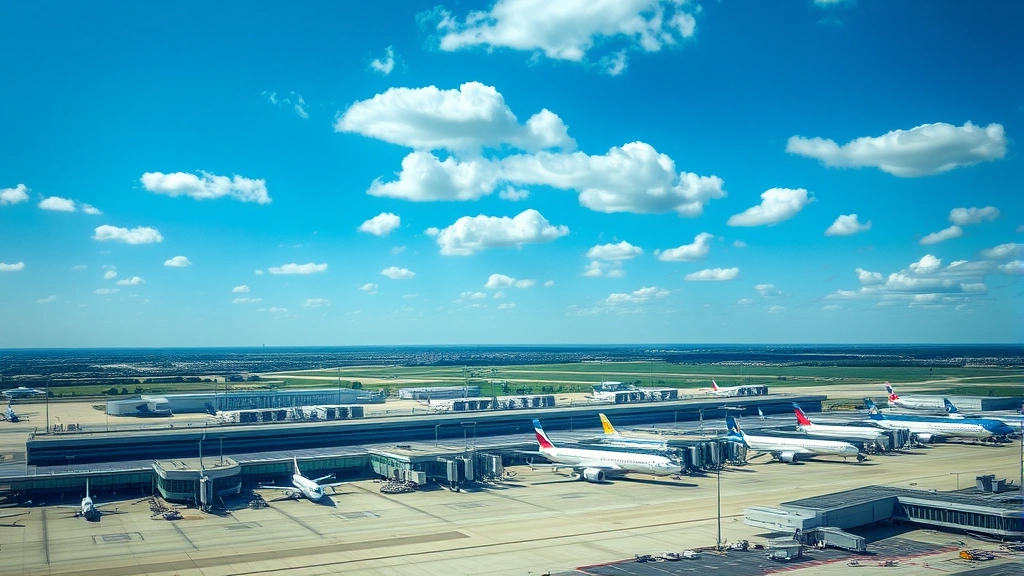
Flying from Dallas to San Antonio is one of the shortest domestic routes in the United States, covering just 200 miles between two of Texas’s most vibrant cities. Whether you’re heading to the Alamo, exploring the River Walk, or catching a business meeting, finding affordable flights is essential for budget-conscious travelers. This comprehensive guide reveals insider strategies to secure the cheapest flights from Dallas to San Antonio, along with practical tips that seasoned travelers swear by.
The Dallas to San Antonio corridor sees consistent traffic from business travelers, families visiting relatives, and tourists exploring Texas’s cultural heartland. However, many passengers overpay simply because they don’t know where to look or when to book. By understanding airline pricing patterns, booking windows, and alternative transportation options, you can save significantly on this popular route.

Understanding the Dallas-San Antonio Flight Market
The Dallas-San Antonio route connects two major Texas hubs with distinct characteristics. Dallas, served primarily by Dallas/Fort Worth International Airport (DFW) and Dallas Love Field (DAL), functions as a major airline hub. San Antonio International Airport (SAT) operates as a smaller regional airport, which actually works in your favor when hunting for deals. This asymmetrical market creates unique pricing opportunities that savvy travelers exploit.
Flight times average just 50-60 minutes, making this one of America’s shortest commercial routes. The brevity of the flight means airlines operate smaller aircraft and higher-frequency departures, increasing competition and creating more opportunities to find bargain fares. Unlike longer routes where airlines can sustain higher prices, the Dallas-San Antonio corridor demands competitive pricing.
Understanding seasonal demand patterns is crucial. Peak travel seasons include spring break (March-April), summer vacation (June-August), and the winter holidays (December). Business travel peaks on Tuesday through Thursday mornings and Sunday evenings. Conversely, Tuesday and Wednesday afternoons typically see lower demand, which translates to cheaper fares. The sweet spot for finding deals is usually Tuesday afternoon departures or Wednesday morning flights.

Best Times to Book Flights
Booking timing dramatically impacts your ticket price. Research from major travel platforms shows that domestic flights are typically cheapest when booked 1-3 months in advance. For the Dallas-San Antonio route specifically, booking 6-8 weeks ahead often yields the best prices. However, this short route occasionally shows different patterns than longer flights.
The day of the week matters significantly. Tuesday and Wednesday tend to offer the lowest fares because business travelers book earlier and leisure travelers prefer weekend travel. Airlines adjust pricing based on remaining seat inventory, so booking on days when demand is historically low gives you an advantage. Avoid booking on Friday afternoons, Sunday evenings, and Monday mornings—these are peak business travel times when prices spike.
Time of day also influences pricing. Early morning flights (6-8 AM) are typically cheaper than mid-day options, though they require waking early. Red-eye flights are less common on this short route, but when available, they sometimes offer savings. Afternoon flights (2-5 PM) often fall into a middle price range, while evening departures (6-9 PM) frequently command premium prices during weekdays.
Set up price alerts on multiple platforms at least 2-3 months before your travel date. This allows you to monitor trends and identify when prices drop. Many travelers wait for flash sales or sudden price reductions, which happen when airlines need to fill seats quickly. Having alerts enabled ensures you never miss these opportunities.
Airlines Operating This Route
Southwest Airlines dominates the Dallas-San Antonio route with multiple daily departures from both DFW and Love Field. Their point-to-point model and frequent service create competitive pricing. Southwest’s two free checked bags policy and flexible booking options make them attractive even at slightly higher base fares. Compare Southwest fares with other carriers before automatically booking with them.
American Airlines operates this route through their Dallas hub, offering competitive pricing and frequent departures. As a legacy carrier with hub operations in Dallas, American often has more flights than competitors, which can translate to better deals during off-peak times. Their frequent flyer program benefits regular travelers between these cities.
Budget carriers like Frontier and Spirit occasionally serve this route, though availability is inconsistent. When they operate, they offer rock-bottom base fares—sometimes $40-60 one-way—but charge for everything else: carry-on bags, seat selection, boarding priority. Calculate total costs including fees before assuming budget airlines are cheaper. Sometimes a Southwest or American flight with included baggage costs less overall.
United Airlines provides additional options, particularly from DFW. Their pricing varies seasonally, but they frequently offer competitive rates. Check their flight options and service details to understand what’s included in various fare classes.
Money-Saving Strategies for Budget Travelers
Being flexible with your travel dates can yield substantial savings. If you can shift your trip by even one day, you might find fares 30-50% cheaper. Use flexible date search tools on Google Flights or Kayak to see price variations across a calendar month. Many travelers waste money by locking into specific dates without checking alternatives.
Consider flying from Dallas Love Field (DAL) instead of DFW, or vice versa. Love Field has fewer international routes but excellent domestic service with Southwest, American, and others. Sometimes one airport offers significantly better prices than the other for the same flight. Comparing both Dallas airports takes five minutes but could save $50-100 on round-trip tickets.
Use incognito mode when searching for flights. Airlines and travel platforms track your searches and sometimes raise prices for repeat visitors. Open a new incognito browser window each time you search to avoid this dynamic pricing manipulation. This simple trick prevents the “we see you’re interested” price increases that plague many booking platforms.
Sign up for airline newsletters and follow their social media accounts. Southwest and American regularly offer flash sales to email subscribers, with deals appearing 24-48 hours before departure. These sales often feature prices 20-40% below standard rates. Missing these notifications costs you significant money over time.
Book round-trip instead of one-way tickets whenever possible. Counter-intuitively, round-trip fares on this route are often cheaper than buying one-way tickets separately. Airlines use round-trip pricing to lock in customers and fill seats in both directions. If you need flexible return dates, book the round-trip anyway and use only the outbound flight (though check airline policies first).
Comparing Flight Prices Across Platforms
Don’t rely on a single booking platform. Google Flights, Kayak, Skyscanner, and Momondo all aggregate different airline inventory and sometimes show different prices for identical flights. Spend 10 minutes checking all major platforms—this effort frequently uncovers savings of $20-50 per ticket.
Check airline websites directly. Many carriers offer web-exclusive fares not displayed on third-party sites. Southwest and American both have competitive direct booking options. Visit their sites after checking aggregator platforms to ensure you’re not missing better deals.
Use price comparison tools that track historical data. Hopper and similar apps show whether current prices are good, average, or poor compared to historical norms. This context prevents you from buying at peak prices thinking you’ve found a deal. Understanding price patterns helps you time your booking perfectly.
Consider hidden city ticketing carefully—booking through an intermediate destination to reach San Antonio at a lower price. While technically possible, this violates airline terms of service and can result in account bans or legal issues. The savings rarely justify the risk. Stick to legitimate booking methods.
Alternative Transportation Options
Before booking flights, evaluate ground transportation. The Dallas-San Antonio drive takes approximately 4 hours via I-35, making it competitive with flying when you factor in airport arrival times, security, baggage claim, and rental car costs. Driving costs roughly $40-60 in gas for a one-way trip, plus parking.
Megabus and similar intercity bus services offer fares as low as $15-25 one-way, though trips take 4.5-5 hours. For budget-conscious travelers without tight schedules, buses provide genuine savings. The downside is limited amenities and longer travel times, but for some trips, this trade-off makes sense.
Amtrak’s Texas Eagle route doesn’t directly serve San Antonio from Dallas, limiting rail options. However, checking rail alternatives occasionally reveals promotions. Compare your travel options across all transportation modes rather than assuming flights are always cheapest.
Ride-sharing with friends or coworkers splits costs effectively. If you’re not traveling alone, splitting gas with companions reduces per-person expenses significantly. For business travelers, employer-sponsored transportation programs sometimes offer negotiated rates on flights or ground transportation.
Maximizing Loyalty Programs and Discounts
Frequent flyer programs offer substantial value on this route. Southwest Rapid Rewards, American AAdvantage, and United MileagePlus members earn points quickly on short flights. If you’re a member, redeeming points for this route sometimes costs fewer miles than longer flights, making it an excellent value use of your points.
Credit card bonuses can effectively subsidize your flights. Travel-focused credit cards offer sign-up bonuses worth $500-1000 in travel value. If you meet spending requirements naturally, the bonus covers multiple Dallas-San Antonio flights entirely. Use this strategy responsibly—only apply for cards if you’ll genuinely benefit from their ongoing rewards.
Check if your employer offers corporate travel programs. Many companies negotiate discounted rates with major airlines. Your HR department can provide access codes that unlock 5-15% savings on published fares. This benefit often goes unused because employees don’t know it exists.
Military personnel, students, seniors, and other groups qualify for discounts. The verification process varies by group, but these discounts typically save 5-10%. Check your eligibility and keep verification documents handy when booking.
Tips for Finding Hidden Deals
Subscribe to deal aggregator sites like Secret Flying and Scott’s Cheap Flights. These services send alerts when airlines drop prices significantly below normal levels. The Dallas-San Antonio route occasionally appears in flash sales, and having notifications ensures you catch these opportunities.
Follow Southwest and American on social media. Twitter and Instagram often feature time-limited sales not promoted through other channels. Airlines test promotions on social media before wider distribution, giving followers early access to the best deals.
Check for abandoned booking cart deals. Some booking platforms send email offers to users who started bookings but didn’t complete them. These emails sometimes include discount codes. If you’re researching flights, starting a booking without completing it might trigger a promotional offer.
Consider booking through travel agencies, particularly those specializing in corporate or group travel. They sometimes access negotiated rates unavailable to individual bookers. For frequent travelers, building a relationship with a travel agent can unlock consistent savings.
Use airline error fares when they appear. Occasionally, airlines misprice routes due to technical glitches. Deal-hunting communities share these errors, and booking quickly before airlines correct the mistake yields incredible savings. Check sites like Slickdeals or FlyerTalk for these rare opportunities.
Book connecting flights through a third hub if prices are significantly cheaper. Flying Dallas to Houston to San Antonio might cost less than direct service, though it takes longer. This strategy works occasionally but requires careful calculation of your time’s value versus monetary savings.
The Dallas-San Antonio route’s short distance and high competition create consistent opportunities for budget-conscious travelers. By implementing these strategies—booking at optimal times, comparing platforms, staying flexible, and leveraging loyalty programs—you can regularly find competitive fares similar to other regional routes. Many travelers report paying $80-120 round-trip by combining several of these tactics, while uninformed bookers pay $200-300 for identical flights.
Remember that the cheapest option isn’t always the best option. Factor in convenience, included amenities, and your time’s value. Sometimes paying $20-30 more for a direct flight with no baggage fees saves money compared to a cheaper option with multiple fees and longer travel times. Smart booking combines price awareness with practical decision-making.
FAQ
What’s the average price for flights from Dallas to San Antonio?
Average prices range from $100-200 round-trip for economy fares, though booking strategically can reduce this to $80-120. Peak season fares reach $250-350. Prices fluctuate based on booking timing, day of week, and season, so there’s no single “average.”
How far in advance should I book Dallas to San Antonio flights?
Booking 6-8 weeks in advance typically offers the best prices for this route. However, this short route sometimes shows better last-minute deals than longer flights. Set up price alerts to monitor trends rather than booking blindly at a specific advance period.
Are there direct flights from Dallas to San Antonio?
Yes, multiple airlines offer direct flights. Southwest and American operate frequent direct service from both Dallas airports. Direct flights take 50-60 minutes and are preferable to connections unless the connecting option saves substantial money.
Which Dallas airport is cheaper for flights to San Antonio?
Prices vary by date and airline, but there’s no consistent cheaper airport. Love Field (DAL) often shows competitive prices with Southwest, while DFW has more American Airlines options. Always compare both airports when searching.
Can I drive cheaper than flying Dallas to San Antonio?
Possibly. A 4-hour drive costs roughly $40-60 in gas plus parking and vehicle wear. Flying costs $80-150 minimum plus airport parking and ground transportation. Driving saves money but requires more time. For groups, driving’s cost-per-person advantage increases.
What days have the cheapest Dallas to San Antonio flights?
Tuesday and Wednesday typically offer the lowest fares, particularly afternoon departures. Avoid Friday afternoons, Sunday evenings, and Monday mornings when business travel peaks and prices spike accordingly.
Do Southwest and American offer better deals on this route?
Both airlines operate frequently on this route, creating competition that benefits consumers. Southwest’s included baggage and flexible booking appeal to many travelers, while American’s hub presence in Dallas sometimes yields competitive pricing. Compare both before booking.
Is it cheaper to book round-trip or one-way flights?
Round-trip fares are typically cheaper than buying two one-way tickets, even though it seems counterintuitive. Airlines use round-trip pricing to lock in customers. Book round-trip when possible, even if you only use one direction.
How much can I save by flying on a Tuesday instead of Friday?
Tuesday flights frequently cost 20-40% less than Friday flights on this route. The difference isn’t always consistent, but historically, mid-week departures offer substantial savings. Price monitoring reveals specific savings for your dates.
Are budget airlines cheaper for this route?
Budget carriers like Frontier and Spirit offer low base fares ($40-60) but charge for everything else. Calculate total costs including bags, seats, and boarding before assuming budget airlines are cheaper. Sometimes full-service carriers cost less overall.