Best Flights: Atlanta to DC? Insider Picks for Smart Travelers
Planning a trip from Atlanta to Washington DC? You’re in luck. This route is one of the most competitive and well-served corridors on the East Coast, offering travelers exceptional options at various price points. Whether you’re heading to the nation’s capital for business, history buffs, or a quick weekend getaway, finding the right flight can make or break your travel experience. The good news? With the right knowledge and timing, you can secure excellent flights that balance comfort, convenience, and cost.
The Atlanta to Washington DC route spans approximately 640 miles and typically takes just over two hours of flight time. This short-haul flight is perfect for business travelers and leisure visitors alike. Multiple airlines compete on this route daily, which means you’ll have genuine choices in terms of departure times, cabin configurations, and pricing strategies. Understanding the nuances of this market can save you hundreds of dollars while significantly improving your travel comfort.
In this comprehensive guide, we’ll explore everything you need to know about securing the best flights from Atlanta to Washington DC. From airline comparisons to booking strategies, timing your purchase, and insider tips that travel professionals use, you’ll discover how to navigate this popular route like a seasoned traveler.
Top Airlines Operating Atlanta to DC Routes
When flying from Atlanta to Washington DC, you’ll encounter several major carriers, each offering distinct advantages. Delta Air Lines dominates this route as Atlanta’s home carrier, operating the most frequent flights with multiple daily departures from Hartsfield-Jackson Atlanta International Airport (ATL). Delta’s hub status in Atlanta means you’ll benefit from competitive pricing and excellent connectivity options if you’re connecting from other cities.
Southwest Airlines is another major player, known for friendly service, no baggage fees, and open seating. If you’re traveling with checked luggage or prefer flexibility, Southwest often provides superior value. Their flights typically depart from ATL and arrive at either Reagan National (DCA) or Dulles (IAD).
United Airlines and American Airlines also maintain regular service on this route, each with their own loyalty programs and partnership benefits. United often offers competitive fares, especially if you have elite status or significant mileage balances. American Airlines provides excellent connectivity through Charlotte, making it ideal if you’re originating from other cities in their network.
For budget-conscious travelers, Frontier Airlines occasionally operates this route with aggressively low base fares, though you’ll want to factor in their strict baggage policies. When comparing airlines, consider not just the base fare but also fees for seat selection, baggage, and potential changes—this is where best airlines for long flights analysis becomes crucial for understanding total cost.
Best Airports for Your Journey
Atlanta offers one primary commercial airport: Hartsfield-Jackson Atlanta International Airport (ATL). As the world’s busiest airport by passenger traffic, ATL provides unmatched flight frequency and competitive pricing. The airport is exceptionally well-organized, with clear signage, efficient security processes, and numerous dining options.
Your Washington DC destination offers three airport choices, each with distinct advantages:
- Reagan National Airport (DCA) – Located just 4 miles from downtown DC, this is the most convenient option if you’re visiting central Washington. It’s walkable to many hotels and attractions via Metro. However, expect higher ticket prices and limited flight options due to capacity restrictions.
- Washington Dulles International Airport (IAD) – Situated 26 miles west of DC, Dulles handles more international flights and offers competitive domestic pricing. It’s accessible via Metro’s Silver Line, making ground transportation straightforward.
- Baltimore/Washington International Airport (BWI) – Maryland’s largest airport, located 40 miles northeast, often features the most competitive fares. Southwest has a significant presence here, and you’ll find excellent ground transportation options via MARC commuter rail.
Consider your final destination carefully. If you’re staying downtown near the National Mall, DCA’s convenience justifies premium pricing. For budget optimization or if you’re visiting Maryland or northern Virginia, BWI or IAD provide superior value. Factor in ground transportation costs (taxi, rideshare, Metro, or rental car) when comparing airport options—sometimes a $40 cheaper flight costs $60 more in ground transportation.
Optimal Booking Strategies and Timing
Timing your flight purchase strategically can result in significant savings. Industry data suggests booking 1-3 months in advance offers optimal pricing for domestic flights like Atlanta to DC. However, this route experiences high business travel demand, so prices fluctuate more dramatically than leisure-heavy routes.
Day-of-week considerations matter significantly. Tuesday and Wednesday flights typically offer the best fares, as fewer leisure travelers book midweek. Monday and Friday flights command premium prices due to business travel concentration. Sunday evening flights also tend to be expensive as travelers return from weekends.
Time-of-day strategy can yield surprising savings. Early morning flights (departing before 6 AM) and red-eye options are often 15-30% cheaper than mid-morning departures. If you can tolerate a 5:30 AM departure, you’ll frequently find better pricing and faster security lines. Evening flights after 7 PM also tend to be cheaper, though you’ll arrive late.
Use price tracking tools like Google Flights, Kayak, or Hopper to monitor fares for your preferred dates. Set alerts 2-3 months before your travel date and watch patterns. Most airlines allow free cancellations on basic economy fares within 24 hours of booking, so you can secure a fare and continue monitoring for better options.
Consider whether why are flights so expensive right now applies to your travel dates. Seasonal demand, fuel prices, and airline capacity all affect pricing. Flying during shoulder seasons (April-May or September-October) typically offers better rates than peak summer or holiday periods.
Direct vs. Connecting Flights
The Atlanta to Washington DC route offers abundant direct flight options, which is a significant advantage. With flight times under 2.5 hours, direct flights are almost always preferable to connections. You’ll save time, reduce luggage handling, and eliminate the stress of tight connections.
Direct flights operate multiple times daily on all three DC-area airports. A typical schedule includes morning departures (6-9 AM), midday options (11 AM-2 PM), and evening flights (4-8 PM). This frequency means you can usually find a convenient departure time without sacrificing quality or price.
When might connections make sense? Occasionally, a connecting flight through Charlotte (CLT) or another hub might offer significantly lower fares—potentially $50-100+ savings. However, you’re trading 4-5 hours of total travel time and increased baggage risk for modest savings. Unless you’re extremely budget-constrained, direct flights represent superior value on this route.
If you’re originating from a city other than Atlanta, consider whether you should book through-connections or separate tickets. Through-connections on a single booking provide protection if you miss your connection, while separate tickets offer flexibility but increase risk. Airlines like Delta leverage their Atlanta hub to offer excellent connection opportunities from throughout their network.
Price Trends and Seasonal Considerations
Understanding seasonal price patterns helps you choose optimal travel dates. Peak season (June-August and December) sees the highest fares as families travel and holiday demand surges. Expect to pay 30-50% premiums during these periods.
Shoulder seasons (April-May and September-October) offer the best balance of pleasant weather and reasonable pricing. Spring brings cherry blossom season and comfortable temperatures, while fall offers beautiful foliage and mild weather. These periods typically see fares 15-25% below peak season.
Off-season (January-March and November) provides the cheapest fares, though winter weather can impact flight reliability. January and February are particularly affordable but cold. November offers reasonable prices before holiday travel begins, making it an underrated sweet spot.
Business travel patterns heavily influence this route. Expect premium pricing on Monday mornings and Friday afternoons as business travelers commute. Wednesday and Thursday midday flights often feature better availability and pricing. If your schedule permits flexibility, adjusting travel days by just 24 hours can yield substantial savings.
Cabin Classes and Upgrade Opportunities
Basic economy fares dominate this route, with many travelers choosing the lowest available price. However, understanding cabin options helps you determine true value:
Basic Economy typically includes carry-on luggage only, no seat selection, and boarding at the end of your group. For a 2-hour flight, this represents reasonable value if you’re traveling light. Expect to pay $80-150 for basic economy on this route.
Main Cabin/Standard Economy adds checked baggage, seat selection, and earlier boarding. The $20-40 upgrade over basic economy is often worthwhile, especially if you’re checking luggage. This represents the sweet spot for most travelers.
Premium Cabin/First Class on this short flight provides limited value—you’ll receive upgraded meals (modest on a 2-hour flight), priority boarding, and extra legroom. Upgrades from economy typically cost $50-150 at booking or can be earned through elite status or mileage upgrades. Unless you have status or significant disposable income, the value proposition is weak for this distance.
Upgrade strategies for savvy travelers: If you book basic economy, request an upgrade at check-in or the gate. Short flights often have unused premium seats, and gate agents will upgrade standby passengers for free to balance aircraft weight. Arriving early and being polite significantly increases your chances.
Consider flight emergency landing preparedness—premium cabin locations often provide better safety features and accessibility during unusual situations. While unlikely, this is another minor advantage of premium seating on any flight.
Ground Transportation and Airport Logistics
Your flight choice impacts ground transportation significantly. Reagan National (DCA) offers the most seamless connection to downtown DC via Metro’s Red Line—a 20-minute ride for $2.50. This makes DCA ideal if you’re staying near Metro-accessible areas and prioritize convenience over cost.
Dulles (IAD) and BWI both connect to DC via public transit, though with longer travel times. Dulles’ Silver Line provides a direct Metro connection opened in 2019, making it increasingly competitive. BWI’s MARC commuter rail reaches Union Station in 30 minutes for $7.25, offering excellent value and speed.
Factor these ground transportation costs into your total trip budget. A $30 flight savings means nothing if you spend an extra $50 in ground transportation. Often, the seemingly expensive DCA flight becomes the most economical option when total travel costs are calculated.
Rideshare services (Uber, Lyft) from any airport typically cost $20-40 depending on demand and traffic. During peak times, surge pricing can double these costs. For solo travelers arriving during surge periods, public transit often provides superior value and reliability.
Advanced Booking Tactics and Loyalty Programs
Airline loyalty programs provide underrated value on this frequently-traveled route. If you’re planning multiple trips or accumulating miles through credit card spending, strategic program participation pays dividends.
Delta SkyMiles members enjoy excellent benefits on ATL-based flights, including complimentary upgrades, priority boarding, and free checked baggage. Even the free SkyMiles membership provides useful perks. If you fly this route multiple times annually, paid membership ($100+) often pays for itself through upgrade certificates and lounge access.
Southwest Rapid Rewards members benefit from no baggage fees, which is significant if you’re checking luggage. The free program tier provides reasonable value, while paid membership adds boarding priority and companion pass opportunities.
United MileagePlus and American AAdvantage similarly reward frequent flyers with upgrades and elite benefits. If you have status with any carrier, leverage it aggressively on this route—gate agents have more upgrade inventory on popular routes.
Credit card strategies deserve consideration. Many airline credit cards offer sign-up bonuses worth $500-1,000 in flight value. If you’re planning this trip and future travel, applying for a card with bonus miles could cover multiple flights on this route. Annual fees typically range $95-450, so calculate whether your planned travel justifies membership.
Practical Travel Tips for Atlanta-DC Flights
Arriving at ATL at least 90 minutes before departure ensures comfortable security processing. While ATL is efficient, peak times (6-9 AM and 4-6 PM) see significant queues. Download the TSA PreCheck or Clear apps if you’re a frequent traveler—Clear’s $189 annual membership is often worth it for just this route if you fly regularly.
Pack strategically for this short flight. A carry-on roller bag and personal item fit easily in overhead bins, eliminating checked baggage fees and wait times. This efficiency is particularly valuable if you’re connecting to ground transportation.
Check Denver to Boston flights pricing occasionally—comparing this similar-distance route provides perspective on whether Atlanta-DC pricing is competitive. Market dynamics on comparable routes inform whether you should book immediately or wait for better rates.
Download airline apps before traveling. Mobile boarding passes, real-time flight status, and gate information provide crucial updates. Airlines increasingly charge for seat selection through websites but offer it free in apps—a small but useful advantage.
Bring entertainment for the flight. While 2 hours passes quickly, having a book, audiobook, or downloaded show eliminates boredom. Many travelers underestimate how quickly a short flight goes with good entertainment.
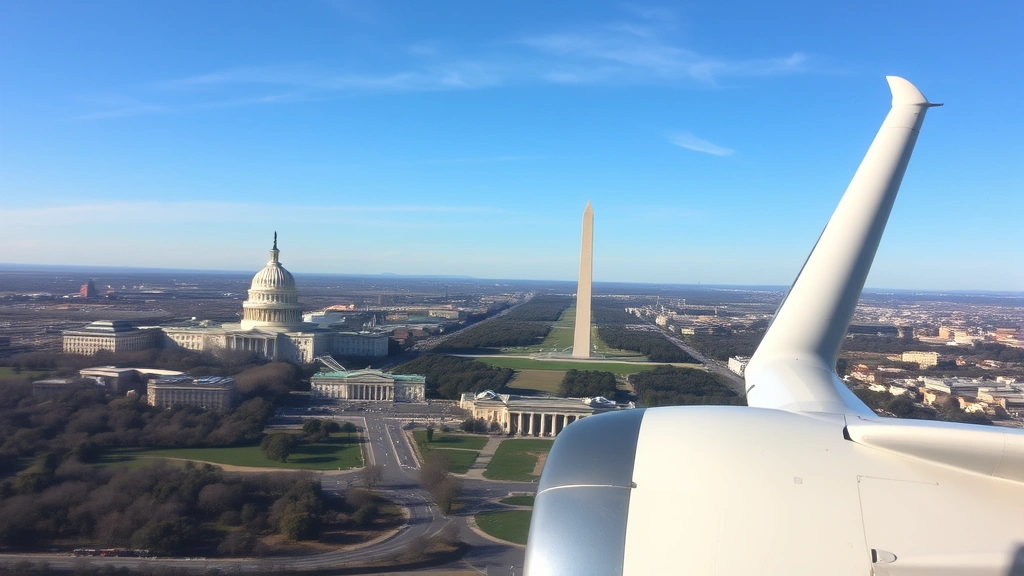
” alt=”Washington DC monuments and skyline viewed from aircraft window during approach”/>
Final Recommendations and Booking Checklist
Based on comprehensive analysis, here’s our recommended approach for booking Atlanta to Washington DC flights:
- Determine your destination within DC to choose the optimal airport (DCA for downtown convenience, IAD for value with Metro access, BWI for budget options)
- Set price alerts 2-3 months before travel using Google Flights or Hopper
- Book 4-8 weeks in advance for optimal pricing, earlier for peak season travel
- Choose midweek departures (Tuesday-Thursday) when possible for 15-30% savings
- Select early morning or evening flights if schedule permits for additional discounts
- Compare total costs including ground transportation, baggage fees, and seat selection
- Leverage loyalty program benefits if applicable, or consider sign-up bonuses on airline credit cards
- Book direct flights exclusively—connections rarely offer sufficient savings to justify additional time and risk
- Verify baggage policies and pack accordingly to avoid unexpected fees
- Set calendar reminders for check-in 24 hours before departure to secure preferred seats
This route’s popularity means you’ll almost never face a completely sold-out flight, providing flexibility for adjusting plans if needed. However, premium seats and preferred times fill quickly, so booking promptly once you’ve found good pricing is advisable.
FAQ
How long does the flight from Atlanta to DC take?
Typical flight time is 2 hours to 2 hours 15 minutes. This makes it one of the shortest major routes from Atlanta, resulting in relatively quick travel with minimal jet lag concerns.
Which airline has the most flights from Atlanta to DC?
Delta Air Lines operates the most frequent flights due to its Atlanta hub status. However, Southwest, United, and American all maintain multiple daily flights, providing genuine competition and choice.
What’s the cheapest time to fly this route?
January-March and November typically offer the lowest fares, with midweek departures (Tuesday-Thursday) being 15-30% cheaper than Monday or Friday flights. Early morning or late evening flights also command lower prices.
Should I book through an airline website or third-party site?
Booking directly with airlines provides better customer service if changes become necessary and ensures you access all loyalty program benefits. Third-party sites like Kayak or Google Flights are excellent for price comparison, but complete your booking on the airline’s website.
Is TSA PreCheck worth it for frequent Atlanta-DC travelers?
If you fly this route 3+ times annually, TSA PreCheck ($78-85 for 5 years) pays for itself through time savings alone. Combined with Clear ($189 annually), you’ll experience significantly faster security processing even during peak times.
What’s the baggage policy for major carriers on this route?
Delta, United, and American allow 1 free checked bag for economy passengers. Southwest includes 2 free checked bags. Frontier charges for checked baggage. Carry-on bags are free on all carriers, making minimalist packing an economical strategy.
Can I get upgraded from basic economy on this flight?
Yes, short flights frequently have upgrade inventory. Request upgrades at check-in or the gate, especially if flying early morning or late evening. Elite status members and those with paid upgrades have priority, but standby upgrades happen regularly.
Is there a significant price difference between the three DC airports?
Yes, DCA typically costs $20-50 more than IAD or BWI due to convenience and capacity restrictions. However, ground transportation cost differences often exceed ticket price differences, making total trip cost the relevant metric.