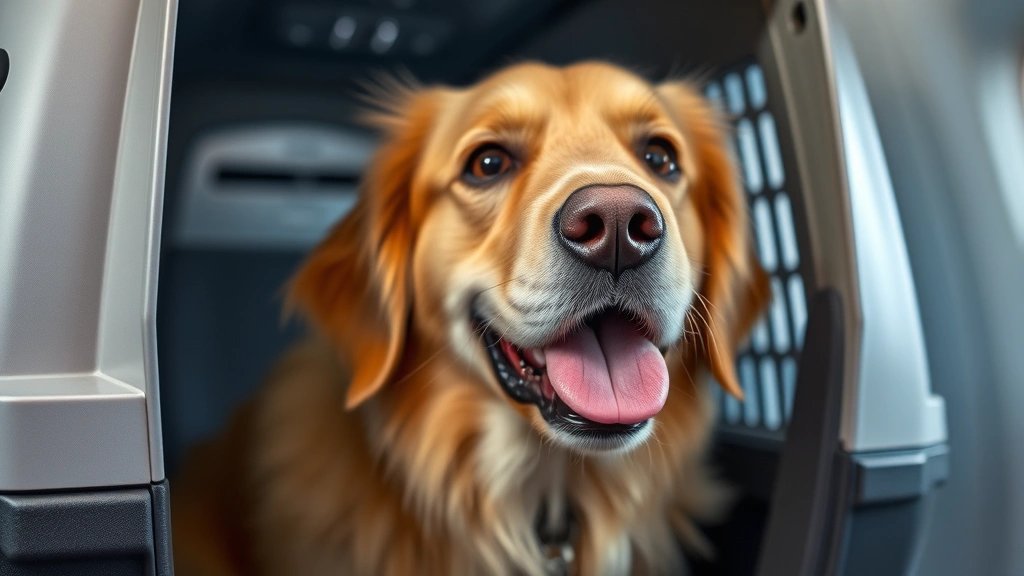
Why Do Dogs Stick Their Tongue Out on Flights? A Veterinarian’s Complete Guide
If you’re a dog parent planning to travel by air, you’ve likely wondered about your furry companion’s behavior in the cabin. One peculiar habit many pet owners notice is their dog sticking their tongue out during flights. This seemingly innocent quirk can actually reveal important information about your dog’s physical and emotional state during air travel. Understanding the reasons behind this behavior helps you better care for your pet and ensure a smoother journey for everyone on board.
Traveling with dogs requires preparation and knowledge, whether you’re heading to top travel destinations or taking a quick domestic flight. The confined cabin environment, altitude changes, and unfamiliar surroundings create a unique situation for dogs that differs dramatically from ground travel. Your dog’s tongue behavior during flight isn’t random—it’s a communication method and a physical response to the stressful environment they’re experiencing.
Stress and Anxiety Response
The primary reason dogs stick their tongue out during flights is stress-induced anxiety. Your dog’s body experiences significant stress from multiple factors: the loud noises of takeoff and landing, the vibration of the aircraft, unfamiliar people in close proximity, and the inability to move freely. When dogs are anxious, they often exhibit what veterinarians call “stress panting,” which involves rapid, shallow breathing with the tongue extended.
This stress response is entirely natural and rooted in your dog’s evolutionary history. When wolves or wild canines encounter threatening situations, they increase their respiration rate to prepare their bodies for fight or flight. The extended tongue is a byproduct of this heightened breathing pattern. Your dog isn’t necessarily in danger—they’re simply responding to an unfamiliar, stimulating environment as if it might be threatening.
Dogs with pre-existing anxiety disorders often display more pronounced tongue-out behavior during flights. If your dog is already nervous about car rides or thunderstorms, they’ll likely show similar signs during air travel. Some breeds, particularly those with shorter snouts like Bulldogs and Pugs, may appear to have their tongues out more frequently due to their facial structure, but the underlying cause remains the same: environmental stress.
To help manage your dog’s stress response, consider planning travel that includes pre-flight training. Gradual exposure to airport environments and simulated cabin conditions can desensitize your dog to the experience. Many airports offer pet relief areas where you can help your dog acclimate before boarding.
Temperature Regulation Issues
Aircraft cabins present unique temperature challenges that affect dogs differently than humans. While the cabin temperature is typically maintained around 72°F (22°C), the air circulation patterns and confined space create microclimates that may feel warmer to your dog. Additionally, dogs don’t regulate body temperature as efficiently as humans—they lack sweat glands and rely primarily on panting to cool themselves.
When your dog sticks their tongue out continuously during flight, they may be attempting to regulate their body temperature through increased evaporative cooling. This is particularly true for dogs with thick coats or those unaccustomed to warm environments. The stress of flying can also elevate your dog’s core body temperature, creating a genuine need for additional cooling mechanisms.
The cabin’s recirculated air doesn’t provide the same cooling effect as outdoor breezes, making it harder for your dog to maintain comfortable body temperature. If you notice your dog’s tongue is out and their breathing is rapid and labored, they may be overheating. This is more common in brachycephalic breeds (flat-faced dogs) who are already prone to breathing difficulties.
Ensure your dog has adequate ventilation in their carrier and consider lightweight, breathable carriers designed specifically for air travel. Avoid covering the carrier completely, and request seating near an air vent if possible. Bringing a small, damp cloth to gently wet your dog’s paws can help with temperature regulation during the flight.
Cabin Pressure Effects on Your Dog
Commercial aircraft typically pressurize cabins to simulate an altitude of 6,000 to 8,000 feet above sea level. This altitude change can affect your dog’s physiology in ways that trigger tongue-out behavior. The lower oxygen levels and altered air pressure can make your dog feel uncomfortable, similar to how humans might feel slightly lightheaded at higher altitudes.
As the cabin depressurizes during ascent and pressurizes during descent, your dog’s ears, sinuses, and respiratory system experience changes. Many dogs respond to this discomfort by increasing their respiratory rate and extending their tongue. This is a natural, involuntary response to the physiological stress of altitude change.
The pressure changes can also affect your dog’s inner ear, which controls balance and spatial orientation. Dogs experiencing disorientation often pant with their tongue out as a stress response. This is similar to how some dogs behave during car rides or boat trips—motion-related discomfort manifests through similar breathing patterns.
Veterinarians generally agree that healthy adult dogs tolerate cabin pressure changes well, but puppies, senior dogs, and those with respiratory conditions may struggle more. If your dog has any pre-existing health issues, consult your veterinarian before flying. They may recommend specific preparations or, in some cases, advise against air travel for your particular pet.

Dehydration During Flight
The cabin environment is notoriously dry, with humidity levels often dropping to 10-20% compared to the typical 30-65% found at ground level. This extreme dryness affects dogs significantly, causing dry mouth and mucous membranes. When your dog’s mouth becomes dry, they instinctively extend their tongue more frequently, trying to maintain moisture on their gums and palate.
Dehydration during flight is a serious concern that many pet owners overlook. The combination of stress, temperature regulation efforts, and the dry cabin air causes rapid fluid loss in your dog’s body. Panting accelerates this dehydration, creating a vicious cycle where the tongue-out behavior actually contributes to the very condition it’s attempting to address.
To combat dehydration, bring water for your dog in a portable bowl and offer small amounts regularly throughout the flight. Many airlines allow you to provide water to your pet, though policies vary. Avoid excessive water intake right before or during the flight, as this can lead to bathroom emergencies in the cabin, but ensure your dog stays hydrated during the journey.
Some veterinarians recommend offering ice cubes instead of water, as they provide hydration while being less likely to cause urgent bathroom needs. You can also bring moist dog treats or specialized hydration products designed for traveling pets. These small measures significantly impact your dog’s comfort and reduce stress-related panting during the flight.
When to Worry: Health Concerns Related to Tongue-Out Behavior
While most cases of tongue-out behavior during flights are benign stress responses, certain situations warrant veterinary attention. If your dog’s tongue remains out excessively and is accompanied by other symptoms, you may be dealing with a more serious issue that requires professional evaluation.
Watch for these concerning signs: excessive drooling that pools on the carrier floor, extreme lethargy or unresponsiveness, difficulty breathing beyond normal panting, discoloration of the tongue (pale or bluish), or the tongue appearing swollen or injured. Additionally, if your dog vomits, refuses food after landing, or shows signs of dehydration (dry gums, lack of skin elasticity), contact a veterinarian immediately.
Heat stroke is a serious concern in dogs during air travel. Unlike humans, dogs cannot effectively cool themselves when confined to small spaces. Signs of heat stress include excessive panting with the tongue extended, drooling, rapid heart rate, weakness, and collapse. If you suspect heat stroke, alert flight attendants immediately and request medical assistance upon landing.
Some dogs may develop aspiration pneumonia if they inhale vomit or saliva while stressed and panting during flight. This condition develops after landing and presents as coughing, difficulty breathing, or lethargy. If your dog shows any of these symptoms within hours after flying, seek immediate veterinary care.
Certain breeds are at higher risk for flight-related complications. Brachycephalic breeds (Bulldogs, Pugs, Shih Tzus, French Bulldogs) have compromised airways and are particularly vulnerable to heat stress and respiratory distress during air travel. Many airlines now restrict these breeds from flying in cargo holds and recommend consulting veterinarians before cabin travel as well. Before traveling to warm-climate destinations, understand your dog’s specific health risks.
Comprehensive Preparation Tips for Flying with Dogs
Preparing your dog for air travel significantly reduces stress-related behaviors, including excessive tongue-out panting. Begin preparation weeks in advance, gradually acclimating your dog to the flight experience.
Pre-Flight Training and Familiarization: Start by taking your dog to the airport during off-peak hours to acclimate them to the sounds, smells, and environment. Many airports have designated pet relief areas and observation areas where you can spend time without disrupting operations. Let your dog become comfortable with the sights and sounds before their actual flight.
Carrier Training: Introduce your dog to their airline-approved carrier weeks before the flight. Make the carrier a positive space by placing treats, toys, and comfortable bedding inside. Practice short periods of confinement, gradually increasing duration. A dog comfortable in their carrier experiences significantly less stress during the flight.
Health Screening: Schedule a pre-flight veterinary examination 2-4 weeks before travel. Your veterinarian can assess your dog’s fitness for air travel, identify any underlying health conditions, and provide personalized recommendations. Obtain health certificates required by airlines and destination locations.
Medication and Calming Aids: Discuss anxiety management with your veterinarian. Some dogs benefit from prescription anti-anxiety medications, while others respond well to natural calming supplements like melatonin or L-theanine. Pheromone-based products designed to calm dogs can be applied to their carrier bedding.
Exercise and Timing: Exercise your dog thoroughly before the flight to promote relaxation. A tired dog is more likely to rest during the journey. However, avoid excessive activity immediately before boarding, as this can elevate stress hormones. Plan flights during times when your dog typically rests or sleeps.
Comfort Items: Bring familiar items that smell like home—a favorite blanket, toy, or article of your clothing. These comfort items reduce anxiety by providing familiar sensory input in an unfamiliar environment. The scent of home is particularly calming for stressed dogs.
Hydration and Nutrition: Pack water, portable bowls, and appropriate snacks for your dog. Familiar food prevents digestive upset from stress and dietary changes. Avoid feeding large meals immediately before flight, as this can cause motion sickness or digestive distress.
For more comprehensive travel planning guidance, explore resources that address traveling with pets. When considering destinations, research pet-friendly accommodations and local veterinary services. This advance planning ensures you can handle any emergencies that arise during your trip.

Frequently Asked Questions
Is it normal for dogs to have their tongue out during flights?
Yes, tongue-out behavior is extremely common in dogs during flights. It’s typically a stress response combined with temperature regulation and physiological responses to altitude changes. Most dogs exhibiting this behavior are simply uncomfortable but not in danger. However, if accompanied by other symptoms like excessive drooling, difficulty breathing, or lethargy, consult a veterinarian.
Can I give my dog medication to relax during the flight?
Yes, but only under veterinary supervision. Your veterinarian may recommend prescription anti-anxiety medications, sedatives, or natural calming supplements. Never give your dog over-the-counter medications without professional guidance, as dosing is critical and some substances can have serious side effects in the cabin environment. Discuss all options with your vet at least 2-4 weeks before travel to determine the best approach for your specific dog.
What should I do if my dog’s tongue stays out the entire flight?
Continuous tongue-out behavior indicates ongoing stress or temperature regulation attempts. Ensure your dog has access to water, verify the carrier has adequate ventilation, and keep the area around the carrier as calm as possible. If the behavior seems extreme or accompanied by other concerning symptoms, alert flight attendants and request assistance. After landing, monitor your dog closely for any signs of heat stress or other complications.
Are certain dog breeds more prone to this behavior during flights?
Brachycephalic breeds (flat-faced dogs) are more prone to tongue-out behavior due to their anatomical limitations in breathing. Additionally, anxious or high-strung breeds may display this behavior more prominently. Older dogs and puppies may also show more pronounced stress responses. Understanding your specific dog’s predispositions helps you prepare appropriately.
How can I tell if my dog’s tongue behavior indicates a serious problem?
Watch for accompanying symptoms: excessive drooling, difficulty breathing, discolored tongue, lethargy, or refusal to eat. These signs suggest something beyond normal stress. Heat stroke symptoms include weakness, collapse, and rapid heart rate. If you observe any concerning signs, alert flight attendants immediately and seek veterinary care upon landing.
Should I avoid flying with my dog altogether?
Not necessarily. Most healthy adult dogs tolerate air travel well with proper preparation. However, puppies under 16 weeks, senior dogs with health conditions, brachycephalic breeds, and dogs with severe anxiety may not be suitable candidates. Consult your veterinarian to assess your dog’s specific situation. Consider alternatives like hiring pet sitters or using boarding facilities if flying poses significant risks for your particular dog.
What’s the best time to fly with a dog?
Early morning or late evening flights during cooler months are ideal. These times provide lower cabin temperatures and typically feature fewer stressful delays. Avoid midday flights during summer months, as heat stress becomes a serious concern. Shorter flights are generally less stressful than long-haul journeys. When planning trips to popular destinations, consider the climate and timing carefully to ensure your dog’s safety.
Can I use a harness instead of a carrier for my dog during flight?
No. Airline regulations require dogs to remain in FAA-approved carriers throughout the flight for safety reasons. Carriers provide containment in case of turbulence and protect your dog from moving around the cabin. They also provide a sense of security and confined space that many anxious dogs find comforting. Always use an airline-approved carrier that meets specific size and ventilation requirements.
What external resources can help me prepare for flying with my dog?
The ASPCA’s pet travel guide provides comprehensive information about flying with pets. The USDA Animal and Plant Health Inspection Service offers official regulations for international pet travel. The American Kennel Club provides breed-specific information and travel recommendations. The FAA website contains official airline pet policies and safety regulations. Your local veterinarian remains your best resource for personalized advice based on your dog’s health status.
How long does it take for a dog to recover from flight stress?
Most dogs recover within 24-48 hours after landing. They may be tired, have reduced appetite, or seem disoriented initially. Maintain normal routines, provide plenty of water, and monitor for any signs of illness. If your dog seems unwell beyond this timeframe, consult a veterinarian. Some anxious dogs may require several days to fully readjust to their new environment.
Conclusion
Understanding why your dog sticks their tongue out during flights empowers you to provide better care and ensure safer travel experiences. Whether it’s stress-induced panting, temperature regulation efforts, or responses to cabin pressure changes, this behavior is your dog’s way of communicating discomfort in an unfamiliar environment. With proper preparation, veterinary guidance, and thoughtful planning, you can minimize this behavior and make air travel more pleasant for your furry companion.
Remember that every dog responds differently to air travel. What works perfectly for one dog might not suit another. The key is understanding your specific dog’s needs, consulting with your veterinarian, and preparing thoroughly before each flight. When you’re ready to explore amazing destinations with your dog, you’ll have the knowledge and tools to make the journey safe, comfortable, and memorable for both of you.


