Conquer Flight Anxiety? Expert Tips Inside
The moment you book that flight, your palms begin to sweat. Your heart races. Intrusive thoughts flood your mind about turbulence, mechanical failures, and worst-case scenarios that feel devastatingly real. If this describes you, you’re not alone—roughly 40 million Americans experience some level of flight anxiety, and millions more worldwide struggle with the same paralyzing fear. The good news? Flight anxiety is highly treatable, and with the right strategies, you can transform your relationship with air travel from one of dread to one of adventure and freedom.
This comprehensive guide equips you with evidence-based techniques, practical coping mechanisms, and expert insights to help you conquer flight anxiety once and for all. Whether you’re a nervous first-time flyer or someone whose fear has prevented you from exploring the world, these proven methods will help you reclaim your confidence and embrace the incredible experiences that await you at your destination.
Understanding Flight Anxiety and Its Root Causes
Flight anxiety isn’t simply nervousness about flying—it’s a complex psychological condition that manifests differently for each person. Some people fear turbulence, others worry about mechanical failure, and still others experience claustrophobia or loss of control. Understanding your specific triggers is the first critical step toward addressing them effectively.
The fear of flying often stems from multiple sources. Many anxious flyers have experienced a traumatic event, whether directly related to aviation or not. Others developed their fear through secondhand exposure—hearing frightening stories from family members or friends, watching plane crash documentaries, or consuming news coverage of aviation incidents. Some people’s anxiety is rooted in a need for control; the inability to exit an aircraft mid-flight can feel unbearable for those who require constant agency over their environment.
What makes flight anxiety particularly challenging is that it often prevents people from achieving their life goals. Career opportunities abroad go unexplored. Family reunions are missed. Dream vacations remain fantasies. This avoidance actually reinforces the anxiety cycle, making the fear stronger with each passing year. Breaking this pattern requires understanding that your fear, while real and valid, is not an accurate reflection of actual aviation safety.
The Science Behind Your Fear Response
Your brain’s threat-detection system, the amygdala, is exceptionally good at identifying danger. However, it’s not always accurate. When you feel anxious about flying, your amygdala is essentially sending false alarms—perceiving threat where statistically none exists. Commercial aviation is the safest form of long-distance travel; you’re statistically safer in an airplane than driving to the airport.
When anxiety strikes, your body activates the fight-or-flight response, flooding your system with cortisol and adrenaline. Your heart rate increases, breathing becomes shallow, muscles tense, and digestive function halts. This physiological cascade is appropriate if you’re facing a genuine predator, but it’s counterproductive in an airplane seat. Understanding that these sensations, while uncomfortable, are not dangerous helps create psychological distance from them.
Cognitive distortions amplify flight anxiety significantly. Your mind might catastrophize (“If we hit turbulence, the plane will crash”), mind-read (“The pilot seems worried, which means something’s wrong”), or overgeneralize (“I felt anxious once on a flight, so I’ll always be anxious flying”). Recognizing these thought patterns is essential for challenging them and developing more balanced perspectives.
Consider reading about actual incidents like the United Airlines flight that made an emergency landing at Dulles Airport to understand how modern safety systems work. Similarly, learning about how airlines respond to situations like Delta flights diverted to Montgomery demonstrates the robustness of aviation safety protocols.
Key insight: Your anxiety is a false alarm system, not a prediction of reality. Aviation safety has improved dramatically over decades, with multiple redundant systems ensuring passenger protection.
Pre-Flight Preparation Strategies
The journey toward conquering flight anxiety begins weeks before your flight. Preparation builds confidence, and confidence diminishes fear. Start by educating yourself about how planes work. Watch documentaries explaining aerodynamics, engine design, and pilot training requirements. Understanding that aircraft are engineered with multiple backup systems for every critical function transforms vague fears into concrete knowledge.
Create a detailed pre-flight routine that gives you a sense of control. Research your specific aircraft type and airline. Check weather forecasts for your departure and arrival cities. Familiarize yourself with the airport layout using online maps. These seemingly small actions signal to your brain that you’ve done your due diligence and are prepared.
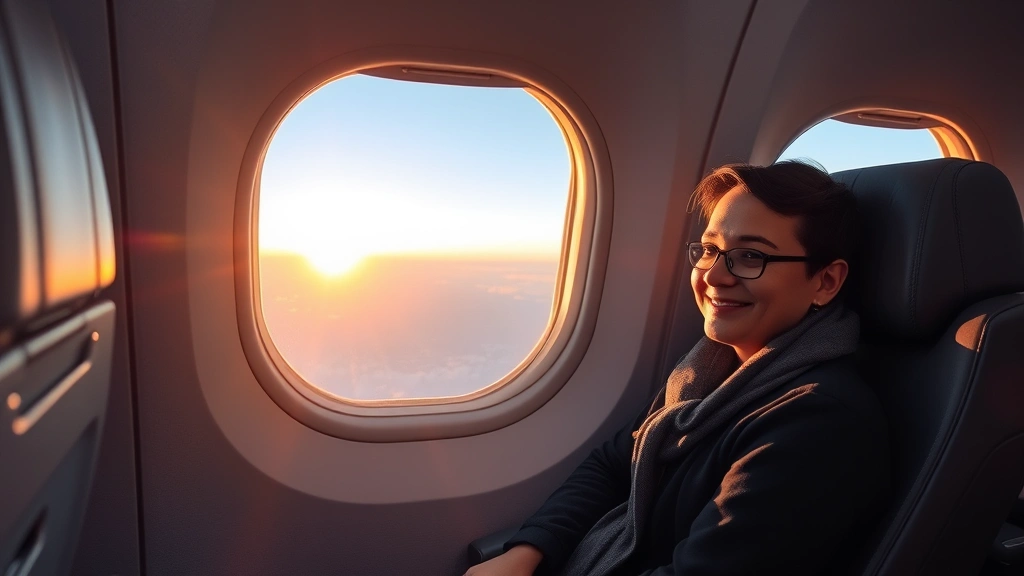
Schedule your flight strategically when possible. Early morning flights typically experience less turbulence than afternoon or evening departures. Direct flights reduce overall flight time and eliminate the stress of connections. Choose a seat location that feels comfortable—some anxious flyers prefer window seats for the visual control, while others prefer aisle seats for easier bathroom access and reduced claustrophobia.
Physical preparation matters enormously. In the days leading up to your flight, prioritize sleep, exercise, and nutrition. Avoid excessive caffeine, which can amplify anxiety symptoms. Dehydration intensifies anxiety, so drink plenty of water. Light exercise releases endorphins and reduces overall stress levels. Yoga or meditation practices begun weeks in advance create neurological changes that reduce baseline anxiety.
Pack comfort items intentionally. Quality noise-canceling headphones allow you to control your auditory environment. A best travel pillow for long flights provides physical comfort and can help you rest. Bring a favorite book, downloaded movies, or engaging podcasts—distraction is a legitimate coping mechanism. A small aromatherapy item like lavender oil can provide calming sensory input.
Consider downloading a flight tracking app to monitor your flight’s progress in real-time. Seeing the aircraft’s altitude, speed, and location provides concrete evidence that everything is proceeding normally. This transparency satisfies the part of your brain that needs information and control.
During the Flight: Coping Techniques That Work
The actual flight experience requires active coping strategies deployed at strategic moments. Arrive at the airport with ample time to avoid rushed stress. Give yourself permission to move slowly through security and toward your gate. Rushing amplifies anxiety by creating a sense of chaos.
Board the aircraft with a clear intention to be present and grounded. Grounding techniques interrupt the anxiety spiral by anchoring your awareness to present-moment sensations. The 5-4-3-2-1 technique works exceptionally well in aircraft: identify 5 things you can see, 4 things you can touch, 3 things you can hear, 2 things you can smell, and 1 thing you can taste. This sensory awareness pulls your mind out of catastrophic future scenarios into the safety of the present moment.
Breathing techniques provide immediate physiological relief. When anxiety activates your fight-or-flight response, your breathing becomes shallow and rapid, which amplifies panic. Intentional breathing reverses this process. The 4-7-8 technique involves breathing in for 4 counts, holding for 7 counts, and exhaling for 8 counts. The extended exhale activates your parasympathetic nervous system, signaling safety to your body.
Progressive muscle relaxation systematically reduces physical tension. Starting with your toes, consciously tense muscle groups for 5 seconds, then release. Work upward through your body—feet, calves, thighs, glutes, abdomen, chest, arms, hands, shoulders, neck, and face. This practice both reduces tension and provides a productive focus activity.
During taxiing and takeoff—the most anxiety-provoking phases for many flyers—engage fully with a distraction activity. Watch the in-flight entertainment, listen to an absorbing podcast, read an engaging book, or have a conversation with a seatmate. The key is genuine engagement, not just passive distraction. Your brain can’t simultaneously focus on a compelling story and catastrophic thoughts.
Turbulence deserves special attention because it’s the most common anxiety trigger. Remind yourself that turbulence is uncomfortable but not dangerous—pilots encounter it regularly and adjust altitude or route as needed. Modern aircraft are designed to withstand turbulence far more severe than passengers ever experience. During turbulent moments, maintain your grounding and breathing techniques. Some anxious flyers find it helpful to ask flight attendants questions about what they’re experiencing; their calm, matter-of-fact responses provide reassurance.
If you feel anxiety escalating despite your coping strategies, alert a flight attendant discreetly. They’re trained to support anxious passengers and can provide water, reassurance, and sometimes oxygen if hyperventilation occurs. There’s no shame in asking for support; flight crews understand that anxiety is common.
Professional Help and Therapeutic Approaches
For severe flight anxiety, professional intervention creates transformative results. Cognitive-behavioral therapy (CBT) specifically targets the thought patterns and avoidance behaviors that maintain anxiety. A therapist helps you identify catastrophic thoughts, examine evidence for and against them, and develop more balanced thinking patterns. Research consistently demonstrates that CBT effectively reduces flight anxiety in 8-12 sessions.
Exposure therapy, conducted gradually and safely, helps desensitize your fear response. This might involve imagining flying scenarios, watching flight videos, visiting an airport, sitting in an aircraft simulator, or eventually taking short flights. Each successful exposure proves to your nervous system that the feared situation isn’t actually dangerous, gradually reducing your fear response.
Virtual reality exposure therapy represents a modern advancement in treatment. VR simulations allow you to experience flight scenarios in a controlled, therapeutic environment. You can practice coping techniques while experiencing realistic flight sensations, building confidence before stepping into an actual aircraft.
Some individuals benefit from medications prescribed by their physician. Anti-anxiety medications taken before flight can reduce acute symptoms, though they work best combined with psychological strategies rather than as standalone solutions. Discuss medication options with your doctor, understanding both benefits and potential drawbacks.
Mindfulness-based stress reduction (MBSR) teaches you to observe anxious thoughts and sensations without judgment or resistance. Rather than fighting anxiety, you learn to notice it, acknowledge it, and let it pass without engaging with it. This fundamentally shifts your relationship with anxiety from one of struggle to one of acceptance.
Building Long-Term Confidence
Conquering flight anxiety isn’t a one-time event; it’s a gradual process of building new neural pathways and experiences. Each successful flight experience strengthens your confidence and weakens your fear response. Plan regular flights, even short ones, to accumulate positive aviation experiences.
Travel planning itself becomes part of your confidence-building. Research destinations using resources like Lonely Planet for inspiration and practical travel information. Explore travel advisories and destination guides to understand what awaits you. Create detailed itineraries for your trips, which channels nervous energy into productive planning. When you have exciting plans waiting at your destination, the flight becomes a means to an adventure rather than an ordeal to endure.
Connect with others who’ve overcome flight anxiety. Online communities, support groups, and even casual conversations with fellow travelers normalize the experience and provide practical tips from people who’ve been where you are. Hearing success stories from others with similar anxiety levels provides powerful motivation.
If you’re considering specific routes like DC to Chicago flights, research these routes to familiarize yourself with typical flight times, aircraft types, and weather patterns. Specific knowledge reduces the unknown factor that anxiety thrives on.
Develop a personal anxiety toolkit—your collection of coping strategies that work best for you. This might include breathing techniques, grounding exercises, specific music or podcasts, comfort items, and contact information for supportive friends or family. Knowing your toolkit exists and is accessible provides security.
Celebrate every milestone. Your first flight after developing anxiety is a major achievement. Your first flight without panic attacks is another. Your first time flying without white-knuckling the armrest is worth acknowledging. These celebrations reinforce your progress and motivate continued effort.
Remember that setbacks are normal. You might have a flight where anxiety spikes despite your preparation. This doesn’t erase your progress or indicate failure. Treat setbacks as information-gathering opportunities: what triggered the anxiety? Which coping strategies helped most? What will you adjust next time? This growth mindset transforms setbacks into learning experiences.
The ultimate truth: Your fear is real, but it’s not based in reality. You have the capacity to overcome it. Thousands of people with severe flight anxiety have become confident flyers. You can too.
FAQ
Is flight anxiety the same as a phobia?
Flight anxiety and flight phobia exist on a spectrum. Anxiety involves worry and discomfort that’s manageable with coping strategies. A phobia involves intense, irrational fear that leads to complete avoidance. Many anxious flyers successfully fly with support; people with phobias typically avoid flying entirely. The good news is that both respond well to professional treatment.
Can I use medications to manage flight anxiety?
Yes, but medications work best combined with psychological strategies. Anti-anxiety medications can reduce acute symptoms, but they don’t address underlying thought patterns or build lasting confidence. Discuss options with your physician, who can prescribe appropriate medications if suitable for your situation.
How long does it take to overcome flight anxiety?
Timeline varies individually. Some people see significant improvement after a few successful flights. Others benefit from structured therapy lasting 8-12 weeks. Most people experience gradual improvement over several months of exposure and practice. Patience with yourself is essential.
What if I have a panic attack during a flight?
First, remember that panic attacks, while terrifying, are not dangerous and will pass. Discreetly alert a flight attendant. Use grounding techniques to anchor yourself to the present moment. Practice slow breathing. Remember that the flight crew is trained for this situation and can provide support. Most importantly, recognize that surviving a panic attack is evidence that you’re stronger than your anxiety.
Are there specific airlines known for helping anxious flyers?
Many airlines offer programs for anxious flyers, including pre-flight tours, educational materials, and crew awareness. Research your specific airline’s offerings. Additionally, some airlines have better safety records and newer aircraft, which can provide reassurance. Reading about how airlines handle situations like the Southwest flight dramatic plunge demonstrates the effectiveness of safety protocols and crew training.
Can I request special accommodations on flights?
Yes. Contact your airline when booking to request accommodations such as extra legroom for comfort, seating near flight attendants for reassurance, or pre-boarding to familiarize yourself with the aircraft. Airlines are generally accommodating of reasonable requests that support passenger well-being.