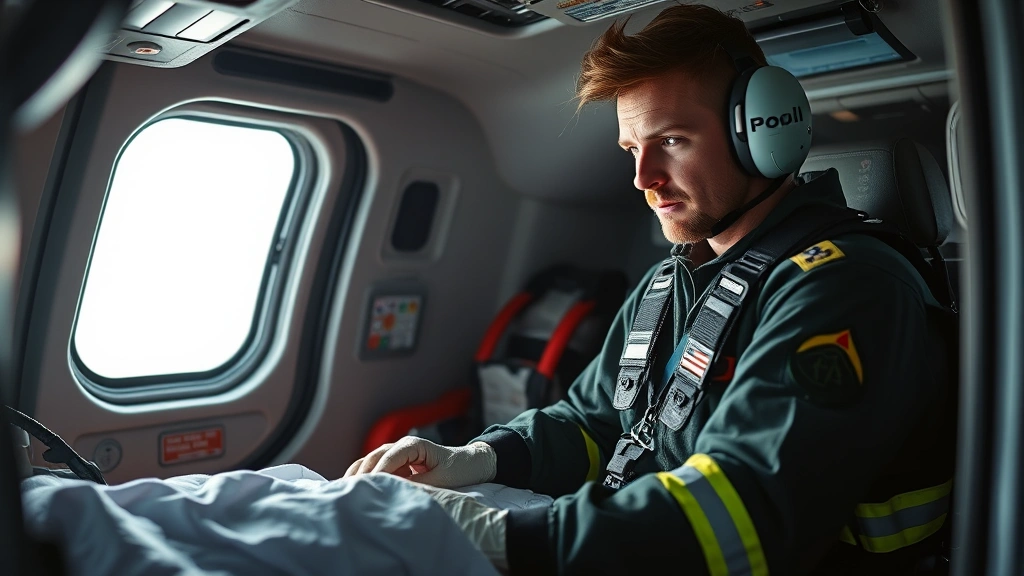
The rotor blades slice through the sky at dawn, carrying a specialized medical team toward their next critical mission. Flight paramedics represent one of aviation’s most demanding yet rewarding careers, combining emergency medical expertise with the unique challenges of delivering care at altitude. These healthcare professionals operate in an environment where split-second decisions, technical proficiency, and nerves of steel determine survival outcomes.
Behind every successful flight operation stands a paramedic whose training transcends traditional ground-based emergency medicine. They navigate weather systems, mechanical complications, and physiological challenges that ground ambulances never encounter. This insider perspective reveals what truly defines life as a flight paramedic—from recruitment standards to daily operational realities that reshape how medical professionals view their calling.
Whether you’re considering this career path or simply curious about aviation medicine, understanding the flight paramedic role unveils a profession operating at the intersection of cutting-edge healthcare and extreme conditions. The skies demand specialists who thrive under pressure, adapt rapidly, and maintain clinical excellence when every second counts.
What Defines a Flight Paramedic
A flight paramedic represents the pinnacle of emergency medical services expertise, operating within a specialized domain that demands simultaneous mastery of paramedicine and aviation protocols. Unlike ground-based paramedics who transport patients via ambulance, flight paramedics deliver critical care while traveling at speeds exceeding 150 mph, often in challenging weather conditions and remote locations.
These professionals work as part of a flight crew that typically includes a pilot, a second medical crew member (often a flight nurse or second paramedic), and sometimes a flight physician. The flight paramedic’s responsibilities extend far beyond traditional patient transport—they must understand aircraft systems, manage patient care in confined spaces, coordinate with ground operations, and maintain equipment functionality at altitude where environmental pressures differ significantly from sea level.
Flight paramedics respond to diverse calls ranging from trauma scenes in wilderness areas to inter-hospital transfers of critically ill patients. They’ve retrieved injured hikers from mountain peaks, stabilized cardiac patients during cross-country transfers, and managed medical emergencies aboard commercial aircraft. The versatility required separates flight paramedics from their ground-based counterparts, creating a unique professional identity within emergency medicine.
The role demands exceptional clinical judgment because flight paramedics cannot simply pull over to the roadside when complications arise. They must anticipate problems, prevent deterioration, and maintain stability during flight operations. This forward-thinking approach to patient care defines how flight paramedics approach every call, every transfer, and every moment in the air.

Educational Requirements and Certifications
Becoming a flight paramedic requires substantially more education than basic emergency medical technician (EMT) certification. Most flight programs demand paramedic-level certification as a minimum baseline, representing approximately 1,200 hours of classroom and clinical training beyond high school education. However, the path typically extends much further for candidates serious about flight operations.
The National Association of EMS Physicians (NAEP) and Commission on Accreditation of Ambulance Services (CAAS) provide comprehensive guidelines for flight paramedic training. Prospective flight paramedics usually complete:
- Paramedic certification through accredited programs (typically 6-12 months)
- Advanced cardiac life support (ACLS) certification
- Pediatric advanced life support (PALS) certification
- Trauma nursing core course (TNCC) or equivalent trauma training
- Flight paramedic specific courses covering altitude physiology, aircraft systems, and specialized procedures
- Wilderness first responder or advanced wilderness medicine training
- Critical care transport certifications for inter-hospital transfers
Many successful flight paramedics pursue additional credentials including Certified Flight Paramedic (FP-C) through the Board of Certification for Emergency Nursing, or Critical Care Paramedic (CCP) certifications. These credentials demonstrate advanced knowledge in specialized patient populations and complex medical scenarios encountered during flight operations.
Flight programs typically require 2-5 years of ground-based paramedicine experience before accepting applicants. This prerequisite ensures candidates possess fundamental clinical skills and mature judgment before transitioning to the unique demands of flight medicine. Some progressive programs accept candidates with 1-2 years of experience, but most prefer paramedics with proven track records in high-acuity environments.
Continuing education remains mandatory throughout a flight paramedic’s career. Annual requirements typically include recertification in ACLS, PALS, trauma courses, and flight-specific training covering equipment updates, protocol changes, and emerging medical interventions. Flight programs invest heavily in paramedic education because patient outcomes directly correlate with crew knowledge and skill maintenance.
Daily Operations and Real-World Scenarios
A typical flight paramedic shift begins hours before any patient contact. Morning preparations include equipment checks, medication inventory verification, aircraft system familiarization, and crew briefings. Flight paramedics inspect stretchers, cardiac monitors, ventilation equipment, and specialized medications with meticulous attention—overlooking a single item could compromise patient care during flight.
Calls arrive unpredictably, dispatching flight crews toward emergencies ranging from trauma scenes to inter-hospital transfers. A flight paramedic might respond to a critical patient requiring transport across multiple states, requiring sophisticated medical management during hours-long flights. The paramedic must stabilize patients, manage complex medication infusions, interpret cardiac rhythms, and maintain airway patency—all while the aircraft moves through changing altitudes and weather conditions.
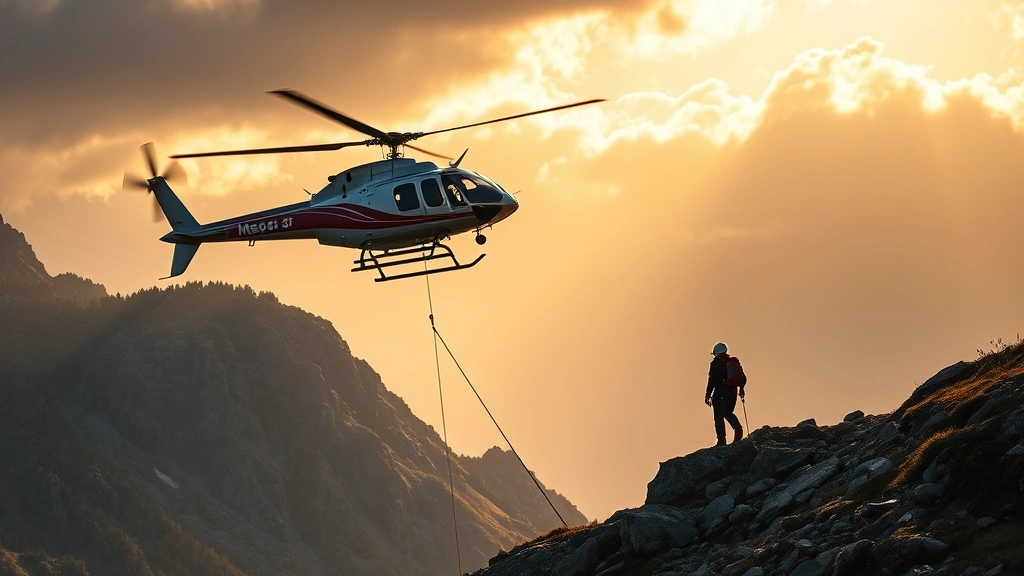
Real-world scenarios challenge even experienced flight paramedics. Consider a wilderness rescue where a hiker sustained traumatic injuries on a remote mountainside. The flight paramedic must rappel from the helicopter, perform rapid trauma assessment in austere conditions, initiate life-saving interventions with limited equipment, and prepare the patient for helicopter evacuation. This scenario demands clinical excellence combined with specialized rescue skills that ground paramedics rarely develop.
Inter-hospital transfers present different challenges requiring sophisticated critical care management. A flight paramedic might transport a patient requiring continuous hemodynamic monitoring, mechanical ventilation, and advanced cardiac support medications. These transfers often involve critically ill patients whose conditions could deteriorate rapidly, demanding the paramedic’s constant vigilance and clinical expertise.
Weather significantly impacts flight operations. Flight paramedics must understand how fog, thunderstorms, wind shear, and icing conditions affect aircraft performance and patient care delivery. They coordinate with pilots regarding weather-related limitations while maintaining focus on patient stability. This dual awareness—simultaneously managing patient care and flight safety considerations—separates experienced flight paramedics from novices.
Night operations add complexity to flight paramedic duties. Limited visibility, challenging landing zones, and darkness-related disorientation demand heightened situational awareness. Flight paramedics develop skills in night vision goggle operations, dark-adapted patient assessment, and obstacle avoidance protocols that ground paramedics never encounter.
Physical and Mental Demands
Flight paramedics operate under physiological stresses that ground-based colleagues never experience. Altitude exposure affects oxygen availability, requiring paramedics to understand hypoxia prevention and altitude-related medical complications. Cabin pressurization typically maintains sea-level equivalent conditions, but unpressurized helicopter operations expose paramedics to reduced oxygen environments requiring specialized training.
The physical demands extend beyond altitude challenges. Flight paramedics perform patient care in confined spaces—helicopter cabins measure mere feet across, forcing paramedics to manage trauma patients, perform procedures, and administer medications while crouching or kneeling. Turbulence adds another dimension, requiring exceptional balance and core strength to maintain stability while providing critical care.
Vibration exposure during flight operations causes fatigue that accumulates across shifts. The constant mechanical vibration from rotors or jet engines creates background stress that affects concentration and physical endurance. Flight paramedics develop coping strategies to maintain performance despite this persistent environmental challenge.
Mental demands often exceed physical challenges. Flight paramedics regularly encounter traumatic situations involving pediatric patients, mass casualty events, and fatal outcomes. The psychological impact of these experiences accumulates across careers, making mental health awareness crucial for flight paramedics. Successful programs prioritize peer support, critical incident stress management, and access to mental health resources.
Decision-making pressure distinguishes flight paramedics from ground-based colleagues. Ground paramedics can call for additional resources, request physician consultation, or transport patients to nearby facilities. Flight paramedics often operate with limited backup, making independent clinical decisions that directly impact patient survival. This autonomy demands exceptional clinical judgment and confidence in personal abilities.
Sleep disruption represents a significant occupational hazard. Flight operations often run 24-hour cycles with irregular shift patterns, causing circadian rhythm disruption. Flight paramedics must manage fatigue while maintaining clinical excellence—a challenge that demands personal discipline and organizational support.
The combination of physical stress, altitude exposure, decision-making pressure, and irregular schedules creates a demanding work environment. Flight paramedics who thrive in this environment typically possess resilience, adaptability, and passion for emergency medicine that transcends typical career motivation.
Career Progression and Specializations
Flight paramedic careers offer diverse progression pathways. Entry-level flight paramedics typically work in community-based helicopter programs responding to trauma scenes and emergency calls. As experience accumulates, paramedics transition toward specialized roles including critical care transport, inter-hospital transfers, and interfacility coordination.
Specialized flight paramedic certifications open advanced career opportunities. Paramedics managing critical transfers between major medical centers often pursue advanced critical care certifications. Others develop expertise in specific patient populations including neonatal transport, pediatric emergencies, or cardiac interventions.
Some flight paramedics transition toward program management, coordinating flight operations, developing protocols, and supervising junior paramedics. These administrative roles allow experienced paramedics to influence program development while reducing operational flight hours. Flight program directors typically emerge from experienced flight paramedic backgrounds, bringing clinical credibility to leadership positions.
Flight paramedics with advanced qualifications sometimes pursue physician roles or nursing degrees, leveraging their flight experience into broader healthcare careers. Others develop expertise in flight medicine itself, becoming flight surgeons or aviation medicine specialists. These transitions typically require additional education but build naturally from flight paramedic experience.
International opportunities exist for flight paramedics seeking diverse experiences. Military flight paramedics operate across combat zones and humanitarian missions, applying skills in extreme environments. International aid organizations, disaster response teams, and foreign flight programs recruit experienced flight paramedics for specialized missions.
Academic careers attract some flight paramedics interested in education and research. Flight paramedic educators develop curriculum, teach courses, and advance the science of flight medicine through research. These roles allow paramedics to shape future generations of flight professionals while contributing to evidence-based practice development.
Compensation and Job Outlook
Flight paramedic compensation typically exceeds ground-based paramedic salaries, reflecting the specialized skills and demanding work environment. According to the U.S. Bureau of Labor Statistics, paramedics earn median annual salaries around $36,650, but flight paramedics commonly earn $45,000-$65,000 annually depending on experience, location, and employer type.
Hospital-based flight programs often provide superior compensation packages compared to private operators. Benefits typically include comprehensive health insurance, retirement plans, continuing education funding, and shift premiums for overnight operations. Many programs offer hazard pay bonuses recognizing the elevated risk profile of flight operations.
Geographic location significantly impacts compensation. Flight paramedics in major metropolitan areas or specialized programs typically earn higher salaries than those in rural regions. High-traffic corridors connecting major cities often support higher-paying flight programs due to increased call volume and patient acuity.
Job outlook for flight paramedics remains positive. The Bureau of Labor Statistics projects consistent growth in paramedicine careers, with flight operations representing the highest-demand sector. Aging populations, increased trauma rates, and expanding critical care transport needs drive demand for qualified flight paramedics.
Competition for flight paramedic positions remains intense. Desirable programs receive hundreds of applications annually, with acceptance rates below 5% at prestigious organizations. This competitive landscape incentivizes paramedics to pursue advanced certifications, develop specialized skills, and maintain exceptional clinical records.
Private flight programs, hospital-based services, and government agencies all employ flight paramedics, creating diverse employment opportunities. Military flight paramedic positions offer unique career paths with distinct compensation structures and advancement opportunities. Some flight paramedics work contract positions, traveling to different programs and gaining diverse operational experience.
Life Beyond the Cockpit
Flight paramedic careers significantly impact personal life. Irregular schedules disrupt family routines, requiring partners and families to adjust to unpredictable work patterns. Many flight paramedics work 24-hour shifts followed by days off, creating non-traditional family dynamics that require strong relationships and clear communication.
The psychological impact of flight paramedic work extends into personal relationships. Exposure to traumatic situations, pediatric deaths, and mass casualty events creates emotional burdens that partners and family members indirectly experience. Successful flight paramedics develop healthy coping mechanisms, maintain active social connections, and prioritize mental health awareness.
Physical fitness remains important for flight paramedics beyond occupational requirements. The demanding work environment benefits from maintained cardiovascular fitness, core strength, and flexibility. Many flight paramedics continue fitness regimens developed during training, using exercise as stress management and health maintenance.
Community involvement often attracts flight paramedics seeking meaningful connections beyond their profession. Volunteer work, mentorship programs, and public education activities provide fulfillment that complements flight operations. These activities often strengthen paramedics’ connections to their communities and reinforce the meaning behind their work.
Travel opportunities emerge naturally from flight paramedic careers. The profession provides unique perspectives on geography, weather patterns, and regional differences across flight service areas. Some flight paramedics leverage their aviation experience into private pilot licenses or pursue additional aviation-related interests.
Financial planning becomes important for flight paramedics managing irregular income patterns. Shift work and overtime opportunities create variable earnings that require disciplined budgeting. Many successful flight paramedics work with financial advisors to optimize retirement planning and investment strategies aligned with their career trajectory.
Retirement planning for flight paramedics typically considers the physical demands of the profession. Most flight paramedics transition toward administrative roles or retire earlier than traditional careers, planning accordingly for extended retirement periods. Pension systems, retirement accounts, and healthcare planning become crucial elements of long-term career management.
The flight paramedic lifestyle attracts individuals who thrive on challenge, uncertainty, and high-stakes decision-making. Those who succeed in this profession typically report deep career satisfaction, meaningful relationships with crew members, and pride in their contributions to emergency medicine. The demanding nature of the work creates strong bonds among flight teams who depend on each other during critical operations.
Work-life balance requires intentional effort for flight paramedics managing demanding schedules. Progressive programs recognize burnout risks and implement wellness programs, peer support systems, and mental health resources. Forward-thinking organizations understand that sustainable flight operations depend on paramedics maintaining physical health and psychological resilience.
Many flight paramedics develop secondary careers or business ventures during off-days, creating financial diversification and additional fulfillment sources. Others focus entirely on their flight operations, finding complete satisfaction in their primary profession. Both approaches succeed when paramedics align their career decisions with personal values and life goals.
FAQ
What’s the minimum experience required to become a flight paramedic?
Most flight programs require 2-5 years of ground-based paramedicine experience, though some progressive programs accept candidates with 1-2 years of proven high-acuity experience. The experience requirement ensures paramedics possess fundamental clinical skills before transitioning to flight operations.
How long does flight paramedic training typically last?
Flight paramedic-specific training programs typically span 4-12 weeks of intensive instruction covering altitude physiology, aircraft systems, specialized procedures, and operational protocols. However, the complete preparation process including prerequisite certifications can require 18-36 months total.
Do flight paramedics need pilot licenses?
Flight paramedics do not require pilot licenses. Pilots and paramedics maintain distinct professional roles with separate licensing requirements. However, some flight paramedics pursue private pilot licenses as secondary certifications for personal interest.
What medical conditions disqualify someone from becoming a flight paramedic?
Medical conditions affecting altitude tolerance, cognitive function, or physical capability may disqualify candidates. Common disqualifying conditions include uncontrolled seizure disorders, severe cardiac conditions, and conditions affecting balance or spatial orientation. Individual programs evaluate medical histories case-by-case.
How often do flight paramedics encounter fatalities?
Fatality exposure varies significantly based on program type and geography. Trauma-focused helicopter programs experience higher fatality rates than interfacility transfer programs. Flight paramedics should expect regular exposure to fatal outcomes as part of their professional reality.
Can flight paramedics work internationally?
Yes, international opportunities exist through military programs, disaster response organizations, and foreign flight services. International positions often require additional certifications and security clearances but provide unique career experiences.
What distinguishes flight paramedics from flight nurses?
Flight paramedics and flight nurses possess different educational backgrounds and clinical expertise. Paramedics receive training in emergency medicine and trauma care, while nurses focus on patient care management and medication administration. Many flight programs employ both roles in complementary positions.
How do flight paramedics manage stress and burnout?
Successful stress management combines peer support, critical incident stress debriefing, mental health resources, and personal wellness practices. Progressive programs prioritize psychological resilience through structured support systems and organizational culture emphasizing mental health awareness.