
NYC to DC Flight Tips: Frequent Traveler Insights for the Northeast Corridor
The New York City to Washington DC route represents one of America’s most traveled flight corridors, connecting two of the nation’s most vibrant cities. Whether you’re a business commuter making this journey monthly or a leisure traveler exploring the nation’s capital, understanding the nuances of this route can transform your travel experience from stressful to seamless. This corridor sees thousands of passengers daily, making it essential to know insider strategies that save time, money, and frustration.
Flying between NYC and DC requires different preparation than longer routes. At just 225 miles apart, this is one of the shortest domestic flights in America, yet it remains incredibly popular among professionals, tourists, and families. The flight itself takes approximately 90 minutes, but when you factor in airport arrival times, security, and ground transportation, you’re looking at a 4-5 hour total journey. Smart travelers often compare this route against Amtrak’s Northeast Regional, which takes 3.5 hours but avoids airport hassles entirely. This guide draws from years of frequent traveler experience to help you make the best decisions for your specific needs.
Best Airlines and Routes for NYC to Washington DC Flights
Delta Air Lines, Southwest Airlines, and United Airlines dominate the NYC-DC market, each offering multiple daily flights. Delta typically operates from LaGuardia and Newark to Ronald Reagan Washington National Airport (DCA), providing convenient downtown DC access. Southwest’s point-to-point model offers flexibility and two free checked bags, making it excellent for leisure travelers. United serves all three NYC area airports with flights to both DCA and Washington Dulles International (IAD).
When comparing carriers, consider that best airlines for long flights often excel at short-haul routes too. American Airlines and JetBlue round out the options, with JetBlue offering superior in-flight amenities even on this brief journey. Each airline’s frequent flyer program benefits this route differently—Delta SkyMiles members get excellent mile redemption rates, while Southwest Rapid Rewards members appreciate the baggage policy.
The choice between Reagan National (DCA), Dulles (IAD), and BWI varies by your final destination. DCA is closest to downtown DC, just minutes from government buildings and tourist attractions. Dulles serves the western suburbs and connects to the Silver Line metro. BWI offers cheaper flights sometimes, though it’s 40 minutes from DC proper. For NYC departures, LaGuardia (LGA) beats Newark (EWR) and JFK (JFK) for convenience, though all three serve this route.
Booking Strategies and Timing for Best Prices
Booking this short-haul route requires different timing than longer flights. While conventional wisdom suggests booking 6-8 weeks in advance for domestic flights, the NYC-DC corridor sees frequent price fluctuations due to business travel demand. Tuesday through Thursday typically cost 15-25% more than weekend flights, reflecting corporate travel patterns. Monday and Friday shoulder periods offer moderate pricing with less congestion than mid-week.
The best booking window for NYC-DC flights is actually 2-4 weeks before departure, not months in advance. This corridor has heavy last-minute availability, meaning you can sometimes snag deals 3-5 days before travel. However, if you’re traveling during peak seasons (spring cherry blossoms, fall foliage, summer vacations), book 4-6 weeks ahead. Prices typically drop Tuesday-Thursday afternoons when airlines release sales, so setting price alerts across multiple booking platforms is essential.
Morning flights (6am-10am) cost 20-30% more than afternoon departures (1pm-4pm), reflecting the business traveler premium. Red-eye options (10pm-midnight) offer the deepest discounts, sometimes 40% below peak pricing. Midweek afternoon flights represent the sweet spot for budget-conscious travelers willing to fly Tuesday-Thursday between 2pm-5pm. Comparing against flights from Chicago to Los Angeles strategies, this route rewards flexibility similarly.
Airport Selection Guide for Maximum Convenience
Choosing your departure and arrival airports dramatically impacts your total travel time. From NYC, LaGuardia (LGA) is geographically closest to most Manhattan locations, with a 30-40 minute drive or subway ride. The AirTrain connection provides seamless metro access. Newark (EWR) is further but often cheaper, requiring a 45-60 minute drive from Manhattan but offering excellent NJ Transit connections. JFK (JFK) is rarely the best choice for this route unless you’re connecting from international flights.
Your DC arrival airport choice matters equally. Reagan National (DCA) sits just across the Potomac River from downtown DC, with direct Metro Red Line access getting you downtown in 15-20 minutes. This airport is perfect for business travelers and those staying in central DC. Dulles (IAD) serves western suburbs better and offers the new Silver Line Metro connection, though it’s 45 minutes from downtown. BWI (BWI) provides the cheapest flights sometimes and Maryland connections, but requires 45-60 minutes to reach DC proper.
Smart travelers often compare total journey time rather than just flight time. A cheaper flight from JFK to BWI might seem appealing until you calculate two hours of ground transportation. The LaGuardia-to-Reagan National combination, while sometimes pricier, often wins on total travel time. Consider that Denver Colorado to Las Vegas Flights planning emphasizes airport selection similarly.
Security and Boarding Tips for Smooth Departures
TSA PreCheck is practically mandatory for frequent NYC-DC travelers. At $85 for five years, it pays for itself in time savings within 3-4 trips. PreCheck lines at LGA and DCA move remarkably fast, often clearing security in under 10 minutes even during busy periods. Many business commuters on this route use PreCheck exclusively, and airlines reward it with boarding priority on this short flight.
Arriving at the airport requires precision on this route. Unlike cross-country flights where arriving 2.5 hours early is standard, NYC-DC flights only require 90 minutes for domestic passengers with PreCheck, 2 hours without. The short flight duration means planes turn around quickly, so boarding typically begins 45 minutes before departure. Arriving too early wastes time in the airport; arriving too late causes stress. The sweet spot is 90 minutes before departure, allowing 30 minutes for parking/transit, 20 minutes for check-in if needed, 20 minutes for security, and 20 minutes buffer.
Boarding strategy matters on this route because planes fill quickly. Elite frequent flyer members board first, followed by premium cabin passengers. If you’re in economy, boarding group 3-4 is typical. Choosing a seat at the back of the plane means deplaning 3-5 minutes faster, a small advantage on a 90-minute flight. Window seats provide comfort on this duration; aisle seats help with quick deplaning. Many frequent travelers skip assigned seating entirely, boarding last and grabbing overhead bin space since this short flight rarely fills completely.
Maximizing Frequent Flyer Benefits on This Route
The NYC-DC route offers exceptional frequent flyer earning potential when you’re strategic. Each flight typically earns 5,000-7,000 miles with major carriers, and credit card sign-up bonuses often provide 50,000-75,000 miles—equivalent to 8-15 free NYC-DC flights. Business travelers making this journey monthly should absolutely carry an airline-branded credit card, earning 3-5x miles on airfare and 2x on travel purchases.
Status matching and elite qualification run differently on short-haul routes. While this flight alone won’t earn enough segments for elite status, combining it with other short flights and credit card spending accelerates qualification. Delta SkyMiles members earn elite qualifying miles (EQM) on paid fares, while Southwest Rapid Rewards members benefit from the airline’s generous credit card partnerships. United MileagePlus offers comparable benefits, though their elite qualification increasingly focuses on dollars spent rather than segments flown.
Redeeming miles on NYC-DC flights requires strategic timing. While premium cabin redemptions exist, the short flight makes first class less valuable than on longer routes. Economy redemptions typically cost 5,000-7,500 miles, excellent value for a domestic flight. Booking awards 21-45 days in advance provides best availability. Many frequent travelers save their miles for longer routes and purchase NYC-DC flights outright, especially when promotional fares drop below $100.
Ground Transportation Hacks and Alternatives
Ground transportation represents a hidden cost many travelers overlook. From LaGuardia, the AirTrain connects to Jamaica Station, linking to the E train serving Manhattan. Total time: 45-60 minutes, cost: $5.75. Ride-sharing costs $25-45 depending on surge pricing; traditional taxis charge flat $52. Reverse the calculation for arrivals, and you realize ground transportation can equal or exceed the flight cost on budget bookings.
Washington DC arrivals offer better transit options. Reagan National’s Metro connection is unbeatable—$2.50 gets you downtown in 15 minutes. This advantage alone makes DCA the preferred arrival airport for budget-conscious travelers. Dulles’ new Silver Line provides similar benefits for western destinations. Ride-sharing from DCA runs $15-25 to downtown DC; from Dulles, expect $25-35. BWI requires $10-15 for ground transit before reaching downtown.
The Amtrak alternative deserves serious consideration. Northeast Regional trains depart Penn Station (33rd Street) and arrive at Union Station (downtown DC) in 3.5 hours, costing $30-60. This eliminates airport hassles, security lines, and ground transportation complications. For travelers without tight time constraints, trains often prove superior to flights on this route. The time difference shrinks when you account for airport arrival, security, and ground transportation on both ends.
Luggage and Packing Considerations for Short Flights
Luggage strategy on NYC-DC flights differs markedly from longer routes. Many frequent travelers on this corridor use only carry-on bags, avoiding checked luggage fees and baggage claim delays. A standard 22x14x9 inch roller bag fits overhead on every major carrier serving this route. This approach saves 15-20 minutes total travel time by eliminating baggage claim waits.
If you check luggage, understand that baggage handling on short flights runs tighter than longer routes. Your checked bag might not appear at baggage claim for 20-30 minutes after landing, sometimes requiring you to wait longer than the flight itself. Southwest’s two free checked bags make sense for travelers with multiple suitcases; most others benefit from carry-on only strategies. Business travelers typically pack suits in garment bags as carry-ons, avoiding wrinkles and baggage complications.
Personal items strategy matters on this route. Each airline permits one personal item (purse, backpack, laptop bag) plus one carry-on roller bag. Frequent travelers maximize this by using a roller bag as their personal item, fitting more than standard carry-ons. TSA allows liquids in carry-on bags only if in 3.4-ounce containers within a quart-sized bag, so pack accordingly. For a business trip, this minimalist approach often works perfectly.
Weather considerations affect packing differently on this short route. The 225-mile journey means you’re not escaping weather systems—what’s rainy in NYC will likely be rainy in DC. Pack accordingly for both cities’ climates. Spring and fall offer pleasant weather in both cities; summer brings humidity to both; winter affects both similarly. Unlike longer flights where you might escape winter weather, this route offers no climatic advantage.
Timing Your Travel for Business vs. Leisure
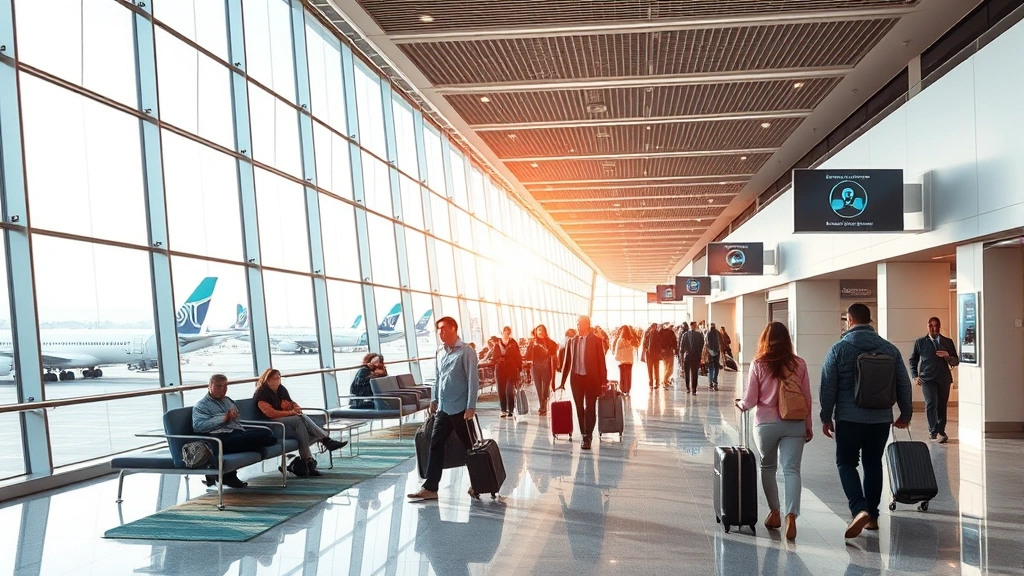
Business travelers on this route follow predictable patterns. Monday mornings see the heaviest traffic as professionals head to DC for the week. Friday afternoons reverse the flow, with DC-based workers returning to NYC. Tuesday-Thursday mid-day flights are absolutely packed with business commuters. If you must fly business days, early morning (6am-8am) or late afternoon (4pm-6pm) departures minimize crowds, though premium pricing applies.
Leisure travelers benefit from understanding business travel patterns. Flying Monday evening, Tuesday-Thursday morning, or Friday morning avoids peak business hours. Weekend flights are consistently cheaper and less crowded, with flights Saturday-Sunday offering the deepest discounts and most available seats. If your schedule permits weekend travel, you’ll enjoy a notably more relaxed flying experience.
Seasonal patterns overlay business travel rhythms. Spring (April-May) brings cherry blossom season to DC, filling flights with tourists. Fall (September-October) offers similar tourism spikes. Summer vacations (June-August) add family travelers. Winter (December-January) combines holiday travel with business trips, creating peak congestion. Late January through February represents the slowest travel period, offering cheapest fares and most available flights.
Technology and Apps for NYC-DC Travel
Mobile apps transform NYC-DC travel efficiency. Airline apps provide real-time flight updates, mobile boarding passes, and seat selection. TSA PreCheck and Clear apps expedite security, with Clear’s biometric scanning eliminating security lines entirely ($189 annually). Google Flights and Kayak track price trends, alerting you when fares drop. Setting up alerts for your preferred routes ensures you catch sales before they disappear.
Ground transportation apps vary by location. In NYC, the MTA’s official app provides real-time subway information. In DC, the WMATA app handles Metro timing. Uber and Lyft apps provide ride-sharing options at both ends. Parking apps like SpotHero help if you’re driving to the airport. Combining these apps—flight tracking, transit information, and ride-sharing—creates seamless journey management from door to door.
Expense tracking apps matter for frequent travelers. Apps like Concur or Expensify automatically categorize travel expenses, simplifying business reimbursement. If you’re flying this route frequently, tracking spending patterns reveals opportunities for optimization. Many business travelers discover they’re flying more than necessary after reviewing historical data, leading to consolidated trips and reduced travel costs.
Loyalty Programs and Frequent Flyer Optimization
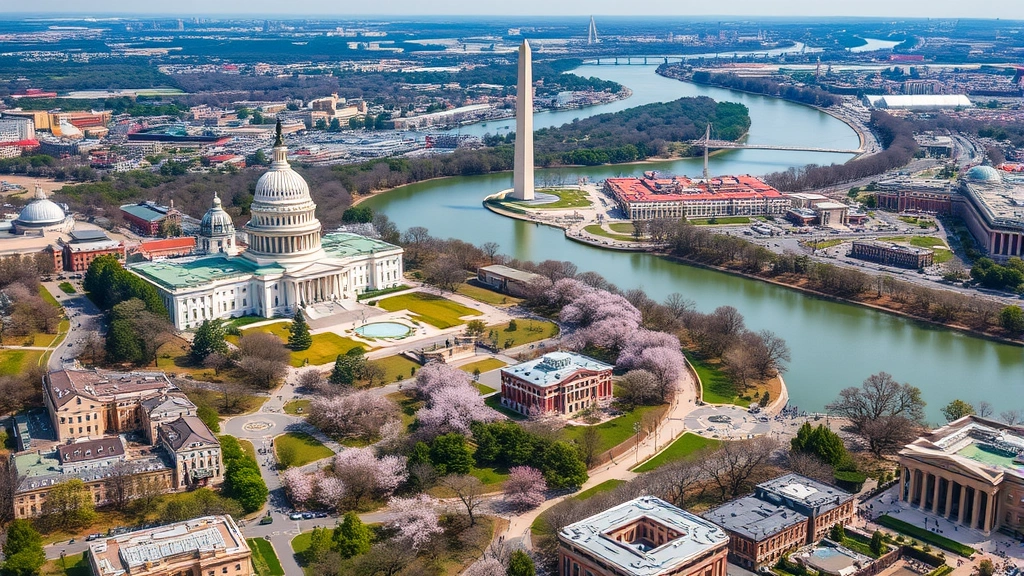
Concentrating your travel on one airline maximizes frequent flyer benefits on this route. If you’re flying NYC-DC multiple times yearly, committing to Delta, United, or Southwest—whichever serves your airports best—accelerates elite status achievement. Elite status unlocks benefits like complimentary upgrades, priority boarding, and airport lounge access. On a 90-minute flight, a first-class upgrade transforms the experience from cramped to comfortable.
Credit card partnerships amplify benefits significantly. Delta American Express cards earn 3x miles on Delta purchases, plus annual miles bonuses. United cards offer similar benefits. Southwest’s Rapid Rewards card earns 3x points on Southwest flights and 2x on travel purchases. These cards typically cost $95-450 annually but pay for themselves through annual miles bonuses alone, making them excellent investments for frequent NYC-DC travelers.
Comparing program benefits reveals nuances. Delta SkyMiles devalue miles periodically but maintain strong transfer partners for premium redemptions. Southwest Rapid Rewards never devalue points and offer easy redemptions, though earning potential is lower. United MileagePlus offers strong international benefits if you also fly long-haul routes. The best program depends on your complete travel pattern, not just NYC-DC flights.
Frequently Asked Questions
Is it cheaper to fly or take Amtrak from NYC to DC?
Amtrak’s Northeast Regional costs $30-60 and takes 3.5 hours from Penn Station to Union Station. Budget flights cost $50-150 but require 4-5 hours total (airport arrival, flight, ground transportation). For leisure travelers, Amtrak often wins on cost and convenience. Business travelers prioritizing time usually choose flights despite higher costs.
What’s the best day to fly NYC to DC?
Tuesday-Thursday typically cost 15-25% more due to business travel. Cheapest flights are Saturday-Sunday and Monday evening. If you must fly weekdays, late afternoon (3pm-5pm) flights cost less than morning departures and face lighter crowds.
Should I book a round-trip or one-way flights?
On this route, booking separate one-way flights often costs less than round-trip fares. Search both options before booking. One-way flexibility helps if your return date shifts, common with business travel. Round-trips occasionally offer modest discounts during promotional periods.
What’s the fastest way to get from NYC to DC?
Driving is fastest (3.5-4 hours depending on traffic) but requires parking. Flying takes 4-5 hours total. Amtrak takes 3.5 hours but involves less hassle. For pure flight time, you’re looking at 90 minutes, but total journey time depends on ground transportation efficiency at both ends.
Are there direct flights from NYC airports to DC?
Yes, all three NYC area airports (LaGuardia, Newark, JFK) offer direct flights to Reagan National (DCA), Dulles (IAD), and sometimes BWI (BWI). Connections are rare on this short route unless you’re flying into a regional airport.
What if my flight is cancelled between NYC and DC?
Airlines must offer rebooking on the next available flight or refund. On this heavily traveled route, alternative flights typically depart within 2-4 hours. The short distance means ground transportation becomes an option if flights are cancelled. Amtrak also serves as a backup transportation method.
Do I need TSA PreCheck for NYC-DC flights?
TSA PreCheck isn’t required but saves significant time. PreCheck costs $85 for five years and reduces security time from 15-20 minutes to 5-10 minutes. For frequent NYC-DC travelers, PreCheck pays for itself within 3-4 trips. It’s highly recommended but optional.
Can I use airline miles on NYC to DC flights?
Yes, most airline loyalty programs allow economy redemptions for 5,000-7,500 miles on NYC-DC flights. First-class redemptions cost 10,000-15,000 miles. Premium cabin seats on this short flight offer less value than on longer routes, so economy redemptions represent better value.


