Flight Following: Pilot’s Guide to Airborne Safety
Whether you’re a seasoned aviator crossing continental routes or a recreational pilot enjoying weekend flights, understanding flight following is essential for safe and efficient air travel. Flight following represents one of the most valuable safety tools available to pilots, providing real-time radar monitoring, traffic advisories, and weather updates throughout your flight. This comprehensive service transforms your cockpit into a connected command center, dramatically reducing the risk of mid-air conflicts and enabling you to navigate complex airspace with confidence.
The skies above North America are busier than ever, with thousands of aircraft operating simultaneously across diverse altitudes and flight paths. Without proper flight following services, pilots operate with limited situational awareness, vulnerable to blind spots and unexpected traffic encounters. By engaging air traffic control for flight following, you gain a second set of eyes—sophisticated radar systems continuously scanning airspace to identify potential conflicts before they become dangerous. This guide explores every aspect of flight following, from initial contact procedures to advanced techniques for maximizing safety and efficiency during your journeys.
Understanding flight following isn’t just about compliance; it’s about embracing a proactive safety culture that protects you, your passengers, and everyone sharing the airspace. Whether planning flights from Atlanta to Miami or executing cross-country adventures, mastering flight following protocols ensures you arrive safely at your destination.
What Is Flight Following?
Flight following is a non-radar service provided by air traffic control facilities that offers pilots continuous monitoring and advisories while operating under Visual Flight Rules (VFR). Unlike IFR (Instrument Flight Rules) operations where ATC maintains positive control, flight following provides advisory services—pilots retain responsibility for terrain avoidance, obstacle clearance, and maintaining visual separation from other aircraft. This distinction is crucial: flight following enhances safety through information sharing rather than mandatory control.
The primary purpose of flight following is to maintain awareness of your aircraft’s position and provide traffic advisories based on radar returns. Controllers track your blip on radar screens, identifying other aircraft in your vicinity and issuing warnings about potential conflicts. Additionally, flight following services include weather updates, routing suggestions, and assistance navigating around precipitation, turbulence, and hazardous conditions. This continuous support proves invaluable for pilots operating in busy terminal areas or crossing unfamiliar terrain.
Flight following differs significantly from other ATC services. Whereas instrument approaches and departures involve mandatory compliance with clearances, flight following maintains a collaborative relationship where controllers advise and pilots decide. This flexibility makes flight following ideal for VFR pilots who want enhanced safety without the strict requirements of IFR operations. Many pilots consider flight following the “sweet spot” between uncontrolled flight and full IFR control.

How Flight Following Works
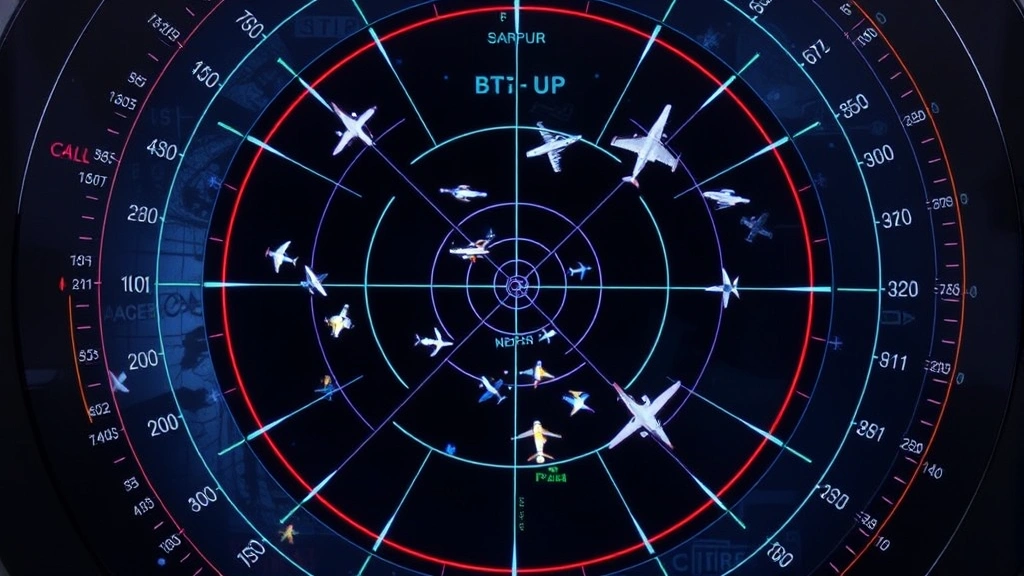
Understanding the mechanics of flight following illuminates why this service proves so effective. When you request flight following, you’re asking a radar facility to monitor your aircraft’s position continuously. Controllers use primary radar (which detects all aircraft reflecting radar waves) and secondary radar (which receives transponder signals identifying your aircraft) to track your progress. Your aircraft appears as a target on their radar scope, often with a data block displaying your call sign, altitude, and groundspeed.
The radar system continuously processes information from your transponder, which broadcasts your altitude, heading, and identification. Modern transponders equipped with Mode C capability transmit altitude information automatically, enabling controllers to verify your altitude and identify potential conflicts. As you fly, the radar system updates your position multiple times per second, creating a continuous track that controllers monitor for traffic threats. When another aircraft enters your vicinity, controllers can immediately calculate closure rates and issue advisories before conflicts develop.
Flight following facilities typically operate within specific geographic boundaries and altitude limitations. Terminal Radar Approach Control (TRACON) facilities serve areas around major airports, while En Route Centers monitor aircraft cruising at higher altitudes across broader regions. When you transition between facilities, controllers coordinate handoffs, ensuring continuous service without gaps in radar coverage. This seamless transition process maintains constant awareness of your position and potential threats.
Requesting Flight Following Services
Initiating flight following requires proper contact procedures and clear communication. Most pilots request flight following before departing, typically during initial contact with the departure facility or shortly after takeoff. The standard format involves contacting the appropriate ATC facility on their designated frequency, providing your call sign, aircraft type, altitude, and position. For example: “Memphis Approach, Cessna 8-7-3-Bravo-Romeo, Cessna 172, level 3,500 feet, five miles north of Memphis International, requesting flight following to Knoxville.”
Controllers will acknowledge your request and begin radar identification. They’ll ask you to perform a specific maneuver—typically a left or right turn—to confirm they’ve identified your aircraft on radar. Once identified, they’ll provide your radar position and begin issuing advisories. Controllers may request you squawk a specific transponder code (a four-digit identifier that distinguishes your aircraft from others), which helps them track you among the numerous targets on their scope.
Requesting flight following on cross-country flights planning routes like best road trips in USA provides continuous support across diverse regions. As you transition between ATC facilities during extended flights, controllers coordinate handoffs automatically. You might hear: “Cessna 873-Bravo-Romeo, contact Memphis Center 124.7, good day.” This handoff process ensures uninterrupted service as you progress toward your destination.
Communication Protocols and Procedures
Effective communication forms the foundation of successful flight following. Clear, concise radio phraseology ensures controllers understand your intentions and can provide appropriate advisories. The standard format for position reports includes your call sign, position, altitude, heading, and destination. Maintaining professional communication discipline prevents misunderstandings that could compromise safety.
Controllers will issue traffic advisories using the clock system to describe relative positions. A traffic call might sound like: “Traffic, 2 o’clock, 5 miles, southbound, altitude 3,200, appears to be a Piper Cherokee.” The clock position indicates direction relative to your aircraft’s nose (12 o’clock is directly ahead), distance specifies how far away the traffic is, and the description helps you locate the aircraft visually. Responding appropriately to traffic advisories demonstrates your attentiveness and helps controllers assess whether you’ve spotted the traffic.
When controllers issue advisories, they may suggest heading changes or altitude adjustments to increase separation. While these suggestions aren’t mandatory in VFR flight following, ignoring them without explanation raises safety concerns. If you cannot comply with a suggested maneuver, inform the controller immediately: “Cessna 873-Bravo-Romeo, unable to descend due to terrain, will maintain current altitude.” This communication prevents controllers from expecting compliance that won’t occur.
Frequency discipline proves essential during flight following operations. Keep transmissions brief and professional, avoiding unnecessary chatter that clogs the frequency. Listen before transmitting, allowing pauses for other aircraft to communicate. Monitor the frequency continuously, even during quiet periods, ensuring you don’t miss critical traffic advisories or handoff instructions.
Weather Integration and Routing
Modern flight following services integrate real-time weather information into advisory services. Controllers monitor weather radar, identifying precipitation, thunderstorms, and turbulence that could affect your flight. When they observe weather developing along your route, they’ll advise you of conditions and suggest alternative routings. This proactive weather integration prevents pilots from flying into unexpected hazardous conditions.
Controllers can relay PIREP (Pilot Report) information from other aircraft, providing real-time observations of actual conditions. If a preceding aircraft reports moderate turbulence at a specific altitude, controllers will share this information, helping you decide whether to climb, descend, or deviate. This peer information proves invaluable when official weather reports lag behind actual conditions changing in real-time.
When planning flights across diverse terrain like top travel destinations in South America, flight following provides essential weather routing. Controllers familiar with local conditions can suggest optimal altitudes and headings that minimize weather encounters while maintaining your desired track. This expertise, combined with continuous monitoring, transforms flight following into a dynamic flight planning tool.
Traffic Advisories and Conflict Resolution
The primary safety benefit of flight following emerges when controllers issue traffic advisories. Identifying aircraft you might not see visually, controllers provide vectors and altitude suggestions to establish safe separation. When multiple aircraft operate in proximity, controllers become the coordinating authority, ensuring each pilot receives information necessary to maintain separation.
Traffic advisories follow specific protocols. Controllers issue advisories only for aircraft they identify on radar, excluding targets they cannot identify. They describe traffic using relative bearing, distance, altitude, and aircraft type or direction of flight. The most critical traffic calls are “altitude alerts,” warning of aircraft at your exact altitude or climbing/descending toward your altitude. These calls demand immediate attention and response.
When you receive a traffic advisory and cannot visually locate the aircraft, inform the controller: “Cessna 873-Bravo-Romeo, negative contact, still looking.” This communication helps controllers assess your situation and potentially provide additional advisories or suggest evasive maneuvers. If you locate the traffic, report: “Cessna 873-Bravo-Romeo, traffic in sight,” relieving controllers’ concern and confirming you’ll maintain visual separation.
Conflict resolution during flight following sometimes requires immediate action. Controllers may issue mandatory altitude changes or vectors to prevent conflicts. While flight following doesn’t involve mandatory compliance like IFR operations, ignoring critical safety advisories violates fundamental aviation principles. Professional pilots recognize when controllers’ suggestions represent essential safety measures requiring immediate compliance.
Flight Following in Different Airspace
Flight following availability and procedures vary across airspace classifications. Class B airspace (surrounding major airports) requires specific clearances but benefits from continuous radar monitoring. Class C and D airspace around smaller airports also provides flight following, though with different communication requirements. Understanding these distinctions ensures you request appropriate services for your specific route.
Class E airspace, which encompasses much of the continental United States above 1,200 feet, welcomes flight following requests. En Route Centers monitor aircraft throughout Class E airspace, providing continuous radar service to VFR flights. This widespread availability means most cross-country flights can maintain continuous flight following from departure to destination.
Class G (uncontrolled) airspace presents different challenges. While flight following remains available in Class G airspace at higher altitudes, lower-altitude operations in Class G receive limited radar service. Pilots operating at low altitudes in Class G airspace should understand that flight following availability may be intermittent, depending on local facility coverage and workload.
Flying near military operating areas (MOAs) or special use airspace requires awareness of flight following limitations. Controllers may not provide advisories for military traffic in MOAs, as military aircraft operate under different rules. However, controllers will still provide advisories for civilian traffic and can suggest routes that avoid active military airspace. Consulting how to travel on a budget principles applies to flight planning too—efficient routing saves fuel and reduces flight time.
Technology and Modern Systems
Advanced technology continuously enhances flight following capabilities. Automatic Dependent Surveillance-Broadcast (ADS-B) systems transmit your aircraft’s position directly to ground stations, providing more accurate position information than traditional radar. Controllers equipped with ADS-B data can identify your aircraft more quickly and track you more precisely, especially at lower altitudes where radar coverage proves limited.
Traffic Collision Avoidance Systems (TCAS) installed in many aircraft complement flight following services. While flight following provides controller-issued advisories, TCAS independently monitors surrounding aircraft and issues warnings when conflicts develop. Modern cockpits integrate flight following information with TCAS alerts, creating comprehensive traffic awareness. However, pilots must understand that flight following and TCAS serve complementary roles—neither replaces the other.
Datalink technology increasingly enables two-way digital communication between aircraft and controllers. Rather than voice radio communications, datalink transmits weather, traffic information, and clearances digitally. This technology promises to increase communication efficiency and enable more precise traffic advisories. Forward-thinking pilots embracing datalink technology position themselves at the forefront of aviation safety advancement.
Mobile applications and web-based flight planning tools now integrate real-time flight tracking and traffic information. Pilots can visualize their position relative to other aircraft, weather, and airspace boundaries before and during flights. These tools supplement—not replace—flight following services, providing additional situational awareness that enhances safety.
Common Mistakes to Avoid
Despite flight following’s obvious benefits, pilots sometimes underutilize this service or use it ineffectively. Many pilots request flight following only for IFR-required flights, overlooking how VFR flight following enhances safety during visual flight. Making flight following a standard practice for all cross-country flights, regardless of weather conditions, establishes consistent safety habits.
Failing to maintain adequate radio listening causes pilots to miss critical traffic advisories or handoff instructions. Some pilots become complacent after receiving flight following, assuming controllers will warn them of all threats. This passive approach contradicts fundamental VFR principles requiring pilots to “see and avoid” other traffic. Flight following supplements—not replaces—your responsibility to scan for traffic and maintain situational awareness.
Pilots sometimes provide inaccurate position reports or fail to update controllers when flight plans change. Vague position reports (“somewhere between Memphis and Nashville”) make it difficult for controllers to identify aircraft on radar. Precise position reporting, including landmarks or distances from navigation aids, enables controllers to confirm your exact location and provide accurate traffic advisories.
Another critical mistake involves ignoring controller suggestions or failing to communicate when unable to comply. When controllers suggest altitude changes or vectors that you cannot execute, explaining your constraints enables them to provide alternative advisories. Silently ignoring suggestions without explanation leaves controllers uncertain about your position and intentions, compromising their ability to protect you from traffic.
Pilots sometimes cancel flight following prematurely, losing radar service before reaching their destination. While canceling flight following near your destination makes sense, canceling too early eliminates protection during approach phases when traffic density increases. Maintain flight following until you’re on short final approach or have landed at your destination.
Best Practices for Effective Flight Following
Maximizing flight following benefits requires deliberate practices and professional habits. Develop a consistent routine for requesting flight following, ensuring you contact the appropriate facility at the optimal time. For departures, request flight following during initial contact with departure control, providing complete information about your aircraft, altitude, and destination in one transmission.
Maintain precise altitude control during flight following operations. Controllers issue traffic advisories based partly on altitude information from your transponder. Climbing or descending without informing controllers creates confusion about your actual altitude and can result in inadequate separation from other traffic. Announce altitude changes before executing them: “Memphis Approach, Cessna 873-Bravo-Romeo, requesting climb to 4,500 feet.”
Develop strong radio communication skills that enable clear, concise exchanges with controllers. Practice standard phraseology, listen to other pilots’ communications, and study ATC procedures. Professional communication demonstrates competence and encourages controllers to provide more thorough service. Controllers who perceive pilots as professional and attentive invest greater effort in protecting them from threats.
Plan flights strategically to maximize flight following availability. When possible, route flights through areas with good radar coverage and active ATC facilities. Understanding facility boundaries and handoff procedures enables smoother transitions between controllers. Consulting sectional charts and notam information before flights ensures you understand the airspace you’ll traverse.
Integrate flight following into your broader risk management strategy. View flight following as one component of comprehensive safety practices including thorough preflight planning, continuous weather monitoring, and proactive decision-making. When combined with proper training, aircraft maintenance, and personal fitness, flight following contributes to a safety culture that dramatically reduces accident risk.
For pilots planning trips like flights from Boston to Miami, flight following becomes especially valuable across busy corridors with high traffic density. The enhanced situational awareness provided by professional controllers proves worth the minimal effort required to request and maintain flight following services.
Flight Following and Accident Prevention
Statistical evidence demonstrates that flight following significantly reduces accident risk. Mid-air collisions, one of the most catastrophic accident types, become extraordinarily unlikely when controllers provide continuous radar monitoring and traffic advisories. Studies consistently show that aircraft operating under flight following experience fewer accidents related to traffic encounters than unmonitored VFR flights.
Beyond traffic safety, flight following prevents accidents by providing weather guidance and routing suggestions that help pilots avoid hazardous conditions. Controllers familiar with local meteorology can suggest altitudes and routes that circumvent developing thunderstorms or severe turbulence. This proactive guidance prevents pilots from inadvertently flying into weather that exceeds their capabilities or aircraft limitations.
Flight following also facilitates rapid assistance when emergencies develop. Controllers monitoring your flight can immediately coordinate rescue resources, direct you to suitable landing areas, or provide navigation assistance if your instruments fail. This immediate access to expert assistance proves invaluable during in-flight emergencies, potentially transforming survivable accidents into successful emergency landings.
The accident prevention benefits of flight following justify making it standard practice for all cross-country flights. The minimal workload involved in requesting and maintaining flight following produces disproportionate safety benefits. Professional pilots recognize this value and make flight following a fundamental component of their operational procedures.
Training and Currency for Flight Following
While flight following doesn’t require specific certifications or endorsements, pilots benefit from formal training in flight following procedures. Many flight schools include flight following instruction in their curriculum, teaching students proper request procedures, communication protocols, and traffic advisory interpretation. Pilots who haven’t received formal training should seek instruction from experienced instructors or mentors familiar with local ATC procedures.
Currency in flight following skills requires regular practice. Pilots who infrequently use flight following may feel uncomfortable with radio procedures or uncertain about proper responses to traffic advisories. Maintaining regular cross-country flying with continuous flight following keeps skills sharp and builds confidence in ATC communications. New procedures or facility changes sometimes occur, requiring pilots to remain current with evolving practices.
Advanced flight following techniques include understanding how controllers prioritize traffic, recognizing when controllers provide incomplete information due to workload, and independently assessing traffic threats when controller advisories seem inadequate. Experienced pilots develop intuition about traffic patterns and can often anticipate conflicts before controllers issue advisories. This advanced awareness develops through experience and deliberate study of ATC operations.
International Flight Following Considerations
Pilots conducting international flights encounter different flight following procedures and terminology. While the fundamental concept remains consistent—controllers monitoring aircraft and providing traffic advisories—specific procedures vary by country and region. Pilots planning international flights should research destination countries’ ATC procedures, frequency assignments, and communication requirements.
Many international airspace regions utilize different phraseology and separation standards than North American operations. Controllers in some regions may issue mandatory clearances rather than advisory services. Understanding these distinctions before crossing international borders prevents confusion and ensures compliance with foreign ATC requirements. FAA guidance documents provide resources for understanding international flight procedures.
Flight Following with Winter Travel Planning
Pilots planning best winter travel destinations should understand how winter weather affects flight following services. Ice, snow, and reduced visibility can degrade radar performance, potentially limiting controller’s ability to identify aircraft or issue traffic advisories. Winter operations demand heightened reliance on flight following, as visual separation becomes more difficult in reduced visibility conditions.
FAQ
What’s the difference between flight following and an IFR clearance?
Flight following provides advisory radar service to VFR pilots, while IFR clearances involve mandatory ATC control. Flight following doesn’t require compliance with all controller instructions, whereas IFR operations mandate strict adherence to clearances. Flight following is available to VFR pilots at no cost, while IFR operations require instrument ratings and specific training.
Can I request flight following at any time during my flight?
Yes, you can request flight following at any point during your flight, though requesting before departure or shortly after takeoff is most practical. Requesting en route requires identifying your position clearly so controllers can locate you on radar. Once established, flight following typically continues until you cancel the service or land.
Do I need special equipment to receive flight following?
A functioning transponder with Mode C capability (altitude reporting) is essential for flight following in most U.S. airspace. Some remote areas or lower altitudes in Class G airspace might provide flight following with basic transponders, but Mode C capability ensures optimal service. ADS-B equipment provides even better position reporting but isn’t strictly required for flight following.
What should I do if I disagree with a controller’s traffic advisory?
If you believe a controller’s advisory is inaccurate, you can politely express your concern: “Approach, Cessna 873-Bravo-Romeo, unable to locate that traffic, request additional information.” Controllers will provide clarification or cancel the advisory if they’ve misidentified the target. Maintaining respectful communication while expressing concerns ensures controllers continue providing thorough service.
Can flight following prevent all mid-air collisions?
While flight following dramatically reduces collision risk, it cannot eliminate all possibilities. Controllers occasionally miss targets on radar, and pilots sometimes fail to see traffic despite advisories. Flight following works best when combined with diligent pilot scanning, terrain awareness, and conservative decision-making. Treating flight following as one layer in comprehensive safety practices produces optimal results.
How do I know which facility to contact for flight following?
Sectional charts indicate which ATC facilities serve specific regions and their frequency assignments. Departure airports typically provide frequency information for their local approach control. Flight planning resources and AirNav databases list facility frequencies for any airport or region. When uncertain, your departure airport can provide appropriate frequency information.
What happens if my radio fails during flight following?
If radio communication fails during flight following, controllers will continue monitoring your radar target. Squawk 7600 (the radio failure code) on your transponder to alert controllers of your situation. Continue your flight as planned, maintaining your altitude and heading. Controllers will coordinate with your destination airport to prepare for your arrival without radio communication.
Is flight following required in Class B airspace?
No, flight following differs from Class B clearances. Class B airspace requires specific clearances to enter, but once cleared, you can operate VFR without flight following. However, requesting flight following after receiving Class B clearance provides additional traffic advisories, enhancing safety in this high-traffic environment.
Can I request flight following for low-altitude flights?
Flight following availability at low altitudes depends on radar coverage in your specific region. En Route Centers typically monitor aircraft above 1,200 feet in most areas, while terminal facilities provide coverage around major airports. Contacting the appropriate facility and requesting flight following will quickly determine whether service is available in your intended flight area.
How long does radar identification typically take?
Controllers usually identify your aircraft within 1-2 minutes of your request. After providing your call sign, aircraft type, altitude, and position, controllers will ask you to perform a turn maneuver to confirm identification. Once identified, they’ll provide your radar position and begin issuing advisories. If identification takes longer than expected, ask controllers for your radar position.