Flight dispatcher jobs represent one of the most critical yet underappreciated roles in the aviation industry. These professionals serve as the backbone of flight operations, coordinating between pilots, air traffic control, maintenance crews, and ground personnel to ensure safe and efficient flight operations. If you’re considering a career in aviation but aren’t interested in becoming a pilot, flight dispatching offers an intellectually demanding, well-compensated alternative that directly impacts aviation safety.
The role demands exceptional organizational skills, quick decision-making abilities, and an unwavering commitment to safety protocols. Flight dispatchers work behind the scenes during moments of crisis, such as when an aircraft diverts due to mechanical issues or when unexpected flight delays occur during peak travel periods. Understanding what this career entails, the qualifications required, and the job market outlook will help you determine if flight dispatcher job opportunities align with your professional goals.
What Does a Flight Dispatcher Do
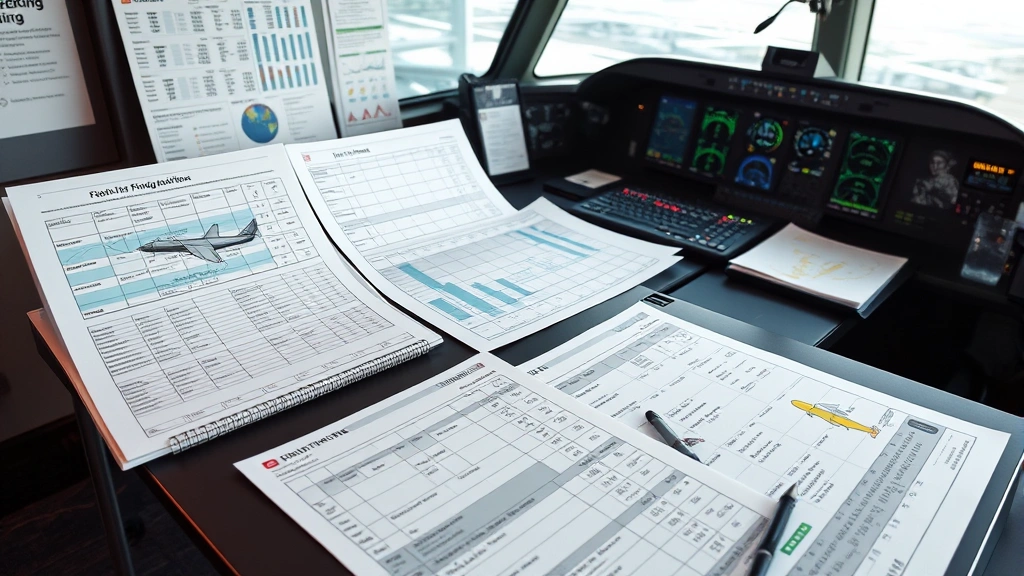
A flight dispatcher serves as the decision-making authority for flight operations, working in coordination with the pilot-in-command. Before an aircraft ever leaves the gate, dispatchers must file flight plans, calculate fuel requirements, determine optimal flight paths, and assess weather conditions along the entire route. They analyze meteorological data, check aircraft maintenance status, review airport conditions, and evaluate air traffic congestion to plan the most efficient and safe flight.
During flight operations, dispatchers maintain continuous communication with aircraft crews, providing real-time updates on weather developments, air traffic delays, and any operational changes. When incidents occur—such as the tracking of flight status updates during operational disruptions—dispatchers coordinate the response, working with maintenance, operations, and customer service teams. They must make critical decisions about diverting aircraft, declaring emergencies, or modifying flight plans based on evolving conditions.
The dispatcher’s authority is shared with the pilot-in-command, but they hold significant responsibility for the safety and efficiency of each flight. This dual authority structure means dispatchers must understand aviation regulations intimately and maintain clear communication with flight crews. They document all decisions and maintain detailed records for safety investigations and regulatory compliance.

Educational Requirements and Certifications
Becoming a flight dispatcher requires specific educational qualifications and professional certifications. Most airlines require candidates to hold at least a high school diploma or GED, though many prefer some college coursework. However, the critical requirement is obtaining a Flight Dispatcher Certificate from the Federal Aviation Administration (FAA).
The FAA’s Flight Dispatcher Certification process involves passing a knowledge test that covers aviation regulations, meteorology, aircraft performance, navigation, and emergency procedures. The test is comprehensive and typically requires 200-300 hours of dedicated study. Many candidates pursue this certification through specialized flight dispatcher schools, which offer structured training programs lasting 6-12 weeks. These programs cover the FAA knowledge test material while also providing practical training in dispatch operations.
Beyond the initial FAA certification, dispatchers must complete airline-specific training programs. Each carrier operates differently, maintains different aircraft types, and follows unique operational procedures. New hires typically undergo 4-8 weeks of airline-specific training covering the carrier’s policies, dispatch procedures, specific aircraft systems, and the airline’s route network. This training ensures consistency and safety within the airline’s operations.
Some major airlines and aviation organizations offer their own dispatcher training programs. The FAA website maintains a list of approved flight dispatcher schools, and the International Federation of Airline Pilots’ Associations provides resources on dispatcher standards worldwide. Continuing education requirements ensure dispatchers remain current with regulatory changes and operational best practices.
Skills and Competencies Needed
Technical knowledge represents only one component of successful flight dispatcher performance. The role demands a unique combination of hard and soft skills that develop through training and experience. Understanding route planning between destinations like LAX to Chicago flights and Boston to London flight times demonstrates the geographic knowledge required, but dispatchers must apply this to hundreds of routes simultaneously.
Critical thinking and decision-making abilities are paramount. Dispatchers must analyze complex situations involving multiple variables—weather systems, aircraft capabilities, crew duty times, fuel calculations, and airport constraints—to make decisions that affect safety and efficiency. The ability to remain calm under pressure is essential, as dispatchers may handle emergencies such as engine failures, medical situations, or security threats while maintaining focus and clear communication.
Mathematical proficiency is necessary for weight and balance calculations, fuel planning, and performance computations. Dispatchers must understand aircraft performance data and how factors like temperature, altitude, and weight affect takeoff and landing distances. Meteorological knowledge allows them to interpret weather briefings and understand how atmospheric conditions impact flight safety and routing.
Communication skills determine how effectively dispatchers relay critical information to pilots and coordinate with other departments. Clear, concise communication prevents misunderstandings that could compromise safety. Dispatchers must also demonstrate strong interpersonal skills, as they work within teams and must establish credibility with experienced flight crews.
Physical and mental stamina matters more than many realize. Dispatcher shifts often span 8-10 hours, sometimes involving overnight or weekend work. The job requires sustained concentration and rapid response capabilities throughout the shift. Many dispatchers work rotating schedules to maintain 24/7 operations, which demands adaptability and resilience.
Job Market and Salary Outlook
The flight dispatcher job market shows promising growth as the aviation industry recovers and expands. The U.S. Bureau of Labor Statistics projects steady demand for air transportation workers, and dispatchers remain in relatively short supply compared to demand. Major airlines, regional carriers, and cargo operators all require dispatchers, creating diverse employment opportunities across the industry.
Salary for flight dispatchers varies based on experience, employer, and geographic location. Entry-level dispatchers typically earn between $45,000 and $55,000 annually, while experienced dispatchers at major carriers can earn $80,000 to $130,000 or more. Benefits packages typically include health insurance, retirement plans, travel privileges, and crew scheduling flexibility. Some airlines offer substantial signing bonuses for certified dispatchers, reflecting the competitive hiring environment.
Regional carriers generally offer lower salaries than major airlines but provide valuable entry-level experience. Cargo operators like FedEx and UPS often pay competitively, as their operations run 24/7 with high dispatch demands. International carriers and government aviation organizations also employ dispatchers at varying compensation levels.
The job market benefits from several factors: increased air traffic, aging dispatcher workforce (many approaching retirement), pilot shortages that increase airline hiring and expansion, and the growth of cargo operations. These factors create multiple flight dispatcher job opportunities across different carrier types and geographic regions.
Career Advancement Opportunities
Flight dispatching offers a clear career progression path. Entry-level dispatchers begin with limited route authority and gradually earn privileges to dispatch larger aircraft and more complex routes as they gain experience. Senior dispatchers may supervise other dispatchers, mentor new hires, or specialize in particular aircraft types.
Many dispatchers transition into management roles, becoming Dispatch Supervisors, Operations Managers, or Duty Managers. These positions involve overseeing dispatch operations, managing staff, and serving as the primary decision-maker during significant operational events. The transition from dispatcher to management typically occurs after 5-10 years of operational experience.
Some dispatchers move into related aviation careers, such as flight operations, safety management, or airline scheduling. The knowledge and experience gained as a dispatcher provide excellent background for positions in aircraft maintenance coordination, crew scheduling, or air traffic management. Others pursue additional certifications in airline operations or aviation management.
Professional development opportunities abound through industry organizations like the International Federation of Airline Pilots’ Associations and the Airline Dispatchers Federation. These organizations offer conferences, training programs, and networking opportunities that enhance professional growth and keep dispatchers current with industry developments.
Finding Flight Dispatcher Positions
Securing a flight dispatcher position requires a strategic approach. Start by obtaining your FAA Flight Dispatcher Certificate through an approved school. This certification is non-negotiable; without it, you cannot work as a dispatcher. Research schools carefully, considering program length, cost, curriculum quality, and job placement assistance.
Once certified, apply directly to airlines through their career websites. Major carriers like American Airlines, Delta, United, Southwest, and JetBlue regularly hire dispatchers. Regional carriers like SkyWest, Republic, and Endeavor also employ dispatchers and may offer more accessible entry points. Cargo operators including FedEx, UPS, and DHL hire substantial numbers of dispatchers.
Network within the aviation community. Attend industry conferences, join professional organizations, and connect with dispatchers already working in the field. Many positions are filled through referrals, and having connections within the industry significantly improves your prospects. Consider reaching out to dispatch supervisors at airlines where you’d like to work.
Document your experience thoroughly. If you have military aviation background, air traffic control experience, or work in related fields, emphasize how this experience prepares you for dispatch responsibilities. Create a professional resume highlighting your analytical abilities, decision-making skills, and any aviation-related experience.
Be prepared for background checks, medical examinations, and extensive interviews. Airlines take security and safety seriously, so expect thorough vetting. During interviews, demonstrate your understanding of aviation operations by discussing specific scenarios—how you would handle the complexities of dispatching international flights from major hubs like JFK or managing operations during challenging weather events.
Consider starting with regional carriers or cargo operators if major airline positions seem competitive. Gaining operational experience at smaller carriers provides valuable training and makes you more attractive to major carriers later. Many dispatchers follow this progression path successfully.
FAQ
How long does it take to become a flight dispatcher?
The timeline varies, but most people complete the process in 3-6 months. This includes 6-12 weeks for FAA certification training, passing the knowledge test (which may require additional study time), and 4-8 weeks of airline-specific training after being hired. Some individuals complete it faster if they study intensively, while others take longer if they need additional preparation.
What is the difference between a flight dispatcher and an air traffic controller?
Flight dispatchers work for airlines and plan flights before departure, maintaining communication with crews during flight. Air traffic controllers work for the FAA or government agencies and direct aircraft movements in airspace and at airports. Both roles are critical to aviation safety but involve different responsibilities and regulatory frameworks.
Do flight dispatchers need a background in aviation?
While aviation background is helpful, it’s not required. Many successful dispatchers came from non-aviation careers. What matters is your ability to learn complex systems, make decisions under pressure, and demonstrate commitment to safety. However, any experience in aviation, military, or related fields strengthens your application.
Can flight dispatchers work remotely?
Most flight dispatcher positions require physical presence in an operations center due to the real-time communication and coordination demands. However, some airlines have explored remote dispatch operations, particularly for smaller or regional carriers. The trend is slowly moving toward hybrid or remote possibilities, but traditional on-site dispatch remains the standard.
What are the typical work schedules for flight dispatchers?
Dispatchers work rotating shifts covering 24-hour operations, including nights, weekends, and holidays. Most airlines use bid systems where dispatchers with seniority select preferred schedules first. Entry-level dispatchers typically receive less desirable schedules, but with seniority, they gain flexibility. Some positions offer more stable schedules at smaller carriers or during specific operational periods.
Is there a dispatcher shortage in the aviation industry?
Yes, the aviation industry faces a dispatcher shortage. Retirements, increased air traffic, and expanding airline operations create demand that outpaces supply. This shortage benefits job seekers, as airlines actively recruit and offer competitive compensation packages and signing bonuses to attract qualified candidates.