Life as an Emirates Flight Attendant: Insider Insights
Working as an Emirates flight attendant represents one of the most coveted aviation careers in the world. Emirates, the flagship carrier of the United Arab Emirates, operates one of the largest fleets of Boeing 777 and Airbus A380 aircraft globally, connecting travelers to over 150 destinations across six continents. For those who dream of combining world travel with professional excellence, becoming an Emirates flight attendant offers an unparalleled opportunity to experience luxury service, cultural immersion, and career advancement at 35,000 feet.
The allure of working for Emirates extends far beyond the uniform and the prestige of serving international passengers. Flight attendants for this prestigious airline enjoy a unique lifestyle that blends adventure, responsibility, and personal growth. From layovers in exotic destinations to training at one of the most advanced aviation facilities in the world, the Emirates experience shapes professionals who become ambassadors of world-class hospitality.
The Rigorous Recruitment Process
Landing a position as an Emirates flight attendant requires navigating one of the aviation industry’s most selective hiring processes. The airline receives hundreds of thousands of applications annually from candidates across the globe, yet only a small percentage advance to employment. The journey begins with an online application where candidates must meet fundamental requirements: minimum age of 21 years, valid passport with at least six months validity, and fluency in English.
Initial screening focuses on physical requirements and grooming standards that reflect Emirates’ luxury brand positioning. Candidates must be between 160 and 190 centimeters in height, possess clear skin without visible tattoos, and maintain an impeccable appearance. These standards ensure consistency with the airline’s premium service image when serving international clientele traveling to destinations like flights to Curacao Caribbean and beyond.
The video interview stage tests communication skills, personality, and customer service aptitude. Candidates respond to pre-recorded questions, demonstrating their ability to think quickly and articulate responses professionally. Those who progress face group interviews where assessments include role-playing scenarios, team exercises, and individual presentations. These evaluations reveal how candidates handle pressure, collaborate with colleagues, and manage challenging passenger situations.
Final-stage candidates participate in in-person interviews conducted by senior cabin crew members and human resources specialists. These comprehensive interviews explore motivation, cultural awareness, and commitment to the Emirates vision. Background checks, medical examinations, and security clearances complete the vetting process, ensuring only the most qualified and trustworthy individuals join the cabin crew ranks.

Comprehensive Training Program
Upon acceptance, new recruits enter Emirates’ state-of-the-art training facility in Dubai, one of the world’s most advanced aviation training centers. The initial training program spans approximately seven weeks of intensive instruction covering safety procedures, emergency protocols, customer service excellence, and aircraft-specific operations. Trainees learn on full-scale mockups of Boeing 777 and Airbus A380 cabins, practicing evacuation procedures, first aid response, and security protocols in realistic scenarios.
Safety training constitutes the foundation of the program, with trainees mastering emergency equipment operation, passenger evacuation techniques, and fire-fighting procedures. Instructors simulate various crisis scenarios—from rapid decompression to medical emergencies—ensuring cabin crew members can respond decisively and protect passenger lives. This rigorous preparation distinguishes Emirates flight attendants as highly trained safety professionals, not merely service providers.
Customer service training emphasizes Emirates’ commitment to hospitality excellence. Trainees learn the airline’s service philosophy, cultural sensitivity protocols, and techniques for exceeding passenger expectations. Training covers wine and beverage service, meal preparation, special meal requirements, and passenger comfort management. Instructors emphasize personalized attention, anticipating passenger needs, and maintaining composure during demanding situations.
Language training enhances communication capabilities with international passengers. While English is mandatory, many trainees develop proficiency in additional languages including Arabic, French, Spanish, and Mandarin Chinese. This multilingual approach enables flight attendants to provide superior service across Emirates’ extensive network, including routes to flights to St. Maarten and countless other international hubs.
Daily Responsibilities and Duties
An Emirates flight attendant’s day begins hours before departure with crew briefings, uniform inspection, and aircraft preparation. Pre-flight duties include verifying emergency equipment functionality, checking galley supplies, ensuring cabin cleanliness, and reviewing passenger manifests for special requirements. Flight attendants must be physically present at the airport well before scheduled departure, allowing adequate time for these critical preparations.
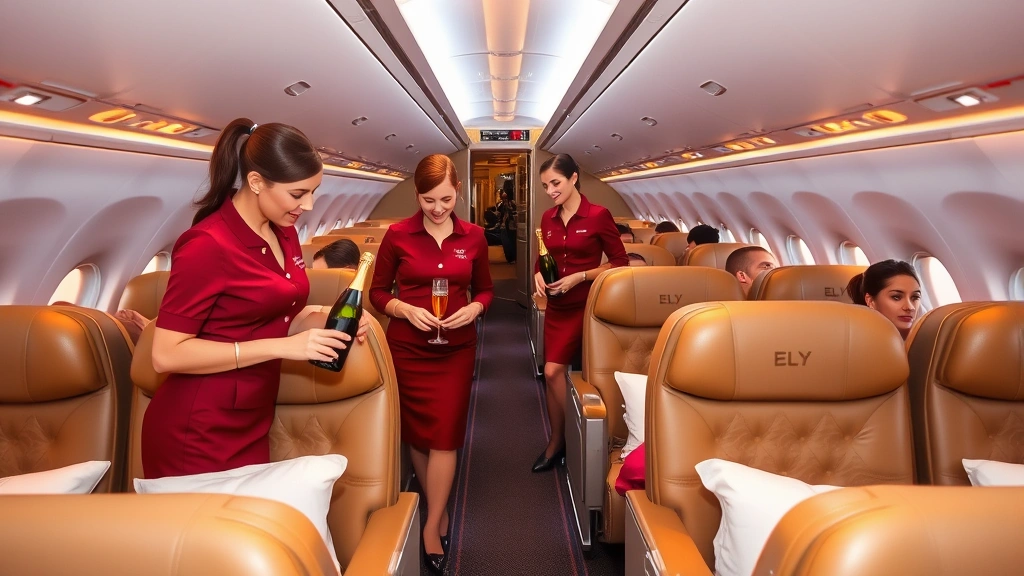
During flight operations, cabin crew members deliver world-class service across multiple cabin classes—First Class, Business Class, and Economy Class. First Class service on the Airbus A380 represents the pinnacle of luxury aviation, with flight attendants serving gourmet meals, premium beverages, and providing personalized amenities. Business Class passengers receive fine dining service, amenity kits, and attentive care. Economy Class passengers deserve equally professional service, ensuring every traveler feels valued regardless of ticket price.
Safety remains paramount throughout every flight. Flight attendants conduct pre-flight safety demonstrations, monitor cabin conditions, respond to passenger requests, and remain vigilant for security concerns. They perform safety checks at regular intervals, ensure seatbelt compliance, and manage beverage and meal services with precision. During turbulence or emergencies, flight attendants maintain passenger calm, communicate clearly, and execute emergency procedures with professionalism.
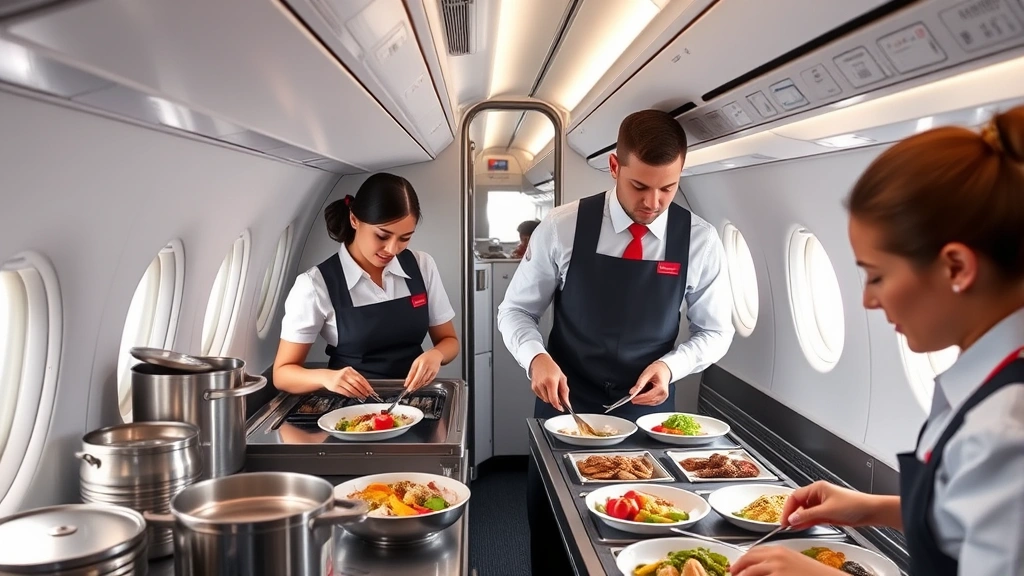
Galley operations demand efficiency and coordination among crew members. Flight attendants prepare meals, manage inventory, and coordinate service timing across multiple cabin sections. This requires physical stamina, organizational skills, and ability to work collaboratively under time constraints. On long-haul flights spanning 15+ hours, crew members rotate duties and rest periods, managing fatigue while maintaining service excellence.
Special situations test flight attendants’ adaptability and problem-solving abilities. Unruly passengers, medical emergencies, mechanical issues, and weather delays require calm, professional responses. Flight attendants undergo scenario-based training to handle these challenges, and experienced crew members mentor newer staff in real-world crisis management.
Exploring Global Destinations
One of the most compelling aspects of working as an Emirates flight attendant involves accessing a global passport of destinations. Emirates operates flights to major hubs including New York, London, Paris, Tokyo, Sydney, and Dubai. Flight attendants experience layovers ranging from 8 to 24+ hours, providing opportunities to explore cities between flights. This lifestyle appeals to adventurous professionals seeking cultural immersion and travel experiences that few careers offer.
Layover time management becomes an art form. With international flights creating jet lag and fatigue, many flight attendants prioritize rest and recovery during short layovers. However, longer layovers enable exploration of local neighborhoods, cuisine, historical sites, and cultural attractions. Over time, experienced flight attendants develop favorite destinations and deep familiarity with global geography and cultural nuances.
The airline facilitates layover experiences through crew hotels strategically located near major attractions. Flight attendants enjoy discounted accommodations, transportation arrangements, and access to crew lounges providing rest facilities and amenities. Some routes feature particularly desirable layovers—Dubai’s cosmopolitan attractions, London’s cultural richness, and New York’s vibrant energy rank among crew favorites. For those exploring Caribbean routes, understanding Boston flights to Miami connections helps plan strategic travel.
Extended layovers enable flight attendants to develop genuine connections with cities worldwide. Regular crews on specific routes become familiar with local restaurants, boutiques, and attractions. This continuous exposure to diverse cultures, cuisines, and perspectives profoundly enriches personal development and global awareness.
Compensation and Benefits Package
Emirates offers competitive compensation packages that attract talent globally. Base salaries for flight attendants range from 2,500 to 3,500 AED monthly (approximately $680-$950 USD), supplemented by flight hour allowances providing additional income for every hour worked. International flight routes generate higher allowances, creating earning potential exceeding 8,000-10,000 AED monthly ($2,180-$2,720 USD) for experienced, high-seniority crew members.
Beyond salary, benefits include comprehensive health insurance covering medical, dental, and optical care for crew members and eligible dependents. Life insurance, disability coverage, and pension plans provide financial security. Free accommodation in crew housing near Dubai reduces major living expenses, allowing flight attendants to save substantially from earnings.
Travel benefits represent an exceptional perk. Flight attendants enjoy discounted or complimentary flights for themselves and family members on Emirates and partner airlines. These privileges enable affordable exploration of destinations worldwide, making world travel financially accessible. Some flight attendants use these benefits to visit top travel destinations 2025 during vacation periods.
Additional perks include annual leave, sick leave, and maternity benefits. Flight attendants accrue vacation days enabling extended time off for personal pursuits. Professional development opportunities, including language training and advanced service certifications, support career advancement without additional cost.
Challenges and Rewards
The Emirates flight attendant lifestyle presents genuine challenges alongside remarkable rewards. Irregular schedules disrupt sleep patterns and complicate maintaining consistent routines. Time zone changes across multiple continents cause jet lag affecting physical health and mental well-being. The demanding nature of service work—standing for extended periods, managing difficult passengers, and maintaining composure during stress—requires significant physical and emotional resilience.
Relationships and family life require careful management. Extended time away from home, irregular scheduling, and frequent international travel complicate maintaining close family connections. Many flight attendants sacrifice traditional family structures, romantic relationships, and stable home environments for career opportunities. This lifestyle suits independent, adventure-seeking professionals but challenges those prioritizing family proximity.
Conversely, the rewards profoundly impact those suited to this career. Experiencing diverse cultures, forming international friendships, and witnessing world events from unique perspectives provide incomparable personal enrichment. Flight attendants develop resilience, adaptability, and cross-cultural competence that serve them throughout life. The prestige of representing a luxury airline and delivering exceptional service creates meaningful professional pride.
Career satisfaction stems from genuine human connection. Flight attendants help anxious travelers feel comfortable, celebrate special occasions with passengers, and occasionally assist during medical emergencies or personal crises. These moments of meaningful impact remind crew members of their profession’s dignity and importance. Many flight attendants describe their work as deeply fulfilling despite physical demands.
Career Growth Opportunities
Emirates provides structured career advancement pathways for ambitious flight attendants. Initial positions as cabin crew members can progress to senior cabin crew roles involving team leadership, training responsibilities, and enhanced compensation. Pursuing best travel destinations for couples becomes more feasible with senior positions offering better scheduling flexibility.
Experienced flight attendants pursue specialized certifications including First Class service excellence, safety training instructor roles, and crew resource management leadership. These certifications increase earning potential and create opportunities for ground-based positions within Emirates’ corporate structure. Some flight attendants transition to management roles overseeing cabin crew operations, training programs, or customer service departments.
Internal mobility enables career transitions to other Emirates departments. Flight attendants leverage their customer service expertise, cultural awareness, and professional experience to pursue positions in guest relations, corporate communications, or aviation management. The airline values promoting internal talent, creating clear advancement opportunities for dedicated employees.
Professional development extends beyond Emirates. Flight attendants develop transferable skills—leadership, communication, crisis management, language proficiency—valuable across hospitality, tourism, and corporate sectors. Many flight attendants view cabin crew positions as stepping stones to diverse career paths, whether aviation-related or entirely different fields.
FAQ
What are the minimum requirements to become an Emirates flight attendant?
Candidates must be at least 21 years old, possess a valid passport with six months validity, demonstrate English fluency, maintain height between 160-190 centimeters, and meet grooming standards including no visible tattoos. Medical fitness and background clearance are also mandatory.
How long is the training program for new Emirates flight attendants?
Initial training spans approximately seven weeks covering safety protocols, emergency procedures, customer service excellence, and aircraft-specific operations. Trainees complete classroom instruction, simulator exercises, and practical assessments before beginning flight operations.
Can Emirates flight attendants choose their flight routes?
While flight attendants cannot fully choose routes, seniority influences scheduling preferences. More experienced crew members gain priority in route selection through bidding systems. Junior crew members typically work assigned routes until accumulating sufficient seniority for preference requests. Understanding Delta flight DL1800 cancellation policies helps flight attendants understand how scheduling changes occur across aviation.
What is the salary range for Emirates flight attendants?
Base salaries range from 2,500-3,500 AED monthly, supplemented by flight hour allowances. Experienced crew members earn 8,000-10,000 AED monthly or higher including allowances. Compensation increases with seniority and specialization.
How often do Emirates flight attendants get time off?
Flight attendants receive annual leave, sick leave, and rostered days off totaling approximately 30+ days yearly. Specific time-off allocation depends on seniority, contract type, and operational requirements. Scheduling systems attempt balancing crew needs with airline operations.
Is it difficult to maintain relationships while working as an Emirates flight attendant?
The irregular schedule and extended time away present genuine challenges for romantic relationships and family connections. However, many flight attendants successfully maintain relationships through communication, understanding partners, and strategic time-off planning. Success requires commitment from both partners and realistic expectations about lifestyle demands.