Top Diversion Tips for Long Flights: Expert Advice
Long flights test even the most seasoned travelers. Whether you’re boarding a cross-country flight from SFO to NYC or settling in for an international journey, the hours ahead can feel endless without proper preparation. The key to surviving and actually enjoying extended air travel lies in strategic diversion—keeping your mind and body engaged throughout the flight. This comprehensive guide reveals expert-tested techniques that transform tedious hours into productive, entertaining, or restorative time aloft.
Flight diversions aren’t just about passing time; they’re about maintaining your mental health, physical wellbeing, and arrival freshness. Airlines understand this, which is why premium cabins offer extensive entertainment systems. However, savvy travelers know that the best diversions combine airline amenities with personal strategies, creating a customized experience that suits their individual needs and preferences.
Digital Entertainment Mastery
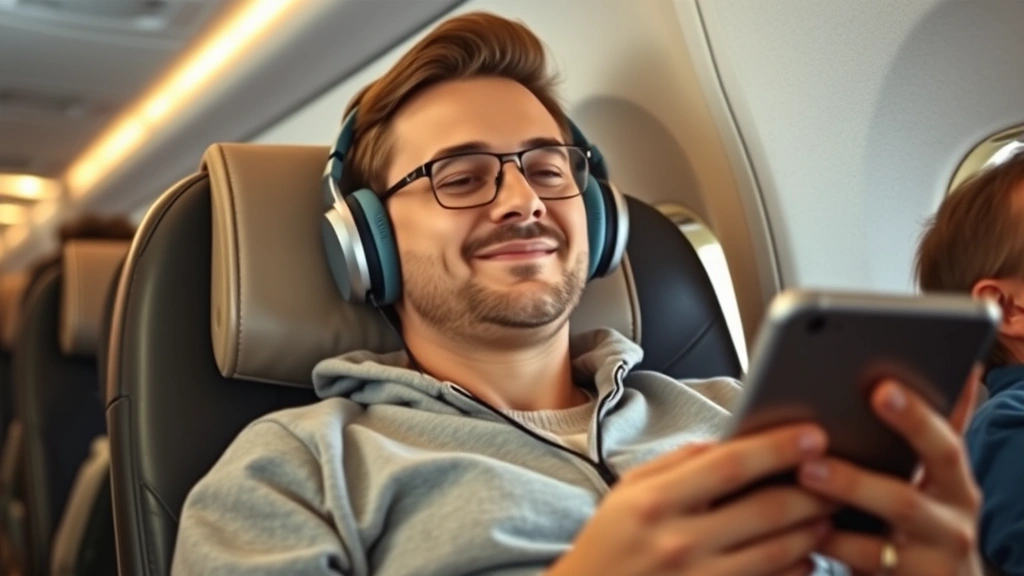
Modern long-haul flights offer entertainment systems ranging from basic to exceptional. However, relying solely on airline offerings leaves you vulnerable to technical glitches, limited selection, or content you’ve already consumed. The smart approach combines in-flight systems with personal devices and downloaded content.
Pre-flight preparation is essential. Download movies, TV series, podcasts, and audiobooks before departure. Streaming services like Netflix, Disney+, and Audible allow offline downloads on mobile devices. Aim for 15-20 hours of content for international flights, giving yourself options based on mood and energy levels. Consider variety: mix documentaries about destinations like Southeast Asia travel destinations with entertaining comedies and engaging dramas.
Podcasts deserve special attention for long-haul flights. Unlike movies requiring sustained visual focus, podcasts work perfectly during periods when your eyes need rest. Educational podcasts covering travel, history, language learning, or personal development transform flight time into learning opportunities. True crime series, narrative storytelling, and interview-format shows maintain engagement without demanding constant attention.
E-books and audiobooks provide immersive escapes. Many travelers find that audiobooks help them disconnect from cabin reality, transporting their minds elsewhere during long stretches. Choose narratives that grip you immediately—page-turners or compelling memoirs work better than dense non-fiction that requires active concentration.
Utilize airline entertainment systems strategically. Browse the catalog during the first hour when you’re fresh, selecting films or shows to watch at specific times. This prevents the overwhelm of scrolling through thousands of options later when fatigue sets in. Many airlines offer games, music channels, and interactive content that provide lighter diversions between substantial entertainment choices.
Physical Wellness Strategies
Sitting motionless for 8+ hours creates genuine physical challenges. Deep vein thrombosis (DVT) risks increase on long flights, making movement non-negotiable. Physical diversions aren’t just about entertainment—they’re essential health measures that also break monotony.
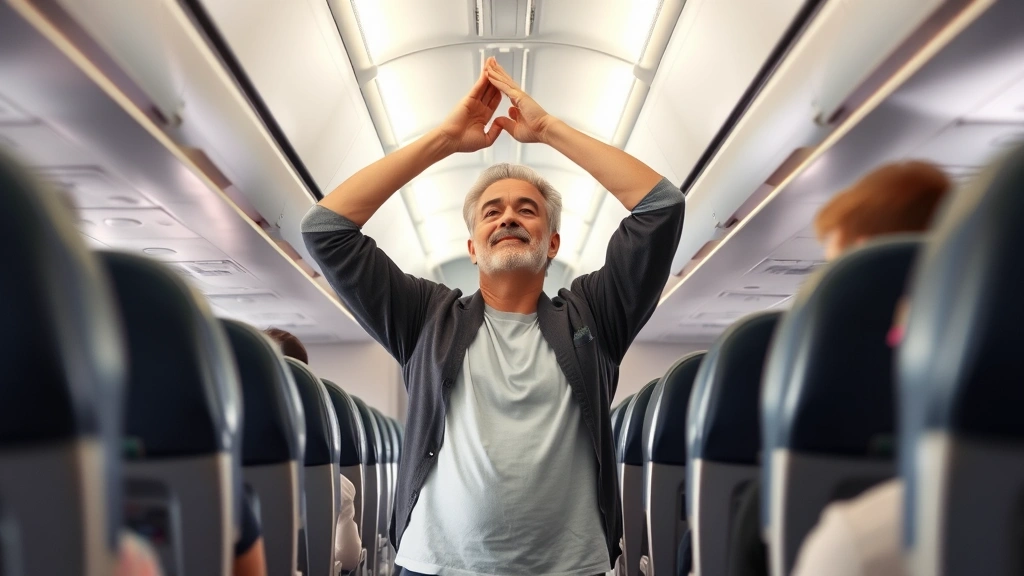
Aisle walks are your foundation. Every two hours, stand and walk the aisle for 5-10 minutes. This simple diversion accomplishes multiple goals: it circulates blood, prevents clotting, stretches muscles, and provides mental breaks from your seat. Many experienced flyers use these walks as natural chapter breaks between entertainment segments.
Seat-based exercises combat immobility without leaving your seat. Calf raises, seat squats, torso twists, neck rolls, and shoulder shrugs take minimal space and effort. Compression socks enhance circulation during extended sitting, and some travelers swear by them for preventing post-flight swelling. Perform these movements every 30 minutes for maximum benefit.
Stretching routines specifically designed for airplane seats exist online and in travel apps. Dedicating 10-15 minutes to structured stretching provides both physical benefit and mental diversion. Focus on hip flexors, hamstrings, back muscles, and neck—areas that suffer most from extended sitting.
Yoga and meditation apps offer guided sessions perfect for flight diversions. Calm, Headspace, and Down Dog provide short sessions (5-20 minutes) requiring minimal space. These practices address both physical stiffness and mental restlessness, making them ideal multi-purpose diversions during long flights.
Hand and finger exercises, often overlooked, prevent cramping and maintain dexterity. Simple movements like finger stretches, hand squeezes, and wrist rotations take seconds but provide surprising relief. Some travelers bring stress balls or hand exercisers specifically for this purpose.
Mental Engagement Activities
Your mind needs active engagement, not passive consumption. While movies and shows have their place, they shouldn’t dominate your entire flight. Strategic mental activities prevent the fuzzy-headed feeling that comes from excessive screen time.
Language learning transforms flight hours into skill-building opportunities. Apps like Duolingo, Babbel, and Rosetta Stone work offline and gamify learning into bite-sized lessons. Before traveling to international destinations like London, language apps provide both mental engagement and practical preparation.
Puzzles and brain games offer engaging diversions requiring active thinking. Sudoku, crosswords, and logic puzzles work on tablets or in physical form. Many airlines provide puzzle books or games, but downloading apps like Crossword Puzzle or Braingle ensures unlimited options. These activities prevent the passive daze that comes from extended screen watching.
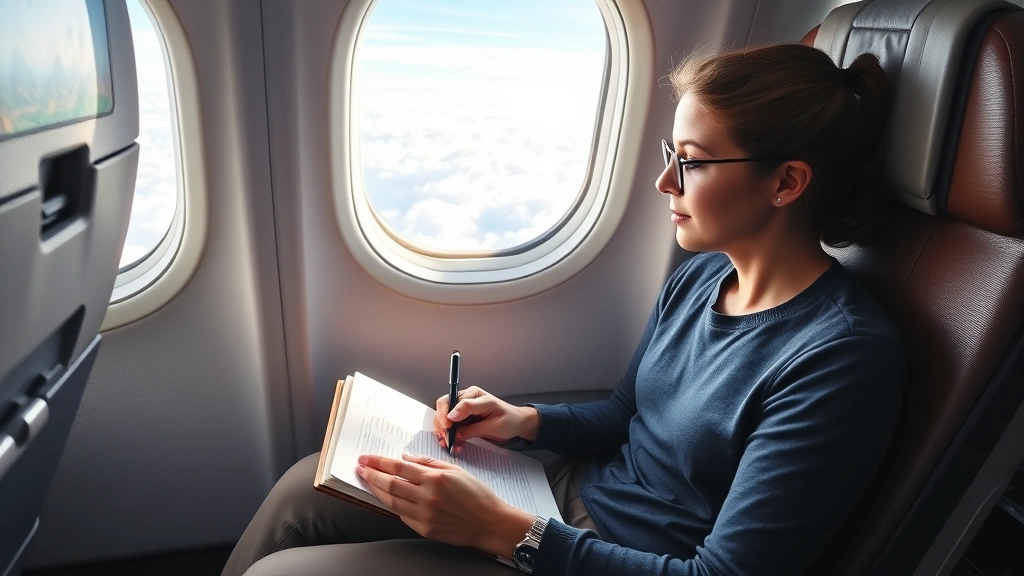
Travel journaling provides therapeutic engagement. Document your journey, reflect on upcoming adventures, or write observations about the flight itself. Journaling serves multiple purposes: it occupies your mind, creates lasting memories, and processes emotions about travel. Many writers find airplane time ideal for creative work, free from typical distractions.
Photography review and editing, if you’re returning from a trip, offers engaging diversion. Organizing photos, creating collections, and editing images on your device keeps your mind actively engaged while celebrating your journey. This activity pairs perfectly with longer flights where you have sustained focus time.
Learning new skills through online courses downloaded before flight takes advantage of uninterrupted time. Platforms like MasterClass, Skillshare, and Udemy offer downloadable content in photography, writing, cooking, and countless other areas. Long flights provide rare blocks of undistracted learning time.
Sleep Optimization Techniques
Sleep represents perhaps the most valuable diversion on long flights. Arriving refreshed makes your entire trip better, yet many travelers struggle to sleep on planes. Strategic approaches dramatically improve sleep quality and quantity.
Environmental preparation matters significantly. Invest in a quality neck pillow that provides genuine support rather than false comfort. Eye masks block cabin light, signaling your body that sleep time has arrived. Earplugs or noise-canceling headphones eliminate engine noise and cabin chatter. These simple tools cost little but transform sleep possibility.
Timing your sleep strategically aligns with flight duration and destination time zones. On cross-country flights like Denver to Boston, sleeping during typical nighttime hours in your destination zone helps with jet lag adjustment. International travelers should sleep according to arrival timezone, not departure time.
Pre-sleep routines signal your body that rest is coming. Dim your screen 30 minutes before attempting sleep. Use meditation apps with sleep-specific content. Some travelers find that light reading or audiobooks help transition into sleep better than complete darkness and silence.
Comfort clothing specifically chosen for sleeping makes a dramatic difference. Loose-fitting clothes, compression socks, and slip-on shoes allow easy adjustment and movement. Many experienced flyers change into sleep clothes shortly after takeoff, psychologically preparing themselves for rest.
Avoid excessive caffeine after mid-flight and limit alcohol, which disrupts sleep quality despite initial drowsiness. Hydration remains important, but time your water intake to minimize bathroom visits that interrupt sleep. The balance between staying hydrated and maintaining sleep continuity requires strategic planning.
Social Connection and Networking
For some travelers, human connection provides the most valuable diversion. Long flights gather interesting people from around the world, creating unique networking opportunities.
Seatmate conversation can transform flights from monotonous to memorable. A genuine conversation with a fascinating stranger beats any entertainment system. Some travelers intentionally engage seatmates, asking about their destination or profession. These conversations often yield surprising friendships, business connections, or simply entertaining stories.
Airline loyalty programs and premium cabins often facilitate social connections. Lounges, priority boarding, and premium seating areas create environments where travelers naturally interact. Even economy passengers can create community by participating in airline games or group activities.
Video calls during flights with WiFi allow connection with family and friends. Many airlines now offer complimentary or paid WiFi. A quick video chat with loved ones provides emotional connection and breaks monotony. Even text-based messaging feels more engaging than passive entertainment.
Travel forums and social media engagement, while on the plane via WiFi, connects you with other travelers. Sharing your flight experience, checking travel tips, or planning upcoming adventures creates mental engagement while maintaining social connection.
Productivity and Skill Development
Business travelers and ambitious individuals can transform flight time into productive work sessions. The uninterrupted time aloft provides rare focus opportunities unavailable in typical office environments.
Work projects benefit from sustained focus. Download necessary documents, spreadsheets, and research materials before flight. Use airplane time for deep work requiring concentration: writing, coding, design work, or strategic planning. Many professionals find that the isolated environment, free from meetings and interruptions, enables their most productive work.
Creative projects flourish with dedicated flight time. Writers work on novels, screenwriters develop scripts, and artists sketch or design. The combination of time, isolation, and psychological distance from daily responsibilities creates ideal conditions for creative breakthroughs.
Professional development through reading industry publications, research papers, or professional books keeps skills sharp. Download PDF journals, whitepapers, or industry reports relevant to your field. Use flight time for the reading you never get to during normal weeks.
Planning and strategic thinking benefit from uninterrupted time. Use flights for business planning, goal-setting, or project mapping. Many entrepreneurs use long flights specifically for strategic thinking they can’t accomplish amid daily operational demands.
Culinary Experiences and Hydration
Food and beverage service provides built-in diversions that many travelers underutilize. Strategic approach to airline meals and hydration enhances both physical wellbeing and mental engagement.
Meal timing becomes a natural diversion. Rather than rushing through meal service, use it as a focal point in your flight timeline. Savor the experience, use it as a break point between activities, and appreciate the novelty even if airline food has reputation issues. On premium international flights, meals rival restaurant experiences and deserve mindful attention.
Hydration directly impacts how you feel during and after flights. Dehydration causes fatigue, headaches, and general malaise. Actively drinking water throughout the flight—more than you think necessary—prevents these issues and creates natural diversion points as you regularly get up for bathroom visits. This forced movement also combats the immobility problem.
Exploring airline beverage options provides surprising engagement. Many airlines offer regional specialties, premium wines, or craft beverages. Tasting and comparing different options creates a light diversion activity. For non-drinkers, exploring specialty coffees, teas, or juices provides similar engagement.
Bringing approved snacks provides comfort diversions. TSA allows solid foods through security, so pack favorite snacks that provide enjoyment during the flight. Familiar flavors offer psychological comfort during travel stress.
FAQ
What’s the best diversion for someone who gets anxious on flights?
Anxiety responds well to grounding techniques and distraction combined. Meditation apps, breathing exercises, and focused activities like puzzles or reading work better than passive entertainment. Talking with flight attendants, knowing safety procedures, and understanding that anxiety is temporary all help. Consider whether your anxiety relates to specific flight routes—researching specific flight information and diversion procedures sometimes eases worry through knowledge.
How many hours of entertainment should I download for a 12-hour flight?
Download 15-18 hours of content for a 12-hour flight. You’ll spend time sleeping, eating, walking, and doing other activities, but having excess options prevents running out of entertainment. Variety matters more than quantity—mix movies, shows, podcasts, and audiobooks.
Can I use my phone during the entire flight?
Phones must be in airplane mode from takeoff to landing. WiFi and Bluetooth can usually be enabled once cruising altitude is reached. This means pre-downloaded content is essential since you can’t stream during flight. Some airlines offer WiFi for a fee or as a perk for premium passengers.
What’s the ideal sleep schedule for a long flight?
Sleep timing depends on your flight duration and destination time zone. For flights crossing multiple time zones, sleep according to your destination’s night time. For shorter long-haul flights, sleeping for 4-6 hours works well. Avoid sleeping the entire flight—your body needs movement and activity.
Are there diversions that prevent jet lag?
Strategic diversion helps jet lag management. Sleeping according to destination time zone, staying hydrated, moving regularly, and avoiding excessive alcohol all support adjustment. Some travelers use light exposure strategically—seeking bright light in morning hours of destination time zone to reset circadian rhythms.
What’s the best way to stay productive on a flight?
Success requires preparation: download all necessary files and documents beforehand. Use noise-canceling headphones to maintain focus. Break work into 90-minute focused sessions with movement breaks. Avoid starting new projects—focus on tasks you understand completely, allowing seamless continuation despite flight interruptions.
How do I balance entertainment with productivity on long flights?
Divide your flight into segments with different purposes. Use the first couple hours for productivity while fresh. Transition to lighter entertainment in the middle. Reserve sleep time for the final hours before landing. This balanced approach prevents both boredom and burnout.
Should I try to sleep on every long flight?
No—sleep should be strategic, not forced. If you’re not tired, forcing sleep creates frustration. Some people sleep well on planes; others don’t. Honor your body’s needs and preferences while being strategic about timezone adjustment. Quality rest matters more than quantity.