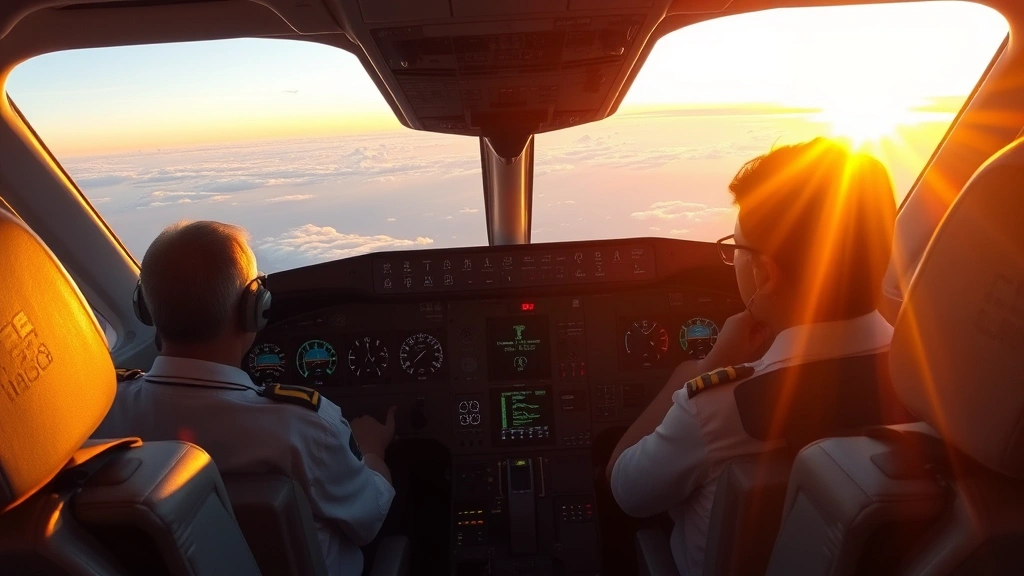
Delta Flight Returns: Pressurization Issue Explained
When a Delta flight suddenly turns back to Atlanta due to a pressurization issue, passengers experience more than just inconvenience—they witness firsthand the critical safety systems that protect every commercial aircraft. On a recent flight, Delta Air Lines made the decision to return to Hartsfield-Jackson Atlanta International Airport after detecting a pressurization anomaly, demonstrating the airline’s commitment to passenger safety above all else. This incident raises important questions about what pressurization means, why it matters, and how modern aviation handles these situations.
Understanding the mechanics behind aircraft pressurization and the protocols airlines follow when issues arise helps travelers appreciate the sophisticated safety infrastructure that exists in commercial aviation. Whether you’re a frequent flyer or planning your next getaway, knowing what happens when a flight experiences technical difficulties can ease travel anxiety and help you respond appropriately if such situations occur during your journey.
What Is Aircraft Pressurization and Why It Matters
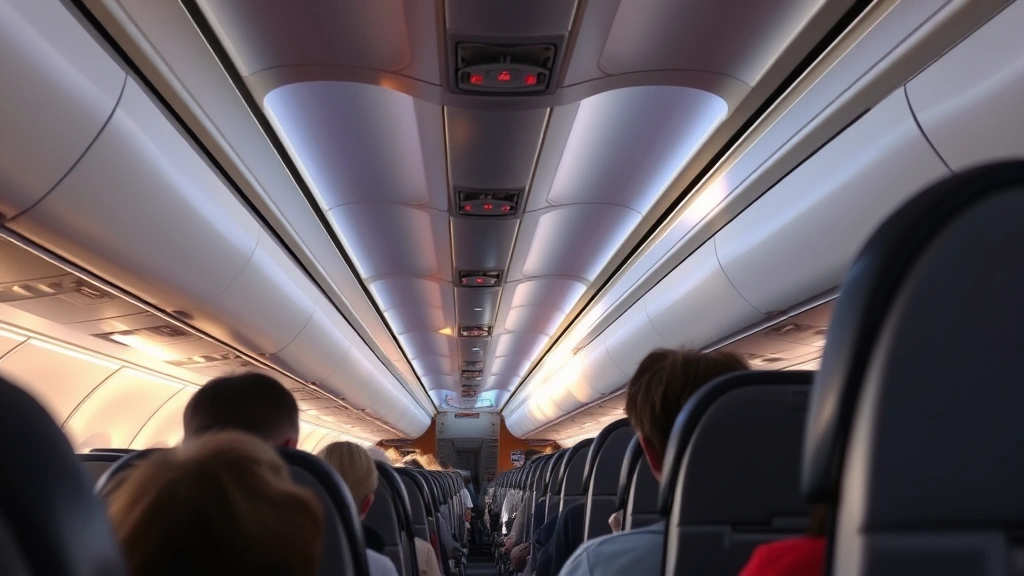
Aircraft pressurization is one of the most critical systems in modern aviation, yet many passengers don’t fully understand its importance. At cruising altitudes of 30,000 to 40,000 feet, the outside air pressure drops to dangerously low levels—roughly equivalent to the atmosphere atop Mount Everest. Without pressurization, passengers would experience severe hypoxia (oxygen deprivation), leading to loss of consciousness and potentially fatal outcomes within minutes.
The pressurization system maintains a cabin pressure equivalent to approximately 6,000 to 8,000 feet above sea level, which is safe and comfortable for extended flight periods. This controlled environment allows passengers to breathe normally, move about the cabin, and remain conscious throughout the flight. The system works by compressing outside air, cooling it, and then carefully distributing it throughout the cabin while maintaining precise pressure levels through sophisticated monitoring equipment.
When pressurization systems function normally, passengers barely notice them—they simply enjoy a comfortable flight. However, when a pressurization issue is detected, whether through automated systems or crew observation, airlines must take immediate action. This is exactly what happened when the Delta flight detected anomalies and made the prudent decision to return to Atlanta for inspection and repairs.
The Delta Flight Incident: What Happened
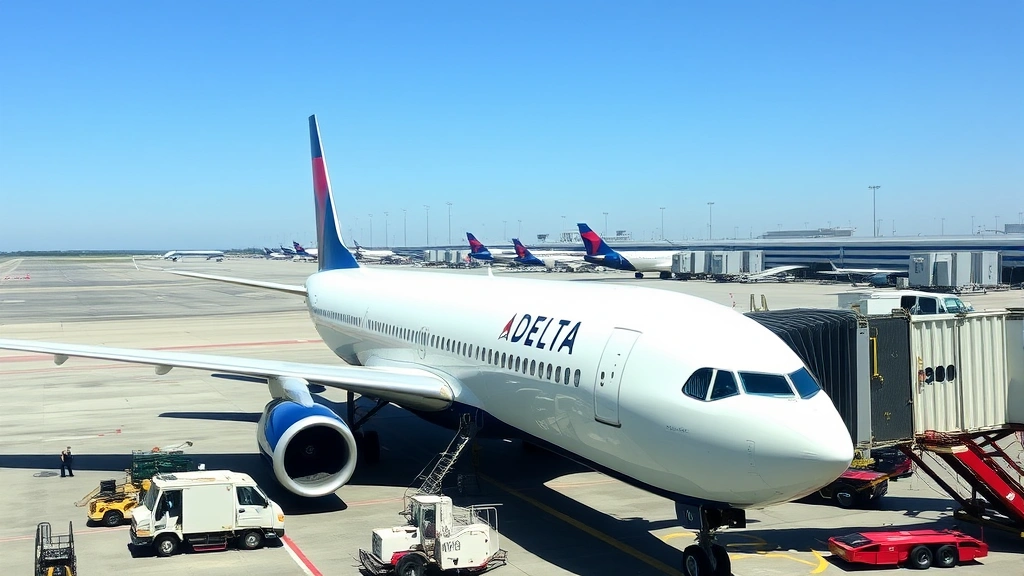
The Delta flight that turned back to Atlanta experienced a pressurization issue that triggered the aircraft’s sophisticated warning systems. The flight crew, upon receiving alerts indicating abnormal cabin pressure readings, immediately consulted with maintenance personnel and Delta’s operations center. Following standard safety protocols, they made the decision to descend and return to the nearest suitable airport—Hartsfield-Jackson Atlanta International Airport—rather than continue to the intended destination.
This decision exemplifies how modern airlines prioritize passenger safety over schedule adherence. Although returning a flight creates operational challenges, costs fuel, and disappoints passengers, the alternative—continuing flight with a malfunctioning pressurization system—poses unacceptable risks. The crew communicated with passengers about the technical issue, descended to a lower altitude where the cabin could maintain safe pressure through emergency procedures, and successfully landed back in Atlanta.
Upon landing, Delta’s maintenance teams conducted thorough inspections to identify the root cause of the pressurization anomaly. These inspections are comprehensive and detailed, examining everything from valve function to sensor accuracy to structural integrity. Only after maintenance personnel determine the issue is fully resolved and the aircraft meets all safety standards does Delta permit the aircraft to return to service.
How Pressurization Systems Work
Understanding how aircraft pressurization systems function helps explain why even minor anomalies warrant immediate action. Modern commercial aircraft use bleed air systems, where compressed air from the engines is diverted, cooled, and distributed throughout the cabin. This air passes through multiple valves, sensors, and regulators that maintain precise pressure levels.
The system includes redundancy at every critical point. Aircraft typically have multiple pressurization packs (usually two or three), ensuring that failure of a single component doesn’t compromise cabin safety. Sensors continuously monitor cabin pressure, differential pressure (the difference between inside and outside pressure), and altitude. If any reading deviates from acceptable parameters, warning systems alert the flight crew immediately.
Outflow valves regulate how much air escapes from the cabin, maintaining the desired pressure differential. Relief valves prevent excessive pressure buildup that could damage the aircraft structure. Manual pressurization controls allow pilots to adjust settings if automatic systems malfunction. This layered approach to pressurization ensures that multiple failures would need to occur simultaneously to compromise passenger safety—an extraordinarily unlikely scenario in modern aircraft.
The pressurization system also interfaces with other critical aircraft systems. Oxygen systems provide backup oxygen if pressurization fails at altitude. Descent procedures are programmed so that if pressurization cannot be restored, the aircraft can safely descend to altitudes where cabin pressure naturally becomes safe without pressurization assistance. These interconnected safety systems represent decades of aviation safety engineering.
Safety Protocols When Pressurization Fails
When a pressurization issue is detected, flight crews follow established procedures that have been refined through years of aviation experience and regulatory oversight. The Federal Aviation Administration (FAA) mandates specific protocols that airlines must follow, and pilots receive extensive training in these procedures during flight training and recurrent training sessions.
Upon detecting a pressurization anomaly, pilots first attempt to troubleshoot the issue using standard procedures. They may switch between pressurization packs, reset systems, or adjust manual controls. If troubleshooting fails to resolve the issue, they declare the situation to air traffic control and request priority handling for an immediate descent and landing.
During descent, the crew maintains communication with passengers, explaining the situation and assuring them that the aircraft is operating safely. As the aircraft descends, outside air pressure increases naturally, reducing the burden on the pressurization system. Eventually, the aircraft reaches an altitude where cabin pressure is safe even without mechanical pressurization—typically around 10,000 feet.
The crew coordinates with the nearest suitable airport to arrange landing. Factors considered include runway length, available maintenance facilities, weather conditions, and proximity to the aircraft’s current position. In the case of the Delta flight, Atlanta was an excellent choice given Delta’s major hub status there, ensuring access to maintenance crews and alternative aircraft if needed.
After landing, passengers receive assistance with rebooking on alternative flights or hotels if necessary. Airlines typically provide meal vouchers and communication assistance during these disruptions. While inconvenient, these procedures ensure that every passenger reaches their destination safely, even if delayed.
Passenger Rights and Compensation
When flights are delayed or cancelled due to mechanical issues, passengers have specific rights depending on the circumstances and applicable regulations. Understanding these rights helps travelers know what to expect and what compensation they may be entitled to receive.
In the United States, the Department of Transportation (DOT) requires airlines to provide meal vouchers, hotel accommodations, and ground transportation for passengers whose flights are delayed overnight due to airline-caused issues. However, mechanical problems caused by maintenance failures may fall under different categories than those caused by operational decisions.
For automatic airline flight refunds and compensation, passengers should understand that safety-related diversions—like pressurization issues—typically don’t qualify for EU261 compensation (if applicable) since they’re considered extraordinary circumstances beyond the airline’s control. However, passengers are entitled to rebooking on the next available flight at no additional charge.
Passengers can also request refunds for the original flight if they choose not to rebook. Documentation of expenses incurred due to the diversion—such as hotel stays or meals not provided by the airline—should be saved and submitted to the airline for reimbursement consideration. Many airlines voluntarily offer additional compensation gestures, such as travel credits, to maintain customer goodwill following mechanical diversions.
For flights between major hubs, airlines often have alternative aircraft available, allowing quick rebooking. However, for flights on less-traveled routes, passengers may experience longer delays while waiting for the next available flight. Checking your airline’s website or calling customer service promptly after a diversion ensures you understand your options and receive all entitled compensation and assistance.
How Airlines Maintain Aircraft Systems
The incident with the Delta flight returning to Atlanta due to pressurization issues highlights the importance of rigorous aircraft maintenance programs. Commercial airlines follow strict maintenance schedules mandated by the FAA and the aircraft manufacturer, with inspections occurring at regular intervals based on flight hours, calendar days, and flight cycles.
Pressurization systems receive particular attention during these maintenance checks. Technicians inspect all components, test sensor accuracy, verify valve function, and check for any signs of wear or corrosion. Maintenance logs document every inspection, repair, and component replacement, creating a detailed history of the aircraft’s condition. This documentation helps maintenance personnel identify patterns or recurring issues that might indicate developing problems.
Airlines also employ predictive maintenance programs that use data analytics to identify components likely to fail soon, allowing replacement before actual failure occurs. Sensors on modern aircraft transmit real-time data about system performance, which airlines analyze to detect anomalies early. This proactive approach prevents many issues before they cause flight disruptions.
When aircraft experience issues like the pressurization problem on the Delta flight, maintenance teams conduct root cause analysis to determine exactly what failed and why. This analysis informs maintenance procedures, training, and sometimes design improvements that benefit the entire fleet. The commitment to understanding and preventing recurring issues demonstrates how seriously airlines take safety and reliability.
Preparing for Flight Disruptions
While pressurization issues and other mechanical problems are rare in modern aviation, travelers should prepare for the possibility of flight disruptions. Having strategies in place helps you respond calmly and effectively if you experience a diversion or cancellation during your travels.
Before traveling, research your airline’s policies regarding delays and cancellations. Understand what compensation and assistance you’re entitled to under applicable regulations. Keep important contact information accessible, including your airline’s customer service number, your travel insurance provider, and your hotel reservations. Having this information readily available—perhaps saved in your phone—allows quick action if disruptions occur.
Pack essential medications, important documents, and valuables in your carry-on bag rather than checked luggage. If your flight is diverted and you’re stuck overnight, you’ll have access to these items. Consider purchasing travel insurance that covers flight disruptions, accommodations, and alternative transportation—valuable protection if you’re traveling for important events or business meetings.
During your flight, pay attention to safety briefings and familiarize yourself with emergency procedures. While pressurization system failures are extremely rare, knowing your aircraft’s safety features and emergency equipment provides peace of mind. If you notice anything unusual—strange sounds, temperature changes, or pressure sensations in your ears—alert flight attendants so they can report it to the crew.
When disruptions occur, maintain patience and courtesy with airline staff. They’re working to resolve the situation and get you to your destination as safely as possible. Ask questions about rebooking options, compensation, and assistance. Document any expenses you incur and keep receipts for potential reimbursement. Most importantly, remember that flight crews and maintenance personnel prioritize your safety above all other considerations.
For travelers planning trips to popular destinations via flights from Houston to Orlando or other routes, understanding these safety protocols and passenger rights ensures you travel with confidence. The rare occasions when aircraft must return due to technical issues demonstrate that the system works—safety concerns are caught and addressed before they become emergencies.
FAQ
What causes cabin pressurization failures in aircraft?
Pressurization failures can result from several causes, including faulty sensors providing inaccurate readings, valve malfunctions preventing proper air distribution, structural damage creating air leaks, or mechanical failures in the pressurization pack itself. Maintenance inspections aim to identify and prevent these issues before they occur during flight.
Is it safe to fly on an aircraft that had pressurization issues?
Yes, after maintenance personnel thoroughly inspect and repair the aircraft, it’s completely safe to fly. The FAA requires comprehensive testing and certification before any aircraft returns to service following maintenance. Airlines have financial and safety incentives to ensure aircraft are properly maintained—their reputation and passenger safety depend on it.
How quickly can pilots descend if pressurization fails?
Pilots can initiate descent immediately upon detecting pressurization issues. The aircraft can descend at rates of 2,000 to 3,000 feet per minute, reaching safe altitudes within 10 to 20 minutes depending on the aircraft’s current altitude and the nearest suitable airport.
What happens to passengers’ ears during a pressurization emergency?
If cabin pressure decreases rapidly, passengers may experience ear discomfort similar to what occurs during normal descent. However, controlled descent procedures minimize this discomfort. Passengers should equalize ear pressure by swallowing, yawning, or using the Valsalva maneuver (pinching nose and gently blowing).
Can I get a refund if my flight is diverted due to mechanical issues?
Passengers can request refunds for the original flight if they choose not to rebook. Airlines must rebook passengers on the next available flight at no additional charge. Compensation eligibility depends on applicable regulations and the specific circumstances of the diversion.
How often do pressurization issues occur in commercial aviation?
Pressurization issues are rare in modern commercial aviation due to rigorous maintenance programs and redundant safety systems. When issues are detected, they’re typically identified during routine maintenance or by automated warning systems before they affect passenger safety.
Should I worry about flying after hearing about pressurization issues?
No. Modern aircraft have multiple redundant pressurization systems and comprehensive safety procedures. The fact that a pressurization issue resulted in a safe return to the airport demonstrates that the safety systems work as designed. Commercial aviation remains extraordinarily safe, with millions of flights operating safely every year.
How can I find information about my airline’s maintenance records?
The FAA maintains maintenance records for all commercial aircraft. You can search aircraft registration numbers on the FAA’s website or contact the airline directly with questions about specific aircraft maintenance history. This information is public and demonstrates regulatory oversight of airline operations.
What should I do if I experience unusual symptoms during flight?
Alert a flight attendant immediately if you experience severe headaches, difficulty breathing, chest pain, or other concerning symptoms. Flight crew members are trained in first aid and can provide assistance. They can also alert the pilot to any medical emergencies requiring priority landing.
Are newer aircraft safer regarding pressurization than older ones?
Modern aircraft incorporate advanced pressurization systems with better sensors, improved redundancy, and more sophisticated monitoring equipment. However, older aircraft in service today are also well-maintained and safe. Airlines maintain all aircraft to the same rigorous standards regardless of age, and regular inspections catch issues before they become problems.


