
Comair Flight 5191: A Tragic Incident Analyzed
The aviation industry represents one of the safest modes of transportation available to travelers worldwide. However, understanding historical incidents like Comair Flight 5191 provides valuable context for modern flight safety protocols and helps passengers make informed decisions about their travel plans. This comprehensive analysis examines the incident, its implications for aviation safety, and what travelers should know when booking flights today.
On August 27, 2006, Comair Flight 5191 departed from Blue Grass Airport in Lexington, Kentucky, resulting in a tragedy that claimed 49 of the 50 people aboard. The aircraft, a Bombardier CRJ-100, took off from an incorrect runway—a shorter commuter runway instead of the designated longer runway. This critical error set in motion a sequence of events that aviation experts have studied extensively to improve safety measures across the industry.
Understanding what happened during this incident and how the aviation industry has evolved since then can provide reassurance to modern travelers. Whether you’re planning Philadelphia to Las Vegas flights or international journeys, knowing the safety improvements implemented after such incidents demonstrates the industry’s commitment to passenger protection.
What Happened During Comair Flight 5191
Comair Flight 5191 was a regional flight operated by Comair, a Delta Air Lines subsidiary, scheduled to depart from Lexington’s Blue Grass Airport (LEX) at 6:07 AM local time. The aircraft was a Bombardier CRJ-100, a regional jet designed to carry up to 50 passengers and crew members. That morning, the flight was operating with 47 passengers and 3 crew members aboard, traveling to Atlanta Hartsfield-Jackson International Airport.
The critical error occurred during the initial takeoff phase. The flight crew lined up on Runway 26, a shorter commuter runway measuring 3,500 feet in length. However, the flight plan and air traffic control clearance were for Runway 22, a longer runway measuring 7,003 feet. This seemingly small mistake had enormous consequences. The CRJ-100 requires approximately 6,000 feet of runway for a safe takeoff under normal conditions. With only 3,500 feet available, the aircraft ran out of runway before achieving sufficient airspeed to become airborne.
The aircraft accelerated down the shorter runway, and the crew recognized something was wrong. However, by the time they attempted to abort the takeoff, insufficient runway remained. The plane overran the runway end, traveled across a grass area, struck a stand of trees, and crashed. The impact was catastrophic, resulting in a fire that consumed much of the aircraft wreckage. Emergency responders arrived quickly, but the severity of the crash limited survival possibilities. Tragically, only one passenger survived the initial impact and subsequent fire.

Runway Configuration and Critical Errors
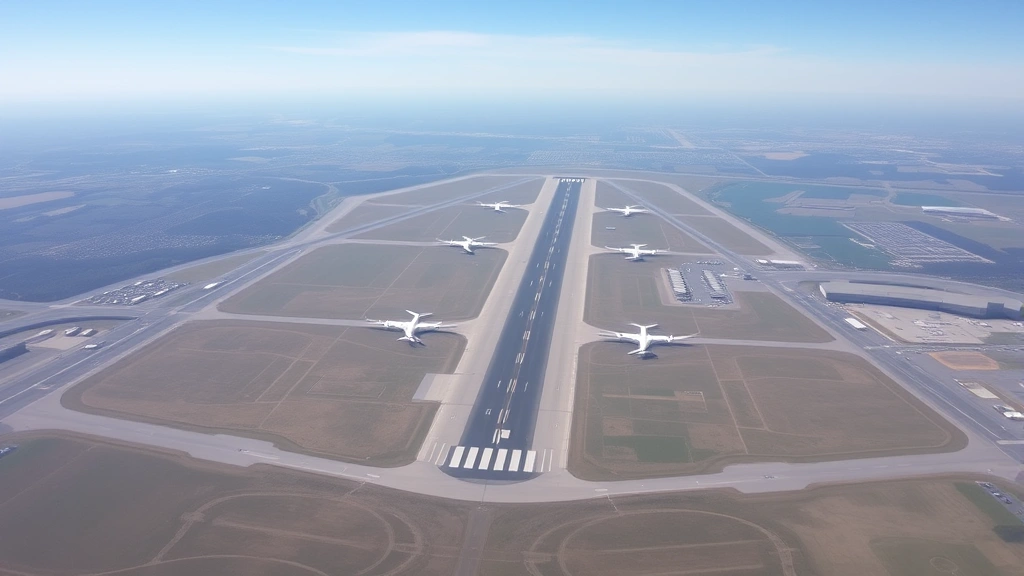
Understanding the runway configuration at Blue Grass Airport is essential to comprehending how this tragedy occurred. The airport features multiple runways with different lengths and capabilities. Runway 22 and Runway 26 both serve the airport but have vastly different characteristics. This configuration, while not uncommon at busy airports, requires careful attention from flight crews and air traffic control personnel.
The investigation revealed several contributing factors that led to the crew selecting the wrong runway. First, the crew failed to properly brief the flight route and runway assignment before departure. Standard operating procedures require pilots to review and confirm their assigned runway, but this critical step was not adequately performed. The flight crew had worked together previously and may have become complacent in their pre-flight preparation.
Additionally, air traffic control did not provide sufficient challenge and response verification. While controllers did issue a clearance for Runway 22, they did not confirm that the aircraft was actually lined up on the correct runway. Modern procedures now include explicit runway confirmation to prevent such errors. The combination of crew inattention and insufficient verification systems created a perfect storm of circumstances that led to the disaster.
The airport’s runway lighting and signage were also examined during the investigation. While the runways were marked according to regulations, the investigation suggested that improvements to runway identification systems could help prevent similar incidents. This led to recommendations for enhanced runway markings and lighting at airports nationwide.
Investigation Findings and Contributing Factors
The National Transportation Safety Board (NTSB) conducted an extensive investigation into Comair Flight 5191, examining every aspect of the incident. Their final report, released in 2007, identified multiple contributing factors and provided detailed recommendations for the aviation industry. The investigation process involved hundreds of interviews, detailed aircraft examination, and analysis of communications between the crew and air traffic control.
One significant finding involved the crew resource management (CRM) practices aboard the aircraft. CRM is a fundamental principle in modern aviation that emphasizes communication, coordination, and cross-checking between crew members. The investigation found that CRM practices were not optimally applied during the pre-flight and takeoff phases. The captain and first officer did not adequately verify their runway assignment together, representing a breakdown in standard safety procedures.
The NTSB also examined the airline’s training and oversight procedures. Comair’s training program, while meeting regulatory requirements, did not emphasize certain aspects of runway identification and verification that could have prevented the incident. This led to industry-wide recommendations for enhanced training protocols. Airlines subsequently implemented more rigorous training on runway identification, particularly at airports with multiple similar-appearing runways.
Weather conditions were not a factor in this incident, as the morning was clear with good visibility. The investigation focused primarily on human factors and procedural issues rather than environmental conditions. This emphasis on human factors and systems analysis became a cornerstone of post-incident safety improvements throughout the aviation industry.
Communication between the tower and the aircraft was also analyzed. The investigation found that while controllers issued appropriate clearances, they did not verify that the aircraft actually lined up on the assigned runway. This gap in verification procedures became a focal point for industry improvements. Modern procedures now typically include explicit confirmation of runway alignment before takeoff clearance is granted.
Safety Improvements Since the Incident
The aviation industry responded to Comair Flight 5191 with comprehensive safety improvements that have made flying safer for everyone. Whether you’re booking Austin to Orlando flights or traveling internationally, you benefit from lessons learned from this tragedy.
One major improvement involved enhanced runway identification systems at airports. Many airports upgraded their runway lighting, installed additional signage, and implemented improved marking systems to make runway identification more obvious and less prone to confusion. Some airports installed runway guard lights and other visual aids to help crews identify the correct runway more easily.
Airlines implemented more robust crew resource management training, with particular emphasis on runway identification and verification procedures. Training programs now include scenario-based training where crews practice identifying correct and incorrect runway assignments. This hands-on training approach helps crews develop stronger habits around runway verification.
Air traffic control procedures were also enhanced. Controllers now provide more explicit confirmation of runway assignments and may verify that aircraft are lined up on the correct runway before issuing takeoff clearance. Some facilities implemented improved radar displays that show runway information more prominently, helping controllers monitor runway assignments more effectively.
Technology improvements included enhanced cockpit displays that show runway information more clearly. Modern aircraft now have systems that can alert crews if they are lined up on an incorrect runway, providing an additional layer of safety. These technological improvements complement procedural and training enhancements to create multiple barriers against runway confusion incidents.
Modern Aviation Safety Standards
Today’s aviation system incorporates multiple redundancies and safety systems designed to prevent incidents like Comair Flight 5191. Understanding these safety measures can provide confidence to travelers planning their journeys, whether booking flights to Maldives or regional domestic routes.
The Federal Aviation Administration (FAA) and international aviation authorities have established comprehensive regulations governing aircraft operations, crew training, maintenance, and safety procedures. These regulations are continuously updated based on incident investigations and technological advances. The goal is to create an aviation system where accidents are extraordinarily rare and prevented through multiple overlapping safety systems.
Crew training standards now emphasize situational awareness, communication, and verification procedures. Pilots undergo regular training on runway identification, particularly at airports with multiple similar-looking runways. Training includes both classroom instruction and simulator practice, allowing pilots to develop skills in a controlled environment before applying them in real operations.
Aircraft maintenance standards ensure that all systems function properly, including navigation systems, lighting, and communication equipment. Regular inspections and testing verify that these systems meet strict performance standards. Maintenance records are carefully documented and tracked, creating accountability and ensuring consistent high-quality maintenance across the industry.
Air traffic control systems have also evolved significantly. Modern radar systems provide controllers with detailed information about aircraft positions, and communication systems are optimized for clarity and accuracy. Controllers undergo extensive training and certification, with regular proficiency checks ensuring they maintain high standards throughout their careers.
Passenger Safety Considerations Today
Modern air travel is remarkably safe, with commercial aviation maintaining one of the best safety records of any transportation mode. Passengers can feel confident when booking flights, knowing that the industry has invested heavily in safety systems and continuously improves based on historical incidents.
When planning your travels, whether exploring best travel destinations for couples or embarking on solo adventures, you’re benefiting from decades of safety improvements and lessons learned from incidents like Comair Flight 5191. Major airlines maintain rigorous safety standards, and regulatory oversight ensures consistent adherence to these standards.
Passengers can take simple steps to enhance their own safety awareness. Familiarizing yourself with emergency procedures, paying attention to safety demonstrations, and following crew instructions all contribute to a safe travel experience. While these measures are rarely needed thanks to the excellent safety record of modern aviation, they represent important passenger responsibilities.
Understanding aviation history and safety improvements can actually enhance travel confidence. Rather than creating fear, knowledge about how the industry has learned from past incidents and implemented improvements demonstrates the commitment to passenger safety. The aviation industry’s response to Comair Flight 5191 exemplifies this commitment, with substantial investments in training, technology, and procedures designed to prevent similar incidents.
For those interested in underrated places to travel and discover hidden gems around the world, knowing that you’re traveling in one of the safest transportation systems ever created should provide peace of mind. Regional airports and smaller carriers have implemented the same safety improvements as major hubs and airlines, ensuring consistent safety standards throughout the aviation system.
FAQ
What was Comair Flight 5191?
Comair Flight 5191 was a regional flight that crashed on August 27, 2006, in Lexington, Kentucky. The aircraft, a Bombardier CRJ-100, took off from an incorrect runway, resulting in a tragedy that claimed 49 of the 50 people aboard. The incident led to significant safety improvements throughout the aviation industry.
Why did the crew take off from the wrong runway?
The crew failed to properly verify their assigned runway before takeoff. They lined up on Runway 26, a shorter 3,500-foot commuter runway, instead of Runway 22, the assigned 7,003-foot runway. The aircraft ran out of runway before achieving sufficient airspeed to become airborne, resulting in the crash.
What safety improvements resulted from this incident?
Major improvements included enhanced runway identification systems at airports, more robust crew resource management training, improved air traffic control verification procedures, and technological enhancements to cockpit displays. Airlines and airports implemented multiple redundant systems to prevent runway confusion incidents.
Is flying safe today?
Yes, commercial aviation today is extremely safe, with one of the best safety records of any transportation mode. The industry has implemented comprehensive safety systems, training programs, and regulatory oversight that continuously improve based on historical incidents like Comair Flight 5191.
How can passengers enhance their safety awareness?
Passengers can familiarize themselves with emergency procedures, pay attention to safety demonstrations, follow crew instructions, and understand that the aviation industry maintains rigorous safety standards. Knowledge about aviation safety improvements can enhance confidence in modern air travel.
What role did air traffic control play in this incident?
While air traffic control issued appropriate clearances for Runway 22, controllers did not verify that the aircraft actually lined up on the assigned runway before issuing takeoff clearance. Modern procedures now include more explicit confirmation of runway alignment to prevent such incidents.