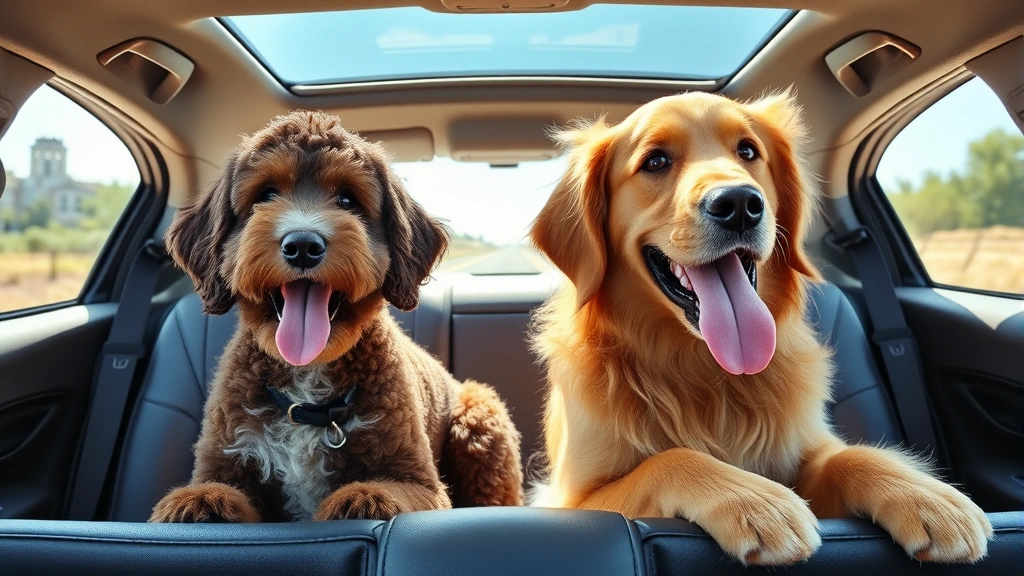
Traveling with Dogs: Tips from a Seasoned Pet Owner
After years of adventuring with my beloved Bordoodle and Golden Retriever companions, I’ve learned that traveling with dogs isn’t just possible—it’s one of life’s greatest joys. Whether you’re planning a quick getaway or an extended road trip, having a four-legged friend by your side transforms ordinary journeys into unforgettable memories. The key is preparation, patience, and understanding your dog’s unique needs before you hit the road or board that plane.
My journey with pet travel began when I adopted my first Golden Retriever, Max, and realized I couldn’t bear to leave him behind during my adventures. Over the years, I’ve accumulated countless tips, tricks, and hard-won lessons that have made traveling with dogs seamless and enjoyable. From navigating airline policies to finding dog-friendly accommodations, I’m here to share everything I’ve learned to help you become a confident pet traveler.
This comprehensive guide covers everything you need to know about traveling with your canine companion, whether you’re exploring nearby cities or embarking on cross-country adventures. Let’s dive into the practical wisdom that will transform your next trip into a tail-wagging success story.
Preparing Your Dog for Travel
The foundation of successful pet travel begins months before your departure date. Your dog needs mental and physical preparation to handle new environments, different routines, and unfamiliar situations. I learned this the hard way when Max became anxious during his first travel experience, teaching me that gradual acclimation is essential.
Start by taking short car rides to help your dog become comfortable with vehicle travel. My Bordoodle, Luna, initially suffered from motion sickness, but regular practice rides gradually desensitized her. Begin with five-minute trips to nearby locations, gradually extending the duration as your dog becomes more confident. Pair these experiences with positive reinforcement—treats, praise, and favorite toys make the car feel like an exciting adventure rather than a scary ordeal.
Visit your veterinarian at least six weeks before your trip to ensure your dog is travel-ready. Discuss any concerns specific to your destination, obtain updated vaccination records, and ask about anti-anxiety medication if your dog tends toward nervousness. Your vet can also provide recommendations for motion sickness prevention and confirm that your dog’s health permits air travel, which has specific requirements based on breed, age, and medical history.
Invest in proper identification before traveling. Microchipping is non-negotiable—I had Luna microchipped after a close call at an airport where she nearly got loose. Update your contact information in the microchip registry and ensure your dog wears an ID tag with your cell phone number. Consider taking recent photographs of your dog from multiple angles; if separation occurs, these images are invaluable for recovery efforts.
Flying with Your Furry Friend
Air travel with dogs requires understanding airline policies, which vary significantly between carriers. Before booking any flight, contact the airline directly to confirm their pet policies. Some airlines allow small dogs in the cabin, while others require kennel travel in the cargo hold. When comparing Houston to Dallas flights, for example, always check pet policies alongside pricing and schedules.
Small dogs under 15 pounds often qualify for in-cabin travel, though you’ll typically pay a pet fee between $100-$200 per flight. Larger breeds like Golden Retrievers usually must travel in cargo, which is considerably more stressful and expensive. This reality influenced my decision to focus on road trip planning for Max, as his size made air travel complicated and costly.
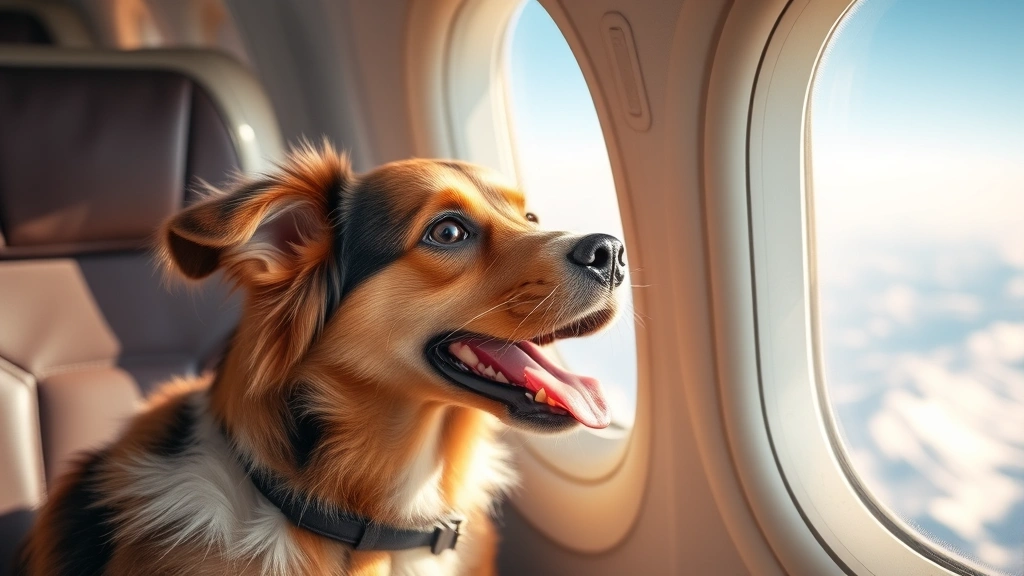
If your dog flies in-cabin, prepare a comfortable carrier that fits under the seat in front of you. The carrier should be well-ventilated, large enough for your dog to stand and turn around, and lined with absorbent pads. Practice having your dog sit calmly in the carrier at home before your trip—this reduces anxiety significantly. I spent weeks acclimating Luna to her travel carrier by leaving it open with treats inside, gradually closing the door for longer periods.
Book direct flights whenever possible to minimize stress and reduce the risk of lost luggage or mishandled pets. Arrive at the airport early—I recommend at least three hours before departure—to allow time for security screening and to keep your dog calm before boarding. Feed your dog a light meal three to four hours before departure to prevent nausea, and avoid water for one hour before flying.
For dogs traveling in cargo, research the airline’s specific requirements thoroughly. The International Air Transport Association (IATA) sets standards for pet air travel, but airlines implement these differently. Ensure your dog’s crate meets IATA specifications, is properly labeled, and contains water bowls and absorbent padding. Some airlines require health certificates issued within ten days of travel—confirm this requirement when booking.
” alt=”Dog looking out airplane window with excited expression during flight preparation”>
Road Trip Essentials
Road trips are my preferred travel method with dogs, offering flexibility and reducing stress compared to air travel. When planning Denver to Vegas flights versus driving, I often choose the road option for my dogs’ comfort and wellbeing.
Create a comfortable vehicle setup for your dog using a crash-tested harness, crate, or barrier designed to prevent distraction and keep your pet safe during sudden stops. Never allow your dog to roam freely in the car, as this creates safety hazards for everyone. Luna travels in a secured harness that attaches to the seat belt, allowing her to sit comfortably while remaining safely restrained.
Pack a comprehensive travel kit including food, water bowls, collapsible water containers, medications, first-aid supplies, waste bags, toys, blankets, and grooming supplies. I maintain a dedicated travel bag that stays in my car, pre-packed with everything except perishable food. This eliminates last-minute packing stress and ensures I never forget essential items.
Plan your route with dog-friendly stops in mind. Every two to three hours, stop for bathroom breaks, water, and exercise. Research dog parks or green spaces along your route where your dog can safely stretch their legs. Apps like BringFido help locate dog-friendly businesses, parks, and accommodations nationwide, making route planning infinitely easier.
Never leave your dog unattended in a vehicle, even with windows cracked. Temperatures inside parked cars rise dangerously fast—within minutes, a car can become life-threatening for pets. If you need to stop for meals or shopping, use drive-through services or take turns with travel companions so someone stays with your dog.
Finding Dog-Friendly Accommodations
Dog-friendly lodging options have expanded dramatically in recent years, but not all accommodations are equally welcoming to pets. When booking accommodations, verify pet policies directly with the property rather than relying on third-party listings, which sometimes contain outdated information.
Hotels increasingly embrace pet-friendly policies, though fees vary from $25 to $75 per night. Chains like Red Roof Inn, La Quinta, and Kimpton Hotels explicitly welcome dogs, often with minimal or no pet fees. When researching Atlanta to New York flights for a trip, I simultaneously search for pet-friendly hotels to ensure my dogs have comfortable lodging.
Vacation rentals through Airbnb and VRBO offer excellent options for extended stays, often providing more space and amenities than traditional hotels. Read reviews carefully, focusing on feedback from other pet travelers. Look for properties with fenced yards, which eliminate the need for constant leashing and provide safe exercise space.
Before arriving at any accommodation, confirm that your dog will be welcome and understand any restrictions. Some properties limit the number of pets, specify breed or size restrictions, or require additional deposits. Call ahead to ensure your Golden Retriever or Bordoodle meets the property’s requirements, avoiding disappointment upon arrival.
When settling into new accommodations, establish routines immediately. Set up your dog’s sleeping area, locate nearby potty spots, and maintain feeding schedules consistent with home life. Familiar routines reduce anxiety and help your dog adjust to new environments more quickly.
Health and Safety Considerations
Traveling exposes your dog to new environments, different water sources, and unfamiliar pathogens. Prioritize health and safety by maintaining vaccinations, carrying medical records, and being aware of regional health risks.
Obtain a health certificate from your veterinarian valid for the duration of your trip. Some destinations, particularly those involved in interstate travel, require proof of current rabies vaccination and general health clearance. International travel demands additional documentation including import permits and specific vaccination requirements—research destination requirements months in advance.
Pack a travel medical kit containing your dog’s regular medications, any prescribed supplements, antihistamines for allergic reactions, anti-diarrheal medication, pain relievers, and bandaging supplies. Include your veterinarian’s contact information and research emergency veterinary clinics at your destination. Programs like VetFinder help locate emergency veterinary care nationwide.
Be aware of regional health hazards including tick-borne illnesses, heartworm, and parasitic infections. Ensure your dog is on appropriate preventative medications for your destination. Lyme disease, for instance, is prevalent in certain regions, making tick prevention essential when traveling to those areas.
Monitor your dog closely for signs of illness or injury during travel. Changes in eating habits, lethargy, vomiting, diarrhea, or lamping indicate problems requiring veterinary attention. Trust your instincts—I once noticed Max limping slightly after a hiking excursion and discovered a thorn lodged in his paw pad, which could have caused serious infection if left untreated.
Keep your dog’s weight in check during extended travels. The excitement of new environments often increases activity levels, but restaurant scraps and treats can quickly add unwanted pounds. Maintain consistent feeding portions and limit human food temptation to prevent digestive upset and weight gain.
Managing Anxiety and Behavior
Travel anxiety manifests differently in individual dogs. Some experience motion sickness, while others display behavioral changes like excessive barking, destructive behavior, or refusal to eat. Understanding your dog’s specific anxiety triggers allows you to implement targeted solutions.
Before traveling, expose your dog to various stimuli that they’ll encounter during your trip. Play recordings of airplane sounds, car engine noises, and crowds. Practice walking on different surfaces including pavement, gravel, and grass. Desensitization reduces the novelty factor, making actual travel less stressful.
Consider supplements or medications that manage anxiety naturally. Adaptil, a canine pheromone product, reduces stress in some dogs. Consult your veterinarian about anti-anxiety medications for dogs with severe travel phobia. I’ve found that combining medication with environmental management—quiet car rides, calming music, and familiar blankets—creates the optimal anxiety-reduction approach for Luna.
Maintain consistent training during travel. Dogs feel more secure when they understand expectations and boundaries. Practice basic commands in new environments, reinforcing that familiar rules apply regardless of location. This consistency provides psychological comfort and prevents behavioral problems.
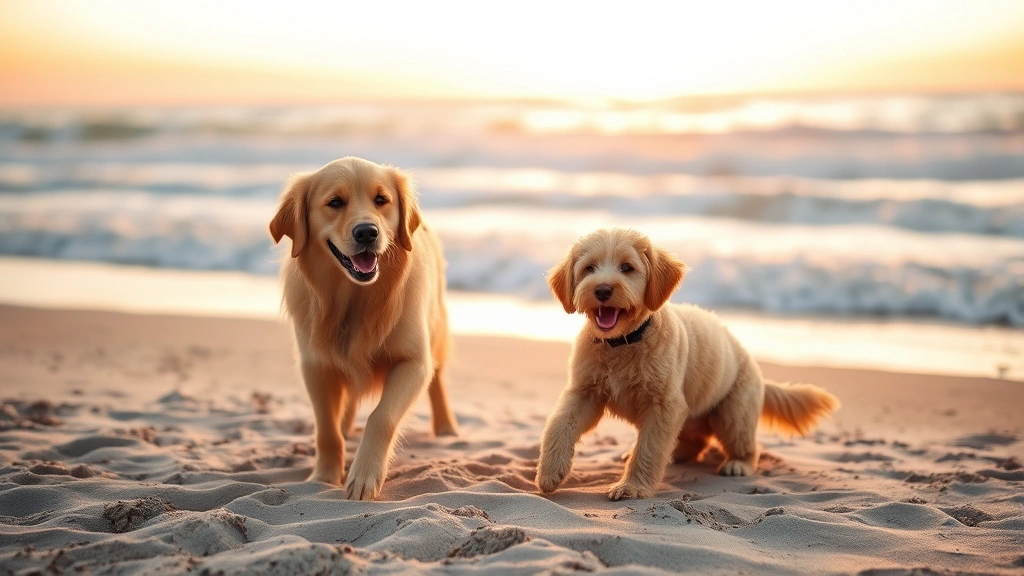
Exercise is crucial for managing travel-related anxiety. A tired dog is typically a well-behaved dog. Incorporate active outings like hiking, swimming, or dog park visits into your itinerary. When researching best hiking trails in the US, I specifically select trails suitable for my dogs’ fitness levels and temperaments.
Create a safe space within your travel accommodations. Set up your dog’s crate or a designated room area with familiar toys, bedding, and a white noise machine to mask unfamiliar sounds. This sanctuary provides security during stressful transitions and helps your dog relax in new environments.
Document your travel experiences through photos and videos, capturing special moments with your dog. These memories become treasured keepsakes and provide entertainment content—my travel destination videos featuring Max and Luna have brought joy to countless dog lovers online.
” alt=”Golden Retriever and Bordoodle mix playing together on beach sand during sunset”>
FAQ
Can Bordoodles and Golden Retrievers travel on planes together?
Yes, both breeds can fly, though policies depend on size and airline. Bordoodles, typically smaller, often qualify for cabin travel, while Golden Retrievers usually require cargo transport. Always confirm specific airline policies before booking.
What’s the best way to prevent motion sickness in dogs during car travel?
Start with short, frequent car rides to acclimate your dog. Feed light meals several hours before travel, avoid excessive excitement before departing, and maintain a cool, well-ventilated vehicle. Your veterinarian can recommend medication if natural methods prove insufficient.
How often should I stop during long road trips with my dog?
Stop every two to three hours for bathroom breaks, water, and exercise. These intervals prevent stiffness, allow bathroom relief, and provide mental stimulation breaks that reduce travel anxiety.
Are there destinations unsuitable for traveling with dogs?
Extremely hot climates, high-altitude destinations, and places with significant disease risks require careful consideration. Research destination climate conditions and health risks before traveling. Consult your veterinarian about destination-specific health concerns.
What should I do if my dog gets lost while traveling?
Contact local animal shelters, veterinary clinics, and police departments immediately. Post on social media and lost pet websites like Finding Rover. Having microchip information current and recent photos ensures faster recovery if separation occurs.
How can I help my dog adjust to new accommodations quickly?
Establish routines immediately upon arrival. Set up familiar bedding, maintain feeding schedules, locate potty areas, and incorporate exercise early. Familiar routines provide psychological comfort and accelerate adjustment to new environments.