Table of Contents
Introduction
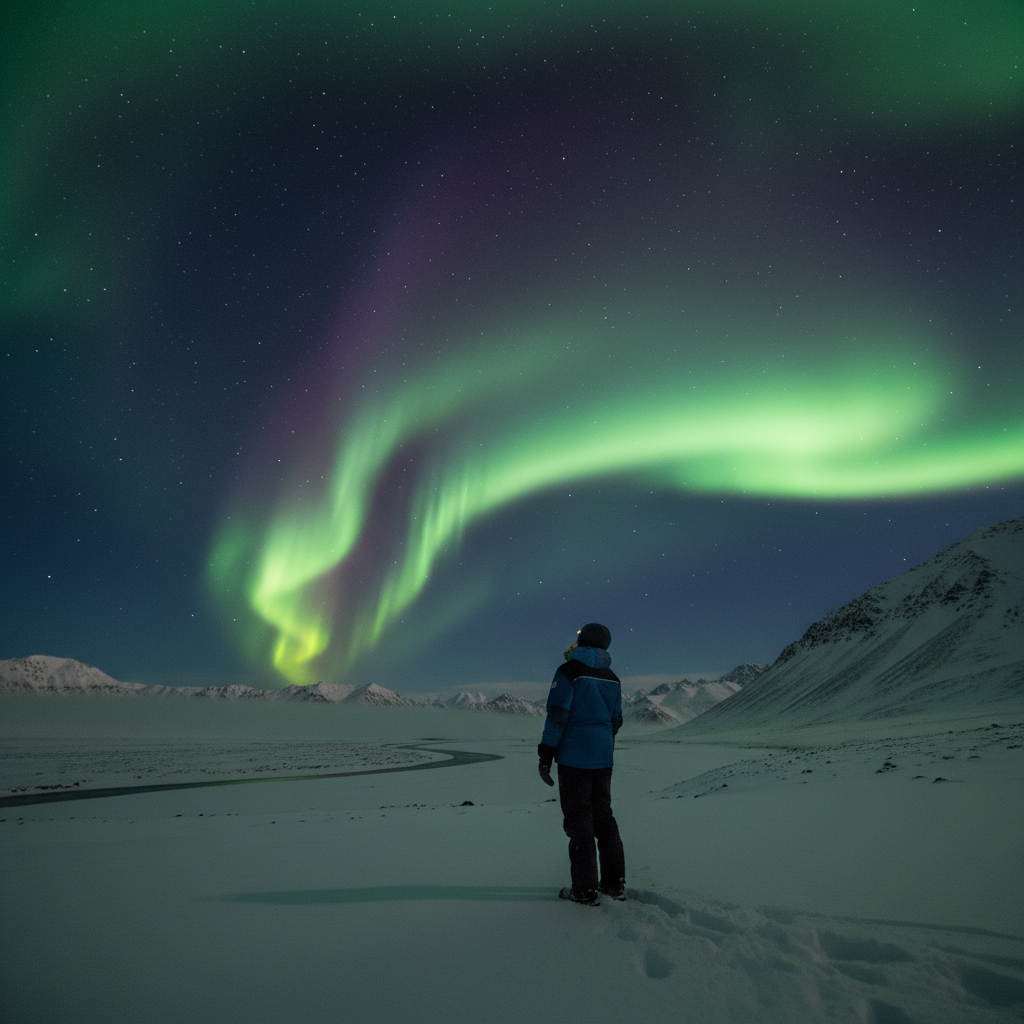
Picture this: you’re standing in the middle of nowhere, Arctic cold nipping at your face, when suddenly the sky explodes into waves of green and purple light. The Northern Lights—or Aurora Borealis if you want to get fancy—might just be the most incredible thing you’ll ever see. We’re talking about nature’s own light show, dancing across the darkness like someone spilled liquid magic across the stars.
But here’s the thing about chasing the Aurora—it’s not just about the jaw-dropping visuals (though trust me, your Instagram will thank you). There’s real science happening up there, with solar particles colliding with our atmosphere in ways that would make your high school physics teacher weep with joy. And for travelers? Well, figuring out where to catch this show is half the adventure. You’ll want those high northern spots—think Scandinavia, Canada, Iceland—where the skies stay dark and the lights shine brightest. Many solo adventurers actually find these regions perfect for their journeys, and you can explore more about best travel destinations for solo travelers to see why these Aurora hotspots work so well for independent exploration.
Now, planning a Northern Lights trip isn’t like booking a weekend in Paris. (If only it were that simple!) You’re dealing with weather that changes faster than your mood on Monday morning, solar activity that’s about as predictable as a toddler’s nap schedule, and the very real possibility of cloudy skies blocking your view. But that’s where the magic lies—in places like northern Scandinavia, where Sami culture runs deep and you can warm up with reindeer stew after a night of sky-watching. Head over to Canada or Alaska, and you’re looking at massive national parks where the Aurora shares the stage with wolves and moose. Iceland and Greenland? They’re like stepping into another world entirely, where glaciers meet glowing skies. If you’re thinking about extending your European adventure, checking out the best train journeys in Europe could add some seriously scenic travel to your itinerary.
Let’s be honest—the Northern Lights can be downright stubborn. Solar storms don’t follow your vacation schedule, and Mother Nature doesn’t care that you flew halfway around the world for this moment. You’ll need patience, layers (so many layers), and probably more coffee than you think. The good news? Knowing which best winter travel destinations offer the best odds can seriously up your game. This guide pulls together everything you need to know—from the locals who’ve been watching these lights their whole lives to the photographers who’ve spent years perfecting their shots.
What You’ll Learn in This Guide
Ready to become a Northern Lights expert? Here’s what we’re covering to get you from dreamer to Aurora chaser:
- Understanding the Northern Lights: We’ll break down the science without putting you to sleep—think of it as the universe’s most beautiful chemistry experiment, and you’ll learn exactly when and why it happens.
- Best Places to See the Northern Lights: From Norway’s Tromsø to Canada’s Yellowknife, we’re mapping out the absolute best spots across Scandinavia, Canada, Alaska, Iceland, and Greenland—including those hidden gems only the locals know about.
- Timing Your Visit: Spoiler alert: summer isn’t going to work. We’ll walk you through the sweet spot months, what solar activity actually means for your trip, and how to read the signs that tonight might be the night.
- Practical Tips for Viewing: Everything from what to pack (hint: hand warmers are your new best friend) to where to position yourself, plus the photography basics that’ll help you capture memories worth sharing.
Think of this guide as your Northern Lights mentor—the friend who’s done this before and wants to save you from the rookie mistakes. And while we’re talking about expanding your travel horizons, exploring best travel destinations in Southeast Asia might inspire your next adventure after you’ve conquered the Arctic skies.
By the time you finish reading this, you’ll have the confidence to book that trip, pack the right gear, and position yourself for the best possible chance of witnessing something truly extraordinary. Whether you’re planning to go solo with your camera or join a guided tour with hot chocolate breaks, we’ve got you covered.
Ready to dive in? We’re starting with the fascinating science behind what makes those lights dance, then moving on to the prime viewing locations that’ll give you front-row seats to nature’s greatest show. Get comfortable—we’re about to embark on a journey that’ll have you booking flights to the Arctic before you know it.

The Northern Lights—or Aurora Borealis, if you want to get fancy—are honestly one of those natural wonders that photos just can’t capture. Sure, you’ve seen the Instagram shots, but witnessing those shimmering curtains of green, purple, and blue dancing across a pitch-black sky? That’s pure magic. And the best part? You don’t need to be a scientist to appreciate both the incredible physics behind this phenomenon and the jaw-dropping beauty of it all. So if you’re ready to chase some of the most spectacular light shows on Earth, let’s talk about where to go and how to make it happen.
Top Destinations for Experiencing the Northern Lights
Here’s the thing about Aurora hunting—location is everything. You need the perfect storm of high latitude, dark skies, and minimal light pollution. Lucky for us, there are some incredible spots that check all these boxes. Scandinavia is basically Aurora central, and for good reason. Norway, Sweden, and Finland offer this amazing mix where you can catch the lights without completely roughing it in the wilderness (though that’s an option too). Take Tromsø in Norway—this place is like the Northern Lights capital of the world. You get consistent displays, cozy accommodations, and some pretty fascinating local culture to boot.
Now, if you’re more of the “take me to the middle of nowhere” type, Canada and Alaska are calling your name. We’re talking about vast, wild landscapes where the only thing brighter than the Aurora is the blanket of stars above. Places like Yukon Territory, Northwest Territories, and Alaska’s Fairbanks deliver those dark, pristine skies that make the lights absolutely pop. Plus, these destinations are perfect if you want to combine your Aurora adventure with dog sledding, ice fishing, or other winter activities that make you feel like a true Arctic explorer.
Top Locations for Northern Lights Viewing
Choosing your spot isn’t just about the lights—though that’s obviously the main event. You’ll want to think about how easy it is to get there, what the weather’s like, and what else you can do when you’re not staring at the sky. Here’s the breakdown:
- Scandinavia: Norway’s Tromsø and Sweden’s Abisko National Park offer accessible yet pristine environments with optimal Aurora viewing nights.
- Canada and Alaska: The Yukon Territory’s Whitehorse and Canada’s Northwest Territories provide wild landscapes and numerous guided Northern Lights tours for immersive experiences.
- Iceland and Greenland: These unique destinations combine dramatic landscapes, geothermal attractions, and dark sky areas for memorable Northern Lights sightings with easy travel logistics.
- Accessibility and Amenities: Many of these locations offer tailored tours, accommodation options, and safety considerations essential for enjoyable Aurora hunting adventures.
But here’s what a lot of first-time Aurora chasers don’t realize—timing is absolutely crucial. The lights don’t just show up whenever they feel like it. Well, actually they do, but there are definitely patterns you can work with. You’ll also want to gear up properly because trust me, standing outside in sub-zero temperatures for hours isn’t fun if you’re not prepared.
Optimal Conditions and Preparation for Northern Lights Viewing
Let’s be real about this—the Northern Lights are beautifully unpredictable. But that doesn’t mean you can’t stack the odds in your favor. Your best bet is between late September and early April, when the nights are long and dark enough to actually see something. Solar activity is the real game-changer though. When the sun gets active and sends more charged particles our way, the Aurora displays get more intense and dramatic. (It’s basically space weather affecting our vacation plans, which is pretty cool when you think about it.)
Location scouting is where you can really make a difference. You want to get as far away from city lights as possible—think national parks, remote villages, or anywhere your phone loses signal. Clear skies are obviously a must, so keep an eye on weather forecasts. And speaking of weather, let’s talk about staying warm, because nothing ruins an Aurora experience like being miserable and cold.
Key Preparation Tips for Aurora Viewing
Ready to become a Northern Lights pro? Here’s what you absolutely need to know:
- Choose Dark, Clear Locations: Seek out areas with low light pollution and favorable weather forecasts to maximize visibility. National parks and remote villages often provide excellent conditions.
- Bring Warm, Layered Clothing: Prepare for cold nights with thermal layers, insulated jackets, gloves, hats, and waterproof boots to stay comfortable during potentially long waits outdoors.
- Use Suitable Photography Equipment: To capture the dancing lights, bring a sturdy tripod, DSLR or mirrorless camera with manual settings, and learn long-exposure techniques for stunning images.
- Be Patient and Flexible: Northern Lights can be unpredictable, so plan for several nights of viewing and remain flexible to adjust locations based on weather and activity forecasts.

The Northern Lights—there’s honestly nothing quite like them. Those shimmering curtains of green, purple, and blue dancing across the Arctic sky? Pure magic. But here’s the thing: you can’t just show up anywhere and expect to see them. You need to get serious about heading north—way north—to places like Scandinavia, Canada, Alaska, Iceland, and Greenland. We’ve covered everything from the cozy accessibility of Tromsø and Abisko to those remote wilderness spots where it’s just you and the sky. And once you understand the science behind it all—how solar particles crash into our atmosphere to create this incredible light show—it somehow makes the whole experience even more mind-blowing.
Timing? It’s everything. Late September through early April gives you your best shot, thanks to those long, dark nights. But don’t think that’s all there is to it. Solar activity needs to cooperate, the weather has to play nice, and you absolutely must get away from city lights. Trust me on this—light pollution is the enemy of Aurora viewing. Then there’s the preparation side of things: warm clothes (and I mean really warm), the right camera gear if you want those Instagram-worthy shots, and patience. Lots of patience. Because standing in Arctic cold waiting for nature’s show requires a special kind of determination.
Look, planning a Northern Lights trip can feel overwhelming. I get it. You’re thinking about accessibility, local amenities, cultural differences, and trying to navigate it all while staying safe in some seriously remote places. Weather can change in a heartbeat, solar forecasts aren’t always reliable, and sometimes you need to completely pivot your plans. But here’s what I’ve learned: flexibility is your best friend. The people who have the most success? They’re the ones who roll with the punches and embrace the adventure.
Ready to make this happen? Start booking early—good accommodations and tours fill up fast, especially during peak season. Get yourself proper cold-weather gear and decent photography equipment (your phone might work, but it won’t capture what your eyes see). Keep checking solar activity forecasts and local weather reports like it’s your job. And if you’re already planning to brave the cold, why not make the most of it? Check out some amazing best winter travel destinations that could perfectly complement your Aurora hunting adventure.
Here’s what I want you to remember: the Northern Lights don’t perform on command. That unpredictability? That’s part of what makes them so special. Go in with realistic expectations, a flexible mindset, and genuine appreciation for the journey itself. Because whether you’re traveling solo, with someone special, or joining a guided group, this experience will stay with you forever. The Aurora Borealis is waiting—and now you know exactly how to find it.
Frequently Asked Questions
-
What causes the Northern Lights?
- A natural light display caused by charged particles from the sun interacting with the Earth’s atmosphere.
-
Where is the best place to see the Northern Lights?
- High-latitude regions like Northern Scandinavia, Canada, Alaska, Iceland, and Greenland.
-
When is the best time to view the Northern Lights?
- Typically between late September and early April, during dark, clear nights.
-
Can you see the Northern Lights from cities?
- Urban light pollution often obscures the view, so darker rural or wilderness areas are recommended.
-
Do you need special equipment to see the Northern Lights?
- No special equipment is needed to see the lights, but cameras and warm clothing enhance the experience.