Table of Contents
Introduction
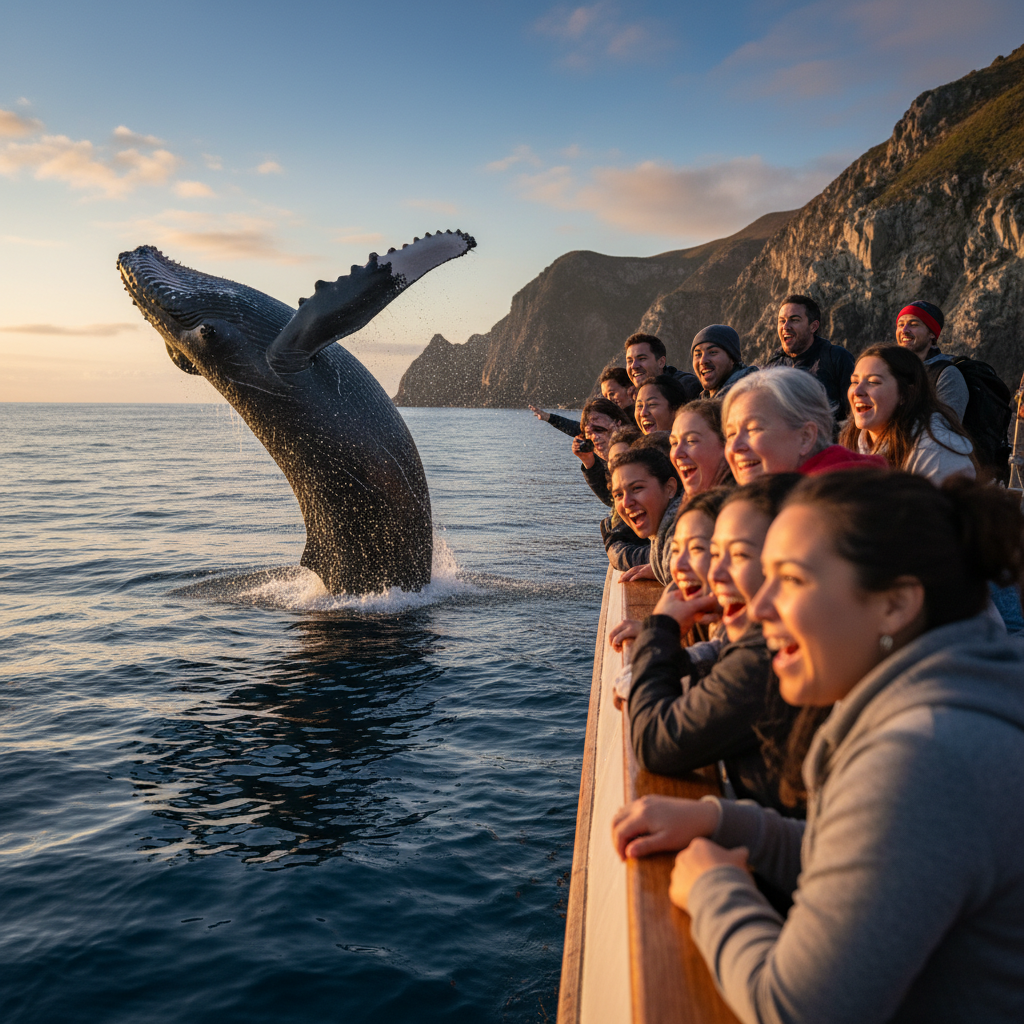
Picture this: you’re standing on a boat deck, salt spray hitting your face, when suddenly—WHOOSH—a massive whale bursts through the surface just meters away. Your heart stops. Time freezes. And in that moment, you understand why people travel thousands of miles for whale watching.
It’s not just about spotting these ocean giants (though that’s pretty incredible). Whale watching has become something bigger—a bridge between us and the wild world we rarely get to see up close. Every year, millions of people chase whale migration routes around the globe, and honestly? They’re onto something. These trips don’t just create memories; they’re changing how we think about our oceans and the life within them.
Here’s what most people don’t realize: timing is everything. Whales don’t just show up whenever you want them to. They follow ancient patterns—breeding here, feeding there, following currents that have guided them for millennia. Get the timing wrong, and you might spend hours staring at empty water. Get it right? Magic happens.
Now, if you’re someone who loves adventure (and let’s face it, you probably are if whale watching caught your attention), there’s a whole world of experiences waiting for you. Maybe you’re drawn to the best hiking trails in the US or dreaming of cozy moments in the best winter travel destinations. Perhaps you’re already planning your next ski trip to the ski resorts in Europe or researching the best travel destinations for solo travelers. The beauty of travel is how these experiences layer together—whale watching might be your gateway to a whole new way of exploring our planet.
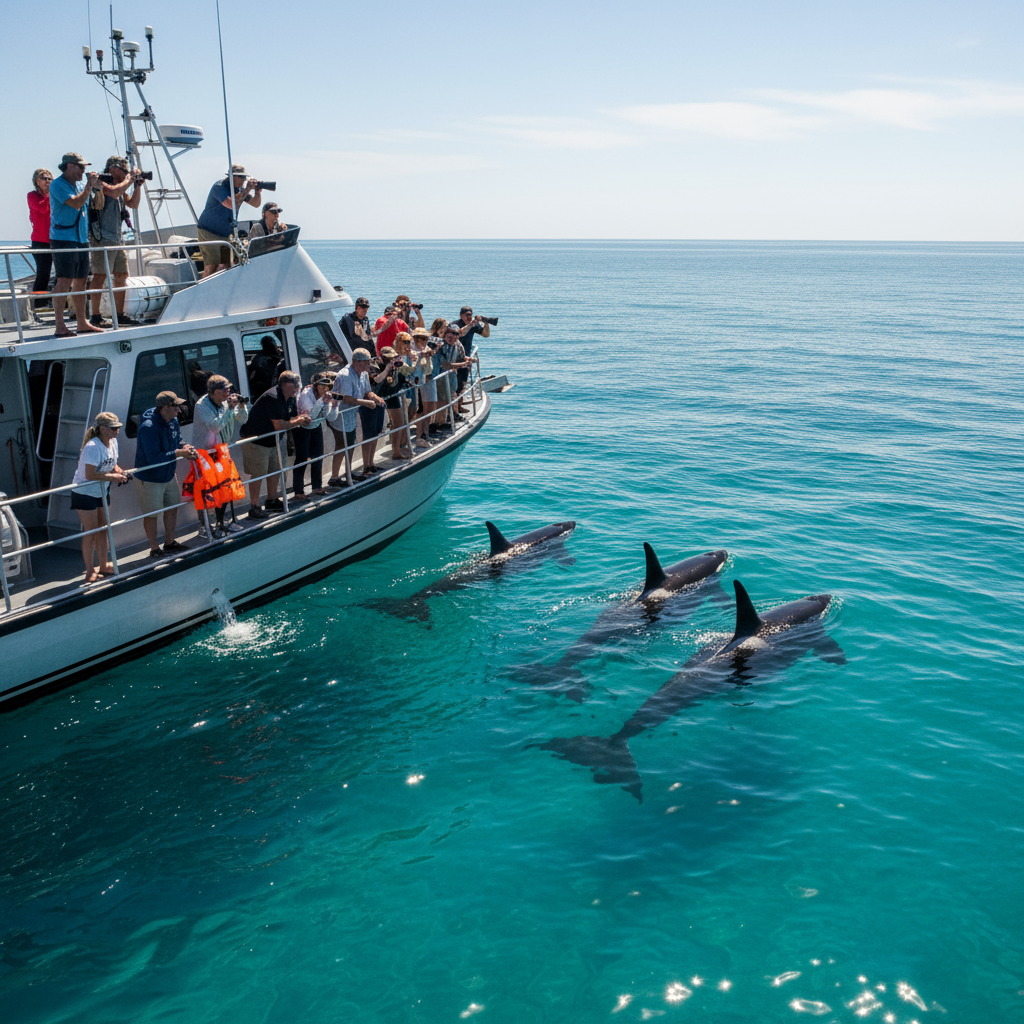
But let’s talk about what whale watching actually looks like. You’ve got options, and they range from “relaxing boat cruise with coffee” to “holy-cow-I’m-kayaking-next-to-a-humpback.” Some people prefer the comfort of larger vessels with heated cabins. Others want to get as close as possible to the action. The key? Finding tours that respect these animals. Because the last thing any of us wants is to stress out a whale just for a photo op.
What You’ll Learn in This Guide
We’re going to dive deep into everything you need to know about whale watching—from planning your trip to making it count. Here’s what we’ll cover:
- Top Whale Watching Destinations: We’ll take you from the icy waters of Alaska to California’s coast, from Norway’s dramatic fjords to South Africa’s stunning shorelines. You’ll learn exactly when and where to go for the best chance of incredible encounters.
- Best Times and Seasons for Whale Watching: Migration patterns aren’t random—they’re predictable once you understand them. We’ll help you nail down the perfect travel window so you’re not wasting time or money.
- Planning and Expectations: What’s it really like out there? We’ll walk through different tour types, the whales you’re likely to meet, and what a typical day looks like so you know exactly what you’re signing up for.
- Ethics and Conservation: This matters more than you might think. We’ll show you how to choose operators who actually care about whale welfare and how to be a responsible whale watcher yourself.
As we go through all this, you might find yourself inspired to explore even more of our planet’s wild places. Maybe the best places to visit in Africa will call to you next, or perhaps the diverse landscapes of the best travel destinations in Southeast Asia. There’s something about connecting with wildlife that opens your eyes to just how much beauty is out there waiting.
Whether this is your first time thinking about whale watching or you’re already planning your next trip, you’re in the right place. We’ll give you the knowledge to make smart choices, respect the animals you’re hoping to see, and maybe—just maybe—help protect these incredible creatures for future generations.
Ready to find out where the whales are? Let’s go.
There’s something magical about whale watching that gets under your skin. Maybe it’s the anticipation as you scan the horizon, or that heart-stopping moment when a massive humpback breaches right in front of you. Whatever it is, these gentle giants have a way of captivating everyone—from kids pressing their faces against boat windows to seasoned travelers who’ve seen it all. But here’s the thing: not all whale watching experiences are created equal. Where you go and when you visit can make the difference between a disappointing boat ride and a life-changing encounter with some of the ocean’s most incredible residents.
Top Whale Watching Destinations Around the World
Let’s be honest—whales don’t just show up anywhere. These magnificent creatures follow ancient migration routes and gather in specific areas where the food is plentiful and the conditions are just right. The best whale watching spots around the world have earned their reputation for good reason: they’re where the whales actually want to be. And when you visit these proven hotspots, you’re not just getting better odds of sightings—you’re supporting communities that have built their tourism around protecting these animals.
So where should you point your compass? Here are the world’s premier whale watching destinations, each offering its own unique flavor of marine magic.
North America
From Alaska’s wild fjords to California’s sun-soaked coastlines, North America serves up some seriously impressive whale watching. Each region has its own personality and whale populations, so your choice really depends on what kind of adventure you’re after.
- Alaska: Picture this: pristine wilderness, dramatic fjords, and whales everywhere you look. Alaska’s nutrient-rich waters are like an all-you-can-eat buffet for humpback whales, orcas, and gray whales, especially during those long summer days. You’ll often see behaviors that’ll make you grab your camera—breaching, tail slapping, the works.
- California Coast: The Golden State’s coastline is where you’ll find blue whales—yes, the largest animals that have ever lived on Earth. Monterey Bay and Big Sur are particular hotspots during migration seasons. Bonus: you’ll likely spot humpbacks, gray whales, and playful dolphins sharing the same waters.
- New England: Cape Cod and the Stellwagen Bank National Marine Sanctuary are like whale watching central on the East Coast. The waters here are so rich with marine life that humpback whales, finbacks, and minkes treat it like their personal dining room, especially in summer and early fall.
What makes these North American spots special? World-class tour operators who know these waters like the back of their hand, plus facilities that make the experience comfortable for everyone from first-timers to whale watching veterans.
Europe
Europe might not be the first place you think of for whale watching, but trust me—the northern seas and island regions offer some truly spectacular encounters. The combination of dramatic landscapes and accessible marine life makes these destinations unforgettable.
- Norway Fjords: Norway’s dramatic fjords aren’t just Instagram-worthy—they’re where orcas and humpback whales come to feast on herring shoals. The scenery alone is worth the trip, but add in some of the most photogenic whales on the planet? Pure magic.
- Iceland: This island nation sitting between the Arctic and Atlantic oceans is a marine biodiversity hotspot. Minke whales, humpbacks, and blue whales all call these waters home. Tours from Reykjavik often come with bonus sightings of puffins and other seabirds—nature’s way of saying “you’re welcome.”
- UK (Scotland and Wales): Scotland’s Hebrides and Wales are quickly gaining recognition as fantastic whale watching destinations. The growing conservation efforts here mean better protection for cetaceans, and that translates to more reliable sightings for visitors.
European whale watching offers something special: the chance to combine incredible marine wildlife encounters with rich cultural experiences. Where else can you spot whales in the morning and explore medieval castles in the afternoon?
Other Notable Locations
The whale watching world extends far beyond North America and Europe. Some of the most rewarding experiences happen in places that offer unique species and environments you won’t find anywhere else.
- South Africa: Hermanus is famous for southern right whale sightings, especially during mating season. What’s cool here is that you can actually watch whales from the shore—no boat required, though tours are available too. You might also spot humpbacks and orcas.
- Australia: Hervey Bay and the east coast are humpback whale migration superhighways. Australian operators have whale watching down to a science, making these waters perfect for families and anyone wanting a well-organized, comfortable experience.
- New Zealand: Kaikoura is where you’ll find sperm whales year-round, along with dolphins and fur seals. The backdrop of snow-capped mountains meeting the ocean doesn’t hurt either—it’s one of those places that photographs itself.
- Argentina: The Valdés Peninsula is a UNESCO World Heritage site for good reason. Southern right whales come here to breed and raise their calves, and you can also see elephant seals and sea lions. It’s like nature’s own wildlife documentary unfolding before your eyes.
Each of these destinations brings something different to the table—different whale species, different landscapes, different vibes. But they all share one thing: the promise of encounters that’ll stick with you long after you’ve dried off from the sea spray.
Now that you know where to go, let’s talk about when to go. Because timing? That’s everything in the whale watching world.
Best Times and Seasons for Whale Watching
Here’s what separates the pros from the hopefuls: understanding whale behavior. These animals don’t operate on human schedules—they follow ancient rhythms of migration, feeding, and breeding that have guided them for millions of years. Get the timing right, and you’ll witness behaviors that’ll leave you speechless. Get it wrong, and you might spend a beautiful day on the water seeing nothing but waves.
Most whale species are nomads, traveling thousands of miles between their summer feeding grounds (usually in colder, nutrient-rich waters) and their winter breeding areas (typically in warmer waters). Smart whale watchers plan their trips around these predictable movements.
Key Aspects of Whale Watching Seasons
Want to maximize your chances of incredible sightings? Keep these timing factors in mind:
- Migration Patterns: Humpback and gray whales are champion migrators, and their comings and goings create windows of opportunity. You might catch them on their way to feeding grounds (often hungrier and more active) or heading to breeding areas (sometimes with adorable calves in tow).
- Peak Months: Every destination has its sweet spot. Alaska shines from late spring through early fall, while South Africa’s southern right whales prefer the winter months. Know the local peak season, and you’ll avoid the disappointment of arriving when the whales are somewhere else entirely.
- Weather and Water Conditions: Calm seas equal better visibility and more comfortable tours. Most operators time their peak seasons around optimal weather windows—your stomach will thank you for this planning.
- Species-Specific Seasons: Blue whales have their preferred feeding times, orcas might be year-round residents with seasonal activity peaks, and some species show up like clockwork while others are more unpredictable. Do your homework on which whales you’re hoping to see.
The key is aligning your travel plans with nature’s schedule. When you do this right, you’re not just increasing your odds—you’re setting yourself up for those once-in-a-lifetime moments that make whale watching addictive.
Timing Highlights for Popular Whale Watching Locations
Ready for some specific intel? Here’s when each top destination hits its stride:
- Alaska: Late May through September is prime time. You’ll catch humpback whales in full feeding mode, plus orcas and gray whales. Those endless summer daylight hours don’t hurt either—more light means more chances to spot activity.
- California Coast: Spring to early fall brings the blue whale bonanza, peaking around June to September. This is also prime time for humpbacks and gray whales making their epic migrations.
- New England: June to October is when these waters come alive. Humpbacks rule the scene, and if you time it for early fall, you’ll get the bonus of coastal foliage creating a stunning backdrop.
- Norway Fjords: Here’s where it gets interesting—late autumn and winter bring orcas hunting herring. Winter whale watching with a chance of Northern Lights? Yes, please.
- Iceland: Summer months (June to September) are your best bet, when minke, humpback, and blue whales follow abundant fish stocks into Icelandic waters.
- South Africa: June to November is southern right whale season, when they arrive for breeding and calving. Winter months mean calm seas and excellent visibility from both boats and shore.
- Australia and New Zealand: Winter and spring (roughly June to November) bring migrating whales along the east coasts. Hervey Bay and Kaikoura offer some of the most reliable and family-friendly encounters during this window.
- Argentina: The Valdés Peninsula delivers prime southern right whale action from June to December. Land-based viewing points make this perfect for photographers and families with kids.
Timing your visit right means you’ll experience whales when they’re most active and visible, often in their best behaviors. Weather and whale schedules align during these peak seasons to create those magical encounters that turn casual tourists into lifelong whale watching enthusiasts.

There’s something magical about whale watching that gets under your skin. Maybe it’s the way a humpback whale suddenly breaches just fifty feet from your boat, or how those massive blue whales glide through California waters like they own the ocean (which, let’s be honest, they kind of do). From Alaska’s jaw-dropping summer displays to Norway’s orca-packed fjords, each spot offers its own flavor of whale encounters. South Africa lets you watch from shore—imagine that!—while Australia’s coastline becomes a highway for migrating giants. Every destination tells a different story about these incredible creatures.
Here’s the thing about timing: whales don’t check your vacation schedule. They’ve got their own rhythm, following migration routes that have worked for thousands of years. Summer in Alaska? That’s when the feeding frenzy happens. Winter in South Africa? Breeding season drama unfolds right off the coast. Get your timing right, and you’ll witness nature’s greatest show. Miss it, and you might find yourself staring at empty water. The good news? When you align your plans with theirs, you’re also supporting the communities that depend on responsible whale tourism.
But whale watching isn’t just about the “wow” moment when a forty-ton whale says hello. It changes how you see the ocean, how you think about our planet, and honestly, how small (yet connected) we all are. Whether you’re paddling a kayak through Alaskan waters or relaxing on a comfortable cruise ship, each trip opens your eyes a little wider. You start noticing things—the way the water moves, how the crew respects these animals, why conservation matters. It’s like getting a masterclass in nature while having the time of your life.
Want to make whale watching part of a bigger adventure? Perfect timing. Check out the best hiking trails in the US to stretch your legs before hitting the water, or explore our best winter travel destinations for those cozy post-whale-watching vibes. Solo travelers, you’re in for a treat—our guide to the best travel destinations for solo travelers will help you craft the perfect whale-watching getaway at your own pace. Feeling adventurous? The best places to visit in Africa and best travel destinations in Southeast Asia offer incredible wildlife experiences beyond whales. Just remember: choose operators who actually care about the animals, not just the photo ops.
Look, whale watching will spoil you. Once you’ve felt that connection with something so massive yet graceful, regular vacations feel a little… ordinary. You’ll find yourself planning trips around migration patterns and checking tide charts like a local fisherman. And that’s exactly how it should be. These experiences stick with you because they’re real, raw, and remind you why our oceans matter. So go ahead—book that trip, respect those whales, and prepare for the kind of adventure that makes every other story you tell afterward start with “Well, it’s not as amazing as the time I saw those whales, but…”
Frequently Asked Questions
-
When is the best time to go whale watching?
- The best time depends on the location and whale species, typically during migration seasons and warmer months for higher sighting chances.
-
What types of whales can I expect to see?
- Common species include humpback whales, gray whales, orcas (killer whales), and blue whales, varying by region.
-
Are whale watching tours safe?
- Yes, most tours follow strict safety and wildlife guidelines. Always listen to your guides and observe safety protocols.
-
Can I go whale watching year-round?
- Some locations offer year-round tours, but peak seasons aligned with migration provide the best chances for sightings.
-
How can I ensure my whale watching is environmentally responsible?
- Choose certified eco-friendly tour operators, maintain safe distances, and respect wildlife to protect whales and their habitats.